Introduction
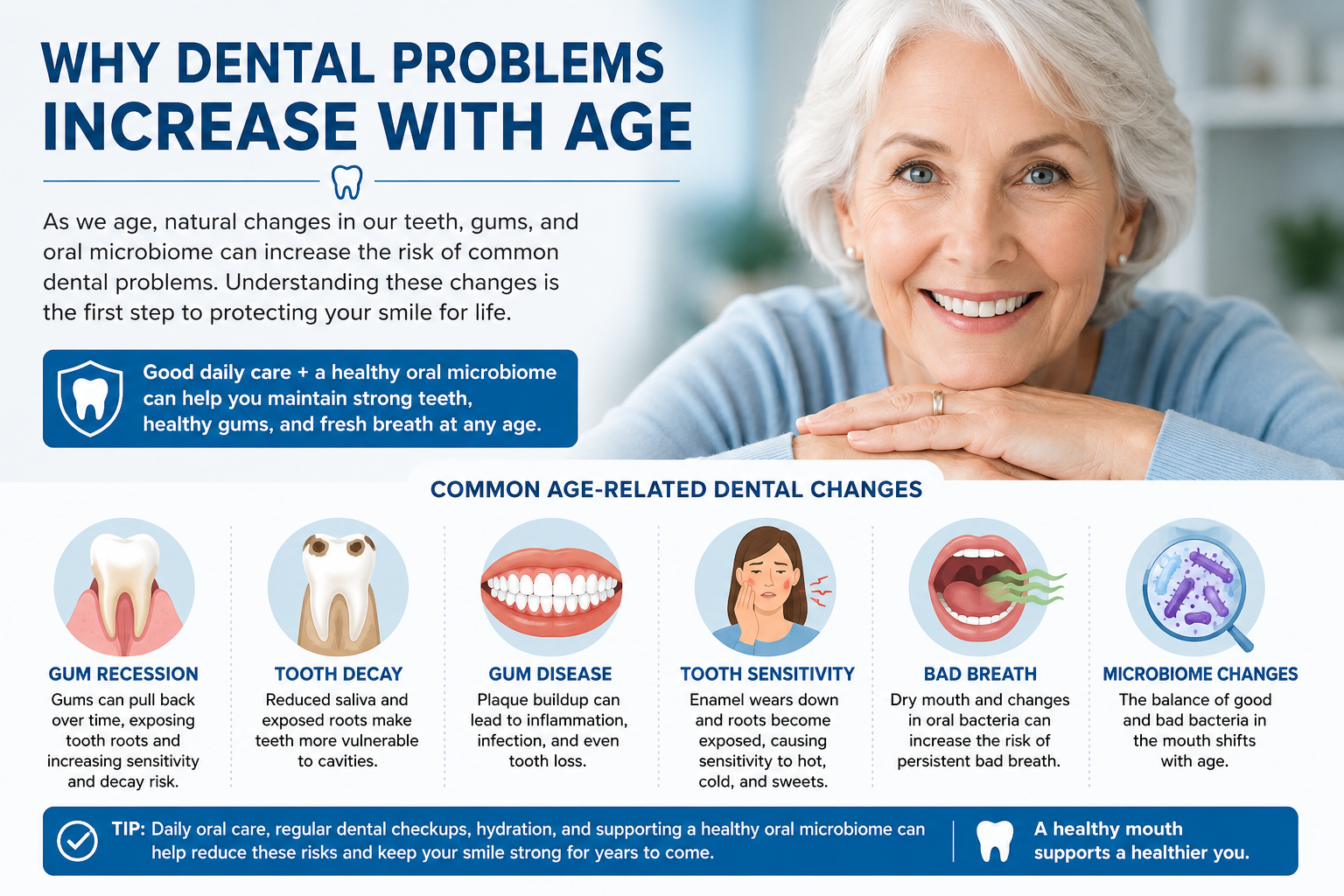
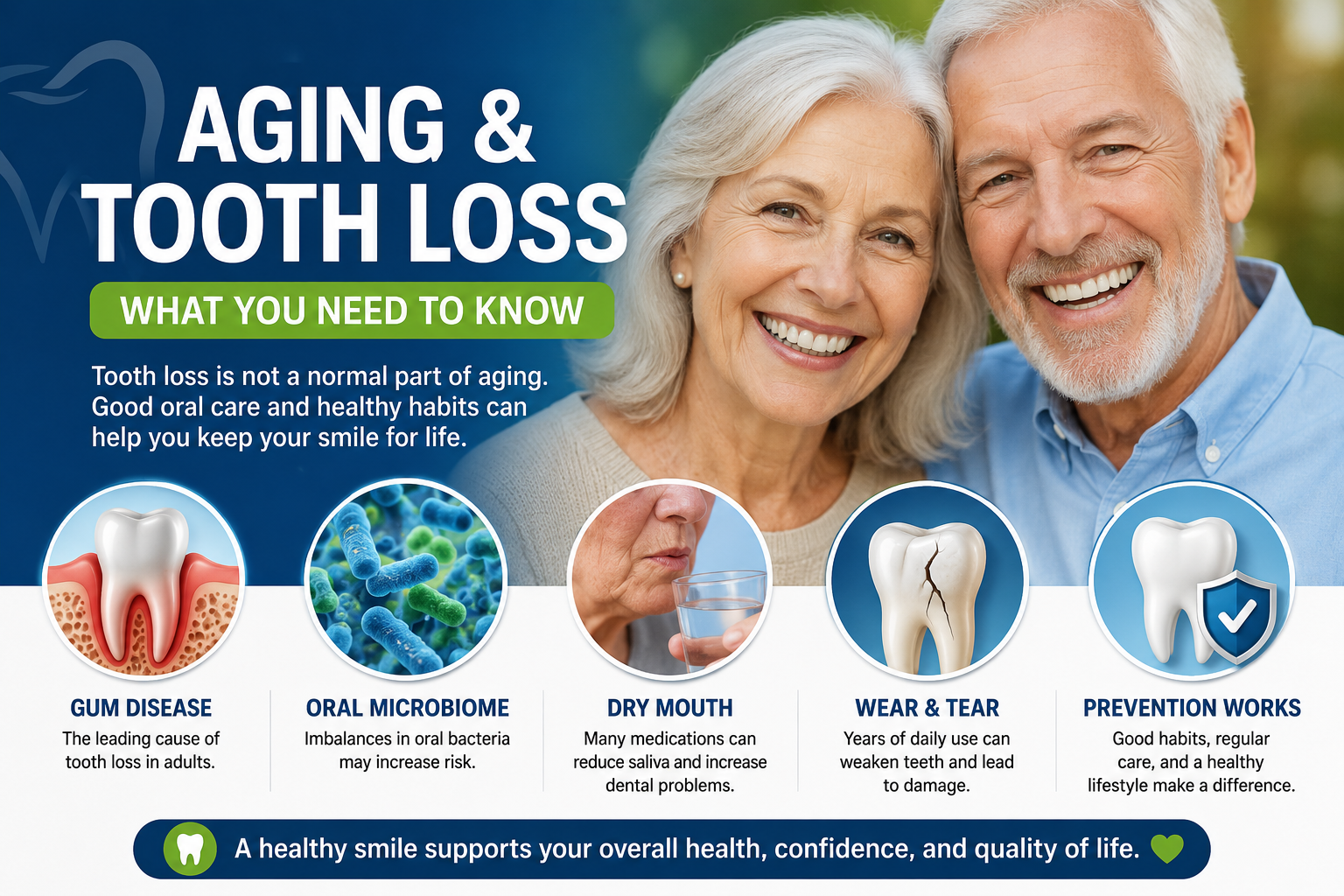
Many people assume that losing teeth is simply part of getting older. In reality, aging itself does not directly cause tooth loss. Instead, the conditions that become more common as we age—such as gum disease, dry mouth, chronic inflammation, medication side effects, and years of accumulated wear—can significantly increase the risk.
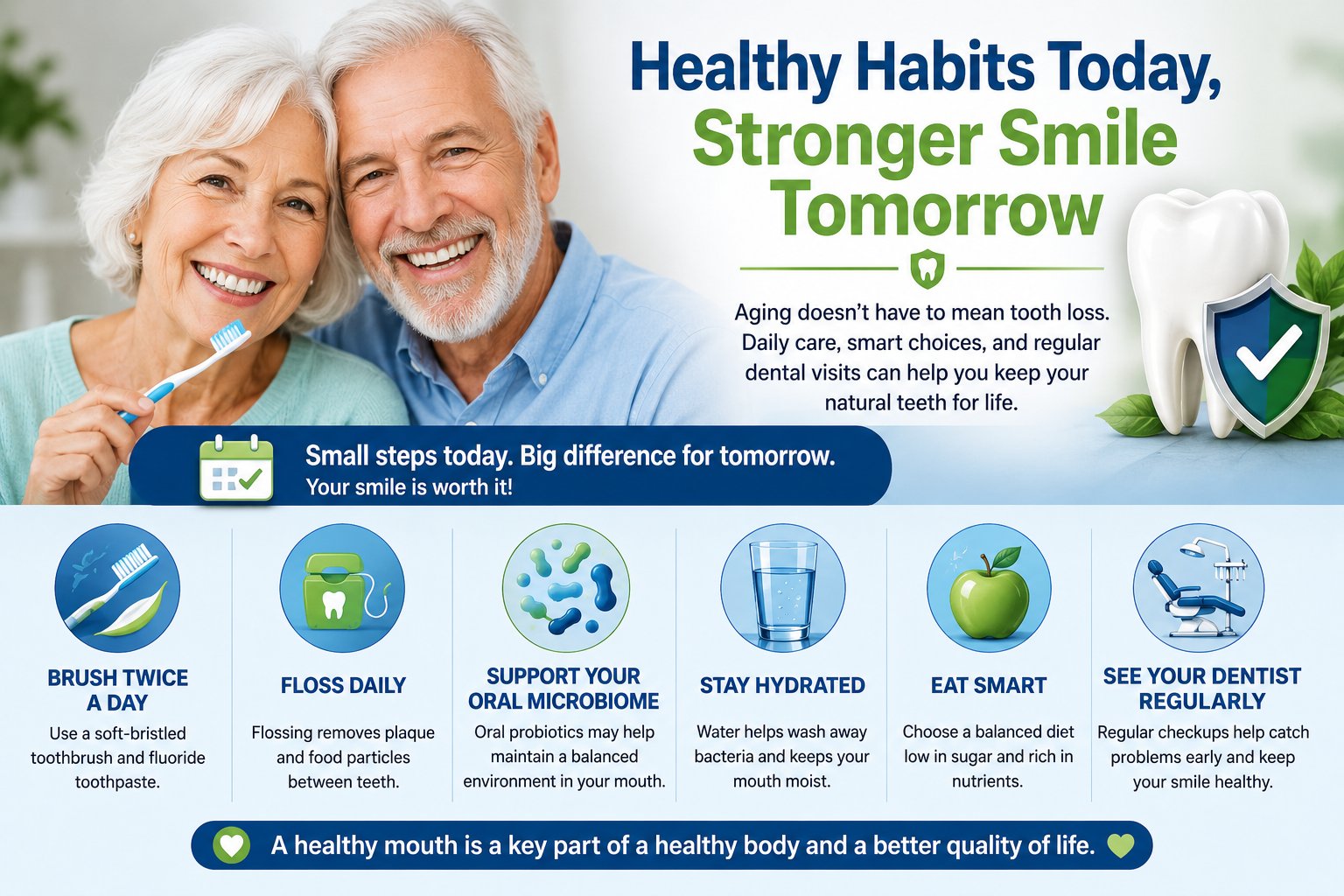
Modern dentistry has shown that healthy teeth can last a lifetime when proper oral care is combined with regular professional treatment. Understanding the connection between aging and oral health empowers adults to protect their smile well into their senior years.
This guide explains why tooth loss becomes more common with age, the biological changes involved, the warning signs to watch for, and practical strategies supported by scientific research that can dramatically reduce your risk.
Why Do Older Adults Lose More Teeth?
Tooth loss is usually the final result of oral diseases that have progressed over many years. These conditions often develop slowly and silently before symptoms become noticeable.
Among older adults, the most common causes include:
- Periodontal (gum) disease
- Untreated tooth decay
- Reduced saliva production
- Poor oral hygiene over decades
- Smoking history
- Diabetes
- Bone loss around teeth
- Medication-related dry mouth
- Poor nutrition
- Limited access to dental care
Rather than age itself being responsible, these risk factors accumulate over time.
How Aging Changes the Mouth
1. Reduced Saliva Production
Saliva protects teeth by neutralizing acids, washing away bacteria, and delivering minerals that repair early enamel damage.
Many medications commonly prescribed after age 60 reduce saliva flow, including medications for:
- High blood pressure
- Depression
- Allergies
- Anxiety
- Parkinson's disease
- Heart disease
A dry mouth dramatically increases cavity risk.
2. Gum Recession
As people age, gums naturally recede slightly, exposing root surfaces that are softer than enamel.
Root surfaces are much more vulnerable to:
- Decay
- Sensitivity
- Bacterial infection
- Bone loss
3. Decades of Wear
Every meal, every sip of acidic beverages, and every bite contributes tiny amounts of wear. After decades, enamel becomes thinner, making teeth more susceptible to fractures and cavities.
Periodontal Disease: The Leading Cause of Tooth Loss
Gum disease remains the number one cause of tooth loss among adults over 50.
It begins with plaque buildup that causes inflammation. If untreated, bacteria migrate below the gumline and begin destroying the tissues supporting the teeth.
Over time this leads to:
- Bone destruction
- Loose teeth
- Deep periodontal pockets
- Gum recession
- Eventually tooth loss
The dangerous aspect of gum disease is that it often progresses painlessly until advanced stages.
Signs That Should Never Be Ignored
- Bleeding gums
- Persistent bad breath
- Loose teeth
- Receding gums
- Sensitive teeth
- Pus around gums
- Pain while chewing
- Spaces developing between teeth
- Swollen gums
- Changes in bite alignment
Early diagnosis dramatically improves treatment success.
The Role of Chronic Diseases
General health and oral health are closely connected.
Several chronic diseases common among older adults increase the likelihood of tooth loss.
Diabetes
Poorly controlled blood sugar weakens the immune system and increases inflammation, making gum infections more severe and more difficult to treat.
Heart Disease
Researchers have found important links between periodontal disease and cardiovascular inflammation.
Osteoporosis
Bone loss affecting the jaw may reduce support around the teeth, particularly when periodontal disease is already present.
Nutrition and Tooth Preservation
Healthy teeth depend upon proper nutrition throughout life.
Important nutrients include:
- Calcium
- Vitamin D
- Vitamin C
- Magnesium
- Protein
- Phosphorus
- Omega-3 fatty acids
A balanced diet rich in fruits, vegetables, dairy products, lean proteins, and whole grains supports healthy gums and stronger teeth.