EnergyFix40 | Reclaim Your Vitality After 40

Foods That Support Healthy Teeth and Gums: 15 Best Foods for a Stronger Smile

July 1, 2026 | by pinheirodacostavilmar@gmail.com

✔ Science-Based Nutrition Guide

Foods That Support Healthy Teeth and Gums

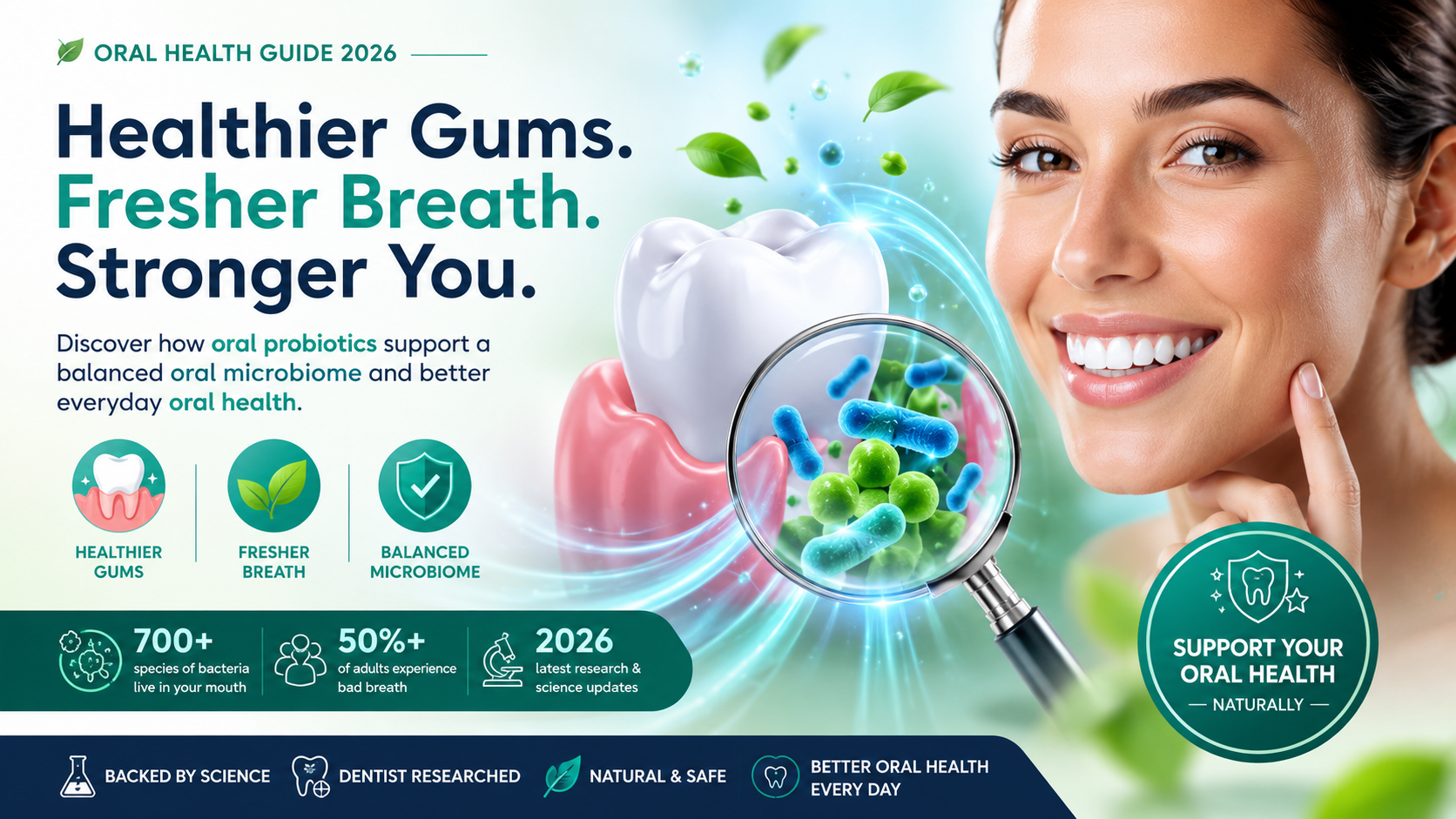
Discover the Best Foods to Build Strong Teeth, Healthy Gums, and a Balanced Oral Microbiome

Your daily diet plays a crucial role in your oral health.The foods you eat provide the vitamins, minerals, antioxidants, and beneficial nutrients that help strengthen tooth enamel, protect your gums, reduce plaque buildup, encourage saliva production, and support a healthier balance of beneficial oral bacteria.

Whether you're looking to prevent cavities, improve gum health, or simply maintain a brighter smile, choosing the right foods can make a remarkable difference over time.

🦷

Strengthens Tooth Enamel

Calcium, phosphorus, and vitamin D work together to keep teeth strong and resistant to decay.

🛡️

Supports Healthy Gums

Vitamin C, antioxidants, and omega-3 fats help maintain healthy gum tissue and reduce inflammation.

Supports Fresh Breath

Crunchy vegetables and water-rich foods naturally help cleanse the mouth and stimulate saliva production.

🦠

Promotes a Healthy Oral Microbiome

A nutrient-rich diet supports beneficial bacteria that contribute to healthier teeth and gums.

A healthier smile begins with smarter nutrition. Discover which foods truly nourish your teeth and gums—and how simple dietary choices can support lifelong oral health.

```

Introduction

When people think about protecting their teeth, brushing, flossing, and regular dental visits are usually the first habits that come to mind. While these practices are essential, nutrition is an equally important—and often overlooked—part of maintaining excellent oral health. Every meal you eat provides nutrients that can either strengthen your teeth and gums or contribute to the growth of harmful bacteria responsible for cavities, gum disease, and persistent bad breath.

Your mouth is home to a complex ecosystem known as the oral microbiome, which contains hundreds of species of bacteria. Some of these microorganisms help maintain healthy teeth and gums, while others produce acids that damage enamel and irritate gum tissue. The foods you consume every day directly influence this delicate balance by either feeding beneficial bacteria or encouraging the growth of harmful ones.

Whole foods rich in vitamins, minerals, antioxidants, healthy fats, and dietary fiber help create an environment where beneficial bacteria can thrive. At the same time, reducing highly processed foods and excessive sugar intake can lower the risk of plaque buildup, tooth decay, and inflammation. Nutrition should therefore be viewed as one of the most effective long-term investments in oral health.

In this guide, you'll discover how specific nutrients protect your smile, why certain foods naturally support healthier teeth and gums, and how simple dietary choices can complement brushing, flossing, regular dental checkups, and other healthy oral care habits.

Why Nutrition Has a Powerful Impact on Oral Health

Your teeth and gums are living tissues that constantly repair themselves. Just like your bones, muscles, and immune system, they require a continuous supply of essential nutrients to remain healthy. Without adequate nutrition, enamel becomes more vulnerable to acid attacks, gum tissue heals more slowly, and the body's natural defenses against oral bacteria become less effective.

One of the most important protective mechanisms in your mouth is saliva. Saliva helps neutralize harmful acids, washes away food particles, supplies minerals that strengthen enamel, and supports a balanced oral microbiome. Proper hydration together with nutrient-rich foods encourages healthy saliva production, providing continuous protection throughout the day.

Crunchy fruits and vegetables also play an important role. Their texture gently stimulates saliva while helping remove food debris from the tooth surface. Although they do not replace brushing or flossing, these foods contribute to a naturally cleaner mouth between meals.

In contrast, diets rich in sugary snacks, refined carbohydrates, and acidic beverages create ideal conditions for harmful bacteria. These microorganisms feed on sugar and release acids that gradually dissolve tooth enamel, increasing the risk of cavities and gum disease over time.

Consistently choosing nutrient-dense foods helps reduce inflammation, supports healthy circulation within the gums, strengthens the body's immune response, and promotes an oral environment that favors beneficial bacteria instead of harmful microbes.

How Essential Nutrients Strengthen Teeth and Gums

Healthy teeth depend on far more than calcium alone. Every major nutrient contributes to maintaining strong enamel, healthy gums, balanced saliva production, and a resilient immune response that helps protect against oral infections. When these nutrients work together, they create the foundation for long-term oral wellness.

Calcium remains one of the most important minerals for preserving tooth structure. It helps maintain the hardness of enamel while supporting healthy jawbones that anchor your teeth securely.

Phosphorus works alongside calcium by assisting in enamel remineralization. Together, these minerals help repair microscopic damage caused by everyday acid exposure.

Vitamin D improves the body's ability to absorb calcium efficiently. Without sufficient vitamin D, even calcium-rich foods cannot deliver their full protective benefits.

Vitamin C supports collagen production, which is essential for maintaining strong gum tissue. Healthy collagen fibers help keep teeth firmly supported while promoting faster healing after minor irritation.

Antioxidants, including vitamins A and E as well as plant compounds found in colorful fruits and vegetables, help reduce oxidative stress and support healthy inflammatory responses throughout the mouth.

Healthy fats—particularly omega-3 fatty acids—may also contribute to healthier gums by supporting normal inflammatory balance. Combined with adequate protein intake, they help maintain healthy oral tissues throughout life.

Rather than relying on a single "superfood," the most effective approach is to enjoy a varied, nutrient-rich diet that supplies these essential vitamins and minerals consistently. Small daily choices accumulate over time, helping preserve a strong smile while supporting overall health and well-being.

The Most Important Minerals for Healthy Teeth and Gums

Strong, healthy teeth depend on much more than good brushing habits. Your body needs a steady supply of essential minerals to build, repair, and protect tooth enamel while supporting healthy gums and jawbones. These nutrients work together every day to maintain your smile and reduce the risk of oral health problems.

Although dozens of nutrients contribute to oral wellness, a handful of minerals play particularly important roles in maintaining enamel strength, supporting gum tissue, and helping your mouth naturally defend itself against harmful bacteria.

🦷 Calcium

Calcium is the primary mineral found in teeth. It strengthens enamel, supports jawbone density, and helps maintain the structural integrity of every tooth.

Excellent food sources include dairy products, fortified plant beverages, leafy greens, almonds, sardines, and tofu.

🛡 Phosphorus

Phosphorus partners with calcium to rebuild weakened enamel and maintain strong teeth throughout life. It is naturally present in many protein-rich foods.

Good sources include fish, poultry, eggs, dairy products, beans, lentils, nuts, and whole grains.

🌿 Magnesium

Magnesium contributes to healthy bone formation and helps the body utilize calcium effectively. It also supports hundreds of important biological functions.

Rich sources include pumpkin seeds, spinach, avocados, legumes, whole grains, dark chocolate, and nuts.

✨ Zinc

Zinc supports immune function, tissue repair, and healthy gums. It also contributes to maintaining a balanced oral microbiome.

Natural sources include seafood, lean meat, pumpkin seeds, chickpeas, beans, yogurt, and cashews.

The First Foods You Should Add to Your Diet

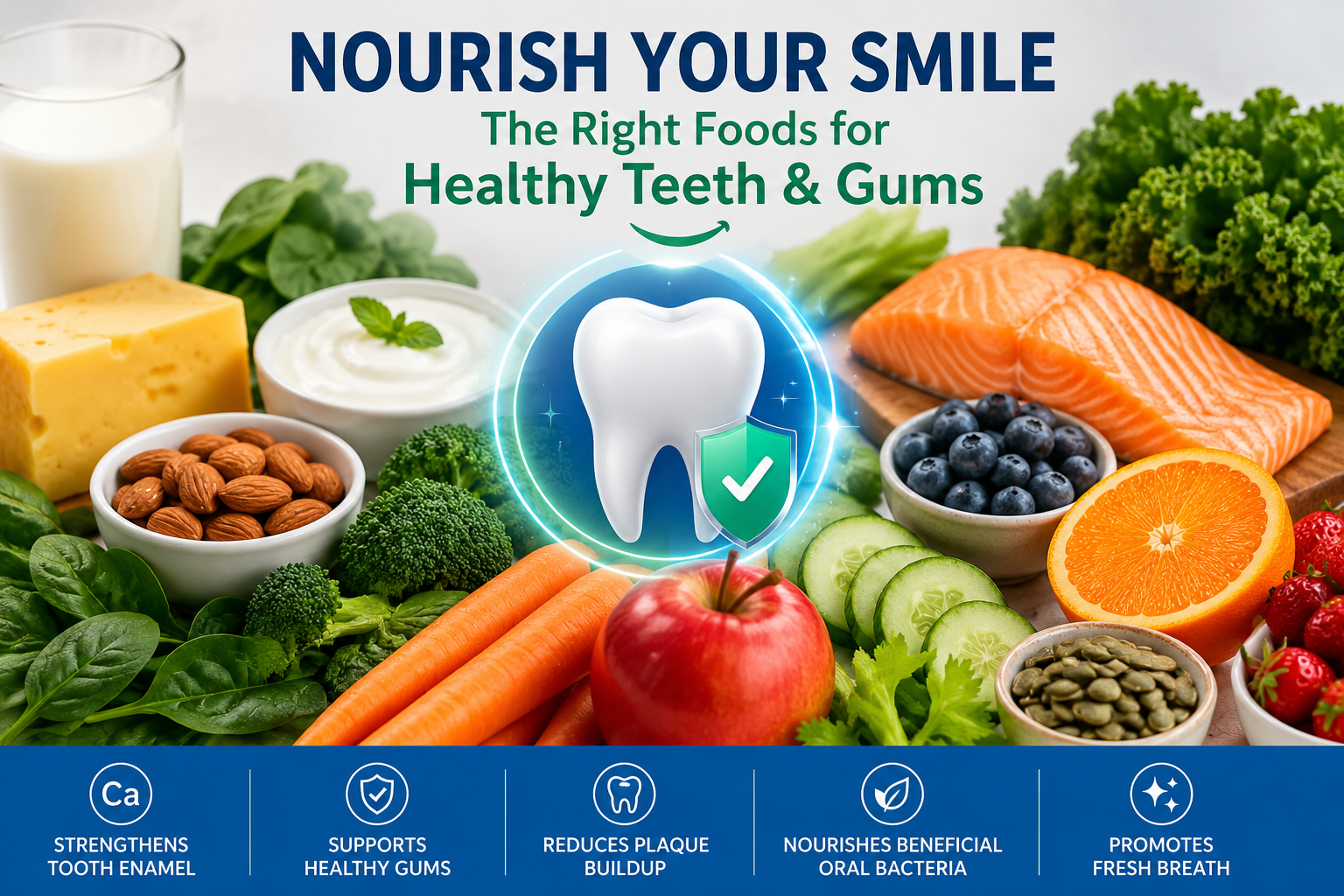
Building healthier teeth and gums doesn't require an expensive or restrictive diet. Many everyday foods naturally provide the vitamins, minerals, fiber, antioxidants, and healthy fats that support long-term oral health.

If you're looking for a practical starting point, these are among the best foods to include regularly in your meals.

🥛 Dairy Products

Milk, yogurt, and cheese provide calcium, phosphorus, and protein while helping maintain a healthy pH inside the mouth. Cheese may also stimulate saliva production after meals.

🥬 Leafy Green Vegetables

Spinach, kale, collard greens, and broccoli supply calcium, magnesium, vitamin C, folate, and antioxidants that support gum health.

🍎 Apples

Their crunchy texture encourages chewing, stimulates saliva production, and helps remove food particles from the tooth surface between meals.

🥕 Carrots

Rich in beta-carotene and fiber, carrots promote healthy saliva flow while providing nutrients that support healthy oral tissues.

🥜 Nuts and Seeds

Almonds, walnuts, chia seeds, flaxseeds, and pumpkin seeds deliver healthy fats, magnesium, phosphorus, zinc, and plant protein.

🐟 Fatty Fish

Salmon, sardines, trout, and mackerel provide vitamin D, omega-3 fatty acids, and high-quality protein that support healthy gums and stronger bones.

Healthy Smiles Begin in the Kitchen

The foods you choose every day can significantly influence your oral health. By eating more mineral-rich, whole foods and reducing highly processed, sugary products, you help create an environment where strong teeth, healthy gums, and beneficial oral bacteria can thrive naturally.

```
Oral Probiotic Formula

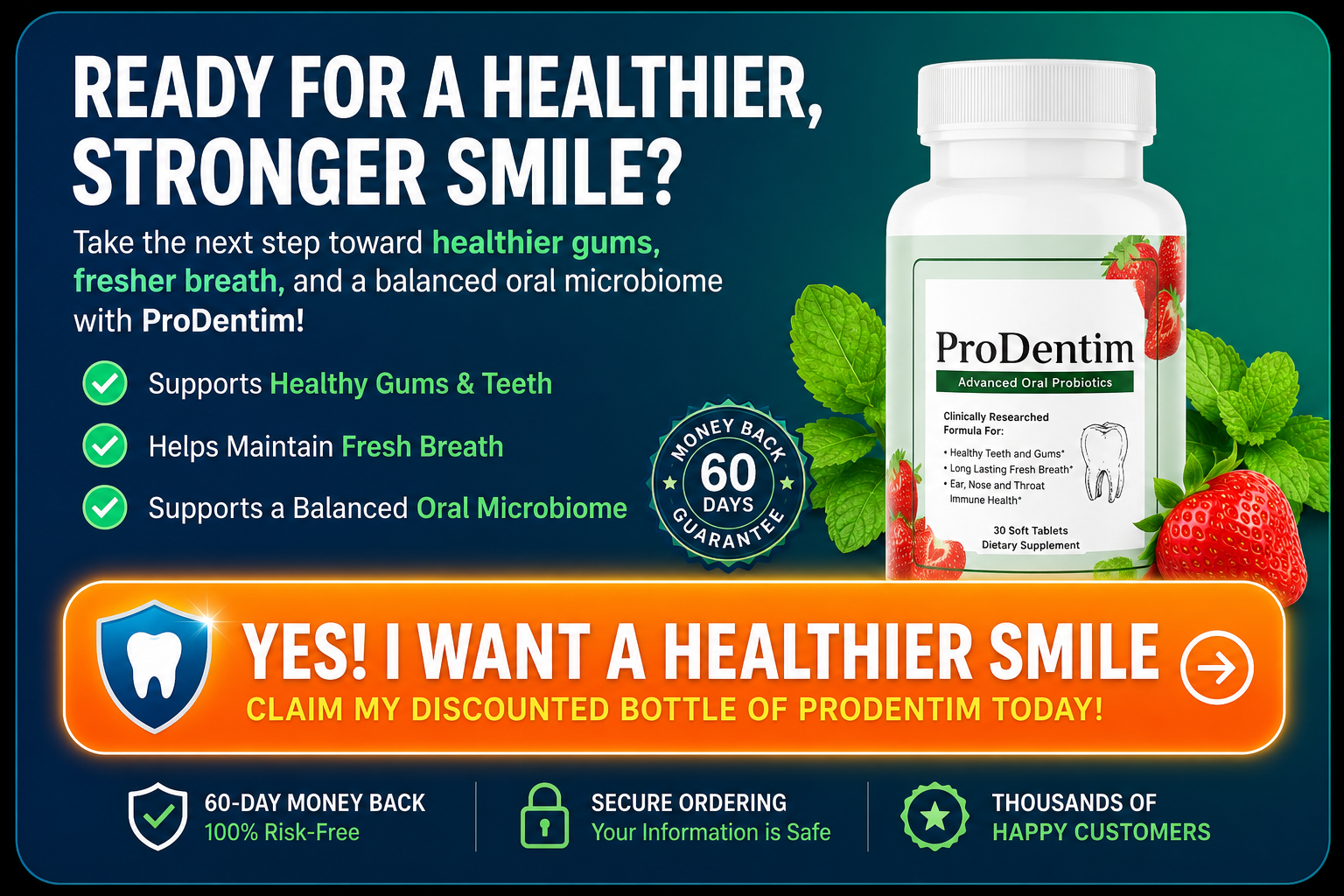
Discover ProDentim

A convenient oral probiotic option designed to complement your daily dental-care routine.

Learn more about the formula, ingredients, purchasing options and current availability through the official presentation page.

  • Designed for daily oral-care support
  • Easy-to-use probiotic format
  • Complements brushing and flossing
Explore ProDentim Now →

View product information, availability and purchasing details.

Dental Wellness Formula

Discover ProvaDent

Explore a dental wellness formula created to support a more complete oral-care approach.

Review the product presentation, formula details and current purchasing options before deciding whether it fits your routine.

  • Created to complement oral hygiene
  • Simple addition to a daily routine
  • Product details available online
Explore ProvaDent Now →

Check the presentation page for product and ordering information.

Affiliate disclosure: This page may earn a commission if you purchase through one of these links, at no additional cost to you. These products do not replace brushing, flossing or professional dental care.

```

The 15 Best Foods for Healthy Teeth and Gums

A healthy smile starts with the foods on your plate. While brushing, flossing, and regular dental checkups remain essential, nutrition provides the building blocks your teeth and gums need to stay strong. The following foods are among the most beneficial choices for supporting enamel strength, maintaining healthy gum tissue, promoting saliva production, and encouraging a balanced oral microbiome.

🥛 1. Milk, Cheese, and Yogurt

Dairy products consistently rank among the best foods for healthy teeth because they naturally provide calcium, phosphorus, protein, and other nutrients that help maintain strong enamel. These minerals are continuously exchanged between saliva and the tooth surface, supporting the natural process of enamel remineralization.

Cheese offers an additional advantage by stimulating saliva production. Increased saliva helps neutralize acids produced by oral bacteria, washes away food particles, and supplies protective minerals that strengthen teeth throughout the day.

Unsweetened yogurt also contains beneficial bacteria that may contribute to a healthier oral microbiome while providing high-quality protein and calcium. Choosing plain yogurt without added sugars is generally the best option for supporting both oral and overall health.

Best Choices:
  • Plain Greek yogurt
  • Cheddar cheese
  • Swiss cheese
  • Low-fat milk
  • Fortified dairy alternatives

🥬 2. Leafy Green Vegetables

Dark leafy greens such as spinach, kale, broccoli, collard greens, and Swiss chard are nutritional powerhouses for oral health. They are naturally rich in calcium, magnesium, folate, vitamin C, vitamin K, and antioxidants that support healthy gums while helping maintain strong teeth.

Vitamin C plays a particularly important role because it supports collagen production—the protein responsible for maintaining firm, healthy gum tissue. A consistent intake of leafy greens can therefore contribute to stronger gums and improved healing of oral tissues.

Because they are also high in fiber, leafy vegetables encourage chewing, which naturally increases saliva production and helps cleanse the mouth between brushings.

Top Picks:
  • Spinach
  • Kale
  • Broccoli
  • Collard greens
  • Swiss chard

🍎 3. Apples

Often called "nature's toothbrush," apples provide a satisfying crunch that stimulates saliva production while helping remove food debris from the surface of teeth. Although apples should never replace brushing or flossing, they can be a smart snack between meals.

Their high water content helps dilute naturally occurring sugars, while dietary fiber supports overall digestive health. Chewing crisp apples also exercises the jaw muscles and encourages a healthy flow of saliva, one of the body's most effective natural defenses against cavities.

For the greatest benefit, eat whole apples instead of drinking apple juice, which often contains concentrated sugars and lacks beneficial fiber.

Healthy Tip:

Pair apple slices with cheese or a handful of almonds for an oral-health-friendly snack that combines fiber, calcium, and protein.

🥕 4. Carrots

Carrots are one of the most nutritious vegetables for maintaining healthy teeth and gums. Rich in beta-carotene, dietary fiber, potassium, and antioxidants, they contribute to healthy oral tissues while encouraging saliva production through vigorous chewing.

Beta-carotene is converted by the body into vitamin A, an essential nutrient for maintaining the integrity of the mucous membranes lining the mouth and supporting healthy gum tissue.

Raw carrots make an excellent snack because their firm texture naturally helps remove plaque-forming food particles while keeping the mouth hydrated through increased saliva flow.

Serving Ideas:
  • Fresh carrot sticks
  • Mixed vegetable salads
  • Roasted carrots
  • Homemade vegetable bowls
  • Healthy lunch snacks

Small Daily Choices Create Lifelong Oral Health

Including nutrient-rich foods like dairy products, leafy greens, apples, and carrots in your daily meals helps provide the vitamins and minerals your teeth and gums need to stay healthy. Combined with proper oral hygiene and regular dental visits, these simple dietary choices can support a stronger smile for years to come.

🥜 5. Nuts and Seeds

Nuts and seeds are among the most nutrient-dense foods you can eat for better oral health. They provide an impressive combination of calcium, magnesium, phosphorus, zinc, healthy fats, plant protein, and fiber—all of which contribute to stronger teeth and healthier gums.

Because they require thorough chewing, nuts naturally stimulate saliva production. Saliva helps rinse away food particles, neutralize harmful acids, and deliver minerals that strengthen tooth enamel through the natural remineralization process.

Many nuts are also rich in vitamin E and antioxidants that help protect gum tissue from oxidative stress. Choosing unsalted varieties without added sugar is generally the healthiest option for both oral and cardiovascular health.

Excellent Choices:
  • Almonds
  • Walnuts
  • Pistachios
  • Pumpkin seeds
  • Sunflower seeds
  • Chia seeds
  • Flaxseeds

🐟 6. Fatty Fish

Fatty fish such as salmon, sardines, trout, mackerel, and herring provide two essential nutrients for oral health: vitamin D and omega-3 fatty acids. Together, these nutrients help support healthy gums, strong jawbones, and efficient calcium absorption.

Vitamin D enables the body to absorb calcium more effectively, ensuring that this mineral reaches your teeth and bones where it is needed most. Without adequate vitamin D, even a calcium-rich diet may not provide its full protective benefits.

Omega-3 fatty acids also support a healthy inflammatory response, making them valuable nutrients for maintaining healthy gum tissue and overall wellness.

Best Sources:
  • Wild salmon
  • Sardines
  • Mackerel
  • Rainbow trout
  • Herring

🥚 7. Eggs

Eggs are an affordable and highly nutritious food that supports healthy teeth and gums. They provide complete protein, phosphorus, selenium, vitamin D, vitamin B12, and several other nutrients involved in tissue repair and bone health.

Protein is particularly important because the gums and supporting structures around the teeth constantly undergo repair and renewal. Consuming adequate protein helps maintain these tissues throughout life.

Eggs are naturally low in carbohydrates and contain no added sugar, making them an excellent breakfast or snack choice for individuals seeking better oral health.

Healthy Serving Ideas:
  • Boiled eggs
  • Vegetable omelets
  • Scrambled eggs with spinach
  • Egg salad (low-sugar dressing)

🍓 8. Berries

Berries—including strawberries, blueberries, raspberries, and blackberries—are packed with vitamin C, fiber, and powerful antioxidants that support healthy gums and protect oral tissues from oxidative damage.

Vitamin C is essential for collagen production, helping maintain firm gum tissue and supporting normal healing. Meanwhile, antioxidants help combat oxidative stress that can contribute to inflammation throughout the body, including the mouth.

Although berries contain natural fruit sugars, they are also high in fiber and water, making them a healthier alternative to processed sweets. After eating acidic fruits, it is a good idea to rinse your mouth with water and wait about 30 minutes before brushing your teeth.

Top Choices:
  • Blueberries
  • Strawberries
  • Raspberries
  • Blackberries
  • Cranberries (unsweetened)

Build a Healthier Smile—One Meal at a Time

Adding nutrient-rich foods like nuts, seeds, fatty fish, eggs, and berries to your weekly meal plan helps provide the vitamins, minerals, healthy fats, and antioxidants your mouth needs to thrive. Consistent healthy eating, combined with daily oral hygiene, is one of the most effective ways to protect your smile naturally.

Daily Meal Plan for Healthy Teeth and Gums

Maintaining strong teeth and healthy gums isn't about following a restrictive diet—it's about making consistent, nutrient-rich choices throughout the day. Every meal offers an opportunity to nourish your teeth, support your gums, and encourage a balanced oral microbiome.

A well-balanced eating pattern supplies calcium, phosphorus, vitamin D, vitamin C, magnesium, healthy fats, antioxidants, and fiber, all of which contribute to better oral health while supporting your overall well-being.

Sample One-Day Oral Health Meal Plan

The following meal plan demonstrates how simple, everyday foods can work together to provide the essential nutrients your teeth and gums need. Feel free to adjust portion sizes and food choices according to your dietary preferences and nutritional needs.

🌅 Breakfast

  • Plain Greek yogurt
  • Fresh blueberries
  • Walnuts
  • Whole-grain toast
  • Glass of water

Provides calcium, probiotics, antioxidants, healthy fats, and fiber to start the day with nutrients that support enamel and gum health.

🥗 Lunch

  • Grilled salmon
  • Spinach salad
  • Broccoli
  • Quinoa
  • Water with lemon (moderation)

Supplies omega-3 fats, vitamin D, calcium, magnesium, protein, and antioxidants that help maintain healthy gums.

🌙 Dinner

  • Roasted chicken
  • Sweet potato
  • Steamed vegetables
  • Mixed leafy greens
  • Glass of water

A balanced combination of lean protein, vitamins, minerals, and fiber supports overnight tissue repair.

Healthy Snack Ideas Between Meals

Snacking doesn't have to harm your teeth. Choosing nutrient-dense foods instead of sugary treats can actually support oral health while helping control hunger throughout the day.

🍎 Apple + Cheese

Combines fiber with calcium and protein for a satisfying, tooth-friendly snack.

🥕 Carrots + Hummus

Crunchy vegetables stimulate saliva while hummus provides plant protein and minerals.

🥜 Mixed Nuts

Rich in magnesium, phosphorus, zinc, and healthy fats.

🫐 Fresh Berries

High in antioxidants and vitamin C while naturally lower in added sugars.

🥛 Plain Yogurt

Offers calcium, protein, and beneficial bacteria that support a healthy oral microbiome.

🥒 Cucumbers & Celery

Hydrating vegetables that promote saliva production and natural mouth cleansing.

Lifestyle Tips That Maximize the Benefits of Healthy Eating

  • 🦷 Brush your teeth twice daily using fluoride toothpaste.
  • 🪥 Floss every day to remove plaque between teeth.
  • 💧 Drink plenty of water throughout the day to support saliva production.
  • 🍬 Limit sugary drinks, candy, and highly processed snacks.
  • ☕ Reduce frequent consumption of acidic beverages when possible.
  • 🥗 Eat balanced meals instead of frequent sugary snacking.
  • 🦠 Consider discussing oral probiotics with your dental professional as part of a complete oral care routine.
  • 😁 Visit your dentist regularly for professional cleanings and preventive care.

Take Your Oral Health to the Next Level

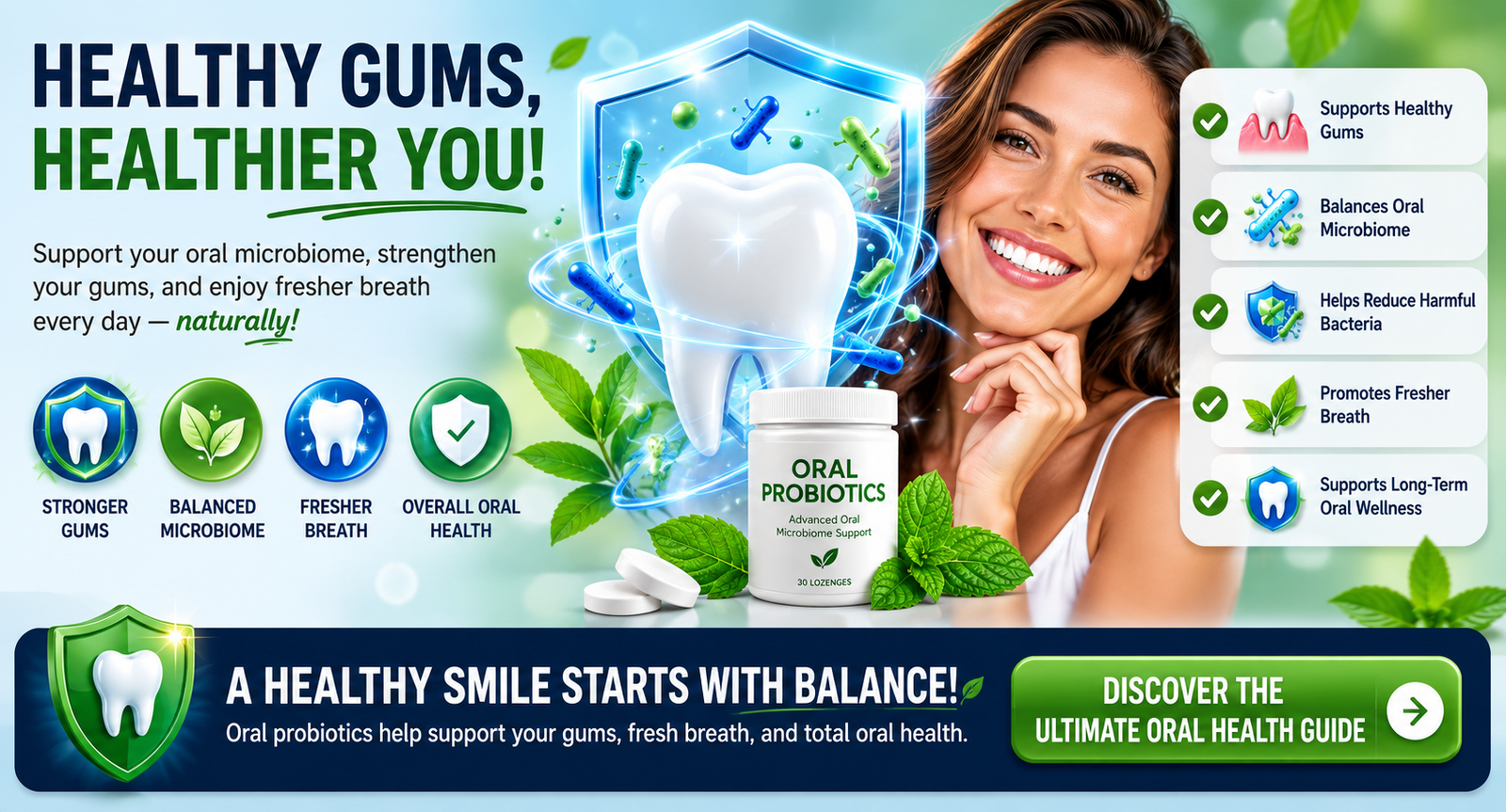
Healthy nutrition is one of the strongest foundations for lifelong oral wellness. Learn how diet, beneficial bacteria, daily habits, and modern oral probiotics can work together to help you maintain stronger teeth, healthier gums, and fresher breath.

Frequently Asked Questions (FAQ)

Below are answers to some of the most common questions about nutrition and oral health.

1. What foods are best for healthy teeth and gums?

Some of the best choices include dairy products, leafy green vegetables, apples, carrots, fatty fish, nuts, seeds, eggs, berries, and other whole foods rich in calcium, phosphorus, vitamin D, vitamin C, antioxidants, and healthy fats.

2. Can diet really improve oral health?

Yes. A balanced diet provides the nutrients your teeth and gums need to stay healthy while helping maintain a balanced oral microbiome. Good nutrition complements brushing, flossing, and regular dental checkups but does not replace them.

3. Which vitamin is most important for healthy gums?

Vitamin C is especially important because it supports collagen production, helping maintain healthy gum tissue. However, vitamins D, A, K, and several minerals also play essential roles in overall oral health.

4. Are sugary foods always harmful?

Frequent consumption of sugary foods and drinks increases the risk of tooth decay because oral bacteria convert sugar into acids that weaken enamel. Limiting added sugars and practicing good oral hygiene can help reduce this risk.

5. Is drinking water good for your teeth?

Absolutely. Water helps rinse away food particles, supports saliva production, and keeps the mouth hydrated. Fluoridated water, where available, may also contribute to stronger enamel.

6. Are crunchy vegetables beneficial for oral health?

Yes. Foods like carrots, celery, and cucumbers encourage chewing, stimulate saliva flow, and help remove food particles from the surface of the teeth between meals.

7. Can probiotics support oral health?

Some research suggests that certain oral probiotics may help support a balanced oral microbiome when used alongside proper oral hygiene. They should be viewed as a complement—not a replacement—for brushing, flossing, and regular dental care.

8. How often should I eat tooth-friendly foods?

Including nutrient-rich foods in your daily meals is one of the best ways to support long-term oral health. Consistency matters more than perfection, so aim for balanced eating habits every day.

9. Can healthy eating prevent cavities completely?

No single food or diet can completely prevent cavities. However, nutritious eating patterns can significantly reduce risk when combined with brushing twice daily, flossing, fluoride use, and regular dental visits.

10. What is the single best habit for protecting my smile?

The best approach is combining several healthy habits: eating nutrient-rich foods, limiting added sugars, drinking plenty of water, practicing excellent oral hygiene, and scheduling regular dental checkups.

Conclusion

Healthy teeth and gums are built through consistent daily habits, and nutrition is one of the most powerful tools available. Every meal is an opportunity to provide your body with the vitamins, minerals, antioxidants, healthy fats, and proteins needed to support stronger enamel, healthier gums, and a balanced oral microbiome.

Choosing whole foods such as dairy products, leafy greens, colorful fruits, vegetables, nuts, seeds, eggs, and fatty fish helps create an oral environment that supports long-term wellness. At the same time, reducing sugary snacks and highly processed foods can lower the risk of cavities and gum disease.

While nutrition plays a vital role, it works best when combined with brushing twice a day, daily flossing, routine dental checkups, and other evidence-based oral care practices. Together, these habits create a comprehensive strategy for protecting your smile throughout every stage of life.

A healthier smile truly begins with healthier choices—one meal, one habit, and one day at a time.

⭐ LIMITED-TIME SPECIAL OFFER

Take the Next Step Toward a Healthier Smile

Healthy eating provides the foundation for strong teeth and healthy gums. If you're looking to further support your daily oral care routine, adding an oral probiotic may help maintain a balanced oral microbiome and promote fresher breath as part of a complete oral hygiene regimen.

Discover why thousands of people have chosen ProDentim to complement their oral health habits. Results vary by individual, and it should be used alongside brushing, flossing, and regular dental checkups. :contentReference[oaicite:0]{index=0}

✔ Supports a balanced oral microbiome
✔ Helps maintain healthy gums and fresh breath
✔ Easy daily chewable formula
✔ Designed to complement your daily oral hygiene routine—not replace professional dental care.

Scientific References

The information presented in this article is based on recommendations from leading dental organizations and peer-reviewed scientific literature on nutrition and oral health.

  1. American Dental Association (ADA). Nutrition and Oral Health.
    https://www.ada.org/resources/ada-library/oral-health-topics/nutrition-and-oral-health

  2. American Dental Association (ADA). Oral-Systemic Health.
    https://www.ada.org/resources/ada-library/oral-health-topics/oral-systemic-health

  3. World Health Organization (WHO). Sugars Intake for Adults and Children.
    https://www.who.int/publications/i/item/9789241549028

  4. National Institute of Dental and Craniofacial Research (NIDCR). Healthy Mouth.
    https://www.nidcr.nih.gov/health-info

  5. National Institutes of Health – Office of Dietary Supplements. Calcium Fact Sheet for Health Professionals.
    https://ods.od.nih.gov/factsheets/Calcium-HealthProfessional/

  6. National Institutes of Health – Office of Dietary Supplements. Vitamin D Fact Sheet for Health Professionals.
    https://ods.od.nih.gov/factsheets/VitaminD-HealthProfessional/

  7. Harvard T.H. Chan School of Public Health. The Nutrition Source.
    https://www.hsph.harvard.edu/nutritionsource/

  8. Moynihan P, Kelly S. Effect on Caries of Restricting Sugars Intake: Systematic Review to Inform WHO Guidelines. Journal of Dental Research. 2014.
    https://journals.sagepub.com/doi/10.1177/0022034513508954

  9. Pitts NB, Zero DT, Marsh PD, et al. Dental Caries. Nature Reviews Disease Primers. 2017.
    https://www.nature.com/articles/nrdp201730

  10. Najeeb S, Zafar MS, Khurshid Z, et al. The Role of Nutrition in Periodontal Health. Nutrients. 2016.
    https://www.mdpi.com/2072-6643/8/9/530

Medical Disclaimer: This article is intended for educational and informational purposes only and should not be considered medical or dental advice. Always consult a qualified dentist or healthcare professional before making significant changes to your diet, starting supplements, or making decisions related to your oral health.

EnergyFix40

EnergyFix40 is dedicated to providing evidence-based information on oral health, healthy aging, nutrition, wellness, and lifestyle. Our goal is to help readers make informed decisions that support long-term health and overall well-being.

Medical Disclaimer

The content published on EnergyFix40 is provided for informational and educational purposes only. It is not intended to replace professional medical or dental advice, diagnosis, or treatment. Always seek the guidance of your physician, dentist, or another qualified healthcare provider regarding any medical condition.

Affiliate Disclosure: Some links on this website are affiliate links. This means that if you purchase a product through one of these links, we may earn a small commission at no additional cost to you. This helps support our work and allows us to continue creating high-quality educational content.

© 2026 EnergyFix40.com. All Rights Reserved.

RELATED POSTS

View all

view all