EnergyFix40 | Reclaim Your Vitality After 40

EnergyFix40 Oral Health Library

Oral Probiotics Research Hub

Explore a continuously organized collection of scientific research, clinical evidence, probiotic strains, oral health outcomes and practical insights related to oral probiotics and the oral microbiome.

Evidence-Based Resource Research-Oriented Periodically Updated 40+ Designed for Healthy Aging
Research Overview

A permanent evidence library for oral probiotics

This resource is designed to help readers, researchers, health writers and dental professionals quickly understand what current research suggests—and what remains uncertain.

Why this research hub exists

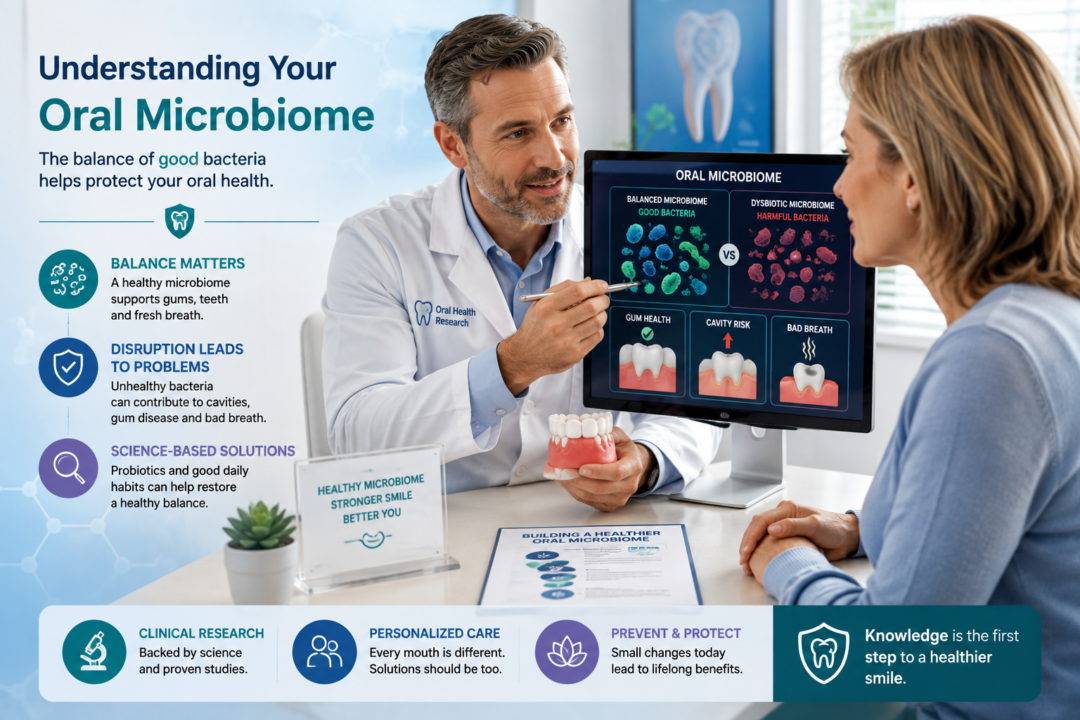
Interest in oral probiotics has increased as researchers continue to investigate the relationship between microorganisms, dental plaque, gum health, saliva, bad breath and the broader oral microbiome.

However, research findings can be difficult to compare. Studies may use different probiotic strains, doses, delivery formats, treatment periods and outcome measurements.

The EnergyFix40 Oral Probiotics Research Hub organizes these findings into clear topic areas, research summaries and comparison tables so visitors can evaluate the evidence in context.

🧬

Probiotic Strains

Review commonly researched Lactobacillus, Bifidobacterium and Streptococcus strains and the oral health outcomes associated with them.

Clinical Evidence

Explore randomized trials, systematic reviews and other human research related to gums, plaque, breath, saliva and cavities.

Evidence Quality

Understand sample size, study duration, possible bias, conflicting findings and why one study cannot establish a universal result.

📚

Scientific Sources

Access research from journals, databases, universities and established oral-health organizations used throughout this hub.

Quick Navigation

Quick Access to Featured Oral Health Resources

Explore oral health statistics, scientific research, practical checklists, ingredient information, infographics and evidence-based resources created to support informed oral health decisions.

Practical Tools

Oral Health Checklists

Use practical daily routines, dental visit preparation tools, symptom trackers and printable oral health checklists.

View the Checklists
Visual Resources

Oral Health Infographics Library

Discover visual statistics, educational graphics, comparison charts and shareable oral health resources.

Explore the Infographics
Ingredient Research

Oral Health Ingredient Library

Review oral health ingredients, possible uses, evidence, safety considerations and product formula research.

Browse the Ingredient Library
Scientific Research

Oral Probiotics Research Hub

Explore clinical evidence, probiotic strain research, study summaries, research tables and evidence limitations.

Visit the Research Hub
EnergyFix40 provides educational oral health information and does not replace professional dental diagnosis, advice or treatment.
Research Foundation

What Are Oral Probiotics?

Oral probiotics are live microorganisms selected for their potential to interact with the microbial communities found in the mouth. Their purpose is not to sterilize the oral cavity, but to support a healthier and more balanced oral environment.

A practical scientific definition

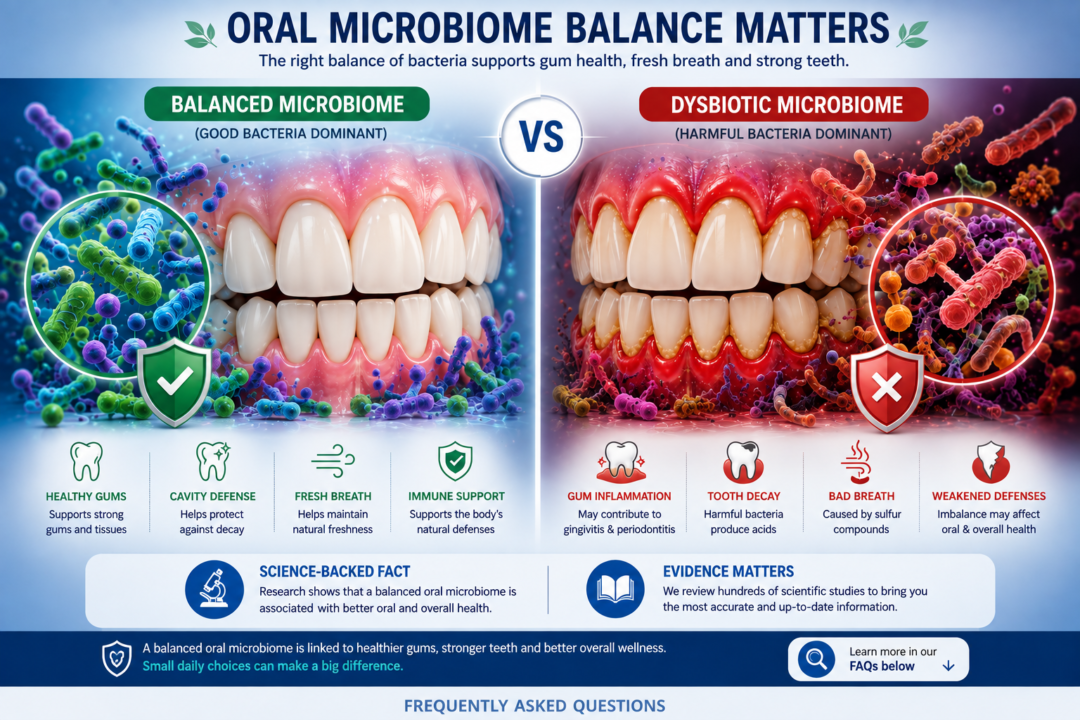
The mouth contains a complex ecosystem of bacteria, fungi, viruses and other microorganisms. Together, these communities form the oral microbiome.

Many oral microorganisms normally coexist without causing disease. Problems may develop when environmental pressures favor communities associated with excessive plaque acidity, gum inflammation, unpleasant breath or other forms of oral dysbiosis.

Working definition

Oral probiotics are live, strain-specific microorganisms delivered in adequate amounts with the intention of producing a beneficial effect within the mouth or supporting oral health.

Unlike a broad antimicrobial product designed to suppress many microorganisms, a probiotic approach seeks to influence microbial competition, community behavior or the local oral environment.

This concept remains an active area of research. A microorganism should not be considered effective merely because it belongs to a familiar probiotic species. Evidence must be evaluated at the strain level whenever possible.

They target an ecosystem

Oral probiotics are studied in relation to a diverse microbial ecosystem—not a single universally harmful bacterium. Their possible effects depend on existing biofilms, saliva, diet, hygiene and host factors.

They may act temporarily

Some probiotic organisms may remain in the mouth only while a product is being used. Temporary interaction can still be scientifically relevant, but it should not be confused with permanent colonization.

They are adjunctive

Oral probiotics are generally investigated as an addition to established care. They do not replace fluoride toothpaste, interdental cleaning, professional diagnosis or necessary dental treatment.

Why delivery inside the mouth matters

Products intended for oral use are often formulated to dissolve, remain or circulate in the mouth before being swallowed. This may increase contact with the tongue, saliva, teeth, gums and oral biofilms compared with products swallowed immediately.

Common oral probiotic delivery formats

The delivery system may influence how long a probiotic interacts with oral surfaces. Research involving one format should not automatically be applied to every other format.

01

Lozenges

Designed to dissolve slowly, potentially increasing contact time with saliva, the tongue, gums and dental surfaces.

02

Chewable tablets

Released during chewing and mixed with saliva before the product is swallowed.

03

Powders or sachets

May be dissolved or distributed in the mouth, depending on the instructions and formulation studied.

04

Foods and liquids

Certain studies use milk, yogurt or other vehicles, although these formats may introduce additional dietary variables.

Oral probiotics vs. digestive probiotics

The categories can overlap, but they are not automatically interchangeable. The intended site of action, selected organisms, delivery system and measured outcomes may differ.

Comparison factorOral probioticsDigestive probiotics
Primary research focus Oral microbiome, plaque-related organisms, gum indicators, breath, saliva and other oral outcomes. Gastrointestinal microbiota, digestive function and selected intestinal or immune-related outcomes.
Intended contact area Tongue, saliva, teeth, gums, mucosal surfaces and oral biofilms. Primarily the gastrointestinal tract after the product is swallowed.
Typical delivery Slowly dissolving lozenges, chewables, powders or other formats that may increase oral contact. Capsules, swallowed tablets, fermented foods, drinks or powders.
Commonly studied organisms Selected strains from genera such as Streptococcus, Lactobacillus and Bifidobacterium. Frequently Lactobacillus, Bifidobacterium, Saccharomyces and other organisms studied for digestive applications.
Evidence transfer Evidence should come from oral-health studies involving the same or a closely documented strain and format. Digestive evidence does not prove that a strain provides an oral-health benefit.
Role in care Potential complement to brushing, interdental cleaning and professional dental care. Potential complement to appropriate nutrition and medical care when relevant.
Live microorganisms

Probiotics

Probiotics are live microorganisms administered with the intention of producing a health benefit. Their identity, viability, strain, dose and evidence are central to evaluating a product.

Selective substrates

Prebiotics

Prebiotics are substances used by selected microorganisms in ways that may support a beneficial microbial response. A prebiotic is not itself a live bacterium.

Research takeaway

Oral probiotics are best understood as strain-specific, delivery- dependent and outcome-specific interventions. Some clinical studies report promising changes in microbial counts or selected oral-health indicators, but results remain variable. The strongest conclusions require well-designed human trials using clearly identified strains, appropriate controls and meaningful follow-up periods.

Next research section How Oral Probiotics May Work
Continue to Mechanisms →
Proposed Biological Mechanisms

How Oral Probiotics May Work

Oral probiotics may influence the mouth through several overlapping pathways. Researchers are studying how selected strains interact with oral microorganisms, biofilms, saliva, local chemistry and the human immune response.

A simplified research model

The pathway below illustrates a possible sequence. It should not be interpreted as a guaranteed response to every oral probiotic strain or product.

01

Probiotic delivery

A lozenge, chewable, powder, food or liquid introduces selected microorganisms into the oral cavity.

02

Local interaction

The organisms may temporarily interact with saliva, mucosal surfaces, dental plaque and other microbial communities.

03

Measurable response

Researchers may examine microbial counts, plaque indicators, inflammatory markers, breath compounds or clinical measurements.

Six mechanisms being investigated

These mechanisms may occur together. Their relevance depends on the probiotic strain, dose, delivery format, oral environment and health outcome being studied.

Direct interaction

1. Competition for attachment sites

Oral microorganisms attach to the tongue, teeth, gums and other surfaces. Selected probiotics may compete with other organisms for some of these locations.

  • Temporary occupation of available ecological niches
  • Competition for binding sites on oral surfaces
  • Possible interference with attachment by other microbes
  • Effects may disappear after supplementation stops
Microbial competition

2. Competition for nutrients

Microorganisms require nutrients and favorable environmental conditions. Probiotic strains may alter resource availability or compete metabolically with other members of the oral community.

  • Competition for carbohydrates and growth substrates
  • Changes in local metabolic activity
  • Possible influence on microbial community structure
  • Outcomes depend strongly on diet and saliva
Bioactive compounds

3. Production of inhibitory substances

Certain probiotic strains can produce acids, hydrogen peroxide, bacteriocin-like compounds or other metabolites that may influence nearby microorganisms.

  • Production of strain-specific microbial metabolites
  • Possible suppression of selected competing organisms
  • Activity may differ between laboratory and human conditions
  • Broad antimicrobial effects are not always desirable
Biofilm behavior

4. Interference with biofilm development

Dental plaque is an organized microbial biofilm. Some probiotic strains are being studied for their ability to alter adhesion, coaggregation or the structure of developing biofilms.

  • Possible disruption of early attachment processes
  • Changes in relationships between microbial species
  • Potential influence on biofilm thickness or composition
  • Does not replace mechanical plaque removal
Local environment

5. Modification of oral conditions

Probiotic metabolism may influence local acidity, oxidation- reduction conditions and other environmental features that affect microbial growth.

  • Potential changes in local pH-related conditions
  • Interaction with saliva and microbial metabolites
  • Possible effects on volatile odor-producing compounds
  • Responses are highly strain- and context-dependent
Host response

6. Interaction with immune signaling

Researchers are also investigating whether probiotic organisms or their metabolites can influence epithelial barriers and local immune-inflammatory pathways.

  • Possible interaction with oral epithelial cells
  • Potential modulation of selected inflammatory signals
  • Effects may differ between healthy and diseased tissues
  • Clinical importance remains under investigation

Supporting balance—not sterilizing the mouth

A healthy mouth is not free of microorganisms. It contains complex communities that interact with saliva, diet, host defenses and oral surfaces.

From an ecological perspective, the goal of a probiotic intervention would be to support conditions associated with a more stable community rather than eliminate all bacteria.

This distinction is important because oral disease usually reflects changes in community behavior and environmental pressures—not simply the presence of one microorganism.

Diet, sugar frequency, smoking, dry mouth, oral hygiene, medications and existing dental disease can all influence whether a microbial intervention has any meaningful effect.

Direct and indirect pathways

Probiotic effects are often divided into interactions with other microorganisms and interactions with the human host.

Microbe-to-microbe

Direct pathways

These mechanisms involve interactions between probiotic organisms, resident oral microbes and the biofilm environment.

  • Competition for attachment and nutrients
  • Coaggregation with selected organisms
  • Production of inhibitory metabolites
  • Interference with biofilm formation
  • Changes in local microbial activity
Microbe-to-host

Indirect pathways

These mechanisms involve possible effects on tissues, barrier function, saliva-related defenses and immune-inflammatory signaling.

  • Interaction with oral epithelial surfaces
  • Possible influence on inflammatory mediators
  • Support for selected barrier functions
  • Modification of the local tissue environment
  • Effects from probiotic-produced metabolites

Mechanism, possible outcome and evidence caution

This table separates the proposed biological action from the clinical conclusion that would still need to be demonstrated.

Proposed mechanismWhat researchers may measurePossible interpretationEvidence caution
Competition for attachment Detection of probiotic organisms and changes in selected microbial counts. A strain may temporarily occupy or compete within an oral niche. Variable
Production of inhibitory compounds Growth inhibition, laboratory zones of inhibition or changes in target microorganisms. A strain may produce metabolites that affect nearby microbes. Often preclinical
Biofilm interference Adhesion, coaggregation, biofilm mass, plaque index or biofilm composition. A strain may alter early biofilm development or microbial relationships. Emerging
Environmental modification pH-related variables, metabolic products or volatile sulfur compounds. Probiotic activity may change conditions affecting microbial metabolism. Outcome-specific
Immune-inflammatory modulation Cytokines, inflammatory markers, bleeding indices or tissue response. A strain or its metabolites may interact with local host signaling. Emerging
Long-term microbiome change Microbiome composition during use and after supplementation ends. Researchers assess whether changes are temporary or persistent. Uncertain persistence

Why results can differ between studies

Two trials described as “oral probiotic studies” may evaluate very different interventions. These variables must be reviewed before comparing their conclusions.

01

Strain identity

Different strains from the same species can have different biological properties.

02

Dose and viability

The number of viable organisms delivered may influence exposure and study results.

03

Delivery format

Lozenges, milk, powders and capsules do not provide identical oral contact.

04

Treatment duration

Short trials may not reveal whether an effect lasts or matters clinically.

05

Participant health

Results may differ among healthy adults, children or people with active oral disease.

06

Daily oral care

Brushing, interdental cleaning and professional treatment can influence the measured outcome.

07

Diet and saliva

Sugar frequency, hydration and salivary flow shape the oral environment.

08

Outcome selected

A microbial reduction does not always translate into a noticeable clinical improvement.

Research takeaway

Oral probiotics may work through microbial competition, biofilm interactions, production of active metabolites, environmental changes and host-response modulation. However, these pathways remain strain-specific and context-dependent. A plausible mechanism does not prove that a commercial product prevents or treats an oral disease. The most reliable conclusions come from controlled human studies that evaluate both microbiological and clinically meaningful outcomes.

Next research section Research by Oral Health Topic
Explore Research Topics →
```
Clinical Research Areas

Oral Probiotic Research by Health Topic

Oral probiotics have been investigated across several areas of dental and oral health. The findings are not equally strong for every topic, and evidence for one strain or outcome should not be transferred automatically to another.

TOPIC 01

Gingivitis and Gum Health

Studies have examined whether selected probiotic strains can complement plaque control and influence redness, bleeding or other indicators associated with gingival inflammation.

Research orientation: Promising but variable

Commonly measured outcomes

  • Gingival index and visible signs of inflammation
  • Bleeding on probing or bleeding-related scores
  • Plaque accumulation and selected microbial counts
  • Inflammatory markers in saliva or gingival fluid
Research caution: Improvements in a short-term gingival score do not prove that a probiotic prevents periodontal disease or replaces professional periodontal evaluation.
TOPIC 02

Periodontitis and Periodontal Therapy

Probiotics are frequently studied as an adjunct to scaling, root planing and established periodontal care—not as a stand-alone treatment for periodontitis.

Research orientation: Mixed adjunctive evidence

Commonly measured outcomes

  • Probing depth and clinical attachment measurements
  • Bleeding, plaque and gingival inflammation indices
  • Selected periodontal pathogen levels
  • Changes following professional periodontal treatment
Research caution: Periodontitis involves inflammation and destruction of tooth- supporting tissues. It requires diagnosis and management by a dental professional.
TOPIC 03

Dental Plaque and Biofilm

Researchers investigate whether probiotics can affect microbial adhesion, biofilm composition, plaque-related organisms or measured plaque accumulation.

Research orientation: Mechanistically plausible

Commonly measured outcomes

  • Dental plaque index or biofilm accumulation
  • Adhesion and coaggregation in laboratory models
  • Counts of selected plaque-associated microorganisms
  • Changes in microbial community composition
Research caution: Even when microbial or plaque changes are reported, probiotics do not physically remove established biofilm from teeth or interdental spaces.
TOPIC 04

Dental Caries and Cariogenic Bacteria

Many caries studies focus on short-term changes in organisms such as mutans streptococci rather than directly measuring the development of new cavities over long periods.

Research orientation: Limited clinical prevention evidence

Commonly measured outcomes

  • Salivary or plaque mutans streptococci counts
  • Counts of other acid-producing microorganisms
  • Biofilm acidity and laboratory demineralization models
  • Development of new caries lesions in longer studies
Research caution: Reducing one bacterial measurement does not prove that a probiotic prevents cavities. Fluoride exposure, sugar frequency, saliva and daily plaque removal remain central variables.
TOPIC 05

Halitosis and Oral Malodor

Some strains are studied for their possible effects on odor- associated microorganisms and volatile sulfur compounds produced primarily on the tongue and within periodontal environments.

Research orientation: Conflicting reviews

Commonly measured outcomes

  • Organoleptic breath scores assessed by trained examiners
  • Volatile sulfur compound measurements
  • Tongue-coating scores and microbial changes
  • Short-term and post-intervention breath outcomes
Research caution: Halitosis can have oral or non-oral causes. Persistent bad breath warrants dental or medical evaluation rather than relying only on a supplement.
TOPIC 06

Saliva, Dry Mouth and Oral Comfort

Saliva supports lubrication, buffering, swallowing, remineralization and natural microbial control. Probiotic studies in dry-mouth populations remain comparatively limited.

Research orientation: Early and limited

Commonly measured outcomes

  • Stimulated and unstimulated salivary flow
  • Subjective dryness or oral comfort questionnaires
  • Salivary pH and buffering-related measurements
  • Changes in microorganisms affected by reduced saliva
Research caution: Oral probiotics should not be presented as a treatment for medication-related or disease-related xerostomia. The underlying cause of persistent dry mouth should be investigated.
TOPIC 07

Oral Microbiome Composition and Dysbiosis

Modern research increasingly examines microbial communities rather than only one target organism. Studies may evaluate diversity, relative abundance, community structure and whether detected changes remain after probiotic use ends.

Research orientation: Scientifically important, clinically uncertain

Commonly measured outcomes

  • Alpha and beta microbial diversity measurements
  • Relative abundance of selected bacterial groups
  • Temporary detection of administered probiotic strains
  • Community changes during and after supplementation
  • Associations with plaque, inflammation or breath outcomes
TOPIC 08

Dental Implants and Peri-Implant Mucositis

A smaller body of research has explored probiotic use around dental implants, especially as an adjunct to professional plaque control and nonsurgical care for peri-implant mucosal inflammation.

Research orientation: Limited adjunctive evidence

Commonly measured outcomes

  • Bleeding and inflammation around an implant
  • Plaque and probing measurements
  • Selected peri-implant microbial counts
  • Short-term response after professional cleaning

Questions future studies still need to answer

Stronger evidence will require standardized interventions, clinically meaningful outcomes and longer follow-up after probiotic supplementation ends.

01

Which strains provide reproducible benefits for a clearly defined oral-health outcome?

02

What dose and delivery method provide sufficient contact with oral surfaces?

03

Do benefits continue after supplementation stops, and for how long?

04

Are microbial changes accompanied by meaningful improvements in disease-related clinical outcomes?

05

Which patients are most likely—or least likely—to benefit from a specific strain?

06

How do diet, saliva, medication, age and daily hygiene modify the response?

Research topic comparison table

This summary distinguishes the outcome commonly studied from the stronger clinical claim that would require additional evidence.

Research topicFrequently measuredWhat findings may suggestWhat they do not proveGeneral status
Gingivitis Plaque, bleeding and gingival inflammation indices. Selected strains may provide short-term adjunctive effects. Prevention or treatment of every form of gum disease. Promising
Periodontitis Probing depth, attachment, bleeding and microbial markers. Possible additional effects after professional therapy. Replacement for scaling, periodontal maintenance or surgery. Mixed
Dental plaque Plaque index, adhesion, biofilm mass and microbial counts. Possible influence on biofilm formation or composition. Physical removal of established plaque or calculus. Mixed
Dental caries Cariogenic bacteria, acidity and sometimes new lesions. Some strains may temporarily modify caries-related markers. Reliable cavity prevention without fluoride and diet control. Limited
Halitosis Breath scores and volatile sulfur compounds. Selected products may improve certain short-term measures. Universal or lasting elimination of bad breath. Conflicting
Dry mouth Salivary flow, dryness ratings and microbial outcomes. Early evidence may support further investigation. Treatment of medication- or disease-related xerostomia. Uncertain
Oral microbiome Diversity, relative abundance and strain detection. Probiotic use may temporarily alter microbial communities. That every detected microbiome change improves health. Emerging
Peri-implant health Plaque, bleeding, probing and microbial measurements. Possible adjunctive effects in selected short-term settings. Treatment of peri-implantitis or implant-related bone loss. Limited

Research takeaway

The most encouraging oral-probiotic findings generally involve selected short-term changes in gum-related indicators, microbial counts, plaque-related measures or breath outcomes. However, results differ substantially among strains and studies. Evidence remains insufficient to treat oral probiotics as replacements for fluoride, mechanical plaque removal, periodontal therapy, professional diagnosis or treatment of established dental disease.

Next research section Clinical Evidence Database
View Evidence Database →
```
Research Library

Clinical Evidence Database

Explore representative systematic reviews, controlled trials and registered studies investigating oral probiotics. Each record separates the reported finding from the limitations that affect how confidently it can be applied.

Systematic Reviews

Evidence syntheses examining multiple studies, their consistency and their methodological limitations.

Controlled Trials

Human studies comparing probiotic interventions with placebo, standard care or another control.

Strain Tracking

Records identify individual strains whenever that information is available and relevant.

Registered Trials

Research protocols that may be recruiting, active, completed or awaiting published results.

EnergyFix40 evidence-rating framework

Ratings summarize confidence in an outcome—not the popularity of a strain or product. They may change when new trials are published.

Higher confidence

Consistent clinical evidence

Multiple well-designed studies report similar clinically meaningful findings with acceptable risk of bias.

Moderate

Promising but incomplete

Several studies support an effect, but limitations prevent strong or universal conclusions.

Low

Limited or inconsistent

Small samples, short follow-up, conflicting results or indirect outcomes reduce confidence.

Very low

Preliminary or uncertain

Evidence may come mainly from laboratory research, pilot studies or unconfirmed clinical findings.

Representative evidence records

Study summaries use cautious wording because effects reported for a specific strain, population and protocol cannot automatically be generalized to every oral probiotic.

Critical literature review

Probiotics for Oral Health: A Critical Evaluation of Bacterial Strains

2024
Research scope Multiple oral-health applications
Organisms reviewed Multiple species and strains
Study type Critical evidence review
Evidence orientation Strain-specific and variable
Main contribution

This review evaluates probiotic organisms at the strain level and emphasizes that not every member of a probiotic species has demonstrated the same oral-health properties.

Practical interpretation

Evidence associated with documented strains such as selected Streptococcus salivarius and Lactobacillus strains should not be assigned automatically to products that use different strains or provide incomplete identification.

Systematic review

Probiotics in the Prevention and Treatment of Periodontal Diseases

2024
Research scope Gingivitis and periodontitis
Studies included 21 eligible studies
Study type Systematic review
Overall direction Generally favorable
Reported findings

The review reported that most included studies found statistically significant improvements in at least some periodontal or gingival outcomes among probiotic groups compared with control groups.

Practical interpretation

The results support continued investigation of probiotics as possible adjuncts to established periodontal prevention or treatment. They do not establish probiotics as replacements for mechanical debridement or periodontal maintenance.

Systematic review and meta-analysis

Efficacy of Probiotics in the Management of Halitosis

2022
Research scope Oral malodor and breath measures
Strains represented Several probiotic organisms
Study type Systematic review
Reported duration Primarily short term
Reported findings

The authors found that certain probiotics might improve halitosis-related outcomes over short periods, particularly within approximately four weeks.

Practical interpretation

The results suggest a possible short-term role for selected strains, but they do not demonstrate universal or permanent elimination of bad breath.

Human clinical study

Lactobacillus salivarius WB21 and Physiologic Halitosis

2010
Primary topic Physiologic halitosis
Studied strain L. salivarius WB21
Additional outcome Bleeding on probing
Study type Clinical intervention
Reported findings

The study reported improvements in physiologic halitosis and beneficial changes in selected periodontal measurements, including bleeding on probing.

Practical interpretation

The findings apply to the studied strain and protocol. They cannot establish that every Lactobacillus salivarius product provides the same breath or gum-related response.

Randomized human study

Lactobacillus salivarius Tablets and Caries-Risk Factors

2014
Participants 64 healthy volunteers
Studied organisms L. salivarius strains
Comparison Four intervention groups
Primary focus Caries-risk markers
Research purpose

The trial evaluated tablets containing two Lactobacillus salivarius strains and compared them with other interventions while measuring factors associated with dental-caries risk.

Practical interpretation

Changes in salivary bacteria or related risk markers may support further research, but they do not directly demonstrate prevention of new cavities.

Clinical microbiome trial

Streptococcus salivarius K12 Supplementation and the Oral Microbiome

2021
Primary topic Oral microbiome composition
Studied strain S. salivarius K12
Main approach Multi-strain supplementation product
Outcome category Microbial community changes
Research purpose

This clinical research examined how supplementation containing Streptococcus salivarius K12 influenced the oral microbiome.

Practical interpretation

Detecting microbial-community changes can help researchers understand probiotic interactions. A microbiome change alone, however, does not establish prevention or treatment of dental disease.

Evidence database comparison

Use this table to compare the evidence source, oral-health topic, studied organisms, outcome type and principal interpretation.

Evidence recordDesignHealth topicStrain scopeMain outcomeInterpretationConfidence
Critical strain evaluationLiterature reviewMultiple oral outcomesMultiple documented strainsStrain-level evidence differencesBenefits cannot be generalized across strains Variable
Periodontal-disease reviewSystematic reviewGingivitis and periodontitisMultiple formulationsPeriodontal clinical indicatorsPotential adjunctive effects Moderate
Halitosis reviewSystematic reviewOral malodorMultiple strainsBreath and sulfur-compound measuresPossible short-term improvement Low
WB21 halitosis studyClinical interventionPhysiologic halitosisL. salivarius WB21Breath and gum-related measuresPositive strain-specific findings Individual study
Caries-risk-factor trialRandomized studyCaries-related markersL. salivarius strainsSurrogate risk measurementsDoes not prove cavity prevention Indirect
K12 microbiome trialClinical microbiome trialMicrobial communityS. salivarius K12 productMicrobiome changesClinical importance remains uncertain Exploratory

Registered and ongoing research

A clinical-trial registration describes a planned or active study. Registration alone does not demonstrate that the intervention works, and trial results may not yet be published.

Registered protocol

Lactobacillus rhamnosus SP1 and Periodontal Therapy

Randomized placebo-controlled research evaluating probiotic tablets as an adjunct to scaling and root planing.

ClinicalTrials.gov NCT02839408 →
Registered protocol

Oral Probiotic Colonization in Healthy Adults

Research evaluating colonization associated with probiotic lozenges and powders containing selected prebiotics.

ClinicalTrials.gov NCT05375383 →
Registered protocol

Streptococcus salivarius K12, Biofilm and Salivary Measures

Double-blind randomized research examining oral biofilm, salivary flow and secretory immunoglobulin A.

ClinicalTrials.gov NCT05039320 →

How to evaluate an oral-probiotic study

A study title or positive conclusion is not enough. Review these details before deciding how much confidence to place in the result.

01

Confirm the strain

Look for the complete genus, species and strain identifier—not only a general bacterial name.

02

Check the comparison

Placebo-controlled and appropriately blinded studies generally provide stronger evidence than uncontrolled observations.

03

Identify the outcome

A bacterial-count change is not equivalent to preventing cavities, stopping bone loss or curing bad breath.

04

Review the duration

Short-term improvement does not establish that an effect persists after supplementation ends.

05

Examine the population

Results from healthy adults, children or periodontal patients may not apply equally to other groups.

06

Consider study bias

Small samples, incomplete blinding, selective reporting and commercial funding can affect confidence.

Evidence database takeaway

The clinical literature supports continued study of oral probiotics, especially as adjuncts for selected gum, biofilm, breath and microbial outcomes. However, confidence remains limited by strain diversity, small samples, short interventions and inconsistent outcome measures. The best-supported conclusion is not that all oral probiotics work, but that specific strains may influence specific outcomes under specific study conditions.

Next research section Oral Probiotic Strains and Evidence
Explore Probiotic Strains →
```
```
Strain-Level Evidence

Probiotic Strains Research Table

Compare probiotic strains investigated for gum health, dental plaque, caries-related outcomes, oral malodor and oral microbiome changes. Evidence linked to one strain should not be generalized automatically to another strain from the same bacterial species.

How a probiotic name is structured

Scientific identification generally progresses from a broad bacterial group to a specific strain used in research.

Genus Streptococcus
Species salivarius
Strain K12

Why the strain code matters

The strain identifier connects a microorganism with its documented characteristics and the intervention used in a particular study.

Complete example Streptococcus salivarius K12
Genus Streptococcus
Species salivarius
Strain K12

Evidence labels used in the table

Ratings describe the maturity and consistency of oral-health research. They are not endorsements, safety guarantees or product rankings.

Moderate

Several human studies exist, although important limitations or inconsistent findings remain.

Low

Human research is available but may be limited by short duration, small samples or indirect outcomes.

Preliminary

Evidence is primarily exploratory, preclinical or based on a small number of clinical studies.

Variable

Findings differ substantially among populations, formulations, delivery methods or outcomes.

Oral probiotic strain evidence database

The table summarizes representative research rather than every published study. Outcomes refer only to the strains, formulations and study conditions described.

Swipe or scroll horizontally to view all columns.
Species and strainMain research topicsRepresentative deliveryOutcomes investigatedResearch interpretationImportant limitationEvidence orientationResearch source
Streptococcus salivarius K12 Oral malodor Microbiome Upper airway Lozenges and dissolving oral formulations. Volatile sulfur compounds, breath measures, strain detection and oral microbial-community changes. K12 is one of the most recognizable oral probiotic strains. Research suggests possible effects in selected breath and microbial outcomes. Evidence from respiratory or throat outcomes should not be presented as proof of dental or periodontal benefit. Low to variable View Review →
Streptococcus salivarius M18 Dental plaque Gingival bleeding Caries markers Oral lozenges or tablets designed to dissolve in the mouth. Plaque accumulation, gingival bleeding, cariogenic organisms and selected oral-health indicators. Recent human research has reported favorable plaque and gingival findings during a three-month intervention. Findings from one trial require replication in larger and more diverse populations. Low, promising View Trial →
Ligilactobacillus salivarius WB21 Halitosis Gum health Periodontal markers Tablets, lozenges and other orally retained formulations. Breath scores, volatile sulfur compounds, bleeding on probing and selected periodontal measurements. Multiple studies have investigated WB21, with some reporting short-term improvements in breath or periodontal indicators. Effects differ across studies, and breath outcomes may not persist after supplementation ends. Low to moderate View Trial →
Ligilactobacillus salivarius G60 Oral halitosis Tongue coating Synbiotics Dissolving gum containing the probiotic alone or combined with inulin. Organoleptic breath scores, sulfur compounds and tongue- coating measurements. A randomized phase II trial examined G60 alone and together with the prebiotic inulin. The trial was short and included a relatively small number of participants. Preliminary View Trial →
Limosilactobacillus reuteri DSM 17938 + ATCC PTA 5289 Gingivitis Periodontitis Plaque Implant research Lozenges administered during or after standard dental care. Gingival inflammation, bleeding, probing depth, plaque and selected microbial outcomes. This paired formulation is among the most frequently studied probiotic interventions in periodontal research. Reviews report heterogeneity, and adjunctive benefits are not consistent across every clinical measurement. Moderate but mixed View Review →
Lacticaseibacillus rhamnosus SP1 Periodontitis Caries prevention Sachets, milk-based delivery or tablets depending on the research protocol. Periodontal clinical measurements, caries incidence and mutans-streptococci counts. SP1 has been examined in periodontal and childhood caries research, including longer interventions. A periodontal trial found improvements similar to conventional treatment alone rather than a clear additional benefit. Outcome-dependent View Trial →
Lacticaseibacillus rhamnosus GG / ATCC 53103 Childhood caries Plaque Gingivitis Probiotic milk, cheese and combined oral lozenges. Caries development, mutans-streptococci counts, plaque and gingival indices. LGG has a comparatively long history of human research, including a controlled milk study in children. Some interventions combine LGG with another strain or a dairy vehicle, making the independent contribution difficult to determine. Moderate for selected outcomes View Trial →
Bifidobacterium animalis subsp. lactis BB-12 Plaque Gingival inflammation Caries markers Lozenges, often combined with L. rhamnosus GG. Plaque index, gingival index, salivary microorganisms and related caries-risk markers. A short-term lozenge trial combining BB-12 and LGG reported reductions in plaque and gingival inflammation. Because the formulation contained two strains, the findings cannot be attributed confidently to BB-12 alone. Low as a single strain View Trial →
Lacticaseibacillus rhamnosus SD11 Caries risk S. mutans Fermented milk containing the probiotic and maltitol. Salivary Streptococcus mutans counts and other caries-related microbiological outcomes. A clinical study reported reductions in salivary S. mutans following consumption of the fermented product. The food matrix and maltitol may contribute to the result, and bacterial reduction does not prove cavity prevention. Low and indirect View Trial →
Weissella cibaria CMU Halitosis Sulfur compounds Plaque organisms Lozenges, tablets and experimental oral-care formulations. Volatile sulfur compounds, breath measures, hydrogen peroxide production and antimicrobial characteristics. W. cibaria CMU has been examined for possible breath-related and microbial effects. Much of the mechanistic evidence is laboratory-based, and the clinical literature remains less extensive than for some Lactobacillus strains. Preliminary to low View Research →
Streptococcus dentisani Experimental strains Dental caries Oral ecology pH buffering Experimental gels, tablets and other targeted oral-delivery systems. S. mutans inhibition, oral colonization, microbiome changes, buffering activity and caries-related outcomes. S. dentisani is an emerging oral-native probiotic candidate being investigated for ecological approaches to caries. Research remains developing, and findings involving one experimental strain cannot be assigned to the entire species. Emerging View Review →
Lacticaseibacillus paracasei Various strains Caries markers Biofilm Oral microbiota Milk products, lozenges and experimental formulations. Cariogenic bacterial counts, biofilm behavior and development of caries-related outcomes. Selected L. paracasei strains appear in caries-prevention and biofilm research. “L. paracasei” without a strain code is too broad to connect a commercial product with a specific clinical finding. Strain-dependent View Review →

What to look for on a probiotic label

A transparent product label should make it possible to determine whether the organisms resemble those used in published research.

  • Complete genus, species and strain identification.
  • Amount of each strain rather than only the total for a proprietary blend.
  • Viable-organism count and whether it applies at manufacture or at the end of shelf life.
  • Recommended serving, delivery format and directions for oral contact.
  • Storage requirements and clearly displayed expiration information.
  • Accessible manufacturer information and quality-testing details.
  • Claims that remain consistent with the evidence for the specific strain.

Strain research takeaway

Oral probiotic evidence is fundamentally strain-specific. K12, M18, WB21, G60, LGG, SP1, BB-12 and the paired L. reuteri formulation have not been studied for identical purposes and should not be treated as interchangeable. The most reliable product evaluation begins by matching the complete strain identifier, dose, delivery system, population and clinical outcome with the published research.

Next research section Safety, Side Effects and Who Should Be Cautious
Review Safety Evidence →
```
```
Critical Evidence Review

Evidence Quality, Limitations and Safety

Oral probiotics are a developing research field. Understanding the strength, limitations and safety of the evidence is essential before interpreting a study, choosing a supplement or evaluating a marketing claim.

01

Strain-specific

Results associated with one strain cannot automatically be assigned to another strain from the same species.

02

Outcome-specific

A reduction in a microbial count does not necessarily prove fewer cavities, healthier gums or lasting improvement in breath.

03

Population-specific

Findings in healthy adults, children or periodontal patients may not apply equally to older adults or medically vulnerable groups.

How evidence strength is evaluated

Study design matters, but quality also depends on execution, sample size, follow-up, consistency and whether the measured outcome is meaningful to patients.

Systematic Reviews and Meta-Analyses
Randomized Controlled Trials
Controlled and Cohort Studies
Pilot and Observational Studies
Laboratory and Mechanistic Research
  • Participants should be assigned appropriately to probiotic and control groups.
  • Placebo, blinding and standardized oral care reduce the possibility that outside factors explain the result.
  • The strain, viable count, delivery format and intervention period should be reported clearly.
  • Clinically meaningful outcomes are generally more informative than isolated bacterial-count changes.
  • Independent replication increases confidence that a finding is not limited to one research team or population.

Factors that can weaken confidence in a study

These limitations do not necessarily make a study useless. They affect how broadly and confidently its findings can be interpreted.

Swipe or scroll horizontally to view the full table.
Evidence issueWhy it mattersPossible misleading conclusionBetter research approachImpact on confidence
Small sample Chance differences can have a larger influence, and uncommon adverse effects may not appear. Assuming that a result applies to the general population. Larger, adequately powered studies across multiple centers. High impact
Short duration Temporary changes may disappear after supplementation ends. Presenting a short-term response as a lasting benefit. Longer intervention and post-treatment follow-up. High impact
Unidentified strain Species-level reporting prevents accurate comparison with a product or another study. Claiming that all organisms from the species work equally. Report genus, species, strain and viable dose. High impact
Multi-strain formulation It may be impossible to determine which organism produced the measured response. Attributing the entire effect to one ingredient. Include single-strain comparison groups when appropriate. Variable
Surrogate outcome Bacterial counts or biomarkers may not correspond to a clinically important change. Treating fewer bacteria as proof of disease prevention. Measure cavities, periodontal stability, symptoms or another patient-relevant outcome. High impact
Different background care Brushing, professional cleaning, fluoride or diet may explain part of the result. Assigning the effect of combined care only to the probiotic. Standardize oral-care instructions across study groups. Moderate impact
High participant dropout Results may overrepresent participants who tolerated or responded favorably to the intervention. Underestimating side effects or treatment failure. Report reasons for dropout and use appropriate analysis. High impact
Industry sponsorship Funding does not invalidate a study, but transparency and safeguards against bias are important. Accepting favorable conclusions without reviewing methods. Disclose funding, protocols, conflicts and complete results. Review carefully

Recurring limitations in oral-probiotic research

The main challenge is not simply whether a study reports a positive result. It is whether the result can be reproduced and translated into meaningful oral-health improvement.

ST

Strain heterogeneity

Reviews frequently combine studies using different organisms, making a single pooled conclusion difficult to apply.

DO

Dose variation

Studies use different viable counts, serving frequencies and definitions of an effective daily dose.

DF

Delivery differences

Lozenges, milk, powders, gums and tablets do not provide identical contact with the tongue, saliva, teeth or gums.

DU

Short duration

Many interventions last only several weeks, limiting conclusions about long-term prevention or disease stability.

OU

Outcome inconsistency

Different plaque indices, breath tests and microbial methods can make otherwise similar studies difficult to compare.

FU

Limited follow-up

Few studies determine whether a probiotic remains detectable or whether a clinical effect continues after use stops.

PO

Population differences

Age, saliva, medication, smoking, diet, periodontal status and hygiene can affect treatment response.

AD

Adjunctive treatment

When probiotics accompany professional cleaning, their independent contribution may be difficult to determine.

AE

Incomplete safety reporting

Trials often emphasize efficacy while providing limited detail about adverse-event monitoring and long-term safety.

Statistical significance

A mathematical analysis suggests that an observed difference is unlikely to be explained entirely by chance.

  • May involve a very small numerical difference
  • Does not guarantee that patients notice an improvement
  • Can be influenced by sample size and analytical choices

Clinical significance

The measured change is large or meaningful enough to affect symptoms, disease risk, function or treatment decisions.

  • Prioritizes outcomes relevant to patients
  • Considers the size and durability of the effect
  • Must be weighed against cost, burden and possible harm

What current evidence suggests about safety

Probiotics have generally shown good tolerability in healthy participants, but safety cannot be assumed to be identical for every strain, product or medical population.

01

Healthy adults

Most reported effects are absent or mild, although oral-specific long-term safety data remain less extensive than short-term data.

02

Product differences

Safety information associated with one documented strain should not be transferred automatically to an unidentified blend.

03

Rare complications

Serious infections are uncommon but have occasionally been reported with probiotic organisms in medically vulnerable people.

04

Allergens and ingredients

Lozenges may contain milk derivatives, soy, flavorings, sweeteners or other ingredients that require label review.

05

Medication context

Antibiotics or antifungals may reduce the viability or usefulness of certain probiotic organisms.

06

Not disease treatment

Safety does not establish effectiveness, and good tolerability does not make a supplement a substitute for dental care.

Who should seek professional guidance first?

These groups should not assume that a probiotic supplement is appropriate merely because it is sold without a prescription.

IC

Compromised immune function

People with significantly weakened immune systems should discuss probiotic use with the clinician managing their condition.

CI

Critical or serious illness

Hospitalized, severely weakened or medically unstable people may face different risks from otherwise healthy consumers.

CT

Cancer treatment or transplantation

Chemotherapy, intensive immunosuppression and transplantation can change infection risk and require individualized advice.

CA

Central venous access or invasive devices

People with certain medical devices or disrupted tissue barriers should obtain medical guidance before using live microorganisms.

CH

Children with medical conditions

A pediatric clinician should guide probiotic use in children with serious illness, immune disorders or complex treatment.

PA

Pregnancy or breastfeeding

Product ingredients, strain-specific evidence and individual medical history should be reviewed with a qualified clinician.

AL

Food or ingredient allergies

Review inactive ingredients, production statements and possible dairy, soy or other allergen exposure.

DS

Difficulty swallowing

Large tablets and lozenges may present choking or aspiration concerns for some older adults and medically vulnerable people.

Possible tolerability issues

Not every symptom is necessarily caused by the probiotic, but new symptoms should be monitored after beginning any supplement.

  • Temporary digestive discomfort
  • Gas or bloating
  • Changes in bowel habits
  • Unpleasant taste or aftertaste
  • Mouth or throat irritation
  • Sensitivity to sweeteners or flavorings
  • Allergic reaction to another ingredient
  • Difficulty tolerating a lozenge format

Product quality is part of safety

A well-designed clinical study does not guarantee that every commercial product contains the same organisms, viable count or manufacturing quality.

01

Identity

Complete strain names should match the organisms stated in the supporting research.

02

Viability

The label should clarify the viable count and whether it applies through the end of shelf life.

03

Purity

Manufacturing controls should minimize contamination, adulteration and incorrect organism identification.

04

Storage

Heat, moisture and poor storage may reduce the number of viable organisms.

05

Expiration

An expired product may no longer provide the viable count shown on the label.

06

Allergens

Review the full ingredient list rather than focusing only on the probiotic strains.

07

Transparency

Proprietary blends can make strain-level and dose-level evaluation difficult.

08

Testing

Independent quality testing can improve confidence but does not prove clinical effectiveness.

Claims that deserve extra scrutiny

In the United States, dietary supplements are not generally approved by the FDA for safety and effectiveness before reaching the market. Marketing language should therefore be compared carefully with the actual strain-level evidence.

“Clinically proven”

Check whether the final commercial formulation—not merely one ingredient—was evaluated in a controlled human trial.

“Dentist recommended”

A general endorsement does not establish effectiveness for a specific condition, dose or patient.

“Restores the microbiome”

There is no single universally ideal microbiome profile that every product has been proven to restore.

“Permanent colonization”

Detection during use does not prove that the organisms remain permanently after supplementation ends.

“Prevents cavities”

Reduced bacterial counts or acidity should not be presented as proof of fewer new caries lesions without long-term evidence.

“Reverses gum disease”

Periodontitis involves tissue and bone damage that requires professional diagnosis and evidence-based treatment.

Evidence and safety checklist

Use these questions before connecting a research paper with a supplement or oral-health claim.

Does the product list the exact strain used in the cited research?

Was the research performed in humans rather than only in a laboratory model?

Did the study use a placebo or appropriate comparison group?

Was the participant group similar to the person considering use?

Was the measured outcome clinically meaningful or only a microbial marker?

Did researchers report adverse events, withdrawals and long-term follow-up?

Are the dose, delivery method and duration comparable with the commercial product?

Could medication, illness, allergy or immune status require professional guidance?

Evidence and safety takeaway

Oral probiotics appear generally well tolerated by healthy participants in short-term studies, but that does not establish equal safety or effectiveness for every strain, product or medical population. Confidence remains limited by small samples, inconsistent protocols, short follow-up and incomplete adverse-event reporting. People who are seriously ill, immunocompromised or receiving complex medical treatment should seek professional guidance before using a live-microorganism supplement.

Next research section How to Choose and Use Oral Probiotics
View Selection Guide →
```
```
Practical Application

Practical Guide and Daily Oral Care

Learn how to evaluate an oral probiotic, use it responsibly and integrate it into a daily routine built around brushing, interdental cleaning, tongue care, hydration, nutrition and professional dental support.

How to choose an oral probiotic

Begin with the health goal and the complete strain identification rather than selecting a product by the largest bacterial count or longest ingredient list.

01

Define the goal

Determine whether the product is being considered for breath, plaque, gingival support, microbiome research or another clearly defined purpose.

02

Identify the strain

Look for the complete genus, species and strain code. Species-level descriptions or unidentified blends are harder to compare with published evidence.

03

Match the research

Confirm that human studies evaluated the same strain for an outcome relevant to the product claim.

04

Review the format

Lozenges and slowly dissolving tablets may provide more oral contact than products swallowed immediately, but the format should resemble the studied intervention.

05

Check transparency

Review the viable count, serving size, storage directions, expiration date, allergens and manufacturer information.

06

Screen for caution

Consider immune status, medical treatment, allergies, swallowing difficulty, pregnancy, age and medication use before starting.

Product-selection checklist

Use this table to distinguish transparent, research-aligned information from labels and claims that require additional scrutiny.

Swipe or scroll horizontally to view all columns.
What to checkMore informativeRequires cautionWhy it mattersReader action
Strain identity Complete genus, species and strain code. “Probiotic complex” or species without a strain. Evidence is often strain-specific. Verify exact match
Viable count Clearly stated amount per serving through shelf life. Large total count without the amount of each strain. The studied dose may not match the commercial product. Compare with study
Delivery format A format similar to the clinical research. Research used a lozenge, but the product is swallowed quickly. Oral contact time may influence strain exposure. Review directions
Health claim Limited, outcome-specific support language. Claims to cure gum disease, eliminate cavities or permanently restore the microbiome. Marketing may exceed the available evidence. Avoid overclaims
Ingredients Full list of active and inactive ingredients. Undisclosed blend, unclear sweeteners or missing allergen information. Non-probiotic ingredients can affect tolerability and safety. Read full label
Storage Clear temperature, moisture and refrigeration instructions. No storage guidance despite live-organism claims. Heat and moisture can reduce viability. Store correctly
Quality testing Accessible quality-control or independent-testing information. Vague claims without test details. Testing can support identity and purity but does not prove effectiveness. Confirm scope

Responsible-use principles

Follow the product label and professional guidance. There is no universal oral-probiotic schedule that has been proven appropriate for every strain or person.

01

Follow the studied format

Do not assume that swallowing a capsule provides the same oral exposure as slowly dissolving a researched lozenge.

02

Use consistently

Follow the labeled serving schedule rather than increasing the amount in an attempt to obtain faster results.

03

Protect viability

Store the product according to its directions and avoid excessive heat, moisture or use after expiration.

04

Review antibiotic timing

Ask a clinician or pharmacist how to use a live-microorganism supplement during prescribed antibiotic or antifungal treatment.

05

Monitor tolerance

Record new mouth, throat, digestive or allergy-related symptoms after beginning the product.

06

Evaluate one change

Beginning several new products simultaneously makes it difficult to identify what helped or caused a reaction.

07

Set realistic expectations

Microbiome or breath-related changes may be temporary and may vary considerably among users.

08

Keep dental care primary

Do not delay diagnosis or treatment of bleeding gums, cavities, persistent dry mouth, pain or chronic bad breath.

A practical daily oral-care plan

The exact order can be adjusted for comfort and professional advice. Consistency and effective plaque removal matter more than creating an unnecessarily complicated routine.

Morning

Start with protection

  • Brush for approximately two minutes with fluoride toothpaste.
  • Use gentle pressure and clean the gumline, chewing surfaces and hard-to-reach back teeth.
  • Clean removable appliances according to dental instructions.
  • Drink water and notice whether the mouth feels unusually dry.
  • Follow probiotic label directions when morning use is specified.
Daytime

Reduce repeated exposure

  • Prefer water as the main drink throughout the day.
  • Limit how frequently teeth are exposed to sugary foods and drinks.
  • Avoid slowly sipping sweetened or acidic drinks for long periods.
  • Rinse the mouth with water after meals when brushing is not practical.
  • Follow a clinician’s dry-mouth plan when saliva is reduced.
Evening

Remove the day’s biofilm

  • Clean between the teeth using floss or another suitable interdental cleaner.
  • Gently clean the tongue when coating or odor is a concern.
  • Brush again with fluoride toothpaste for approximately two minutes.
  • Use a mouthrinse only when appropriate; it does not replace brushing or interdental cleaning.
  • Use an oral probiotic at the labeled time when included in the routine.

Seven habits that matter more than supplement marketing

These measures address plaque, fluoride exposure, sugar frequency, saliva, appliance hygiene and early detection more directly.

BT

Brush twice daily

Use fluoride toothpaste and a soft-bristled toothbrush. Replace the brush or brush head when the bristles become worn.

ID

Clean between teeth daily

Floss, interdental brushes or another dentist-recommended tool can reach surfaces that a toothbrush may miss.

TL

Clean the tongue gently

Tongue cleaning may help remove coating and debris, but persistent odor should be evaluated rather than repeatedly masked.

SG

Reduce sugar frequency

Repeated sugary snacks and drinks create frequent acid-producing opportunities. Frequency matters in addition to total amount.

HY

Support hydration

Drinking water can support comfort and swallowing, especially when the mouth feels dry. Persistent dryness requires evaluation.

AP

Clean oral appliances

Dentures, retainers, aligners, night guards and removable appliances can collect biofilm and require routine cleaning.

DV

Keep dental visits risk-based

The appropriate interval depends on gum health, cavities, dry mouth, implants, smoking, diabetes and other individual risks.

NS

Avoid tobacco and nicotine exposure

Tobacco use can increase oral-disease risk and interfere with healing. Professional support may improve quitting success.

Example evening routine

There is no single required order for every person. This sequence provides a simple framework that can be modified by a dentist or hygienist.

  1. Clean removable appliances separately according to their care instructions.
  2. Clean between the teeth with floss, an interdental brush or another recommended device.
  3. Gently clean the tongue when needed, avoiding aggressive scraping that causes pain or injury.
  4. Brush all tooth surfaces and the gumline with fluoride toothpaste.
  5. Use a prescribed or dentist-recommended mouthrinse according to its specific directions.
  6. Use the oral probiotic only according to the product label or professional advice.

Daily support when the mouth feels dry

Dry mouth may be related to medication, dehydration, medical conditions or reduced salivary function. An oral probiotic should not be used to delay investigation of persistent symptoms.

Sip water regularly

Keep water accessible and use it during meals when dryness makes chewing or swallowing uncomfortable.

Limit drying exposures

Excess caffeine, alcohol-containing products, smoking and some environmental conditions may worsen dryness for certain people.

Review medications

Do not stop prescribed medicine independently. Ask the prescriber whether dry mouth may be a side effect and what options are safe.

Protect against cavities

Reduced saliva can increase cavity risk. A dentist may recommend additional fluoride or more frequent monitoring.

Use sugar-free support carefully

Sugar-free gum or saliva-support products may help some people, but swallowing, jaw or digestive concerns should be considered.

Seek an underlying cause

Persistent dryness, mouth sores, swallowing difficulty or rapid cavity development deserves professional evaluation.

How to evaluate whether the routine is helping

Track meaningful outcomes rather than relying only on a fresh taste immediately after using a product.

Breath changes

Notice whether improvement lasts between uses and whether odor returns despite consistent hygiene.

Gum bleeding

Monitor whether bleeding decreases with effective plaque control. Persistent or worsening bleeding requires dental assessment.

Plaque accumulation

Evaluate brushing and interdental technique before attributing plaque changes to a supplement.

Dry-mouth comfort

Track nighttime dryness, speaking, swallowing and the need to sip water frequently.

Tolerance

Record mouth irritation, digestive discomfort, allergy symptoms or difficulty using the delivery format.

Dental findings

Professional examination remains necessary to evaluate cavities, periodontal pockets, bone levels, implants and restorations.

Daily oral-care checklist

A simple checklist can improve consistency without turning oral care into an unnecessarily complicated routine.

Brushed twice today with fluoride toothpaste.

Cleaned between all accessible teeth.

Cleaned the tongue gently when needed.

Cleaned dentures, retainers or other removable appliances.

Used water as the main drink.

Limited repeated sugary snacks and beverages.

Followed prescribed fluoride or periodontal instructions.

Used the probiotic only according to its directions.

Monitored dryness, bleeding, pain, sores and persistent odor.

Scheduled or maintained appropriate dental follow-up.

Authoritative practical-care resources

These official resources provide additional guidance on home care, interdental cleaning, dry mouth, mouthrinses and probiotic safety.

Practical-care takeaway

Choose an oral probiotic by its exact strain, relevant human evidence, delivery format, transparent label and safety context—not by exaggerated marketing or the largest organism count. When used, it should remain a secondary part of a routine centered on fluoride toothpaste, daily interdental cleaning, appropriate tongue and appliance care, reduced sugar frequency, hydration and risk-based dental visits.

Next research section Oral Probiotics Myths, FAQ and Scientific References
Continue to FAQ →
```
```
Living Research Resource

Research Updates, Citation Policy and Backlink Assets

This research hub is designed as a living resource. New reviews, clinical trials and safety findings are evaluated periodically, while citation-ready summaries and linkable assets help journalists, educators, health writers and website publishers reference the information responsibly.

Recent oral-probiotic research updates

These entries highlight newer evidence that may influence how oral probiotics are discussed. They do not represent endorsements of commercial products.

2026 update Systematic Review

Streptococcus dentisani and oral-ecology research

A newer systematic review evaluated clinical research involving Streptococcus dentisani and related probiotic approaches for oral pH, microbial balance and caries-related outcomes. The strain remains an emerging candidate rather than an established caries treatment.

View PubMed Record →
2026 update Review & Meta-Analysis

Heyndrickxia coagulans oral-health evidence

A 2026 systematic review and meta-analysis examined Heyndrickxia coagulans, formerly classified within the Bacillus group, across oral-health outcomes. Its stability is scientifically interesting, but strain, formulation and outcome differences still require careful interpretation.

View PubMed Record →
2025 update Umbrella Review

Periodontal and peri-implant evidence remains conflicting

An umbrella review found some support for probiotics as adjuncts to nonsurgical periodontal care, but emphasized that the available evidence remains conflicting and does not permit definitive conclusions.

View PubMed Record →
2025 update Systematic Review

Probiotics and enamel-demineralization prevention

A systematic review of randomized trials investigated probiotic interventions for cariogenic bacteria and enamel-demineralization risk. Microbial changes should still be distinguished from proof of long-term cavity prevention.

View PubMed Record →
2025 update Systematic Review

Halitosis research reports possible short-term benefits

A review reported improvements in selected volatile sulfur compound and breath outcomes, while also noting substantial study heterogeneity and limited long-term follow-up.

View PubMed Record →
2025 update Orthodontic Review

Fixed-appliance research remains strain-diverse

A systematic review found that probiotics may reduce mutans streptococci in people wearing fixed orthodontic appliances. However, study heterogeneity prevented a firm recommendation for one specific probiotic.

View PubMed Record →

How new research is evaluated

A publication is not added merely because it reports a favorable conclusion. The study must be relevant, identifiable and capable of changing or clarifying the interpretation of the evidence.

01

Source verification

Confirm the journal record, authors, publication date, DOI, PMID, trial registration and version of record when available.

02

Design assessment

Identify whether the publication is a laboratory study, clinical trial, systematic review, meta-analysis or professional guideline.

03

Strain matching

Confirm the genus, species, strain, dose, delivery system and intervention period used by the investigators.

04

Outcome review

Separate bacterial counts and biomarkers from clinical outcomes such as cavities, inflammation, symptoms or periodontal stability.

05

Bias review

Consider sample size, blinding, control groups, attrition, selective reporting, sponsorship and conflicts of interest.

06

Consistency check

Compare the findings with other studies rather than allowing one isolated trial to redefine the entire topic.

07

Safety review

Examine adverse events, participant withdrawals, vulnerable populations and the length of safety follow-up.

08

Editorial revision

Update the affected summary, evidence rating, table, reference and revision date when the change is material.

Editorial research-update log

Maintaining a visible revision history helps readers understand when the resource changed and what type of evidence was added.

Swipe or scroll horizontally to view the complete log.
Review dateArea reviewedEditorial actionEvidence effectStatus
July 2026Full Research Hub Added recent systematic reviews, strain-level updates, safety interpretation and citation-ready assets. Evidence remains promising but heterogeneous and condition-specific. Completed
July 2026Emerging strains Added recent research involving S. dentisani and H. coagulans. Expanded the emerging-evidence category without changing standard-care recommendations. Completed
July 2026Periodontal evidence Added umbrella-review findings and strengthened language about conflicting adjunctive evidence. No basis for presenting probiotics as replacements for periodontal treatment. Completed
July 2026Halitosis evidence Added recent review findings and emphasized limited long-term follow-up. Possible short-term benefit remains distinct from resolution of the underlying cause. Completed
Next scheduled reviewEntire page Review newly published systematic reviews, major clinical trials and relevant professional guidance. Update only when evidence materially changes or clarifies the existing interpretation. Scheduled

EnergyFix40 citation and reuse policy

Brief quotations, individual facts and original summaries from this page may be referenced under the conditions below. This permission does not transfer ownership of third-party studies, photographs, logos or copyrighted journal content.

You may cite this resource when you:

The goal of this policy is to make responsible citation easy while preventing misleading, unattributed or wholesale republication.

  • Clearly credit EnergyFix40.com as the source of the original summary, table or interpretation.
  • Link directly to this Oral Probiotics Research Hub rather than only to the EnergyFix40 home page.
  • Preserve the original meaning and do not remove limitations, uncertainty or safety context.
  • Cite the underlying scientific publication when a statement is derived directly from a journal article or official source.
  • Include the page title and access date when using a formal reference style that requires them.
  • State clearly when you have shortened, translated, reformatted or otherwise adapted the original material.
  • Request written permission before republishing a complete table, complete graphic, substantial section or downloadable asset.

Ready-to-use citation examples

Replace the access date with the date on which you consulted the resource. Confirm the final formatting required by your publisher, institution or citation style.

Web attribution

Simple website citation

Source: EnergyFix40.com, “Oral Probiotics Research Hub,” https://energyfix40.com/oral-probiotics-research-hub/

Inline attribution

Article or blog attribution

According to the EnergyFix40 Oral Probiotics Research Hub, evidence should be interpreted at the level of the specific strain, formulation, population and clinical outcome.

NLM-style example

Health and medical publication

EnergyFix40. Oral Probiotics Research Hub [Internet]. EnergyFix40; 2026 [cited YYYY Mon DD]. Available from: https://energyfix40.com/oral-probiotics-research-hub/

Adapted material

Translated or reformatted summary

Adapted from “Oral Probiotics Research Hub,” EnergyFix40.com. The material was shortened and reformatted. Accessed YYYY Mon DD.

Citation-ready research statements

These carefully worded statements may be quoted individually with attribution and a direct link to this research hub. The source study should also be cited when appropriate.

Research statement 01

Oral-probiotic findings are strain-specific; evidence for one strain should not automatically be assigned to another organism from the same species.

Suggested attribution: EnergyFix40 Oral Probiotics Research Hub
Research statement 02

A measurable reduction in a bacterial count does not by itself prove fewer cavities, healthier periodontal tissues or permanent microbiome restoration.

Suggested attribution: EnergyFix40 Oral Probiotics Research Hub
Research statement 03

Periodontal research has evaluated probiotics mainly as adjuncts to professional care, not as replacements for scaling, diagnosis or established treatment.

Suggested attribution: EnergyFix40 Oral Probiotics Research Hub
Research statement 04

Short-term breath improvements should not be interpreted as proof that the underlying cause of persistent halitosis has been diagnosed or resolved.

Suggested attribution: EnergyFix40 Oral Probiotics Research Hub
Research statement 05

Delivery format matters because a slowly dissolving oral lozenge does not provide the same exposure pattern as a capsule swallowed immediately.

Suggested attribution: EnergyFix40 Oral Probiotics Research Hub
Research statement 06

The most dependable daily oral-care measures remain fluoride toothpaste, effective plaque removal, interdental cleaning, appropriate nutrition and risk-based dental care.

Suggested attribution: EnergyFix40 Oral Probiotics Research Hub

What may be reused and what requires permission?

This practical guide applies only to original EnergyFix40 material. Rights belonging to journal publishers, researchers, photographers, databases and other third parties remain with those rights holders.

YES

Brief quotation

A short excerpt or individual statement may be cited with clear attribution and a direct link to the page.

YES

Individual fact or summary

An individual original fact summary may be referenced when the uncertainty and context are preserved.

YES

Educational link

Schools, libraries, nonprofits and health websites may link directly to the relevant section without requesting permission.

ASK

Complete table

Republishing an entire comparison table or database requires written permission and an agreed attribution format.

ASK

Graphic or infographic

Request the authorized file and required credit line before republishing a complete EnergyFix40 visual asset.

ASK

Commercial republication

Syndication, paid publications, product marketing and substantial commercial reuse require prior written authorization.

For journalists, educators and publishers

Contact EnergyFix40 when you need a customized citation, clarification of the methodology, permission to reproduce a complete asset or a higher-resolution version of an original graphic.

  • Requests to reproduce complete tables or graphics
  • Questions about a study included in the database
  • Corrections involving a citation, DOI, strain or publication
  • Requests for an original expert comment or editorial summary
  • Suggestions for newly published high-quality research
  • Notification of broken, retracted or corrected references

Research-resource takeaway

A high-quality research hub should show not only what studies report, but also when the evidence was reviewed, how it was evaluated, what limitations remain and how others may cite the material responsibly. EnergyFix40 permits responsible citation of brief original summaries with attribution and a direct link, while complete tables, graphics and substantial republication require prior permission.

Next research section Myths, Frequently Asked Questions and References
Continue to FAQ →
```
```
Evidence-Based Answers

Oral Probiotics Frequently Asked Questions

These answers summarize the current evidence while distinguishing promising research from established dental treatment, verified strain-level findings and unsupported marketing claims.

1. What are oral probiotics?

Oral probiotics are live microorganisms delivered in an amount and format intended to support a beneficial effect within the mouth. They are commonly provided through lozenges, slowly dissolving tablets, gums, powders or other oral-contact formats. Their effects depend on the exact strain and should not be assumed from the species name alone.

2. Are oral probiotics different from digestive probiotics?

They may use some of the same microbial species, but their intended site of action and delivery method can differ. An oral probiotic is generally formulated to interact with saliva, the tongue, dental plaque or gingival surfaces. A capsule swallowed immediately may not provide the same oral exposure as a slowly dissolving lozenge.

3. Do oral probiotics cure gum disease?

No oral probiotic has been established as a cure or replacement for periodontal diagnosis and treatment. Some strains have been studied as additions to professional cleaning and daily plaque control. Results remain inconsistent, and periodontitis may involve tissue and bone damage requiring treatment from a dental professional.

4. Can oral probiotics prevent cavities?

Research has investigated whether selected strains can influence acid production, plaque ecology or counts of caries-associated microorganisms. A reduction in bacterial counts does not by itself prove that fewer cavities will develop. Fluoride toothpaste, reduced sugar frequency, effective plaque removal and dental monitoring remain the primary preventive measures.

5. Can oral probiotics improve bad breath?

Some studies report short-term improvements in breath scores or volatile sulfur compounds with selected strains. Results vary, and persistent bad breath can be related to tongue coating, gum disease, dry mouth, dental infection, tobacco exposure or other causes. A probiotic should not replace investigation of chronic halitosis.

6. How long do oral probiotics take to work?

There is no universal timeline. Clinical studies use different strains and intervention periods, often ranging from several days to several weeks. Any response may be temporary, and detection of a probiotic during use does not prove permanent colonization after supplementation stops.

7. What is the best oral-probiotic strain?

No single strain has been proven best for every oral-health goal. Different strains have been studied for breath, plaque, gingival measures, caries-related microorganisms and microbiome outcomes. Selection should begin with the exact health goal, complete strain identification, relevant human research and product transparency.

8. Are oral probiotics safe?

Oral probiotics have generally been well tolerated by healthy participants in short-term studies. However, safety is not identical for every strain, product or medical population. People with significantly weakened immune systems, critical illness, complex medical treatment or invasive medical devices should seek professional guidance before using live microorganisms.

9. Can oral probiotics be used with antibiotics or mouthwash?

Antibiotics, antifungals and antimicrobial mouthrinses may affect probiotic viability. The appropriate timing depends on the prescribed treatment, product and strain. A dentist, physician or pharmacist should advise how to separate products when necessary. Prescribed treatment should not be stopped or altered to protect a probiotic supplement.

10. Do oral probiotics replace brushing, flossing or dental visits?

No. Oral probiotics are optional adjuncts. They do not remove hardened calculus, repair cavities, replace fluoride, clean between teeth or diagnose disease. Daily care should remain centered on brushing twice a day with fluoride toothpaste, interdental cleaning, appropriate tongue and appliance care, hydration, reduced sugar frequency and risk-based dental visits.

11. Should oral probiotics be taken in the morning or at night?

There is no universal best time for every strain. Follow the product directions or professional guidance. When a probiotic is used with fluoride toothpaste, prescription products or antimicrobial rinses, ask a dentist how to organize the routine so that one product does not unnecessarily interfere with another.

12. How can I tell whether an oral-probiotic product matches the research?

Compare the commercial label with the study at five levels:

  • Complete genus, species and strain identification
  • Viable count or studied dose
  • Delivery format and oral-contact time
  • Frequency and duration of use
  • Population and clinical outcome investigated

A product containing the same species but a different or unidentified strain should not be considered an exact research match.

Balanced conclusion

Oral probiotics are a scientifically interesting approach to modifying the ecology of the mouth. Human research has examined selected strains for gingival inflammation, periodontal support, plaque, caries-related microorganisms, halitosis and oral-microbiome changes.

However, the field remains limited by small study populations, different strains and doses, short interventions, inconsistent outcome measures and limited long-term follow-up. A microbial change is not automatically equal to meaningful disease prevention, and findings from one strain cannot be transferred reliably to an unidentified commercial blend.

The most evidence-aligned approach is to treat oral probiotics as optional adjuncts—not substitutes—for fluoride toothpaste, effective plaque removal, interdental cleaning, appropriate nutrition, hydration and professional dental care.

Most promising Strain-specific, short-term adjunctive research for selected oral outcomes.
Still uncertain Long-term disease prevention, permanent colonization and the ideal strain-dose combination.
Best practical position Optional support within a complete evidence-based oral-care routine.

Scientific References and Authoritative Resources

The references below include government health resources, professional dental guidance, systematic reviews, meta-analyses and representative clinical research.

References are provided for education and transparency. Inclusion does not mean that a study, author, journal or government agency endorses EnergyFix40 or any commercial supplement. Readers should consult the complete publication before quoting a result or applying it clinically.

Government and professional resources

  1. National Institutes of Health, Office of Dietary Supplements. Probiotics: Fact Sheet for Health Professionals. Information on probiotic definitions, strain specificity, labeling, safety and health research.
    View NIH professional resource →
  2. National Institutes of Health, Office of Dietary Supplements. Probiotics: Fact Sheet for Consumers. Consumer guidance on probiotic products, potential effects and safety considerations.
    View NIH consumer resource →
  3. National Center for Complementary and Integrative Health. Probiotics: Usefulness and Safety. Overview of probiotic evidence and safety considerations.
    View NCCIH resource →
  4. American Dental Association. Home Oral Care. Evidence-based home-care recommendations, including brushing with fluoride toothpaste and interdental cleaning.
    View ADA home-care guidance →
  5. American Dental Association. Dental Floss and Interdental Cleaners. Guidance on plaque removal from areas that toothbrush bristles may not clean effectively.
    View ADA interdental guidance →
  6. National Institute of Dental and Craniofacial Research. Dry Mouth. Information about causes, symptoms, oral-health risks, self-care and professional evaluation.
    View NIDCR dry-mouth resource →
  7. U.S. Food and Drug Administration. Dietary Supplements. Regulatory information concerning supplement manufacturing, labeling, safety responsibilities and FDA oversight.
    View FDA supplement information →

Foundational probiotic and oral-microbiome research

  1. Hill C, Guarner F, Reid G, et al. Expert consensus document: The International Scientific Association for Probiotics and Prebiotics consensus statement on the scope and appropriate use of the term probiotic. Nature Reviews Gastroenterology & Hepatology. 2014;11:506–514.
    View PubMed record →
  2. Marsh PD. Dental plaque as a biofilm and a microbial community: implications for health and disease. BMC Oral Health. 2006;6 Suppl 1:S14.
    View PubMed record →
  3. Kilian M, Chapple ILC, Hannig M, et al. The oral microbiome—an update for oral healthcare professionals. British Dental Journal. 2016;221:657–666.
    View PubMed record →
  4. Rosier BT, Marsh PD, Mira A. Resilience of the oral microbiota in health: mechanisms that prevent dysbiosis. Journal of Dental Research. 2018;97:371–380.
    View PubMed record →
  5. Zaura E, Nicu EA, Krom BP, Keijser BJF. Acquiring and maintaining a normal oral microbiome: current perspective. Frontiers in Cellular and Infection Microbiology. 2014;4:85.
    View PubMed record →

Periodontal and gingival research

  1. Ikram S, Hassan N, Raffat MA, Mirza S, Akram Z. Systematic review and meta-analysis of double-blind, placebo-controlled, randomized clinical trials using probiotics in chronic periodontitis. Journal of Investigative and Clinical Dentistry. 2018;9:e12338.
    View PubMed record →
  2. Martin-Cabezas R, Davideau JL, Tenenbaum H, Huck O. Clinical efficacy of probiotics as an adjunctive therapy to non-surgical periodontal treatment of chronic periodontitis: a systematic review and meta-analysis. Journal of Clinical Periodontology. 2016;43:520–530.
    View PubMed record →
  3. Gruner D, Paris S, Schwendicke F. Probiotics for managing caries and periodontitis: systematic review and meta-analysis. Journal of Dentistry. 2016;48:16–25.
    View PubMed record →
  4. Umbrella review of probiotic supplementation in periodontal and peri-implant health. Recent synthesis reporting possible adjunctive effects while emphasizing conflicting evidence and methodological variation. 2025.
    View PubMed record →

Halitosis and breath research

  1. Huang Y, Wang X, Zhang J, et al. Efficacy of probiotics in the management of halitosis: a systematic review and meta-analysis. BMJ Open. 2022;12:e060753.
    View PubMed record →
  2. Recent systematic review of probiotics and halitosis outcomes. Review examining organoleptic scores, volatile sulfur compounds, strain differences and follow-up limitations. 2025.
    View PubMed record →
  3. Burton JP, Chilcott CN, Moore CJ, Speiser G, Tagg JR. A preliminary study of the effect of probiotic Streptococcus salivarius K12 on oral malodour parameters. Journal of Applied Microbiology. 2006;100:754–764.
    View PubMed record →

Caries, plaque and demineralization research

  1. Laleman I, Detailleur V, Slot DE, Slomka V, Quirynen M, Teughels W. Probiotics reduce mutans streptococci counts in humans: a systematic review and meta-analysis. Clinical Oral Investigations. 2014;18:1539–1552.
    View PubMed record →
  2. Bustamante M, Oomah BD, Mosi-Roa Y, Rubilar M, Burgos-Díaz C. Probiotics as an adjunct therapy for the prevention and treatment of dental caries: a systematic review. Frontiers in Microbiology. 2020;11:569035.
    View PubMed record →
  3. Systematic review of randomized clinical trials investigating probiotics, cariogenic microorganisms and enamel-demineralization-related outcomes. Recent evidence synthesis emphasizing microbial findings and the need for long-term clinical endpoints. 2025.
    View PubMed record →
  4. Systematic review of Streptococcus dentisani and oral-ecology or caries-related research. 2026.
    View PubMed record →

Representative strain and formulation studies

  1. Teughels W, Durukan A, Ozcelik O, Pauwels M, Quirynen M, Haytac MC. Clinical and microbiological effects of Lactobacillus reuteri probiotics in the treatment of chronic periodontitis: a randomized placebo-controlled study. Journal of Clinical Periodontology. 2013;40:1025–1035.
    View PubMed record →
  2. Mayanagi G, Kimura M, Nakaya S, et al. Probiotic effects of orally administered Lactobacillus salivarius WB21-containing tablets on periodontopathic bacteria. Journal of Clinical Periodontology. 2009;36:506–513.
    View PubMed record →
  3. Burton JP, Drummond BK, Chilcott CN, et al. Influence of the probiotic Streptococcus salivarius strain M18 on indices of dental health in children: a randomized double-blind, placebo-controlled trial. Journal of Medical Microbiology. 2013;62:875–884.
    View PubMed record →
  4. Systematic review of Heyndrickxia coagulans probiotic interventions and oral-health outcomes. 2026.
    View PubMed record →
  5. Robin V, et al. Probiotics for maintaining oral health during fixed orthodontic treatment: a systematic review. Review reporting possible reduction in mutans streptococci while noting substantial heterogeneity.
    View PubMed record →

Research databases and evidence platforms

  1. PubMed, National Library of Medicine. Biomedical literature database used to identify indexed reviews, trials and clinical studies.
    Search PubMed →
  2. ClinicalTrials.gov. U.S. National Library of Medicine registry for clinical studies. Registration indicates that a study exists or is planned; it does not establish a successful outcome.
    Search ClinicalTrials.gov →
  3. Cochrane Library. Database of systematic reviews and controlled-trial evidence.
    Search the Cochrane Library →
```
``` ```