The Ultimate Oral Health Guide 2026
Discover practical strategies for healthy gums, fresh breath, oral microbiome balance, nutrition, prevention, and lifelong dental wellness.
Explore the Complete GuideJuly 21, 2026 | by By EnergyFix40 Editorial Team

Getting older doesn't mean losing your healthy smile. After age 50, natural changes in saliva production, gum tissue, bone density, and the oral microbiome can increase the risk of gum disease, dry mouth, cavities, tooth sensitivity, and persistent bad breath. The good news is that many of these changes can be managed with consistent daily habits, regular dental care, and evidence-based preventive strategies.
Turning 50 often brings positive life experiences, greater confidence, and new opportunities—but it also introduces natural biological changes that can affect your oral health. Many adults begin noticing increased tooth sensitivity, occasional bleeding gums, dry mouth, or persistent bad breath. While these issues are common, they should never be considered an unavoidable part of aging.
Research over the last decade has shown that the mouth contains one of the body's most complex microbial ecosystems. This oral microbiome plays a critical role in protecting teeth and gums from harmful bacteria. As we age, shifts in saliva production, medications, immune function, and lifestyle habits can disturb this delicate balance, increasing susceptibility to oral disease.
The encouraging news is that many age-related oral health problems can be prevented or minimized through daily oral hygiene, balanced nutrition, regular dental visits, and healthy lifestyle choices. Emerging research also suggests that maintaining a balanced oral microbiome may contribute to healthier gums and fresher breath, although studies on oral probiotics are still evolving and should not be viewed as conclusive treatments.
This comprehensive guide explores the most common oral health challenges after age 50, explains why they occur, and provides science-based strategies to help maintain strong teeth, healthy gums, and a confident smile throughout healthy aging.
Aging affects nearly every tissue in the human body—including the mouth. Although these changes occur gradually, they can significantly influence oral health over time.
One of the most noticeable changes involves saliva production. Many adults over 50 take medications for conditions such as high blood pressure, diabetes, allergies, or depression. Numerous medications reduce saliva flow, increasing the risk of dry mouth, plaque accumulation, cavities, and oral discomfort.
The gums may also naturally recede with age, exposing the softer root surfaces of teeth. Unlike enamel, these exposed areas are more vulnerable to decay and sensitivity, especially when oral hygiene becomes inconsistent.
Bone remodeling also changes over time. Reduced bone density may contribute to periodontal problems if gum disease develops, making early prevention increasingly important.
At the same time, immune responses may become less efficient, making it harder for the body to control chronic inflammation caused by harmful oral bacteria.
Rather than viewing these changes as inevitable, understanding them allows adults to adopt preventive habits that support lifelong oral health.
Discover our comprehensive pillar guide covering oral probiotics, healthy gums, fresh breath, daily routines, nutrition, scientific evidence, and practical strategies to protect your smile at every age.
Read the Ultimate Oral Health Guide →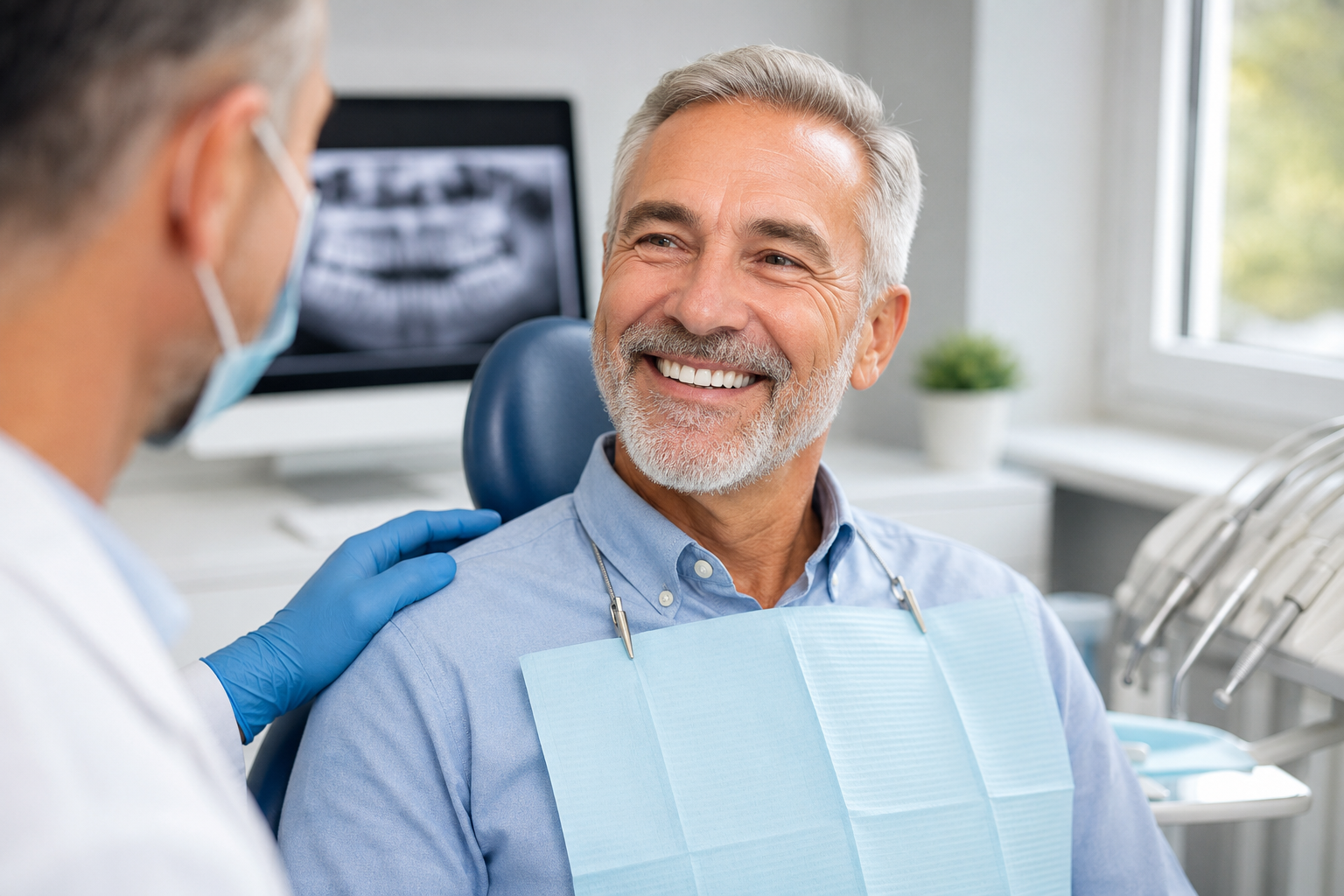
Explore these evidence-based guides to better understand oral probiotics, daily prevention, and long-term oral health.
Discover practical strategies for healthy gums, fresh breath, oral microbiome balance, nutrition, prevention, and lifelong dental wellness.
Explore the Complete Guide →Learn why oral bacteria, biofilm, gum health, and targeted probiotic strains are receiving growing attention in modern dental research.
Review the Evidence →Build a practical routine involving brushing, flossing, tongue cleaning, hydration, nutrition, sleep, and regular professional dental care.
Improve Your Daily Routine →Aging does not automatically cause tooth loss or poor oral health. However, the years after 50 often bring a combination of biological changes, medication use, previous dental work, chronic health conditions, and lifestyle factors that can make teeth and gums more vulnerable.
These changes usually develop gradually. Because early symptoms may appear minor, adults sometimes delay professional care until sensitivity, bleeding gums, chewing discomfort, or persistent dry mouth begins affecting daily life. Understanding what is happening inside the mouth makes prevention easier and helps people recognize when they should contact a dentist.
Saliva helps wash away food particles, control acids, support swallowing, and protect tooth surfaces. Dry mouth is not considered a normal or unavoidable consequence of aging, but it becomes more common because many adults use medications or live with conditions that reduce saliva flow. When the mouth remains dry, plaque can accumulate more easily and the risk of decay, discomfort, altered taste, and bad breath may increase.
Gums can gradually pull away from the teeth because of periodontal disease, aggressive brushing, long-term plaque exposure, or natural tissue changes. Recession exposes root surfaces that are softer than enamel. These areas may become sensitive and more vulnerable to root cavities, especially when dry mouth or inconsistent brushing is present.
The jawbone continuously remodels throughout life. Periodontal inflammation can damage the tissues and bone supporting the teeth. General bone loss does not guarantee dental problems, but reduced support around a tooth can become serious when gum disease remains untreated. Regular examinations allow a dentist to monitor changes before mobility or tooth loss develops.
Aging can influence immune regulation and the body's response to inflammation. This may make it more difficult to control chronic bacterial challenges around the gumline. Diabetes, smoking, inadequate nutrition, stress, and poor sleep can add to this burden, making preventive care particularly important after 50.
The mouth contains a diverse community of bacteria, fungi, viruses, and other microorganisms. Many are harmless or helpful, while others may contribute to decay, gum inflammation, or odor when the ecosystem becomes disrupted. Saliva changes, medications, diet, smoking, dentures, and oral hygiene can all influence this microbial balance.
Decades of chewing, grinding, acidic foods, reflux, and brushing pressure may gradually wear tooth surfaces. Existing fillings, crowns, and bridges can also weaken or develop small gaps over time. Tooth wear is not always painful, but it may change the bite, expose sensitive layers, or increase the need for restorative care.
Oral health challenges after 50 rarely have one single cause. They commonly develop through a combination of bacterial plaque, reduced saliva, accumulated dental wear, medication side effects, health conditions, and delayed treatment. The following concerns deserve particular attention.
Gingivitis may cause redness, swelling, tenderness, or bleeding during brushing. Without effective plaque control and professional treatment, the inflammation can progress to periodontitis, affecting the tissues and bone that support the teeth. Gum disease may advance quietly, so the absence of pain does not always mean the gums are healthy.
Persistent dryness can make speaking, chewing, swallowing, and wearing dentures uncomfortable. It may also allow acids and bacteria to remain in contact with teeth for longer periods. People experiencing frequent dry mouth should discuss their medications and symptoms with a dentist or physician rather than simply accepting the condition as part of aging.
Occasional morning breath is common, but persistent odor may be associated with tongue coating, dry mouth, gum disease, poorly cleaned dentures, untreated decay, or other health concerns. Mouthwash may temporarily mask the odor, but lasting improvement depends on identifying and addressing its cause.
Exposed roots, worn enamel, cracked teeth, grinding, decay, or failing dental restorations may cause sensitivity to cold, heat, sweetness, or brushing. Because sensitivity has several possible causes, an examination is more reliable than trying to manage recurring symptoms without a diagnosis.
Fillings and crowns do not last forever. Over time, margins may wear, fracture, or develop small spaces where plaque collects. Decay can form around or underneath older restorations and may not be easily visible at home. Routine dental examinations and appropriate imaging can help identify these problems earlier.
Tooth loss is not an inevitable result of growing older. It is more commonly associated with untreated decay, advanced periodontal disease, trauma, or delayed care. Preserving natural teeth supports chewing, speech, confidence, and dietary variety. When a tooth cannot be saved, timely replacement may help maintain function and reduce additional complications.
Preventive care becomes increasingly valuable after 50 because small problems can become more complex when several risk factors occur together. A minor area of gum recession, for example, may become more vulnerable when combined with dry mouth, frequent snacking, or an older filling.
Effective prevention includes brushing twice daily with fluoride toothpaste, cleaning between the teeth, gently cleaning the tongue, drinking adequate water, limiting frequent sugar exposure, avoiding tobacco, and attending dental visits based on individual risk. Denture and implant users also need personalized cleaning instructions and regular evaluation of the surrounding tissues.
National oral health data show that tooth decay and periodontal disease remain common among middle-aged and older adults. Research also indicates that periodontal problems, root cavities, dry mouth, tooth loss, and chewing difficulties can affect nutrition, comfort, communication, and quality of life.
Recent studies have also examined how the oral microbiome changes during aging. Findings suggest that age, health status, medication use, saliva, inflammation, diet, and oral hygiene may influence microbial composition. However, researchers are still determining which changes are caused by aging itself and which are linked to disease, lifestyle, or other factors.
The strongest practical conclusion remains clear: early identification, consistent hygiene, fluoride exposure, professional treatment, and control of personal risk factors provide a more reliable foundation than waiting for pain or visible damage.
| Oral Health Area | Healthy Aging With Prevention | Aging Without Consistent Prevention |
|---|---|---|
| Gums | Plaque is controlled and changes are identified early. | Bleeding, recession, inflammation, and bone loss may progress unnoticed. |
| Saliva | Dry-mouth causes are evaluated and managed professionally. | Persistent dryness may increase discomfort, decay, and bad breath. |
| Teeth and Roots | Fluoride, careful brushing, and monitoring help protect exposed areas. | Root decay and sensitivity may develop around recessed gums. |
| Dental Restorations | Fillings, crowns, bridges, and implants are checked regularly. | Wear, fractures, or hidden decay may remain untreated. |
| Oral Microbiome | Hygiene, saliva, diet, and professional care support a stable environment. | Plaque buildup and dry mouth may favor less healthy microbial conditions. |
| Long-Term Outcome | Greater opportunity to retain natural teeth and comfortable function. | Higher likelihood of emergency treatment, chewing difficulty, or tooth loss. |
Explore these practical and evidence-focused guides covering the oral microbiome, gum health, bad breath, tooth sensitivity, oral probiotics, and daily prevention.
Learn how bacteria, saliva, biofilm, diet, medications, and daily habits influence the microbial environment inside your mouth.
Explore the Microbiome →Build a practical routine involving brushing, flossing, tongue cleaning, hydration, nutrition, and consistent professional care.
Build a Better Routine →Discover common warning signs such as bleeding, swelling, recession, persistent odor, tenderness, and changes around the gumline.
Recognize the Warning Signs →Understand how tongue coating, dry mouth, gum disease, diet, smoking, dental problems, and oral bacteria may contribute to persistent odor.
Discover the Causes →Learn why exposed roots, enamel wear, grinding, decay, cracks, and aging restorations may cause discomfort with hot or cold foods.
Understand Sensitivity →Review how oral probiotic strains are being studied for microbial balance, gum support, plaque control, and fresher breath.
Review the Research →Explore practical strategies for controlling plaque, protecting exposed roots, managing dry mouth, and supporting aging gum tissue.
Protect Your Gums →Access the complete EnergyFix40 resource covering healthy gums, fresh breath, strong teeth, nutrition, oral probiotics, the oral microbiome, preventive habits, and scientific evidence.
Open the Complete Guide →The oral microbiome is the community of microorganisms living on the teeth, tongue, gums, cheeks, and other surfaces of the mouth. It includes hundreds of bacterial species as well as fungi, viruses, and other microorganisms. Many are neutral or beneficial, while others can contribute to tooth decay, gum inflammation, or unpleasant breath when conditions allow them to grow excessively.
After 50, the oral environment may be influenced by reduced saliva, medication use, chronic health conditions, dentures, dietary changes, smoking, and difficulty cleaning certain areas. These factors can alter biofilm formation and microbial balance. Aging itself is only one part of the picture; personal health, hygiene, nutrition, and dental history may be equally important.
Supporting a healthy oral ecosystem does not mean attempting to eliminate every bacterium. The practical goal is to control harmful plaque while preserving the protective functions of saliva and maintaining healthy teeth and gums through consistent care.
Food affects oral health in several ways. It supplies nutrients needed for bones and soft tissues, influences saliva, and determines how frequently teeth are exposed to fermentable carbohydrates and acids. No single food, vitamin, or mineral can prevent every dental problem, but a varied diet can support the tissues that make comfortable chewing and healthy aging possible.
Calcium is essential for maintaining bones and mineralized tissues. Dairy foods, fortified alternatives, leafy greens, and certain fish can contribute to daily intake. Calcium supports the body, but it does not rebuild cavities or replace fluoride and professional dental treatment.
Vitamin D assists calcium and phosphate regulation. Low vitamin D status has been examined in relation to oral health, although observational associations do not prove that supplementation prevents cavities or gum disease. Testing and supplementation should follow professional medical guidance.
Vitamin C contributes to normal collagen formation and connective-tissue maintenance. Fruits and vegetables can provide vitamin C along with other nutrients. Frequent exposure to highly acidic drinks, however, may contribute to enamel erosion, so timing and frequency matter.
Magnesium participates in bone metabolism and many cellular processes. Nuts, seeds, legumes, whole grains, and leafy vegetables are common dietary sources. It is best viewed as part of overall nutrition rather than a standalone dental treatment.
Fiber-rich foods support a varied diet and often require more chewing, which may stimulate saliva. Vegetables, fruits, legumes, and whole grains also provide micronutrients. They do not mechanically replace brushing or cleaning between the teeth.
Water supports hydration and helps rinse food particles from the mouth. This is especially valuable for people experiencing dryness. Water does not treat the underlying cause of persistent dry mouth, which should be evaluated by a dentist or healthcare professional.
Smoking is a major modifiable risk factor for periodontal disease, delayed healing, tooth loss, and oral cancer. It can also mask visible gum bleeding, making disease appear less obvious. Stopping tobacco use benefits both oral and general health.
Frequent or heavy alcohol consumption may contribute to dehydration, dryness, nutritional problems, and increased oral-cancer risk, particularly when combined with tobacco. Sugary or acidic alcoholic drinks may also expose teeth to additional sugar and acid.
Quality sleep supports immune regulation and healthy daily routines. Mouth breathing, snoring, or sleep-related dryness can leave the mouth uncomfortable in the morning. Persistent symptoms deserve professional assessment rather than self-diagnosis.
Regular physical activity supports general health and may help people manage conditions that also affect oral health. Exercise does not directly remove plaque, so it should complement rather than replace brushing, interdental cleaning, and dental visits.
Ongoing stress may disrupt sleep, change eating patterns, reduce attention to hygiene, and contribute to clenching or grinding. Stress management cannot cure dental disease, but it can support more consistent self-care and reduce behavior-related risks.
A simple, repeatable routine is usually more valuable than an overly complicated plan that is difficult to maintain.
Oral probiotics contain selected microorganisms intended to interact with the microbial environment of the mouth. Researchers have studied certain strains for possible effects on plaque-related bacteria, gum inflammation, cavities, and oral malodor.
Some clinical trials and systematic reviews report short-term improvements in selected measures, such as bacterial counts, gum indicators, or breath-related compounds. However, results are not consistent across every study. Benefits may depend on the exact strain, dose, delivery format, treatment duration, participant health, and whether standard oral hygiene continues.
An oral probiotic should therefore be viewed as a possible addition to a complete routine—not as a replacement for fluoride toothpaste, flossing, professional cleaning, periodontal treatment, or care for decay and dry mouth. Product claims should also be evaluated cautiously because findings from one strain cannot automatically be applied to every probiotic.
Current research supports a broad preventive approach. Saliva protects oral tissues and helps control acids and microorganisms; reduced salivary flow increases vulnerability to decay, sensitivity, and infection. Studies also show that aging, medication use, diet, smoking, disease status, and hygiene can influence the oral microbiome. These findings emphasize that oral health is shaped by multiple interacting factors rather than by a single nutrient or supplement.
| Strategy | Potential Role | Evidence Perspective | Important Limitation |
|---|---|---|---|
| Fluoride Toothpaste | Helps strengthen tooth surfaces and reduce cavity risk. | Established | Must be combined with effective brushing and risk-based dental care. |
| Interdental Cleaning | Removes plaque from areas a toothbrush may not reach effectively. | Core Prevention | The best device depends on spacing, dexterity, implants, and dental work. |
| Balanced Nutrition | Supports bones, connective tissues, saliva, and general health. | Supportive | No food or vitamin can independently prevent every oral disease. |
| Water and Hydration | Supports moisture and helps rinse food particles from the mouth. | Supportive | Hydration alone does not treat medication-related or gland-related dry mouth. |
| Smoking Cessation | Reduces an important risk factor for gum disease and oral cancer. | Strongly Supported | Existing disease may still require professional treatment. |
| Oral Probiotics | May influence selected bacteria, gum indicators, or breath measures. | Emerging | Results vary by strain, condition, dosage, study design, and duration. |
Compare two popular oral wellness supplements designed to complement brushing, flossing, tongue cleaning, healthy nutrition, and regular professional dental care.
Explore a chewable oral supplement positioned around probiotic support and the oral microbiome as part of a consistent daily routine.
Opens the product presentation page in a new tab.
Explore an alternative oral wellness formula intended to complement everyday hygiene and broader healthy lifestyle habits.
Opens the product presentation page in a new tab.
Individual experiences may differ. Oral supplements are not intended to diagnose, treat, cure, or prevent disease. Continue brushing with fluoride toothpaste, cleaning between your teeth, and visiting a qualified dentist.
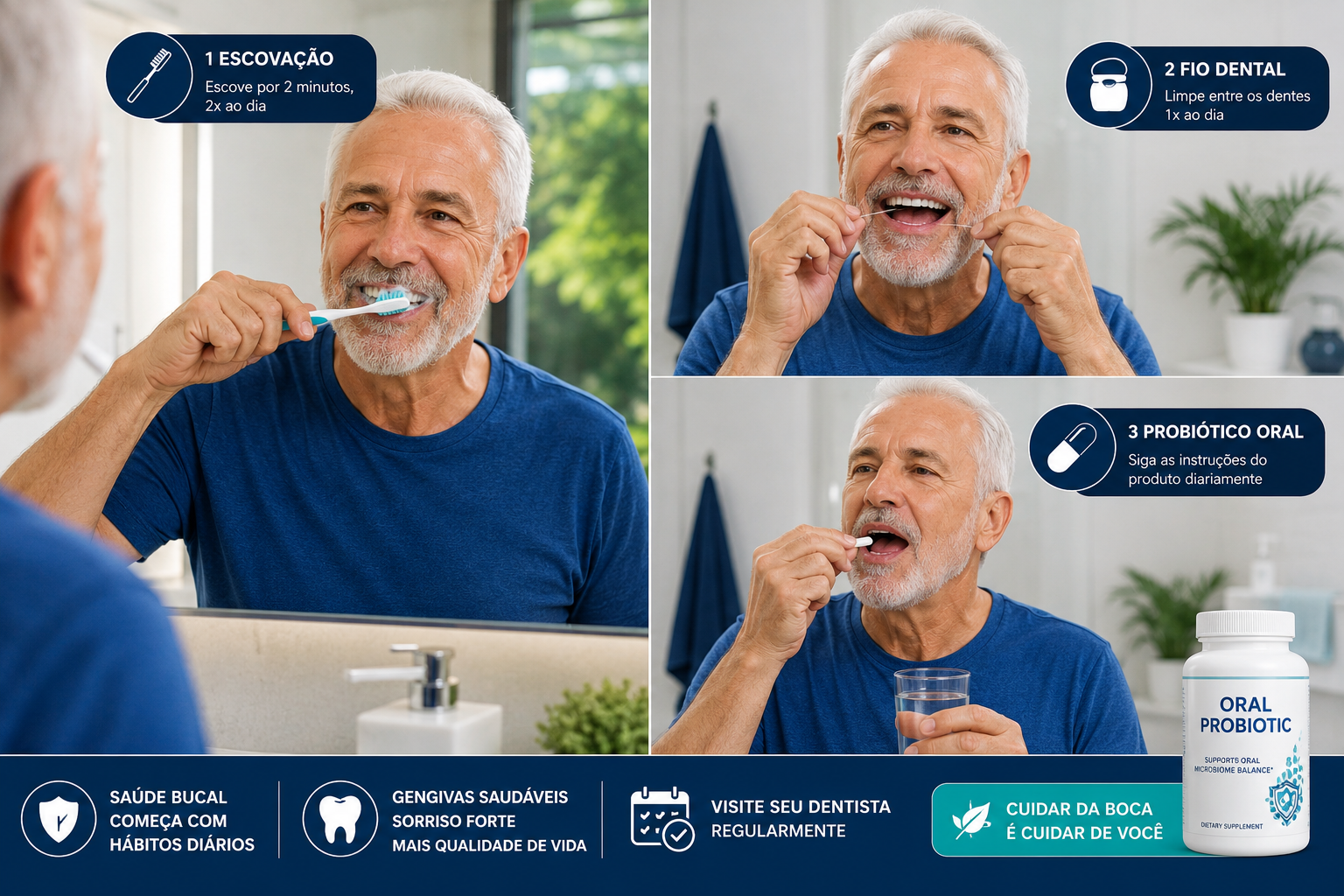
Research into oral probiotics has expanded as scientists investigate how selected microorganisms may interact with dental plaque, saliva, the tongue coating, periodontal tissues, and odor-producing bacteria. Recent studies are encouraging in several areas, but the findings remain more supportive than conclusive.
Systematic reviews published in 2024 and 2025 report that certain probiotic strains may reduce selected periodontal indicators, volatile sulfur compounds associated with bad breath, and levels of some potentially harmful oral bacteria. However, the studies use different strains, dosages, delivery systems, treatment periods, and participant groups, making direct comparisons difficult.
This means that a positive result involving one specific strain or lozenge should not automatically be applied to every product labeled as an oral probiotic. Longer and better-standardized clinical trials are still needed to establish which strains work best, who benefits most, and how long any effect lasts after use stops.
A critical evaluation of probiotic strains found potential activity against organisms associated with cavities, gum problems, and halitosis. It also warned that many commercial formulas contain strains without strong oral-health documentation.
A meta-analysis examining probiotics as an addition to periodontal care reported possible improvements in selected clinical measurements. Probiotics were evaluated as adjuncts to established treatment—not as a replacement for professional cleaning or periodontal therapy.
Recent evidence suggests that some probiotics may temporarily reduce odor-related sulfur compounds and improve breath measurements. Persistent bad breath still requires evaluation for gum disease, dry mouth, decay, tongue coating, or medical causes.
Oral probiotics are designed to deliver selected live microorganisms to the mouth, often through lozenges, chewable tablets, gums, or dissolving products. Unlike broad antimicrobial approaches that attempt to suppress many bacteria, probiotics are intended to influence microbial competition and support a more balanced environment.
Research has examined strains from groups such as Lactobacillus, Bifidobacterium, Streptococcus salivarius, and Weissella cibaria. Some trials report reductions in certain periodontal pathogens, plaque indicators, inflammatory measurements, or breath-related compounds. Nevertheless, results vary considerably, and evidence for long-term cavity prevention or permanent microbiome changes remains limited.
The most reasonable interpretation is that selected oral probiotics may offer additional support for some users when combined with proven care. They should not be presented as cures, and people with active dental disease should obtain a diagnosis instead of relying on a supplement to control symptoms.
The following groups may have reasons to discuss a more personalized preventive plan with a dentist. This does not mean every person in these groups needs an oral probiotic or will experience the same results.
Recession, older restorations, medication use, reduced dexterity, and accumulated dental wear may increase preventive needs.
Dentures can retain plaque and microorganisms. Daily appliance cleaning and professional evaluation remain essential for tissue health.
Reduced saliva can increase discomfort, odor, and cavity risk. Probiotics do not restore saliva or correct the underlying cause.
Mild inflammatory indicators may respond to improved hygiene and professional care. Advanced disease requires periodontal treatment.
Selected probiotics may help some odor measurements, but persistent symptoms should be investigated rather than repeatedly masked.
Smoking raises the risk of periodontal disease, tooth loss, delayed healing, and oral cancer. No probiotic can offset these risks.
Diabetes and periodontal health can influence one another. Consistent medical control and professional dental monitoring are especially important.
Many medications can affect saliva or oral tissues. Never stop or change a prescribed medication without consulting the prescribing professional.
Supplements provide little value when the foundations of oral care are missing. Use this checklist to strengthen the parts of the routine with the most established preventive value.
Explore the official ProDentim presentation to review the formula, ingredients, usage information, current package options, and product details before deciding whether it fits your oral wellness routine.
Opens the official product presentation page in a new tab.
ProDentim is a dietary supplement and does not replace brushing with fluoride toothpaste, interdental cleaning, professional dental examinations, or treatment for existing oral health conditions. Individual results may vary.

Clear, evidence-focused answers about dry mouth, gum recession, cavities, nutrition, medications, oral probiotics, dental visits, and healthy aging.
Aging does not automatically cause poor oral health, but several risk factors can accumulate over time. These include older fillings and crowns, gum recession, tooth wear, chronic health conditions, medication-related dry mouth, reduced dexterity, smoking history, and difficulty cleaning around bridges, implants, or dentures.
Because some problems develop without immediate pain, regular examinations become increasingly valuable. Early identification may prevent a small cavity, inflamed gum area, or damaged restoration from becoming a more complex problem.
Dry mouth is not considered an inevitable part of normal aging. However, it becomes more common because many adults use medications that reduce saliva. Some health conditions, dehydration, tobacco, alcohol, mouth breathing, radiation treatment, and salivary-gland disorders may also contribute.
Persistent dryness can increase discomfort, bad breath, difficulty swallowing, and cavity risk. A dentist or physician should evaluate the cause. Prescribed medication should never be stopped or changed without guidance from the prescribing professional.
Research suggests that certain probiotic strains may temporarily influence oral bacteria, breath-related compounds, plaque, or selected gum-health measurements. The results depend on the specific strain, dose, delivery method, duration, and health condition being studied.
Oral probiotics should be viewed as an optional complement rather than a treatment or cure. They cannot replace fluoride toothpaste, interdental cleaning, professional treatment, or evaluation of persistent symptoms.
Receded gum tissue generally does not grow back on its own. However, further recession may sometimes be slowed by treating gum disease, improving brushing technique, controlling grinding, and addressing other contributing factors.
Treatment depends on the cause and severity. Options may include professional cleaning, sensitivity management, periodontal treatment, restorative protection, or gum-grafting procedures. A dentist or periodontist can determine the most appropriate approach.
Cavities may become more likely when gums recede and expose root surfaces, which are less resistant to decay than enamel. Reduced saliva, frequent sugar exposure, difficulty cleaning, and gaps around older fillings or crowns can further increase risk.
Fluoride toothpaste, appropriate interdental cleaning, dry-mouth management, balanced nutrition, and risk-based dental care can help. Some patients may also benefit from professionally recommended high-fluoride products or other preventive measures.
There is no single examination schedule that is ideal for everyone. The appropriate interval depends on cavity risk, gum health, dry mouth, smoking, diabetes, dentures, implants, previous dental treatment, home care, and other individual factors.
Some adults may be advised to attend every six months, while people with active periodontal disease or higher risk may need more frequent monitoring. A dentist should establish the schedule after evaluating the patient's oral and general health.
Yes. A varied diet supplies protein, calcium, vitamin D, vitamin C, magnesium, fiber, and other nutrients that support bones and soft tissues. Water also supports hydration and helps rinse food particles from the mouth.
Frequency is important. Repeated sugary snacks and acidic drinks can expose teeth to frequent acid attacks. No food, vitamin, or supplement can replace brushing, fluoride, interdental cleaning, or necessary dental treatment.
Yes. Many prescription and nonprescription medicines can reduce saliva or change the way the mouth feels. Taking several medications may increase the likelihood or severity of dry-mouth symptoms.
A doctor or dentist may review the medication list and recommend hydration strategies, saliva substitutes, sugar-free products, additional fluoride, or other measures. Medication changes should only be made by an appropriately qualified professional.
A reliable routine generally includes brushing twice daily for about two minutes with fluoride toothpaste, cleaning between the teeth every day, and gently cleaning the tongue. Dentures and removable appliances should be cleaned separately according to professional instructions.
Drinking water, limiting frequent sugar exposure, avoiding tobacco, eating a balanced diet, and monitoring unusual changes also matter. The best toothbrush, flossing device, or specialized product depends on dexterity, spacing, sensitivity, implants, and existing dental work.
Control plaque consistently by brushing gently along the gumline and cleaning between the teeth every day. Avoid tobacco, manage diabetes with medical guidance, eat a balanced diet, and attend professional cleanings and examinations according to your risk.
Bleeding, swelling, persistent bad breath, recession, pus, changes in the bite, or loose teeth should not be ignored. Gingivitis may improve when plaque and inflammation are controlled, while periodontitis usually requires professional management to slow further damage.
Maintaining good oral health after the age of 50 often requires greater attention than earlier in life—not because aging inevitably leads to dental disease, but because several biological and lifestyle factors may gradually increase oral health risks. Changes in saliva production, long-term medication use, gum recession, accumulated dental restorations, natural tooth wear, and shifts in the oral microbiome can all influence the health of teeth and gums over time.
Current scientific evidence consistently supports preventive care as the most effective long-term strategy. Daily plaque control, early diagnosis of dental problems, adequate fluoride exposure, healthy nutrition, smoking cessation, and regular professional dental care remain the foundations of healthy aging. These recommendations continue to be supported by decades of clinical research.
Interest in oral probiotics has also grown substantially in recent years. Several clinical studies suggest that selected probiotic strains may contribute to improvements in certain markers related to oral microbiome balance, gum health, and bad breath when used alongside established oral hygiene practices. However, research is still evolving, and findings vary considerably depending on the specific probiotic strains, dosage, study design, and treatment duration. More high-quality clinical trials are needed before definitive conclusions can be drawn.
For this reason, it is important to maintain realistic expectations regarding dietary supplements. Products marketed for oral wellness should never be viewed as substitutes for brushing, flossing, fluoride toothpaste, periodontal treatment, or routine dental examinations. Instead, they may be considered complementary options within a broader preventive strategy when appropriate for an individual's needs.
Ultimately, healthy aging is supported by consistent daily habits rather than a single product or intervention. Small preventive actions performed every day often have a greater long-term impact than waiting until problems become painful or difficult to treat. By combining evidence-based oral hygiene, healthy lifestyle choices, balanced nutrition, and regular professional care, many adults can maintain healthy teeth, comfortable gums, and a confident smile well into later life.
Explore our comprehensive guide covering the oral microbiome, healthy gums, fresh breath, oral probiotics, nutrition, daily routines, and the latest scientific evidence to help you make informed decisions about your long-term oral health.
Read the Ultimate Oral Health Guide →Continue learning about oral probiotics, preventive habits, the oral microbiome, healthy gums, fresh breath, and long-term oral wellness.
Explore the complete EnergyFix40 resource covering healthy gums, strong teeth, fresh breath, nutrition, daily hygiene, oral probiotics, the oral microbiome, and preventive care.
Open the Complete Guide →Learn why dental researchers are studying probiotic strains, biofilm, microbial balance, gum health, plaque, and breath-related bacteria.
Review the Research →Build a practical routine involving brushing, interdental cleaning, tongue care, hydration, nutrition, sleep, and regular dental visits.
Improve Your Routine →Understand how saliva, diet, biofilm, medications, smoking, aging, beneficial bacteria, and harmful bacteria interact inside the mouth.
Explore the Microbiome →If you're interested in learning more about one of today's most popular oral probiotic supplements, explore the official ProDentim presentation to review its ingredients, current package options, and recommended daily use. It is designed to complement—never replace—good oral hygiene and regular dental care.
Explore ProDentim Official Website→This article is based on recommendations from leading public health organizations and peer-reviewed scientific literature covering healthy aging, oral microbiome research, oral probiotics, xerostomia, dental biofilms, periodontal health, caries prevention, halitosis, and preventive dentistry.
View all


June 17, 2026 | by By EnergyFix40 Editorial Team
July 19, 2026 | by By EnergyFix40 Editorial Team
July 18, 2026 | by By EnergyFix40 Editorial Team