Early Signs of Gum Disease You Should Never Ignore
June 5, 2026 | by By EnergyFix40 Editorial Team

Early Signs of Gum Disease You Should Never Ignore
Bleeding gums, persistent bad breath, swelling, sensitivity, or gum recession may seem small at first — but they can be early warning signs that your oral health needs attention now.
Discover how daily habits, oral bacteria, plaque buildup, gum inflammation, and the oral microbiome may influence long-term gum health — and why early action matters.
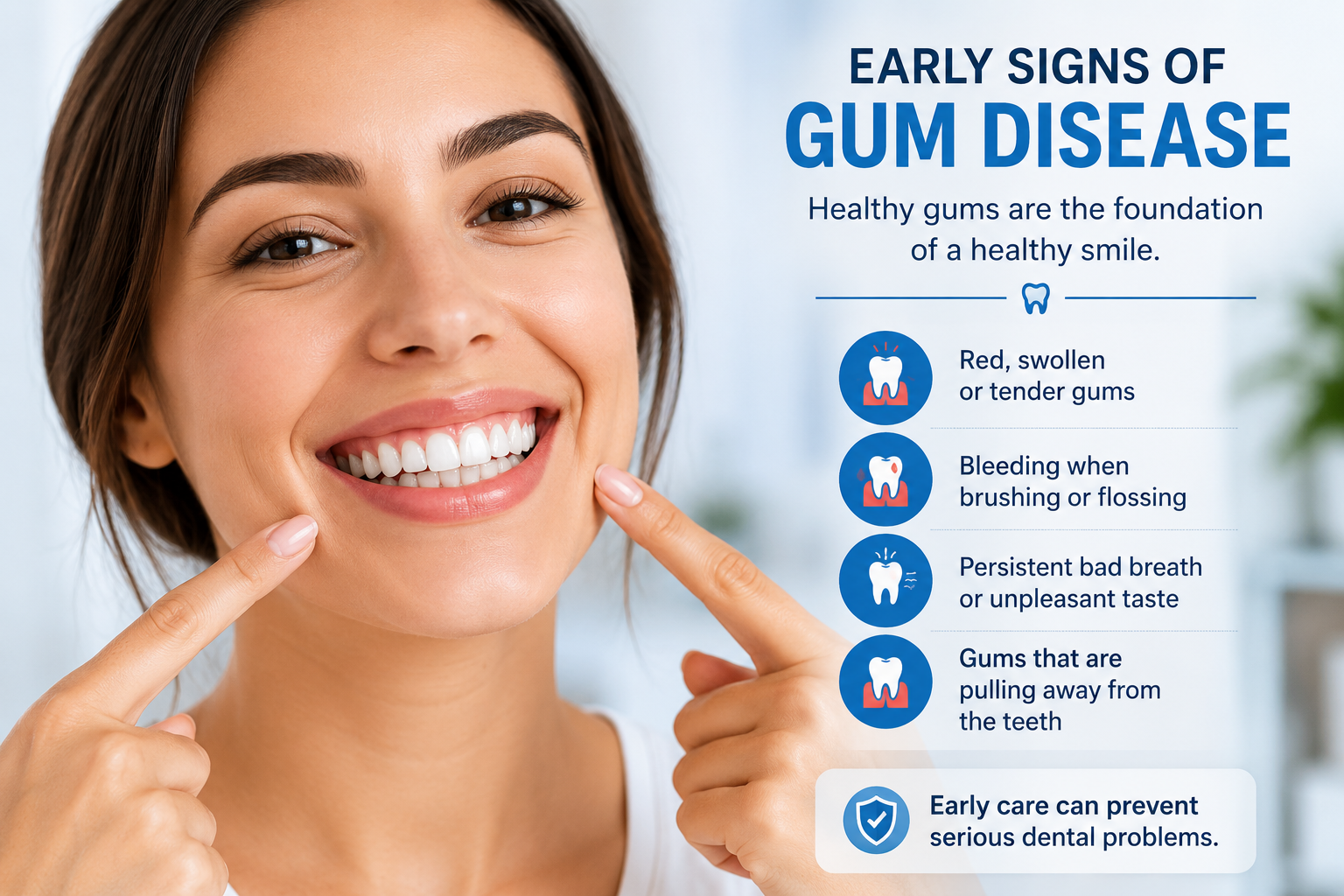
Gum disease often begins quietly. Many people notice a little blood while brushing, mild swelling, or occasional bad breath and assume it is nothing serious. But these early signs can be the body’s way of warning that plaque, oral bacteria, and inflammation are beginning to affect the gumline.
The problem is that gum disease can progress gradually. In the early stage, known as gingivitis, symptoms may be mild and easy to ignore. However, when inflammation continues for too long, it may develop into more advanced periodontal problems that can affect gum tissue, tooth support, and long-term oral health.
Article Navigation
What Is Gum Disease?
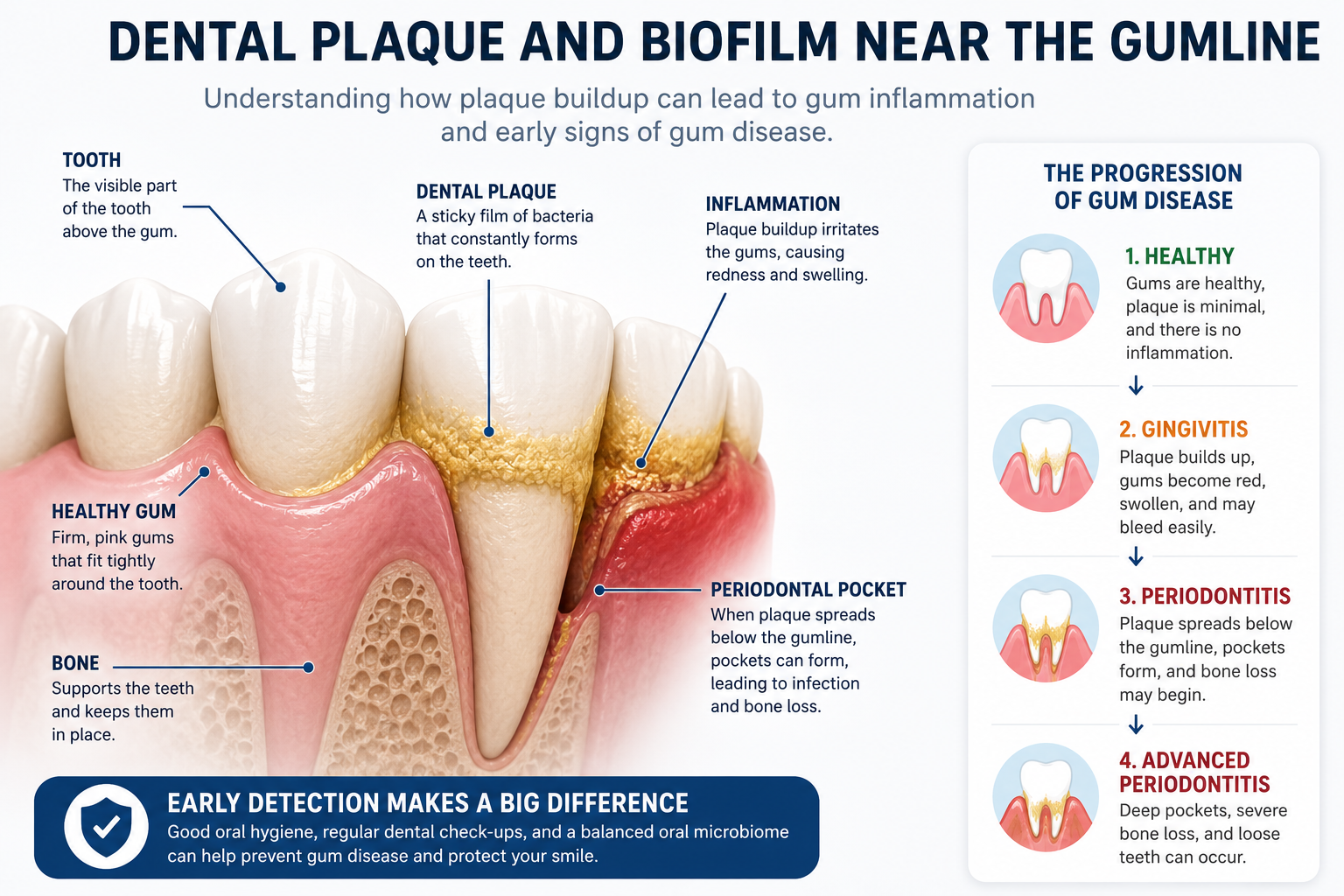
Gum disease is a condition that affects the tissues surrounding the teeth. It usually begins when plaque builds up along the gumline. Plaque is a sticky film that contains bacteria. When it is not removed properly through brushing, flossing, and professional dental care, it can irritate the gums and trigger inflammation.
In the beginning, gum disease may appear as redness, bleeding, tenderness, or mild swelling. These symptoms are often linked to gingivitis, the early and more reversible stage of gum inflammation. At this point, improving oral hygiene and paying closer attention to the oral microbiome may help support healthier gums.
If ignored, inflammation may continue deeper below the gumline. Over time, this may contribute to gum recession, loose teeth, discomfort while chewing, and more serious periodontal concerns. That is why recognizing early warning signs is so important.
Why Early Signs Should Never Be Ignored
One of the biggest mistakes people make is waiting until gum problems become painful. Healthy gums should not bleed regularly. They should not feel constantly swollen, look dark red, or pull away from the teeth. When these signs appear, they deserve attention.
Early gum symptoms are important because they often appear before major damage occurs. They give you a chance to improve your daily routine, reduce plaque buildup, support a healthier bacterial balance, and speak with a dental professional before the condition progresses.
Important Reminder
This article is for educational purposes only. If you have frequent bleeding, pain, swelling, loose teeth, or signs of infection, consult a qualified dentist or healthcare professional.
1. Bleeding Gums While Brushing or Flossing
Bleeding gums are one of the most common early signs of gum disease. Many people think bleeding is normal, especially when brushing harder or flossing after a long time. But frequent bleeding usually means the gum tissue is irritated.
This irritation often happens when plaque collects near the gumline. Harmful oral bacteria can produce compounds that inflame the surrounding tissue. As the gums become more sensitive, they may bleed more easily during normal brushing or flossing.
2. Persistent Bad Breath
Occasional bad breath can happen after eating certain foods or waking up in the morning. But persistent bad breath may be connected to bacterial buildup, tongue coating, dry mouth, or gum inflammation.
When harmful bacteria grow around the gums and between teeth, they may release unpleasant-smelling compounds. Mouthwash may temporarily cover the odor, but it may not solve the deeper issue if plaque, biofilm, or gum inflammation remain untreated.
3. Swollen, Red, or Tender Gums
Healthy gums usually look firm and pink. When gums become swollen, dark red, shiny, or tender, it may be a sign of inflammation. This inflammation can make brushing uncomfortable and may cause people to clean less thoroughly, which allows more plaque to build up.
Tender gums should not be ignored, especially if the discomfort continues for several days. The earlier you identify the cause, the easier it may be to support healthier gum tissue and prevent the problem from becoming more serious.
The Oral Microbiome Connection
Your mouth contains a complex community of bacteria known as the oral microbiome. Some bacteria help maintain balance, while others may contribute to plaque, bad breath, tooth decay, and gum inflammation when they grow too much.
Supporting gum health is not only about brushing harder. It is also about creating a cleaner, more balanced oral environment. Daily habits such as brushing, flossing, cleaning the tongue, staying hydrated, eating nutrient-rich foods, and learning about oral probiotics may all play a role in supporting long-term oral wellness.
Want to Understand the Bigger Picture?
Learn how oral bacteria, probiotics, gum health, fresh breath, and daily habits work together in our complete oral health guide.
Visit the Complete Oral Health GuideContinue Learning About Gum Health
These related guides can help you better understand gum inflammation, oral bacteria, and daily habits that support a healthier mouth.
More Early Signs of Gum Disease You Should Never Ignore
While bleeding gums and persistent bad breath are among the most recognized warning signs of gum disease, they are far from the only ones. As inflammation continues, subtle changes may begin affecting the gum tissue surrounding your teeth. These changes often develop slowly, making them easy to overlook until more noticeable symptoms appear.
Paying attention to these early changes gives you an opportunity to improve your oral hygiene routine and seek professional dental advice before the condition becomes more advanced. Understanding these warning signs can also help you appreciate the important role that the oral microbiome plays in maintaining healthy gums.
4. Gum Recession: When Your Teeth Start Looking Longer
One of the earliest visible signs of gum disease is gum recession. Instead of remaining snug around each tooth, the gum tissue gradually begins pulling away. As a result, more of the tooth surface becomes exposed, making teeth appear longer than they used to.
Gum recession does not always cause pain in its early stages, which is one reason many people ignore it. However, exposed tooth roots are more vulnerable because they are not protected by enamel. This may increase tooth sensitivity and make the area more susceptible to plaque accumulation.
Receding gums may develop due to several factors, including chronic plaque buildup, aggressive brushing techniques, tobacco use, genetics, teeth grinding, or untreated gingivitis. Identifying the underlying cause early may help reduce further damage and support healthier gum tissue over time.
Gum tissue does not always grow back naturally once significant recession has occurred. This is one reason why recognizing early symptoms and practicing preventive oral care is so important.
5. Sensitive Teeth Near the Gumline
Tooth sensitivity is commonly associated with enamel wear, but gum disease can also contribute. When gums begin receding, the tooth roots become exposed to hot, cold, sweet, or acidic foods. Because these root surfaces lack the protective enamel found on the crown of the tooth, they are naturally more sensitive.
Some individuals notice a brief sharp sensation when drinking iced beverages or consuming hot coffee. Others experience discomfort while brushing near the gumline. Although occasional sensitivity has many possible causes, persistent sensitivity combined with bleeding gums or swelling deserves professional evaluation.
Supporting healthy gums through consistent brushing, flossing, tongue cleaning, adequate hydration, and regular dental checkups may help reduce the factors that contribute to gum irritation.
6. Pain or Discomfort While Chewing
Healthy gums should comfortably support normal chewing. If chewing begins to feel uncomfortable or painful, inflammation around the teeth could be contributing. Swollen gum tissue may become more sensitive when pressure is applied during meals.
Pain while chewing does not automatically indicate severe periodontal disease, but it should never be ignored. Tooth decay, cracked teeth, infections, or gum inflammation may all produce similar symptoms. A dental examination is the best way to determine the underlying cause.
Early treatment often focuses on removing plaque and tartar, improving daily oral hygiene, and addressing inflammation before more extensive damage develops.
Understanding Plaque and Dental Biofilm
To understand why gum disease develops, it is important to understand the difference between plaque and biofilm. Dental plaque is a soft, sticky layer that constantly forms on the surface of teeth. It contains millions of microorganisms living together in a highly organized structure called a biofilm.
Scientists describe biofilm as a protective community where bacteria attach to each other and to tooth surfaces. Inside this environment, microorganisms communicate, exchange nutrients, and become more resistant to external factors than free-floating bacteria. This makes mature plaque more difficult to remove without proper brushing, flossing, and professional dental cleanings.
In a healthy mouth, beneficial bacteria help maintain balance within the oral microbiome. However, when plaque remains undisturbed for long periods, harmful bacterial species may become more dominant. These bacteria can release substances that irritate gum tissue and trigger the body's inflammatory response. The inflammation itself—not only the bacteria—contributes to the redness, swelling, tenderness, and bleeding commonly associated with early gum disease.
Understanding this relationship between plaque, biofilm, beneficial bacteria, and inflammation highlights why consistent daily oral hygiene is essential. Regular brushing, flossing, professional dental care, and healthy lifestyle habits all work together to support a balanced oral environment and healthier gums.
Healthy Gums vs Early Gum Disease: Key Differences
| Feature | Healthy Gums | Early Gum Disease Signs |
|---|---|---|
| Color | Pink or coral-toned | Red, dark red, or irritated-looking |
| Bleeding | No regular bleeding | Bleeding while brushing or flossing |
| Texture | Firm and snug around teeth | Swollen, soft, shiny, or tender |
| Breath | Usually fresh with good hygiene | Persistent bad breath or unpleasant taste |
| Gumline | Stable and even | Receding gums or teeth appearing longer |
Why Inflammation Matters in Gum Disease
Gum disease is not only a bacterial problem. It is also an inflammatory response. When plaque and biofilm remain along the gumline, harmful bacteria may irritate the surrounding tissue. In response, the immune system sends inflammatory signals to defend the area.
In the short term, inflammation is part of the body’s natural defense system. But when the irritation continues day after day, the gums may stay swollen, red, tender, and more likely to bleed. Over time, chronic inflammation may weaken the tissues that help keep teeth stable.
Daily Habits That May Reduce Gum Disease Risk
- Brush gently twice a day with a soft-bristled toothbrush.
- Floss daily to remove plaque between teeth.
- Clean your tongue to reduce odor-causing bacteria.
- Drink enough water to support saliva flow.
- Limit frequent sugary snacks and acidic drinks.
- Visit a dentist regularly for professional cleaning and evaluation.
- Learn how oral probiotics and microbiome balance may support oral wellness.
The key is consistency. Gum health is built through small daily actions repeated over time. Brushing harder is not the solution; brushing smarter, flossing properly, and supporting a balanced oral environment are much more effective strategies for long-term protection.
Take the Next Step Toward Healthier Gums
Discover how oral bacteria, gum inflammation, fresh breath, oral probiotics, and daily habits connect inside our complete oral health guide.
Read the Complete Oral Health GuideExpand Your Oral Health Knowledge
Gum disease is only one part of your oral health. Explore these evidence-based guides to learn how oral bacteria, healthy gums, fresh breath, probiotics, and daily habits work together to protect your smile.
Ultimate Oral Health Guide
Discover the complete guide to healthier gums, fresher breath, oral probiotics, and long-term oral wellness.
Can Oral Bacteria Cause Gum Inflammation?
Learn how harmful bacteria contribute to inflammation and why maintaining microbial balance matters.
Common Habits That Damage Your Gum Health
Avoid everyday mistakes that may quietly increase your risk of gum disease and oral inflammation.
How Your Oral Microbiome Protects Teeth
Understand how beneficial bacteria help defend your teeth and gums every day.
The Science Behind Oral Probiotics
Explore current scientific research on oral probiotics and their potential role in supporting gum health.
Why Mouthwash May Not Fix Chronic Bad Breath
Discover why fresh breath depends on more than mouthwash alone and how oral bacteria influence odor.
Best Natural Ways to Support Fresh Breath
Learn practical daily habits that may help support fresher breath naturally.
What Is the Oral Microbiome?
Discover why scientists consider the oral microbiome one of the most important factors in long-term oral health.
What Happens If Early Gum Disease Is Ignored?
Early gum disease may begin with mild symptoms, but ignoring them can allow inflammation to progress. What starts as occasional bleeding, swelling, or bad breath may gradually become deeper irritation below the gumline.
When plaque hardens into tartar, it becomes much harder to remove with brushing alone. This can create an environment where harmful bacteria continue irritating the gums, increasing the risk of gum recession, deeper pockets around teeth, and long-term periodontal concerns.
Gum Pockets: A Warning Sign Many People Miss
Healthy gums fit tightly around the teeth. When inflammation continues, the gum tissue may begin to pull away, creating small spaces called periodontal pockets. These pockets can trap plaque, food particles, and bacteria.
In the early stages, you may not notice pockets yourself. A dentist or hygienist usually measures them during an exam. Deeper pockets may suggest that gum inflammation has advanced and requires professional attention.
Common Signs That Gum Problems May Be Progressing
- Bleeding becomes more frequent.
- Bad breath does not improve with brushing.
- Gums look swollen, shiny, or dark red.
- Teeth appear longer due to gum recession.
- Food gets trapped more often near the gumline.
- Teeth feel slightly loose or different when biting.
The Role of Oral Bacteria in Gum Inflammation
Your mouth naturally contains bacteria. Some are helpful, while others may become harmful when they grow out of balance. Gum disease is often linked to this shift in the oral microbiome.
When harmful bacteria dominate the gumline, they may contribute to plaque buildup and trigger immune responses. The body reacts by sending inflammatory cells to the area. This response is meant to protect you, but when it continues for too long, it can damage the same tissues it is trying to defend.
This is why modern oral health discussions increasingly focus on balance, not just killing bacteria. A healthier oral environment supports beneficial microorganisms while helping reduce the conditions that allow harmful bacteria to thrive.
How Oral Probiotics May Support a Healthier Mouth
Oral probiotics are beneficial bacteria designed to support the mouth’s microbial balance. Unlike gut probiotics, which are usually swallowed, oral probiotics are often formulated to dissolve in the mouth so beneficial strains can interact with the oral environment.
Research into oral probiotics is still developing, but interest has grown because certain bacterial strains may help support fresher breath, a healthier oral microbiome, and better balance around the gums. They should not replace brushing, flossing, dental visits, or professional treatment, but they may be part of a supportive daily routine.
A Balanced Gum Health Routine May Include:
- Gentle brushing with proper technique.
- Daily flossing or interdental cleaning.
- Regular tongue cleaning.
- Hydration to support saliva production.
- Limiting sugar frequency throughout the day.
- Professional cleanings and dental checkups.
- Learning about oral probiotics and microbiome support.
When Should You See a Dentist?
You should consider seeing a dentist if gum bleeding happens regularly, if bad breath does not improve, if gums remain swollen, or if teeth feel sensitive near the gumline. Professional evaluation is especially important if symptoms last more than one or two weeks.
Dental professionals can remove tartar, measure gum pockets, identify early periodontal changes, and recommend the right treatment based on your situation. Waiting too long may make gum problems harder to manage.
Prevention Starts Before Pain Appears
One of the most important lessons about gum disease is that pain is not always the first warning sign. Many early gum problems develop silently. By the time pain becomes obvious, inflammation may already be more advanced.
That is why small symptoms matter. Bleeding, swelling, gum recession, persistent bad breath, and sensitivity near the gumline are all signals worth respecting. Acting early may help protect your gums, teeth, breath, and confidence.
Learn How Gum Health Fits Into Your Complete Oral Wellness Plan
Explore the full connection between oral bacteria, gum inflammation, bad breath, oral probiotics, and daily habits in our complete 2026 oral health guide.
Visit the Complete Oral Health Guide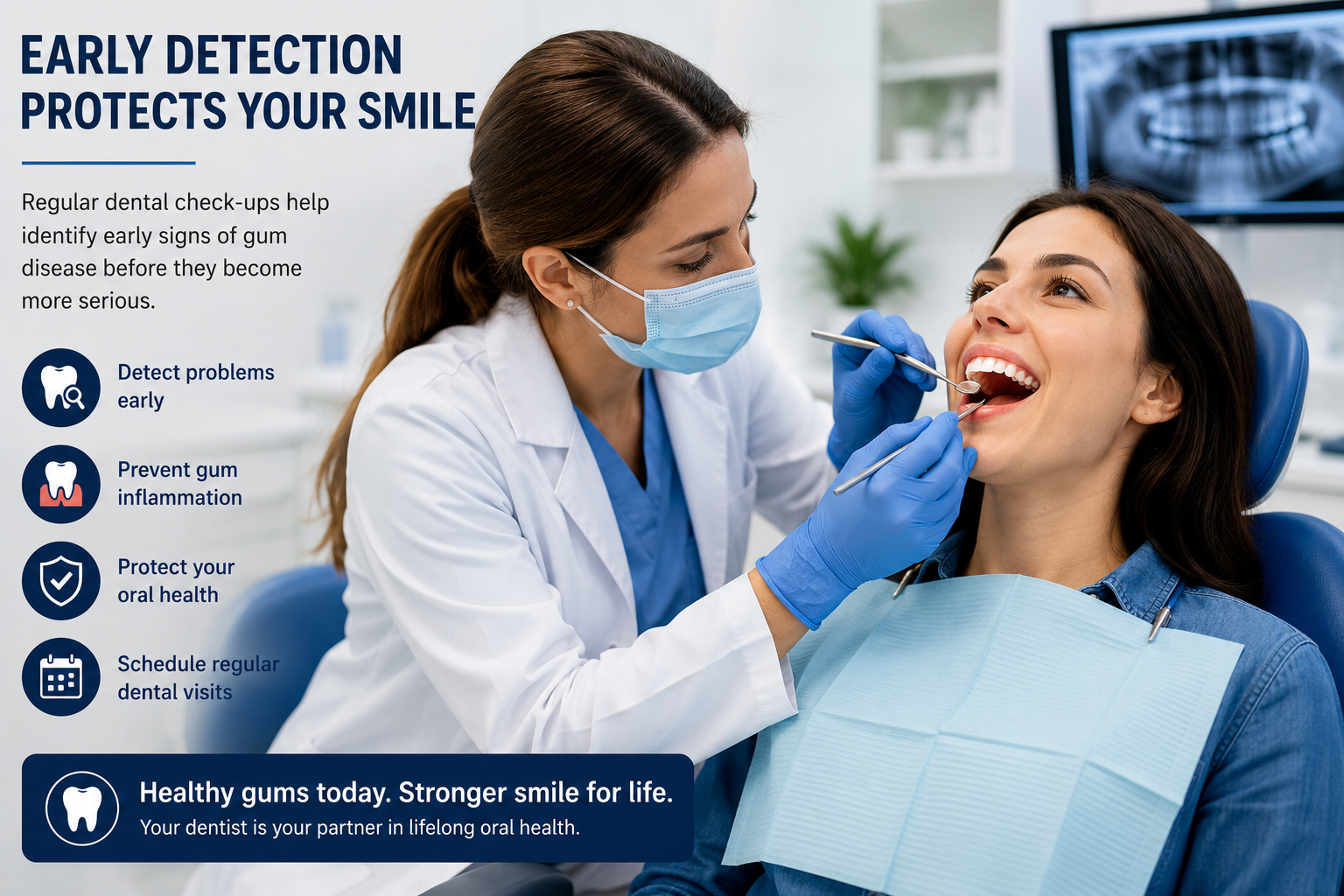
FAQ: Early Signs of Gum Disease
1. What is the first warning sign of gum disease?
One of the earliest signs is bleeding while brushing or flossing. Redness, swelling, tenderness, and persistent bad breath may also appear early.
2. Are bleeding gums normal?
No. Occasional irritation may happen, but frequent gum bleeding is usually a sign that the tissue is inflamed or irritated by plaque buildup.
3. Can bad breath be linked to gum disease?
Yes. Persistent bad breath may be connected to bacterial buildup, tongue coating, dry mouth, or gum inflammation near the gumline.
4. What do swollen gums mean?
Swollen gums often indicate inflammation. This may happen when plaque remains around the teeth and triggers an immune response in the gum tissue.
5. Can gum disease cause teeth to look longer?
Yes. When gums recede, more of the tooth surface becomes visible. This can make teeth appear longer and may increase sensitivity near the gumline.
6. Is early gum disease reversible?
Early gum inflammation, often called gingivitis, may improve with better oral hygiene and professional dental care. More advanced gum disease requires specific dental treatment.
7. How does the oral microbiome affect gum health?
The oral microbiome is the community of bacteria in the mouth. When harmful bacteria dominate, plaque buildup and gum inflammation may become more likely.
8. Can oral probiotics help support gum health?
Oral probiotics may help support microbial balance in the mouth, but they should not replace brushing, flossing, dental cleanings, or professional advice.
9. When should I see a dentist for gum symptoms?
See a dentist if bleeding, swelling, bad breath, gum recession, sensitivity, or chewing discomfort continues for more than one or two weeks.
10. What daily habits support healthier gums?
Brush gently twice daily, floss every day, clean your tongue, stay hydrated, limit sugar frequency, and schedule regular dental checkups.
Conclusion: Do Not Wait for Gum Problems to Become Painful
Early gum disease often starts with signs that seem easy to dismiss: a little bleeding, mild swelling, occasional tenderness, bad breath, or teeth that appear slightly longer than before. But these symptoms may reveal that plaque, biofilm, oral bacteria, and inflammation are already affecting your gumline.
The best time to act is before pain appears. By improving daily hygiene, supporting a balanced oral microbiome, and visiting a dental professional when symptoms persist, you can take smarter steps toward healthier gums and long-term oral wellness.
Continue Learning About Gum Health, Oral Bacteria, and Fresh Breath
Explore the complete guide to oral probiotics, healthy gums, fresh breath, and oral microbiome support.
Read the Complete Oral Health GuideContinue Your Journey Toward Healthier Gums
Healthy gums are built through knowledge and consistent daily habits. Before you leave, explore these carefully selected articles to deepen your understanding of oral bacteria, gum inflammation, fresh breath, and the oral microbiome.
Ultimate Oral Health Guide
Explore our complete pillar guide covering oral probiotics, healthy gums, fresh breath, and evidence-based oral care strategies.
How Your Oral Microbiome Protects Teeth
Learn why maintaining a balanced oral microbiome is one of the most important foundations of lifelong dental health.
The Science Behind Oral Probiotics
Discover what current scientific research says about oral probiotics and how they may support a healthier microbial balance.
Best Natural Ways to Support Fresh Breath
Discover practical habits that may help support fresher breath naturally while promoting healthier gums every day.
Build a healthier smile with trusted educational resources from EnergyFix40.
Read the Complete Oral Health Guide →Support Healthier Gums, Stronger Teeth & Fresher Breath Every Day
If you're looking for an oral probiotic supplement that complements your daily brushing and flossing routine, ProDentim is formulated to support a balanced oral microbiome, healthy gums, strong teeth, and long-lasting fresh breath as part of a consistent oral care routine. Individual results may vary, and it should not replace regular dental care. :contentReference[oaicite:0]{index=0}
Healthy Teeth
Supports everyday oral care alongside brushing and flossing.
Healthy Gums
Designed to help maintain a balanced oral environment.
Fresh Breath
Helps support fresh breath as part of a complete oral hygiene routine.
✔ Easy Daily Routine • ✔ 60-Day Money-Back Guarantee* • ✔ Secure Online Ordering
*Please review the guarantee, pricing, and terms on the seller's website before purchasing. Availability and offers may change over time. :contentReference[oaicite:1]{index=1}
Scientific References
This article is based on information from respected health organizations, peer-reviewed scientific literature, and professional dental associations. For additional information, consult the original sources below.
National Institutes of Health (NIH)
The Association Between Oral Hygiene and Periodontitis
Reviews the relationship between dental plaque, oral hygiene practices, gingivitis, and periodontal disease progression.
PubMed / NCBI Bookshelf
Gingivitis – StatPearls
Comprehensive clinical overview covering causes, symptoms, inflammation, diagnosis, and management of gingivitis.
American Dental Association (ADA)
Oral-Systemic Health
Information about the relationship between oral health, gum disease, inflammation, and overall systemic health.
Mayo Clinic
Periodontitis: Symptoms and Causes
Evidence-based overview describing the warning signs, causes, complications, and prevention of gum disease.
Mayo Clinic
Oral Health: A Window to Your Overall Health
Explains how oral bacteria and chronic inflammation may influence overall health and why preventive dental care matters.
NIH MedlinePlus Magazine
Gum Disease by the Numbers
Educational resource explaining the progression from gingivitis to periodontitis and the importance of early diagnosis.
American Academy of Periodontology (AAP)
Gum Disease Information
Professional information about gingivitis, periodontitis, symptoms, prevention, and periodontal treatment.
Medical Disclaimer: This article is intended for educational purposes only and should not be considered medical advice. Always consult a qualified dentist or healthcare professional regarding any symptoms, diagnosis, or treatment related to gum disease or other oral health conditions. Scientific knowledge evolves over time, and recommendations may change as new evidence becomes available.
RELATED POSTS
View all


The Hidden Cause Of Bad Breath And Gum Problems May Surprise You
May 15, 2026 | by By EnergyFix40 Editorial Team
Can Oral Bacteria Cause Gum Inflammation?
June 10, 2026 | by By EnergyFix40 Editorial Team
Natural Ways to Support Stronger Teeth
June 13, 2026 | by By EnergyFix40 Editorial Team