Oral Microbiome: Protecting Your Teeth Naturally
June 15, 2026 | by By EnergyFix40 Editorial Team

Oral Microbiome: Protecting Your Teeth Naturally
Discover how trillions of beneficial microorganisms help defend your teeth and gums, why the oral microbiome matters for lifelong oral health, and evidence-based habits that support a healthier mouth naturally.
Healthy Oral Balance
Learn how beneficial bacteria help maintain a balanced oral environment that supports healthy teeth and gums.
Science Explained
Understand current research on the oral microbiome, biofilms, saliva, and daily habits that influence oral health.
Natural Daily Habits
Explore practical lifestyle strategies that can help support a healthy oral ecosystem every day.
Evidence-Based Information
Every recommendation throughout this guide is based on current scientific understanding of oral health and microbiome research.
Why Your Oral Microbiome Matters More Than You Think
Your mouth is home to one of the most diverse microbial communities in the human body. Far from being harmful by default, many microorganisms contribute to a balanced oral environment by interacting with saliva, soft tissues, and dental surfaces.Researchers now recognize that oral health is influenced not only by brushing and flossing but also by the overall balance of the oral microbiome. When this ecosystem remains stable, it supports normal oral function. When it becomes imbalanced, conditions such as plaque accumulation, gum inflammation, persistent bad breath, and tooth decay may become more likely.Throughout this comprehensive guide, you'll discover how the oral microbiome works, what affects its balance, what science currently says, and practical habits that may help maintain long-term oral wellness naturally.
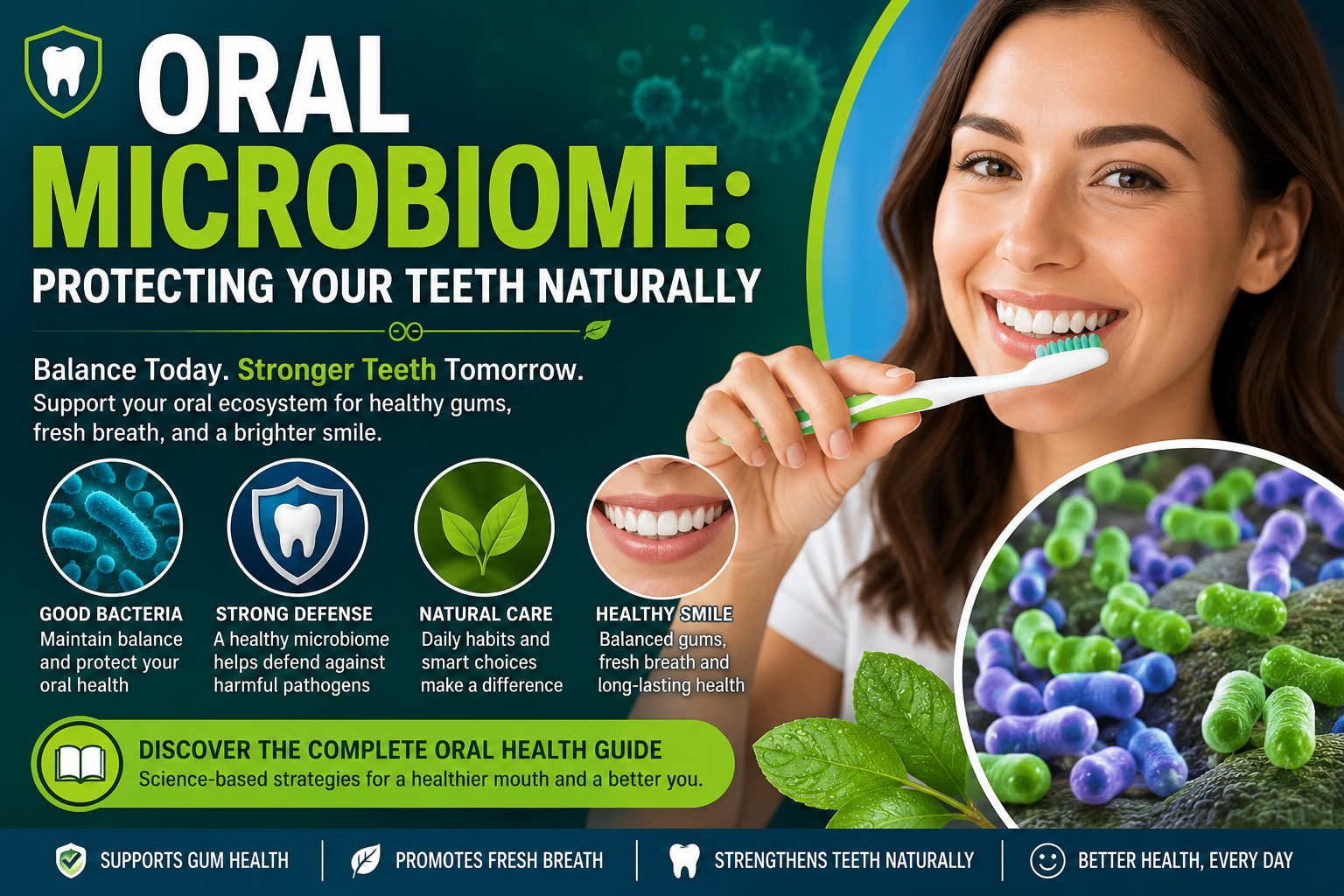
Oral Microbiome: Protecting Your Teeth Naturally
Discover how trillions of beneficial microorganisms help defend your teeth and gums, why the oral microbiome matters for lifelong oral health, and evidence-based habits that support a healthier mouth naturally.
Healthy Oral Balance
Learn how beneficial bacteria help maintain a balanced oral environment that supports healthy teeth and gums.
Science Explained
Understand current research on the oral microbiome, biofilms, saliva, and daily habits that influence oral health.
Natural Daily Habits
Explore practical lifestyle strategies that can help support a healthy oral ecosystem every day.
Evidence-Based Information
Every recommendation throughout this guide is based on current scientific understanding of oral health and microbiome research.
Why Your Oral Microbiome Matters More Than You Think
Your mouth is home to one of the most diverse microbial communities in the human body. Far from being harmful by default, many microorganisms contribute to a balanced oral environment by interacting with saliva, soft tissues, and dental surfaces.Researchers now recognize that oral health is influenced not only by brushing and flossing but also by the overall balance of the oral microbiome. When this ecosystem remains stable, it supports normal oral function. When it becomes imbalanced, conditions such as plaque accumulation, gum inflammation, persistent bad breath, and tooth decay may become more likely.Throughout this comprehensive guide, you'll discover how the oral microbiome works, what affects its balance, what science currently says, and practical habits that may help maintain long-term oral wellness naturally.
Continue Learning About Your Oral Health
Your oral microbiome is only one part of maintaining a healthy smile. Explore these expert guides to discover how beneficial bacteria, oral probiotics, and daily habits work together to protect your teeth and gums naturally.
🦷 What Is the Oral Microbiome and Why It Matters
Discover how trillions of beneficial microorganisms help defend your teeth, gums, and overall oral health every day.
🦠 Good vs Bad Bacteria in Your Mouth
Learn why maintaining bacterial balance is far more important than eliminating bacteria altogether.
🌿 The Science Behind Oral Probiotics
See how oral probiotics may support a healthier microbiome and contribute to stronger teeth, healthier gums, and fresher breath.
The Science Behind the Oral Microbiome and Tooth Protection
Modern oral health research shows that the mouth works like a living ecosystem. Teeth, gums, saliva, and microbes are constantly interacting. When this ecosystem is balanced, the mouth is better able to defend itself naturally. When the balance is disrupted, harmful bacteria may become more active and contribute to plaque, enamel stress, gum irritation, and bad breath.
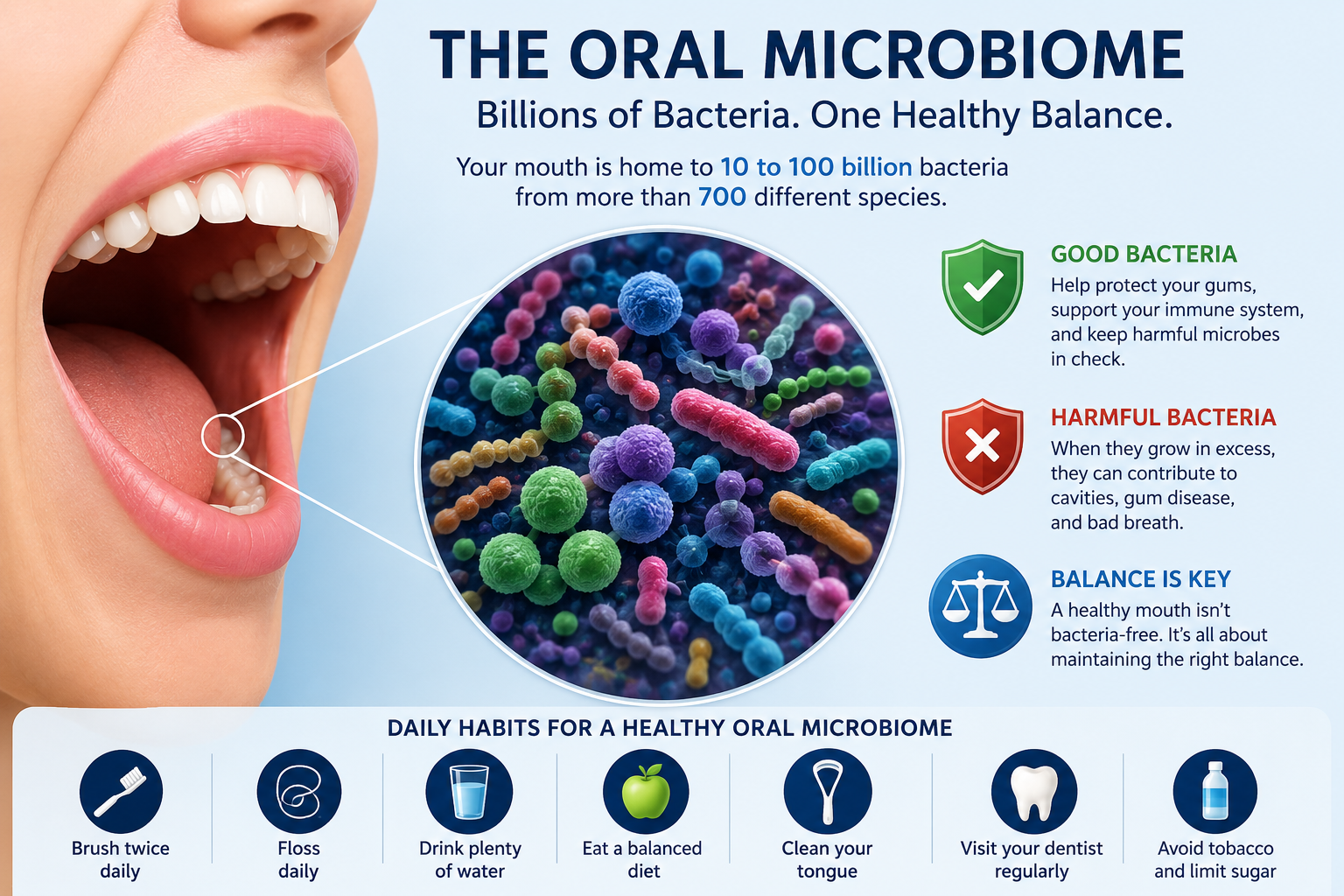
One of the most important ideas in oral microbiome science is that oral health is not simply about killing bacteria. A healthy mouth contains many different microorganisms. Some are neutral, some may be beneficial, and others may become harmful under the wrong conditions. The goal is not to remove all bacteria, but to support a balanced environment where harmful species are less likely to dominate.
Key SEO Insight
The oral microbiome helps explain why some people may experience more plaque, bad breath, or gum sensitivity even when they brush regularly. Daily habits, saliva flow, diet, and microbial balance all matter.
Good Bacteria vs Harmful Bacteria in the Mouth
Not all bacteria in the mouth are bad. Beneficial oral bacteria may help compete with harmful organisms, support a healthier pH balance, and contribute to a more stable oral environment. Harmful bacteria, on the other hand, may produce acids, release irritating compounds, and contribute to the buildup of unhealthy plaque.
Problems often begin when harmful bacteria are repeatedly fed by sugars and refined carbohydrates. These microbes can produce acids that weaken the enamel surface over time. Other bacteria may thrive near the gumline and contribute to inflammation when plaque is not removed consistently.
This is why natural tooth protection depends on more than brushing alone. Brushing removes buildup, but your daily diet, hydration, saliva production, and consistency of oral care also influence which bacteria become more dominant.
| Oral Microbiome Factor | Balanced Condition | Imbalanced Condition |
|---|---|---|
| Bacteria | Diverse microbial community with beneficial and neutral species | Harmful bacteria may dominate and produce acids or irritating compounds |
| Saliva | Helps wash away food particles and supports mineral balance | Dry mouth may increase plaque buildup and bad breath risk |
| pH Level | Returns to a healthier range after meals | Frequent acidity may stress enamel over time |
| Biofilm | Thin, controlled, and regularly disrupted by brushing and flossing | Thick plaque buildup may irritate gums and trap harmful bacteria |
| Breath | Fresher breath supported by cleaner tongue, hydration, and balance | Odor-producing bacteria may become more active |
How Diet Influences the Oral Microbiome
Food choices have a direct impact on the oral microbiome. A diet high in sugar and frequent snacking may create conditions that favor acid-producing bacteria. These bacteria use sugars as fuel and release acids that may weaken enamel when exposure happens repeatedly throughout the day.
On the other hand, a diet rich in whole foods can support a healthier oral environment. Crunchy vegetables, leafy greens, nuts, seeds, dairy foods, and mineral-rich meals may help support teeth and gums as part of a balanced lifestyle. Water is especially important because it helps rinse the mouth and supports saliva production.
Timing also matters. Eating sugar occasionally with a meal is different from sipping sweet drinks or snacking all day. Frequent exposure gives harmful bacteria more opportunities to produce acids.
Practical Tip
For better oral microbiome balance, reduce constant snacking, drink more water, and choose nutrient-dense foods that support teeth, gums, and saliva flow.
Daily Habits That Support Natural Tooth Protection
Supporting the oral microbiome does not require complicated routines. The strongest results often come from simple habits repeated consistently. Brushing twice a day helps disrupt plaque before it becomes more harmful. Flossing cleans tight spaces where bacteria and food particles collect. Cleaning the tongue may help reduce odor-producing bacteria that contribute to bad breath.
Hydration is another powerful habit. A dry mouth can make it easier for bacteria and food debris to remain in place. Drinking water throughout the day helps support saliva, which is one of the mouth’s most important natural defenses.
Regular dental visits are also essential. Even with strong daily habits, hardened buildup can form and may need professional cleaning. A dentist can also identify early warning signs before small problems become larger ones.
Brush Consistently
Brush twice daily using gentle technique to remove plaque without damaging gums.
Floss Daily
Clean between teeth where toothbrush bristles cannot reach effectively.
Support Saliva
Drink water regularly and avoid habits that contribute to chronic dry mouth.
Limit Sugar Frequency
Reduce repeated sugar exposure to help protect enamel from acid stress.
Why Oral Microbiome Balance Matters for Fresh Breath
Persistent bad breath is often connected to bacterial activity inside the mouth. The tongue, gumline, and spaces between teeth can collect bacteria that produce unpleasant odors. While mouthwash may temporarily mask odor, long-term freshness depends on addressing the underlying oral environment.
Cleaning the tongue, staying hydrated, flossing consistently, and supporting a balanced oral microbiome may all help improve breath quality. In some cases, persistent bad breath may also be linked to gum disease, cavities, dry mouth, or other health concerns, so professional dental evaluation is important when symptoms continue.
Continue Learning About Natural Oral Health
Learn how oral probiotics, healthy gums, fresh breath, and daily habits work together in the complete guide.
Open the Complete Oral Health Guide →Explore More Expert Oral Health Guides
A healthy oral microbiome is the foundation of strong teeth, healthy gums, and fresh breath. Continue exploring our evidence-based articles to better understand how beneficial bacteria, oral probiotics, nutrition, and daily habits can naturally support your oral health.
🦷 What Is the Oral Microbiome and Why It Matters
Learn how your mouth's microbial ecosystem helps defend against cavities, gum disease, and harmful bacteria.
🦠 Good vs Bad Bacteria in Your Mouth
Understand why balancing beneficial and harmful bacteria is essential for long-term oral health.
🌿 The Science Behind Oral Probiotics
Discover how oral probiotics may help maintain a healthier oral microbiome and support fresher breath.
💙 How Oral Probiotics Support Healthy Gums
Explore the relationship between beneficial bacteria, gum tissue, inflammation, and long-term periodontal health.
🪥 The Surprising Link Between Oral Bacteria and Tooth Decay
Find out how bacterial imbalance contributes to cavities and why prevention starts with your microbiome.
💊 How Antibiotics Affect Oral Health
Understand how antibiotics can temporarily disrupt beneficial oral bacteria and what may help restore balance.
✨ Best Natural Ways to Support Fresh Breath
Discover daily habits that naturally promote fresher breath by supporting a healthier oral environment.
⭐ Ultimate Oral Health Guide 2026
Access our complete pillar guide covering oral probiotics, healthy gums, fresh breath, cavities, the oral microbiome, and evidence-based daily habits.
Frequently Asked Questions (FAQ)
1. What is the oral microbiome?
The oral microbiome is the community of microorganisms that naturally live in your mouth. It includes hundreds of species of bacteria, fungi, and other microbes that interact with your teeth, gums, tongue, and saliva. A balanced oral microbiome helps support overall oral health.
2. Can the oral microbiome protect my teeth?
Yes. A balanced oral microbiome may help protect your teeth by limiting the growth of harmful bacteria, supporting a healthier oral environment, and working alongside saliva and good oral hygiene to maintain healthy teeth and gums.
3. What causes an unhealthy oral microbiome?
Common factors include frequent sugar consumption, poor oral hygiene, smoking, dry mouth, certain medications, excessive alcohol use, and an unbalanced diet. These factors may allow harmful bacteria to become more dominant.
4. Is it possible to improve the oral microbiome naturally?
Many daily habits can support a healthier oral environment, including brushing twice a day, flossing daily, cleaning the tongue, staying hydrated, eating a balanced diet, limiting sugary snacks, and scheduling regular dental checkups.
5. Are all bacteria in the mouth harmful?
No. Many bacteria found in the mouth are beneficial or harmless. The goal is not to eliminate all bacteria but to maintain a healthy balance between beneficial and potentially harmful microorganisms.
6. What is dental biofilm?
Dental biofilm is a thin layer of microorganisms that naturally forms on teeth and oral tissues. When removed regularly through brushing and flossing, it remains under control. If allowed to accumulate, it can contribute to plaque buildup and oral health problems.
7. Does diet affect the oral microbiome?
Yes. Foods high in sugar and frequent snacking can encourage acid-producing bacteria. A balanced diet rich in vegetables, fruits, dairy products, lean proteins, and adequate water intake supports a healthier oral environment.
8. Can dry mouth affect oral bacteria?
Yes. Saliva helps wash away food particles, neutralize acids, and maintain microbial balance. Reduced saliva production may increase the risk of plaque accumulation, bad breath, and other oral health concerns.
9. Can oral probiotics replace brushing and flossing?
No. Oral hygiene practices such as brushing and flossing remain essential. While researchers continue studying oral probiotics, they should not be viewed as a replacement for daily oral care or professional dental advice.
10. When should I see a dentist?
You should schedule regular dental examinations and seek professional care if you experience persistent bad breath, bleeding gums, tooth pain, gum swelling, loose teeth, or other ongoing oral health concerns. Early evaluation can help prevent more serious problems.
Continue Your Oral Health Journey
The oral microbiome plays a vital role in protecting your teeth and gums, but it's only one part of maintaining lifelong oral health. Before you leave, explore these carefully selected guides to deepen your understanding and build healthier daily habits.
🦠 Good vs Bad Bacteria in Your Mouth
Learn how beneficial bacteria protect your smile and why maintaining microbial balance is more important than eliminating bacteria altogether.
🌿 The Science Behind Oral Probiotics
Explore the latest research on oral probiotics and discover how they may help support a healthier oral microbiome.
💙 How Oral Probiotics Support Healthy Gums
Understand how healthy bacterial communities may contribute to stronger gums and better long-term oral health.
⭐ The Ultimate Oral Health Guide 2026
Looking for the complete resource? Explore our comprehensive pillar guide covering oral probiotics, healthy gums, fresh breath, tooth decay prevention, and the science behind a balanced oral microbiome.
Support Your Daily Oral Health Routine
Looking to complement your daily brushing, flossing, and regular dental care? Learn more about ProDentim and decide whether it's an appropriate addition to your oral health routine.
This content is provided for educational purposes only and is not medical advice. Dietary supplements are not intended to diagnose, treat, cure, or prevent any disease. Always consult your dentist or healthcare provider before starting any new supplement or making significant changes to your oral care routine.
Scientific References
The information presented in this article is based on peer-reviewed scientific literature and respected biomedical research databases.
1. Nature Reviews Microbiology
Baker JL, et al. (2024). The Oral Microbiome: Diversity, Biogeography and Human Health.
https://www.nature.com/articles/s41579-023-00963-6
2. National Library of Medicine (PMC)
Rajasekaran JJ, et al. (2024). Oral Microbiome: A Review of Its Impact on Oral and Systemic Health.
https://pmc.ncbi.nlm.nih.gov/articles/PMC11434369/
3. Nature Signal Transduction and Targeted Therapy
Peng X, et al. (2022). Oral Microbiota in Human Systemic Diseases.
https://www.nature.com/articles/s41368-022-00163-7
4. National Library of Medicine (PMC)
Willis JR & Gabaldón T. (2020). The Human Oral Microbiome in Health and Disease.
https://pmc.ncbi.nlm.nih.gov/articles/PMC7074908/
5. Nature Reviews Microbiology
Lamont RJ, Koo H., Hajishengallis G. The Oral Microbiota: Dynamic Communities and Host Interactions.
https://pmc.ncbi.nlm.nih.gov/articles/PMC6278837/
6. Systematic Review
Inchingolo F., et al. (2023). The Benefits of Probiotics on Oral Health: A Systematic Review.
https://pmc.ncbi.nlm.nih.gov/articles/PMC10534711/
7. PubMed
Beattie RE., et al. (2024). Probiotics for Oral Health: A Critical Evaluation of Bacterial Strains.
https://pubmed.ncbi.nlm.nih.gov/38979537/
8. National Center for Biotechnology Information (NCBI)
Official biomedical database maintained by the U.S. National Library of Medicine, providing access to PubMed and PubMed Central.
https://www.ncbi.nlm.nih.gov/
Research on the oral microbiome is advancing rapidly. Current evidence supports the importance of maintaining good oral hygiene, limiting frequent sugar intake, staying hydrated, eating a balanced diet, and receiving regular dental care. While probiotics and related therapies are being actively studied, their effectiveness can vary depending on the specific strain, formulation, and clinical context, and more high-quality research is still underway.
RELATED POSTS
View all


• Where to Buy ProDentim Safely Online
July 13, 2026 | by By EnergyFix40 Editorial Team
The Complete Oral Health Guide (2026): Oral Microbiome, Healthy Gums, Fresh Breath & Oral Probiotics
July 12, 2026 | by By EnergyFix40 Editorial Team
. Why Your Toothpaste May Not Be Enough for Long-Term Oral Health
July 7, 2026 | by By EnergyFix40 Editorial Team