ProDentim vs Dental Treatments
July 19, 2026 | by By EnergyFix40 Editorial Team

ProDentim vs Dental Treatments: Can Oral Probiotics Replace Professional Dental Care?
Many people wonder whether oral probiotics like ProDentim can replace professional dental treatments. This evidence-based guide explains the differences, explores current scientific research, and shows how preventive daily habits and regular dental care work together to support lifelong oral health.
12–14 Minutes
July 2026
Current Research
Oral Health
Start with our complete oral health resource before exploring this comparison.
Read the Ultimate Oral Health Guide →Discover how the oral microbiome, healthy gums, nutrition, daily habits, and oral probiotics work together to support stronger teeth, fresher breath, and better long-term oral health.
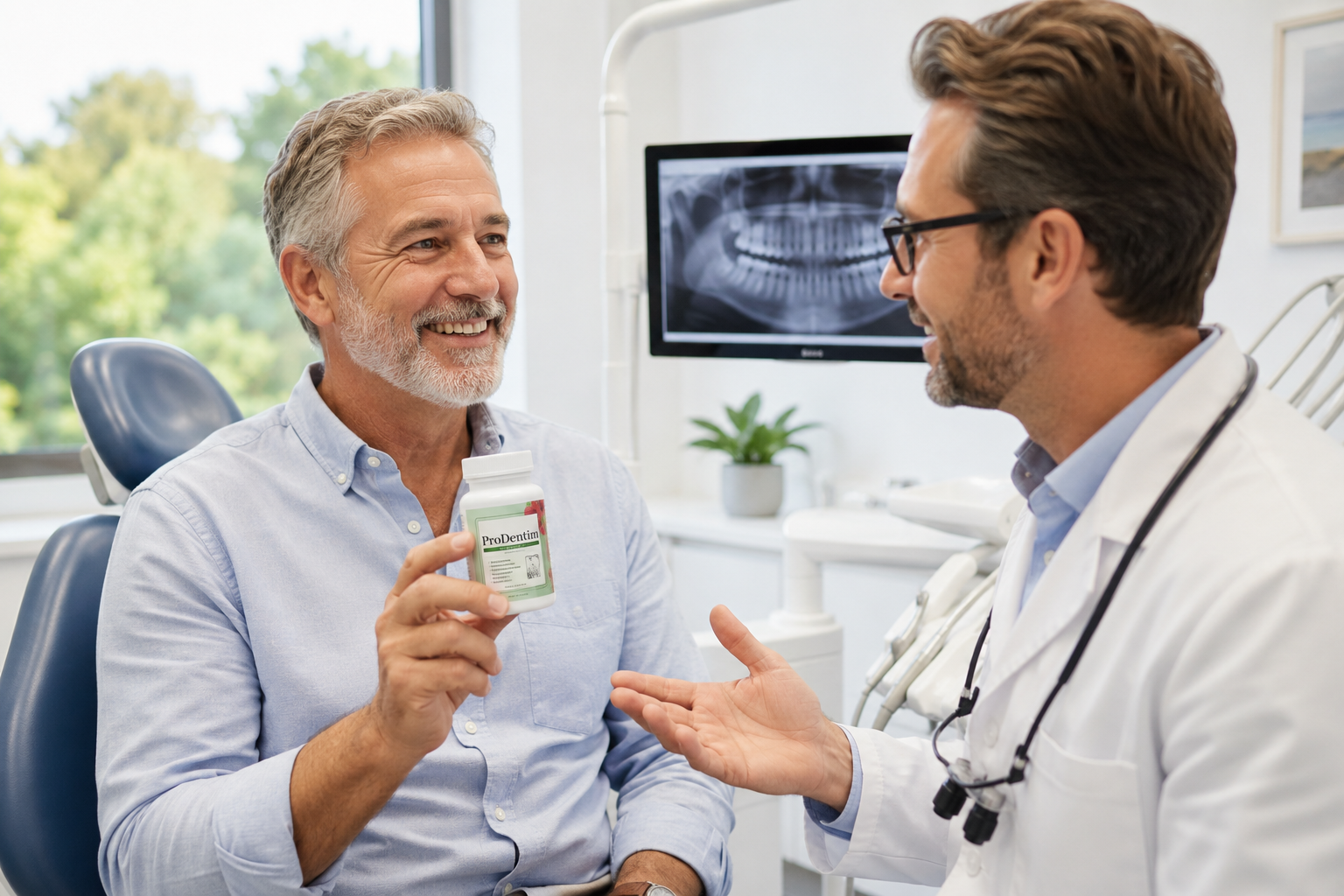
ProDentim vs Dental Treatments: Understanding the Real Difference
Adults searching for better ways to protect their teeth and gums are increasingly encountering two very different approaches: professional dental treatments and oral probiotic supplements such as ProDentim. Because both are discussed in connection with oral health, healthier gums, plaque control, and fresher breath, it is understandable that some consumers compare them directly.
However, ProDentim and professional dentistry are not interchangeable. They serve different purposes, rely on different levels of scientific evidence, and are used in very different situations. A dental treatment may diagnose or repair an existing oral health problem, while an oral probiotic supplement is generally positioned as part of a daily wellness routine intended to support the environment inside the mouth.
This distinction is essential. A supplement cannot fill a cavity, repair a cracked tooth, remove hardened tartar below the gumline, drain an infection, or replace a missing tooth. At the same time, interest in the oral microbiome has encouraged researchers to investigate whether certain beneficial bacteria may help support microbial balance, gum comfort, breath freshness, and other aspects of daily oral wellness.
The most responsible comparison, therefore, is not simply “Which one is better?” A more useful question is:
Where do oral probiotics fit within a complete dental care strategy, and when is professional treatment absolutely necessary?
Throughout this guide, we will separate marketing claims from realistic expectations, explain what each approach can and cannot do, and show why prevention, daily hygiene, and professional dental care usually work best as complementary parts of the same long-term plan.
What Is ProDentim?
ProDentim is marketed as an oral probiotic dietary supplement. Unlike conventional digestive probiotics, which are usually formulated to support bacteria in the intestinal tract, oral probiotics are designed to dissolve in the mouth and interact with the oral environment.
The idea behind this category is based on the oral microbiome—the community of bacteria, fungi, and other microorganisms naturally present on the tongue, teeth, gums, cheeks, and saliva. Not all oral bacteria are harmful. Some microorganisms may coexist harmlessly, while others may compete with species associated with plaque formation, unpleasant breath, tooth decay, or gum inflammation.
ProDentim is commonly promoted as a daily supplement that may help support:
- A more balanced oral microbiome.
- Fresh breath as part of a consistent oral care routine.
- Healthy-looking gums and everyday gum comfort.
- A mouth environment that supports routine dental hygiene.
- Long-term oral wellness when combined with proven habits.
These possible benefits should be viewed cautiously. ProDentim is a dietary supplement, not a prescription medicine, dental device, or clinically performed procedure. Individual responses may vary, and evidence supporting oral probiotics continues to develop. The strength of research may also differ depending on the bacterial strain, dose, study design, and condition being evaluated.
Its most reasonable role is as an optional addition to brushing, flossing, tongue cleaning, balanced nutrition, adequate hydration, and regular dental checkups—not as a substitute for them.
What Are Dental Treatments?
Dental treatments are professional services used to prevent, diagnose, manage, repair, or monitor problems affecting the teeth, gums, jaw, bite, and surrounding oral tissues. They are performed or supervised by licensed dental professionals and are selected according to a patient’s examination, medical history, symptoms, imaging, and clinical needs.
Professional dental care includes both preventive and restorative procedures. Common examples include:
Examinations, professional cleanings, X-rays, fluoride applications, and oral cancer screenings.
Fillings, crowns, bridges, root canal therapy, and repairs for damaged teeth.
Deep cleaning, scaling and root planing, periodontal maintenance, and gum disease management.
Dental implants, dentures, bridges, and other options for replacing missing teeth.
These treatments can address physical damage and active disease in ways that supplements cannot. For example, a bacterial imbalance may contribute to oral health concerns, but once decay has created a cavity, the damaged tooth structure may need to be removed and restored. Similarly, hardened tartar below the gumline generally requires professional instrumentation.
Dental treatments may sometimes feel expensive, inconvenient, or intimidating, but delaying necessary care can allow relatively minor problems to progress into more complex conditions. Persistent tooth pain, swelling, bleeding gums, loose teeth, broken restorations, or signs of infection require evaluation by a qualified professional.
Why Are So Many People Comparing These Options?
Several trends explain why ProDentim and dental treatments are increasingly discussed together. First, consumers are becoming more proactive about prevention. Many adults no longer want to wait until pain or visible damage appears before thinking about their oral health.
Second, the concept of the oral microbiome has become more widely known. People are beginning to understand that oral care involves more than simply eliminating every bacterium. This has created interest in products designed to support a healthier microbial balance rather than relying only on strong antibacterial formulas.
Third, cost and convenience influence decision-making. A supplement taken at home may appear simpler and less expensive than a professional procedure. Unfortunately, this can lead to an unsafe comparison when someone uses a wellness product to postpone treatment for an existing problem.
Finally, online marketing sometimes blurs the line between supporting oral wellness and treating dental disease. Phrases such as “supports healthy gums” can be misinterpreted as meaning that a supplement reverses advanced gum disease. These are not the same claim.
A realistic comparison must separate three categories:
- Daily prevention: brushing, flossing, nutrition, hydration, and routine checkups.
- Optional complementary support: products such as oral probiotics.
- Professional treatment: procedures required to diagnose, control, or repair disease and damage.
Who May Benefit From This Comparison?
This guide is especially useful for adults who want evidence-based information before adding an oral probiotic to their routine. It may also help people who are unsure whether a supplement can reduce the need for professional dental care.
You may find this comparison valuable if you:
- Are considering purchasing ProDentim or another oral probiotic.
- Experience occasional bad breath despite maintaining daily hygiene.
- Want to support your oral microbiome as you age.
- Are comparing preventive supplements with professional dental services.
- Want to understand when a dentist is necessary.
- Prefer realistic expectations rather than exaggerated promises.
- Are building a more complete long-term oral care routine.
People with active symptoms should not rely on this comparison as a self-diagnosis tool. Severe pain, facial swelling, fever, pus, persistent bleeding, trauma, or a loose adult tooth should be evaluated promptly by a dental professional.
What You Will Learn in This Guide
In the next sections, you will learn how professional cleanings, fillings, periodontal therapies, crowns, implants, and other dental procedures differ from oral probiotic supplementation. We will also compare cost, convenience, evidence, limitations, expected outcomes, and the situations in which each approach may be appropriate.
You will discover why ProDentim cannot replace necessary treatment, where oral probiotics may provide complementary support, and how nutrition, hydration, smoking, sugar intake, dry mouth, sleep, and daily hygiene can affect the oral environment.
Most importantly, this guide will help you build a realistic strategy based on prevention, professional evaluation, consistent home care, and carefully selected supportive products.
Explore the Full Science of Oral Health
Learn how the oral microbiome, healthy gums, fresh breath, nutrition, daily hygiene, professional care, and oral probiotics may work together in a complete long-term oral wellness strategy.
Read the Ultimate Oral Health Guide →Evidence-based education for adults seeking healthier gums, stronger daily habits, and more realistic oral health expectations.
Related Oral Health Guides
Learn more about the oral microbiome, oral probiotics, and daily strategies that may help support healthier teeth and gums.
What Is the Oral Microbiome and Why Does It Matter?
Discover how the bacteria living in your mouth may influence plaque, gum health, tooth decay, and breath freshness.
Read the Guide →How Oral Probiotics May Support Healthy Gums
Review what current research suggests about beneficial bacteria, microbial balance, and everyday gum support.
Explore the Evidence →ProDentim vs Traditional Toothpaste
Compare the roles of fluoride toothpaste and oral probiotics and learn why one should not automatically replace the other.
Compare the Options →Understanding Professional Dental Treatments
Professional dental treatments are designed to prevent disease, diagnose oral health problems, control active conditions, repair damaged teeth, and replace structures that can no longer be preserved. Unlike dietary supplements, these services are selected according to a clinical examination, the patient’s symptoms, dental imaging, medical history, and the severity of the condition.
Some procedures are preventive, while others are restorative or surgical. Understanding what each treatment does helps explain why an oral probiotic cannot replace necessary dental care.
Dental Cleanings
Professional cleanings remove plaque, stains, and hardened tartar that routine brushing and flossing may leave behind. These visits also allow a dentist or dental hygienist to examine the gums, identify early warning signs, and recommend personalized preventive care.
Scaling and Root Planing
Scaling and root planing is a deep-cleaning procedure commonly used when plaque and tartar have accumulated below the gumline. The treatment removes deposits from tooth surfaces and smooths the roots, helping the gum tissue heal and reattach more effectively.
Dental Fillings
Fillings restore teeth damaged by decay. A dentist removes the weakened or infected tooth structure and replaces it with a restorative material. Once a cavity has formed, probiotics, toothpaste, or mouthwash cannot rebuild the missing structure.
Dental Crowns
A crown covers and protects a tooth that has been weakened by decay, fracture, extensive filling work, or root canal therapy. Crowns can restore strength, function, appearance, and biting ability when the natural tooth requires additional protection.
Gum Disease Treatment
Gum disease treatment varies according to severity. Early-stage problems may improve with professional cleaning and better home care, while advanced periodontitis may require deep cleaning, medication, periodontal maintenance, or surgery. The goal is to control infection and protect the bone supporting the teeth.
Tooth Extractions
Extraction may be recommended when a tooth is severely damaged, infected, impacted, or cannot be restored successfully. Dentists generally try to preserve natural teeth whenever possible, but removal may be necessary to relieve symptoms or prevent further complications.
Dental Implants
Dental implants replace missing tooth roots with biocompatible posts that support crowns, bridges, or dentures. They may restore chewing function and appearance while helping preserve jawbone. Implant treatment requires professional planning, surgery, healing, and ongoing maintenance.
Preventive Dental Care
Preventive care includes routine examinations, cleanings, dental X-rays when appropriate, fluoride treatments, sealants, oral cancer screening, and personalized hygiene guidance. Its purpose is to identify risks early, reduce disease progression, and preserve natural teeth for as long as possible.
Why These Treatments Cannot Be Replaced by a Supplement
Professional procedures directly remove tartar, repair structural damage, control active disease, replace missing teeth, or diagnose conditions that may not be visible at home. Oral probiotics may be considered complementary wellness support, but they cannot perform these clinical functions or replace an individualized treatment plan.
Preventive Care: Where Daily Habits Matter Most
Professional dentistry is essential for diagnosis and treatment, but prevention largely depends on what happens between dental visits. Brushing with fluoride toothpaste, flossing or using interdental cleaners, cleaning the tongue, limiting frequent sugar exposure, staying hydrated, and attending routine checkups remain the foundation of long-term oral health. Oral probiotics may fit into this preventive routine as an optional supportive tool, but they should not replace proven hygiene practices.
What Oral Probiotics Do
Oral probiotics are designed to introduce selected beneficial bacteria into the mouth. Their proposed role is not to repair damage, but to support a healthier microbial environment. Current research is still developing, and results depend on the specific strain, dose, formulation, duration of use, and the individual’s existing oral health.
Oral Microbiome
The mouth contains complex communities of microorganisms. Oral probiotics are intended to support a more balanced ecosystem rather than eliminate all bacteria.
Beneficial Bacteria
Selected strains may compete with less desirable microorganisms for nutrients and attachment sites, although clinical outcomes vary between studies.
Biofilm Balance
Research is exploring whether certain probiotics may influence the composition of dental biofilm, but they do not physically remove plaque or tartar.
Fresh Breath
Some strains have been studied for their potential to support fresher breath by influencing bacteria associated with odor-producing compounds.
Gum Support
Oral probiotics may offer complementary support for gum wellness, but they cannot replace deep cleaning or periodontal treatment when disease is present.
ProDentim vs Dental Treatments: Side-by-Side Comparison
| Comparison Area | ProDentim / Oral Probiotics | Professional Dental Treatments |
|---|---|---|
| Purpose | Supports the oral environment as part of a daily wellness routine. | Diagnoses, prevents, controls, repairs, or replaces damaged oral structures. |
| Scientific Evidence | Promising but still developing; evidence varies by strain and condition. | Supported by established clinical protocols and decades of dental research. |
| Cost | Usually a recurring supplement expense. | Varies widely according to examination, procedure, insurance, and severity. |
| Convenience | Used at home and easily added to a routine. | Requires appointments, diagnosis, and sometimes multiple visits. |
| Invasiveness | Non-invasive dietary supplementation. | Ranges from non-invasive exams to restorative or surgical procedures. |
| Professional Supervision | Often self-selected, although professional guidance is advisable. | Performed or supervised by licensed dental professionals. |
| Preventive Role | May provide complementary microbiome support. | Identifies risks early and provides proven preventive services. |
| Expected Outcomes | Subtle, variable support for breath, gums, or microbial balance. | Specific clinical outcomes based on the diagnosed condition and treatment plan. |
Can ProDentim Replace Dental Treatments?
For most people, the medically responsible answer is no. ProDentim is marketed as an oral probiotic dietary supplement, while professional dental treatments are clinical services used to diagnose disease, remove harmful deposits, control infection, repair damaged teeth, relieve pain, and restore oral function.
These approaches do not perform the same job. An oral probiotic may be added to a preventive wellness routine, but it cannot remove hardened tartar, fill a cavity, repair a fractured tooth, treat an abscess, replace a missing tooth, or determine why a patient is experiencing persistent pain.
The better question is not whether ProDentim can replace a dentist. It is whether selected oral probiotics may provide additional support when used alongside brushing, interdental cleaning, tongue cleaning, balanced nutrition, regular examinations, and any treatment recommended by a licensed dental professional.
Why the Answer Is Usually No
Supplements are not capable of performing clinical procedures. Once tooth structure has been lost, tartar has hardened below the gumline, supporting bone has been damaged, or an infection has formed, professional evaluation is required. Waiting for a supplement to resolve these conditions can delay appropriate care and allow the problem to become more complicated.
Prevention vs Treatment: Understanding the Difference
Prevention
Prevention aims to reduce risk before serious damage develops. It includes fluoride toothpaste, brushing twice daily, interdental cleaning, limiting frequent sugar exposure, maintaining saliva flow, avoiding tobacco, attending routine examinations, and receiving professional cleanings when recommended. Oral probiotics may be considered an optional complementary measure within this category.
Treatment
Treatment begins when examination identifies active disease, infection, structural damage, significant inflammation, or loss of function. It may involve fillings, crowns, root canal therapy, scaling and root planing, periodontal surgery, extraction, implants, medication, or another personalized clinical procedure.
When Oral Probiotics May Complement Dental Care
Researchers have investigated whether selected probiotic strains can influence oral microbial communities and provide additional support for periodontal health, plaque-related outcomes, or breath freshness. Some studies report improvements in selected clinical or microbial measures, particularly when probiotics are used as an adjunct to professional periodontal therapy.
However, the word adjunct is important. In research, probiotics are frequently added to established care such as scaling and root planing rather than used as a substitute for it. This means that any observed benefit occurs on top of professional treatment and daily oral hygiene.
A 2024 systematic review and network meta-analysis evaluated probiotics in nonsurgical periodontitis care, while other recent reviews examined Lactobacillus reuteri as an adjunct to scaling and root planing. The findings suggest potential benefits in certain periodontal measurements, but variation among strains, doses, study designs, treatment durations, and patient groups limits broad conclusions.
The available evidence therefore supports cautious interest—not a claim that oral probiotics cure gum disease or eliminate the need for professional care.
🔬 What Researchers Currently Know
- Certain probiotic strains may temporarily influence the composition or activity of oral microorganisms.
- Some clinical reviews report possible improvements in bleeding on probing, gum inflammation, pocket measurements, or breath-related outcomes.
- The most encouraging periodontal findings generally involve probiotics used alongside professional nonsurgical treatment.
- Results cannot automatically be transferred from one strain or formulation to every commercial oral probiotic product.
- Long-term effectiveness, ideal dosage, treatment duration, colonization, and the people most likely to benefit remain areas of ongoing investigation.
Important Clinical Limitations
Oral probiotic studies often use different bacterial strains, combinations, delivery methods, doses, treatment periods, and clinical endpoints. Some trials include relatively small groups or provide only short follow-up periods. These differences make it difficult to identify a single protocol that works consistently for every person.
A benefit observed with one specific strain cannot be assumed for all probiotics. Product quality, storage conditions, bacterial viability, diet, saliva flow, smoking, medications, age, systemic health, baseline oral hygiene, and existing dental disease may also influence outcomes.
ProDentim itself should therefore be judged as a specific commercial formulation, not as equivalent to every probiotic strain studied independently in clinical research. Consumers should maintain realistic expectations and avoid interpreting preliminary or strain-specific findings as proof that a supplement can treat diagnosed disease.
When Professional Dental Care Is Essential
Some oral problems require prompt professional assessment. A supplement may temporarily create a sense that action is being taken, but it does not identify the cause or stop the progression of serious disease.
Active Infections
Swelling, fever, pus, a bad taste, facial tenderness, or spreading redness can indicate infection and require professional evaluation.
Cavities
Early mineral loss may sometimes be managed preventively, but a formed cavity may require restorative dental treatment.
Advanced Gum Disease
Deep pockets, bone loss, gum recession, loose teeth, or persistent bleeding may require periodontal therapy and ongoing maintenance.
Tooth Fractures
Cracked or broken teeth need examination to determine whether bonding, a crown, root canal treatment, or extraction is necessary.
Dental Abscesses
An abscess is a localized infection that may cause intense pain, swelling, fever, or facial enlargement and should not be treated with supplements alone.
Severe or Persistent Pain
Pain can result from decay, infection, fractures, exposed roots, grinding, nerve problems, or other conditions that require diagnosis.
Seek Prompt Care
Facial swelling, difficulty breathing or swallowing, fever associated with dental swelling, uncontrolled bleeding, or rapidly worsening symptoms may require urgent dental or emergency medical attention.
When Oral Probiotics May Provide Additional Support
For adults without an untreated dental emergency, an oral probiotic may be considered as an optional addition to a complete routine. Potential areas of interest include:
Healthy Gums
Possible complementary support for gum wellness when combined with effective plaque control.
Mild Bad Breath
Selected strains may help influence odor-associated bacteria, although persistent halitosis needs evaluation.
Microbiome Balance
May introduce selected microorganisms intended to interact with the existing oral ecosystem.
Plaque Management
May complement plaque-control habits but cannot physically remove plaque deposits or hardened calculus.
Daily Oral Care
Can be incorporated after brushing or at another time according to the product directions.
Scientific Evidence: Balanced Summary
Recent systematic reviews suggest that probiotics may produce modest improvements in selected periodontal or breath-related outcomes. Some analyses report benefits when probiotic supplementation is combined with nonsurgical periodontal therapy.
Nevertheless, researchers repeatedly identify substantial differences among studies. Strains, formulations, dosages, treatment periods, study populations, and measured outcomes are not standardized. Some reviews find meaningful improvements, while others conclude that certainty remains limited.
The most defensible conclusion is that oral probiotics are promising complementary tools. They are not established replacements for professional diagnosis, mechanical plaque and tartar removal, restorative procedures, periodontal treatment, or emergency dental care.
Prevention Works Best When Every Part of Your Routine Works Together
Explore our complete guide to the oral microbiome, healthy gums, fresh breath, nutrition, fluoride, daily hygiene, professional dental care, and the realistic role of oral probiotics.
Explore the Ultimate Oral Health Guide →Evidence-based education designed to help adults make informed and realistic oral health decisions.
- Probiotics in the nonsurgical treatment of periodontitis: systematic review and network meta-analysis.
- Clinical effects of Lactobacillus reuteri as an adjunct to scaling and root planing.
- Overview of systematic reviews evaluating probiotic therapy in periodontal and peri-implant conditions.
- Systematic evaluation of probiotic therapy for halitosis.
- National Institute of Dental and Craniofacial Research: Tooth Decay.
- National Institute of Dental and Craniofacial Research: Periodontal Disease.
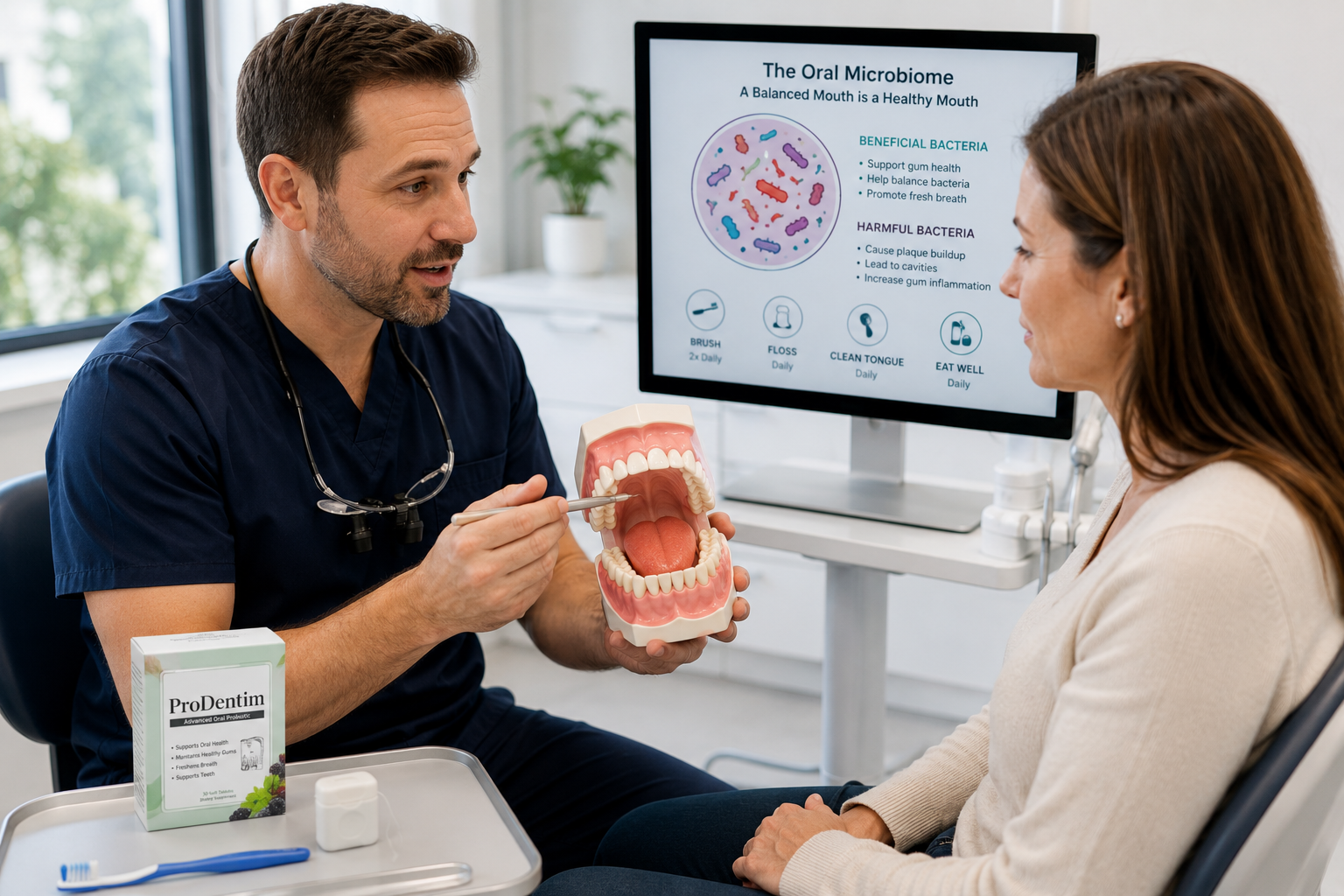
Continue Building Your Complete Oral Health Strategy
Learn more about oral probiotics, professional dental care, healthy gums, fresh breath, plaque control, and the oral microbiome through these evidence-based guides.
The Ultimate Oral Health Guide 2026
Discover a complete evidence-based approach to healthy gums, fresh breath, strong teeth, and oral probiotics.
Read the Complete Guide →What Is the Oral Microbiome?
Learn how bacteria, saliva, biofilm, diet, and hygiene interact inside the mouth every day.
Explore the Oral Microbiome →How Oral Probiotics May Support Healthy Gums
Review what current research suggests about beneficial bacteria, inflammation, and gum wellness.
Learn About Gum Support →ProDentim vs Traditional Toothpaste
Compare their purposes, scientific support, daily use, limitations, and expected outcomes.
View the Comparison →ProDentim vs Mouthwash
Understand the difference between microbial support and traditional antimicrobial mouth rinses.
Compare Both Approaches →Early Signs of Gum Disease
Recognize bleeding, swelling, recession, persistent bad breath, and other warning signs early.
Review the Warning Signs →Why Mouthwash May Not Fix Chronic Bad Breath
Discover how tongue coating, dry mouth, biofilm, gum disease, and bacteria may contribute to halitosis.
Explore the Causes →ProDentim Ingredients Explained
Examine probiotic strains, supportive ingredients, proposed benefits, and important scientific limitations.
Review the Ingredients →These educational resources are intended to support informed decisions and should not replace diagnosis or treatment from a licensed dental professional.
Interested in Learning More About ProDentim?
If you're considering an oral probiotic as part of your daily oral care routine, you can learn more about ProDentim, including its ingredients, directions for use, and purchasing information on the official website.
Visit the Official ProDentim Website →
✔ Learn about the ingredients
✔ Review product information
✔ Follow the manufacturer's directions for use
Explore ProvaDent
If you're researching oral wellness products, you can explore ProvaDent's official website to review its ingredients, usage recommendations, and other product information before deciding whether it fits your routine.
Visit the Official ProvaDent Website →
✔ Review product details
✔ Read the manufacturer's information
✔ Decide whether it complements your oral care routine
Clinical Studies: What Current Research Suggests
Clinical interest in oral probiotics has increased as researchers explore whether selected microorganisms can influence dental biofilm, gum inflammation, breath-related bacteria, and the overall oral microbiome. Some randomized trials and systematic reviews have reported improvements in selected clinical measurements, particularly when probiotics are added to established periodontal care.
A 2024 systematic review and network meta-analysis examined probiotics used with nonsurgical periodontitis treatment. Other recent reviews have evaluated their potential role in periodontal health, halitosis, orthodontic care, and microbial balance. Collectively, these studies suggest that certain strains may provide modest complementary benefits for some individuals.
The findings are not strong enough to conclude that all oral probiotics produce the same result. Products may contain different species, strains, concentrations, delivery systems, and supporting ingredients. A benefit associated with one strain in a controlled clinical trial cannot automatically be applied to every commercial supplement.
🔬 Balanced Scientific Summary
- Selected probiotic strains may temporarily influence oral microbial populations.
- Some studies report reductions in gum inflammation, bleeding, plaque-related measurements, or odor-producing compounds.
- The most promising periodontal findings generally involve probiotics used as an adjunct to professional treatment.
- Evidence remains inconsistent because study designs, strains, doses, treatment periods, and outcomes vary substantially.
- More high-quality, long-term clinical trials are needed to determine which formulations work, who benefits most, and how long any effects persist.
Oral Probiotics and Preventive Dentistry
Preventive dentistry aims to reduce the likelihood of cavities, gum disease, tooth loss, infection, and other oral complications before extensive treatment becomes necessary. Its foundation includes regular dental examinations, professional cleanings, fluoride exposure, effective brushing, interdental cleaning, nutritional awareness, and early management of individual risk factors.
Oral probiotics may be considered an optional addition to this foundation. They do not physically remove dental plaque, eliminate hardened tartar, restore lost enamel, or repair damaged teeth. Their proposed role is biological: introducing selected microorganisms that may interact with the existing oral ecosystem.
This distinction matters because dental plaque that is not removed can harden into tartar. Once tartar forms, it generally requires removal by a dentist or dental hygienist. A probiotic supplement cannot replace that mechanical process.
Lifestyle Factors That May Matter More Than Any Supplement
Nutrition
A balanced eating pattern supplies nutrients needed for oral tissues and general health. Vegetables, fruits, protein sources, dairy or appropriate alternatives, whole grains, and water can support a healthier routine. Diet also influences which microorganisms receive nutrients inside the mouth.
Smoking
Smoking is a major modifiable risk factor for gum disease. It may contribute to gum recession, impaired healing, tooth staining, bad breath, oral lesions, and less successful periodontal treatment. No oral probiotic can cancel the damaging effects of tobacco exposure.
Dry Mouth
Saliva helps cleanse the mouth, neutralize acids, protect tissues, support swallowing, and limit harmful microbial activity. Persistent dry mouth may increase the risk of cavities, demineralization, sensitivity, infections, and discomfort. Its underlying cause should be discussed with a dentist or healthcare professional.
Sugar Intake
Oral bacteria can metabolize fermentable carbohydrates and produce acids that contribute to mineral loss from tooth surfaces. Frequent sugary snacks and drinks repeatedly expose teeth to acidic conditions. Reducing frequency can be as important as reducing the total amount consumed.
Sleep
Poor sleep may make consistent self-care more difficult. Mouth breathing, snoring, and some sleep-related conditions may also be associated with morning dryness. Persistent mouth breathing or significant sleep symptoms deserve professional assessment.
Stress
Stress may contribute indirectly by affecting sleep, nutrition, smoking behavior, oral hygiene consistency, jaw clenching, and tooth grinding. Managing stress does not replace dental treatment, but it may help support healthier daily habits.
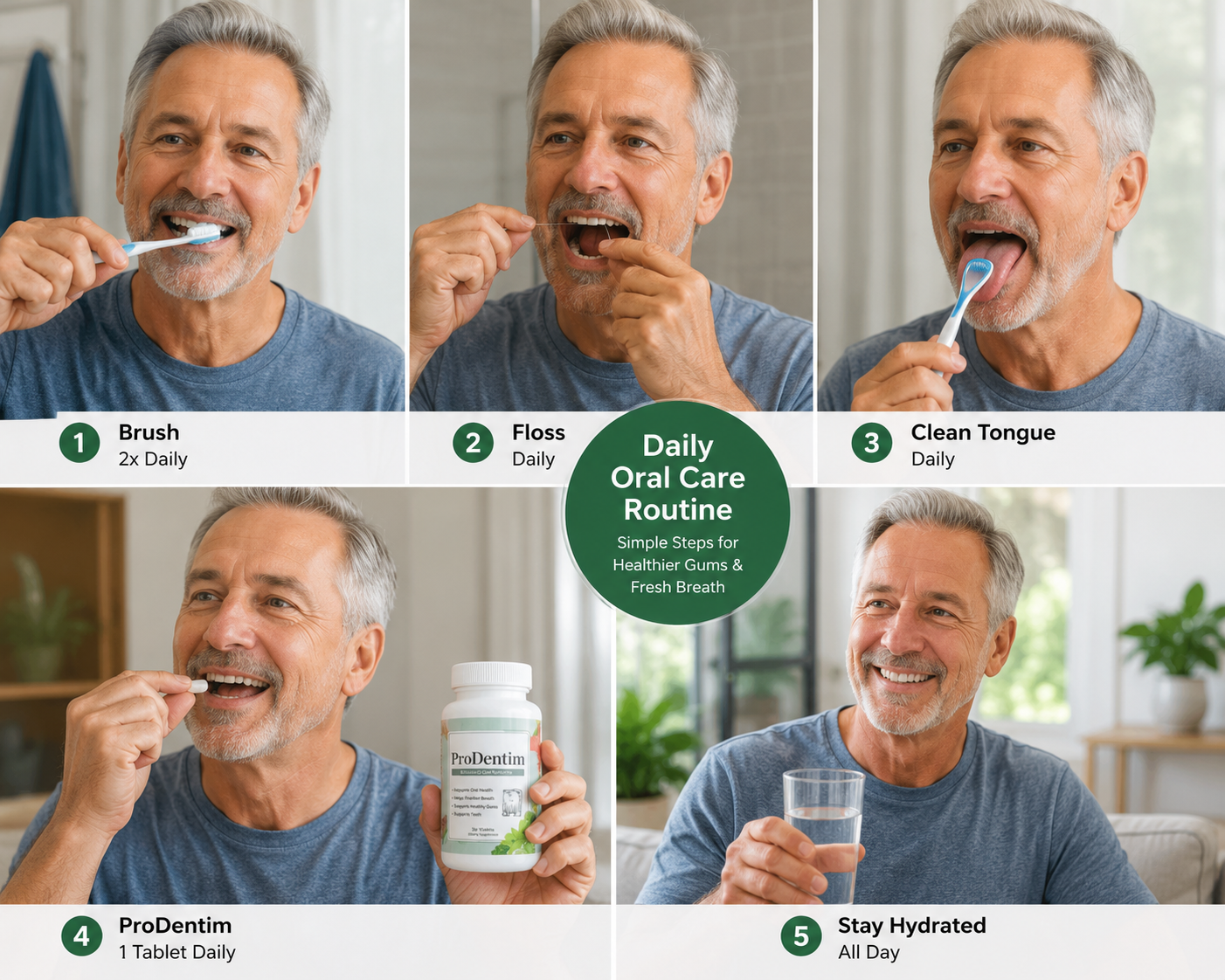
✅ Daily Oral Care Checklist
Oral Probiotics: Potential Pros and Cons
| Potential Advantages | Limitations and Considerations |
|---|---|
| Non-invasive and generally easy to add to a daily routine. | Cannot diagnose disease or replace professional treatment. |
| May support microbial balance with selected studied strains. | Effects are strain-specific and cannot be generalized to every product. |
| Some studies suggest modest support for gums or breath. | Clinical research remains heterogeneous and sometimes conflicting. |
| May complement brushing, flossing, and preventive visits. | Does not remove plaque mechanically, eliminate tartar, or repair cavities. |
| Provides an additional option for adults interested in microbiome-focused care. | Requires recurring spending and may produce no noticeable change. |
Cost Comparison: Supplementation vs Dental Care
Oral probiotic supplements usually create a recurring monthly expense. Professional dental costs vary much more because they depend on location, insurance, diagnostic findings, treatment complexity, materials, and the number of appointments required.
| Expense Category | Typical Pattern | Important Context |
|---|---|---|
| Oral Probiotic | Recurring product purchase | Optional and not a substitute for diagnosis or treatment |
| Preventive Visit | Periodic expense | Can identify problems before they become more extensive |
| Restorative Treatment | Condition-dependent expense | Repairs existing damage that supplements cannot reverse |
| Emergency Care | Unexpected and potentially higher expense | Delaying necessary care may increase complexity and cost |
Costs differ substantially by provider, region, insurance coverage, procedure, and individual clinical needs. Request a written estimate from the dental office for personalized pricing.
Who May Benefit Most?
Adults most likely to consider oral probiotics are those who already maintain consistent oral hygiene, receive appropriate professional care, and want to explore an additional microbiome-focused step. They may include people concerned about mild breath freshness, individuals interested in supporting healthy gums, or adults whose dentist agrees that an adjunctive product is reasonable.
People with active decay, severe gum disease, swelling, dental abscesses, loose teeth, fractures, persistent bleeding, significant pain, or unexplained bad breath should seek professional assessment rather than relying on supplementation.
Setting Realistic Expectations
Oral probiotics should not be expected to transform dental health overnight. Any potential change may be subtle, gradual, and different from person to person. Some users may notice changes in breath or oral comfort, while others may notice no meaningful difference.
Results may be influenced by consistency, baseline oral health, diet, saliva production, medication use, smoking, sugar frequency, dental plaque levels, and whether untreated disease is present. A supplement cannot compensate for inconsistent brushing, neglected interdental cleaning, tobacco use, or delayed dental treatment.
The most realistic position is to treat ProDentim or another oral probiotic as an optional supporting product—not as insurance against cavities, gum disease, infection, or tooth loss.
Build a Stronger Routine With Evidence-Based Guidance
Explore the relationship between oral bacteria, healthy gums, fresh breath, nutrition, lifestyle, preventive dentistry, and oral probiotics in our complete 2026 guide.
Read the Ultimate Oral Health Guide →Educational content only. This guide does not replace personalized advice, diagnosis, or treatment from a licensed dental professional.
- Probiotics in the nonsurgical treatment of periodontitis: systematic review and network meta-analysis.
- Effects of probiotic therapy on periodontal and peri-implant conditions: umbrella review.
- Impact of prebiotics and probiotics on the oral microbiome and periodontal health.
- Efficacy and safety of probiotic therapy for halitosis.
- National Institute of Dental and Craniofacial Research: Periodontal Disease.
- National Institute of Dental and Craniofacial Research: Dry Mouth.
- American Dental Association: Tobacco Use and Cessation.
ProDentim, Oral Probiotics and Professional Dental Care
These evidence-informed answers explain what oral probiotics may realistically do, where their limitations begin, and why professional dental care remains essential.
1. Can ProDentim replace my dentist?
No. ProDentim is a dietary supplement intended to complement a daily oral-care routine. It cannot examine your teeth, take dental X-rays, remove hardened tartar, diagnose gum disease, repair a damaged tooth, treat an infection or perform a professional cleaning. Dentists also identify problems that may not initially cause pain or obvious symptoms. ProDentim should therefore be viewed as an optional supporting product rather than an alternative to professional dental care.
2. Can oral probiotics cure cavities?
Oral probiotics cannot rebuild a tooth after a physical cavity has formed. Very early mineral loss may sometimes be stopped or reversed with fluoride and improved preventive care, but a developed cavity generally requires evaluation and restorative treatment from a dentist. Research is exploring whether selected beneficial bacteria might influence cavity-related biofilm, but this does not establish oral probiotics as a cure. Brushing with fluoride toothpaste, cleaning between the teeth and controlling frequent sugar exposure remain fundamental.
3. Can ProDentim reverse gum disease?
ProDentim should not be expected to reverse established periodontal disease. Gum disease may involve inflammation, infection, deep periodontal pockets, gum recession and loss of the bone supporting the teeth. Treatment depends on the severity and may include professional cleaning, scaling and root planing, changes in home care, medication or periodontal procedures. Some studies suggest that particular probiotic strains may offer modest additional support when used alongside established periodontal treatment, but findings do not show that a supplement can replace that treatment.
4. Should I stop professional dental cleanings?
No. Professional cleanings remove plaque and hardened deposits that daily products may not eliminate completely. Tartar cannot be removed by swallowing or dissolving a probiotic tablet. The appropriate cleaning schedule varies according to gum health, cavity risk, smoking, dry mouth, medical conditions, previous dental treatment and other individual factors. Follow the interval recommended by your dentist or dental hygienist rather than replacing scheduled cleanings with supplementation.
5. How do oral probiotics work?
Oral probiotics contain selected microorganisms intended to interact with the microbial communities found on the tongue, teeth, gums and saliva. Proposed mechanisms include competing with less desirable organisms, producing compounds that affect microbial growth and influencing biofilm composition. Effects are strain-specific, however. Results associated with one microorganism, dose or delivery system cannot automatically be applied to every commercial product. Colonization may also be temporary, meaning consistent use could be necessary to maintain any potential effect.
6. Is ProDentim safe?
Many healthy adults tolerate probiotic products without serious problems, but individual suitability cannot be guaranteed. Ingredients may cause digestive discomfort, sensitivity or an allergic reaction in some users. People who are pregnant, nursing, immunocompromised, receiving cancer treatment, recovering from major surgery, managing a serious medical condition or taking prescription medication should consult a qualified healthcare professional before using a new supplement. The product label and current manufacturer instructions should also be reviewed carefully.
7. How long before results may appear?
There is no reliable universal timeline. Some people may report changes in breath freshness or oral comfort within several days or weeks, while others may notice no meaningful difference. Outcomes may depend on the strains used, consistency, baseline oral health, diet, saliva production, smoking, sugar frequency and untreated dental problems. A lack of pain does not confirm that a cavity or gum condition has improved. Symptoms that persist or worsen should be evaluated professionally.
8. Can I use ProDentim after dental treatment?
Possibly, but timing should be discussed with the treating dentist. Instructions can differ after an extraction, implant placement, gum surgery, root canal, deep cleaning or other procedure. A dentist may temporarily restrict chewing, supplements, specific foods or oral-care products while tissues heal. ProDentim should never be used instead of prescribed medication, post-treatment cleaning instructions or scheduled follow-up visits. Anyone experiencing increasing swelling, fever, severe discomfort or unexpected bleeding should contact the dental office promptly.
9. Who may benefit the most from oral probiotics?
Oral probiotics may be most relevant to adults who already brush effectively, clean between their teeth, manage sugar exposure and attend appropriate dental visits but want to explore an additional microbiome-focused step. They may also interest people concerned about mild breath freshness or supporting healthy gums. People with persistent pain, loose teeth, swelling, visible decay, significant gum bleeding, severe dry mouth or chronic bad breath need professional assessment before relying on any supplement.
10. Should I still visit my dentist regularly?
Yes. Regular visits allow a dentist to examine the teeth, gums, bite and oral tissues while identifying changes that may not be visible at home. The ideal interval is personalized rather than identical for everyone. Adults with gum disease, frequent cavities, tobacco exposure, diabetes, dry mouth, implants or extensive restorations may need more frequent monitoring. Oral probiotics, mouthwash and other home-care products work best as additions to—not replacements for—professional prevention and timely treatment.
Final Thoughts: Prevention and Professional Care Work Best Together
Current scientific evidence suggests that oral probiotics are an interesting and rapidly developing area of research. Several clinical studies have investigated whether selected probiotic strains may help support a healthier oral microbiome, improve breath freshness, and provide additional support for gum health when combined with established oral hygiene practices and professional dental care. While some findings are encouraging, the overall body of evidence remains variable because studies differ in probiotic strains, dosages, treatment duration, participant characteristics, and research methods.
One of the most important messages from the available research is the distinction between prevention and treatment. Preventive strategies are designed to reduce future risk and help maintain oral health, whereas treatment addresses existing disease or structural damage. Oral probiotics may play a complementary role within a preventive routine, but they cannot remove hardened tartar, repair cavities, restore damaged teeth, treat dental abscesses, or replace professional periodontal therapy when disease is already present.
Research also suggests that certain probiotic strains may temporarily influence the balance of microorganisms living in the mouth. Some clinical trials have reported modest improvements in plaque-related measurements, gum inflammation, bleeding scores, or breath quality when probiotics are used alongside conventional dental care. These potential benefits appear to be strain-specific and should not be generalized to every probiotic supplement available on the market.
At the same time, it is equally important to recognize the current limitations of the scientific evidence. Many studies include relatively small groups of participants, use different probiotic formulations, or evaluate outcomes over limited periods. Because of these differences, researchers cannot yet conclude that oral probiotics consistently produce the same results for every individual or every clinical situation. Additional well-designed, long-term clinical trials are still needed.
The Foundation of Good Oral Health Still Includes:
- Brushing twice daily with fluoride toothpaste.
- Cleaning between the teeth with floss or interdental cleaners.
- Cleaning the tongue regularly to reduce bacterial buildup.
- Maintaining a balanced diet while limiting frequent sugar intake.
- Avoiding tobacco products whenever possible.
- Attending regular dental examinations and professional cleanings.
- Seeking prompt professional evaluation whenever pain, swelling, bleeding, loose teeth, or other concerning symptoms develop.
For individuals interested in oral probiotics, the most realistic expectation is to view them as one possible addition to an already strong oral care routine—not as a replacement for brushing, flossing, tongue cleaning, or professional dental treatment. Some people may notice benefits, others may experience little or no measurable change, and individual results can vary depending on oral health status, lifestyle, diet, smoking, saliva production, medications, and consistency with daily care.
Ultimately, long-term oral health depends on combining evidence-based daily habits with regular professional care. Supplements may complement that strategy for some adults, but they are only one part of a much broader approach to maintaining healthy teeth, gums, and a balanced oral microbiome.
Explore Our Complete Evidence-Based Oral Health Guide
Discover how the oral microbiome, nutrition, healthy lifestyle habits, preventive dentistry, daily hygiene, and oral probiotics work together to support long-term oral wellness.
Read the Ultimate Oral Health Guide →Educational content only. This guide is not intended to replace individualized advice, diagnosis, or treatment from a licensed dental professional.
Continue Exploring Evidence-Based Oral Health
Expand your understanding of oral probiotics, healthy gums, preventive dentistry, and the oral microbiome with these expert guides.
Ultimate Oral Health Guide
A complete evidence-based guide covering oral probiotics, gum health, fresh breath, nutrition, and preventive dental care.
Read More →What Is the Oral Microbiome?
Learn how beneficial and harmful bacteria influence gum health, tooth decay, plaque, and overall oral wellness.
Explore the Science →How Oral Probiotics Support Healthy Gums
Review current research on probiotic strains that have been studied for supporting gum health alongside conventional care.
Discover More →ProDentim Ingredients Explained
Explore the probiotic strains, supporting ingredients, and the current scientific evidence behind each component.
View Ingredient Guide →All articles are educational and based on current scientific literature. They are intended to complement—not replace—professional dental advice, diagnosis, or treatment.
Learn More About ProDentim
If you'd like additional information, you can visit the official ProDentim website to review the ingredient list, manufacturer guidance, usage instructions, and current purchasing information before deciding whether the product is appropriate for you.
Visit the Official ProDentim WebsiteEducational content only. Dietary supplements are not intended to diagnose, treat, cure, or prevent any disease. Consult a qualified healthcare professional if you have questions about your oral health or before starting a new supplement.
Evidence & Medical Sources
This article was prepared using information from peer-reviewed journals, systematic reviews, government health agencies, and professional dental organizations. These references reflect the current scientific understanding of oral microbiome research, oral probiotics, preventive dentistry, periodontal health, and evidence-based oral care.
🏛 Government & Public Health Resources
- National Institutes of Health (NIH)
- National Library of Medicine (PubMed / NCBI)
- National Institute of Dental and Craniofacial Research (NIDCR)
🦷 Professional Dental Organizations
- American Dental Association (ADA)
- Academy of General Dentistry (AGD)
- American Academy of Periodontology (AAP)
- Mayo Clinic
📚 Peer-Reviewed Journals
- Journal of Clinical Periodontology
- Journal of Periodontology
- Journal of Dental Research
- Frontiers in Oral Health
- Nature Reviews Microbiology
- Oral Diseases
- BMC Oral Health
- npj Biofilms and Microbiomes
- Cochrane Library
Recent Research Topics Included
- Oral microbiome and microbial balance
- Oral probiotics and beneficial bacterial strains
- Gingivitis and periodontitis management
- Adjunctive probiotic therapy with scaling and root planing
- Dental plaque and biofilm control
- Halitosis (bad breath)
- Preventive dentistry and oral hygiene
- Lifestyle factors affecting oral health
- Nutrition, sugar intake, smoking, dry mouth and oral microbiota
- Evidence-based approaches to maintaining healthy gums and teeth
Medical Disclaimer
Scientific knowledge continues to evolve. Although every effort has been made to rely on high-quality evidence, research on oral probiotics and the oral microbiome is still developing. Findings from individual studies may not apply equally to every product or every individual. This content is intended for educational purposes only and should not replace personalized advice, diagnosis, or treatment from a licensed dentist or healthcare professional.
RELATED POSTS
View all


Why Thousands of Americans Are Using ProDentim for Healthier Teeth (2026 Guide)
July 12, 2026 | by By EnergyFix40 Editorial Team
How Many Bacteria Live in Your Mouth?
July 19, 2026 | by By EnergyFix40 Editorial Team
The Surprising Link Between Oral Bacteria and Tooth Decay
June 12, 2026 | by By EnergyFix40 Editorial Team