The mouth contains a diverse microbial community
Bacteria, fungi, viruses, and other microorganisms naturally live on oral surfaces and within saliva.
July 24, 2026 | by By EnergyFix40 Editorial Team

Discover how trillions of beneficial microorganisms living inside your mouth help protect your teeth, gums, breath, and overall well-being—and why maintaining a balanced oral microbiome may be one of the most important steps for lifelong oral health.
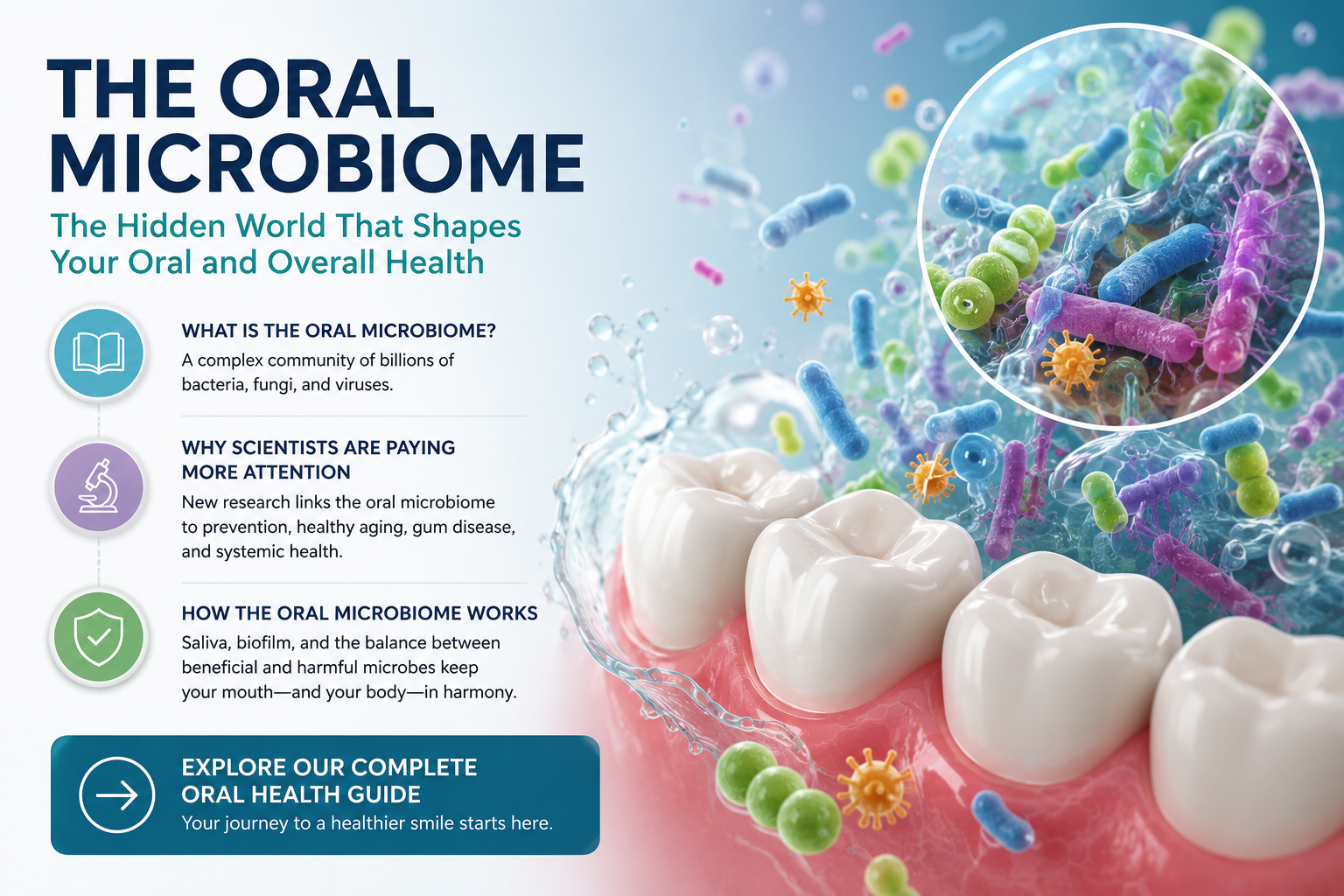
When most people think about oral health, they usually focus on brushing, flossing, cavities, gum disease, or bad breath. However, beneath all of these familiar concerns lies a complex biological system that scientists are studying more closely: the oral microbiome.
The oral microbiome is the community of microorganisms that naturally lives throughout the mouth. These microorganisms can be found on the teeth, gums, tongue, cheeks, palate, tonsils, dental surfaces, and within saliva. They include many types of bacteria, as well as fungi, viruses, and other microscopic organisms.
Although the word “bacteria” often sounds negative, not all oral bacteria are harmful. Many microorganisms are normal residents of the mouth and may contribute to a stable oral environment. Problems are more likely to arise when this ecosystem becomes unbalanced and potentially harmful organisms begin to dominate.
This imbalance, sometimes described as oral dysbiosis, may contribute to plaque accumulation, unpleasant breath, tooth decay, gum inflammation, periodontal disease, and other oral health concerns. For this reason, modern oral care is increasingly focused not only on removing bacteria, but also on supporting a healthier balance within the mouth.
Understanding the oral microbiome can help explain why oral health depends on more than toothpaste or mouthwash alone. Diet, saliva, hydration, medications, aging, smoking, stress, oral hygiene, and professional dental care can all influence the microbial environment inside the mouth.
Bacteria, fungi, viruses, and other microorganisms naturally live on oral surfaces and within saliva.
Many oral microorganisms are normal residents and may help maintain stability within the oral environment.
Oral health depends on controlling harmful overgrowth while preserving a diverse and stable ecosystem.
Saliva helps wash oral surfaces, regulate acidity, support remineralization, and transport antimicrobial compounds.
Diet, sugar intake, hydration, smoking, medications, age, hygiene habits, and dental care can affect microbial balance.
Researchers continue to investigate connections between oral microorganisms, inflammation, and broader health outcomes.
The oral microbiome is the complete community of microorganisms living inside the mouth and the environment created by their interactions with oral tissues, saliva, nutrients, oxygen, and one another.
In simple terms, your mouth is not an empty or sterile space. It is a living ecosystem. Different areas of the mouth create different habitats, allowing specific microbial communities to develop.
The surface of the tongue, for example, contains grooves and small structures that can retain moisture, food particles, and microorganisms. The smooth surfaces of the teeth offer a different environment, while the narrow spaces between the teeth and along the gumline may have lower oxygen levels and less mechanical disturbance.
Because each location has its own conditions, the oral microbiome is not identical throughout the mouth. The microorganisms found in saliva may differ from those living in dental plaque, on the tongue, beneath the gumline, or near dental restorations.
The oral microbiome is the community of bacteria, fungi, viruses, and other microorganisms that naturally live in the mouth and interact with the teeth, gums, tongue, saliva, and surrounding tissues.
The oral microbiome includes a wide variety of microscopic life. Bacteria are the most frequently discussed members, but they are only one part of this complex environment.
The mouth may contain billions of bacterial cells representing hundreds of different species. Some are associated with normal oral stability, while others may contribute to cavities, inflammation, plaque buildup, or gum disease under favorable conditions.
Fungi can also live naturally in the oral cavity. Certain yeasts may exist without causing symptoms, but overgrowth can become more likely when immunity, saliva flow, medication use, or microbial balance changes.
The oral environment also contains viruses, including viruses that infect human cells and bacteriophages that interact with bacteria. Scientists are still investigating how these viral communities influence oral microbial stability.
Oral microorganisms compete for nutrients and space, communicate chemically, attach to surfaces, and form communities. These interactions help determine whether the oral ecosystem remains relatively stable or shifts toward disease.
The presence of microorganisms does not automatically mean that disease is developing. In many cases, oral health depends on the relationship between the organisms, the host immune response, saliva, diet, hygiene, and environmental conditions.
A microorganism that exists peacefully under one set of conditions may become more problematic when conditions change. Frequent sugar exposure, reduced saliva, smoking, poor plaque control, antibiotic use, or weakened immune defenses can alter the environment and encourage certain organisms to multiply.
Scientists have studied oral bacteria for many years, but newer research methods have made it possible to examine microbial communities in greater detail. Instead of studying only a small number of organisms that can be grown in a laboratory, researchers can now analyze genetic material collected from saliva, plaque, the tongue, and gum pockets.
These methods have revealed that the oral microbiome is far more diverse and interactive than previously understood. Researchers are increasingly examining not only which microorganisms are present, but also what they are doing, how they interact, and how the overall community changes during health and disease.
Microbial changes may begin before obvious symptoms become severe. Better understanding of these changes could support earlier identification of risk and more personalized preventive strategies.
The oral environment may change with age because of medication use, dry mouth, dietary changes, reduced dexterity, chronic health conditions, dental restorations, or changes in immune function. These factors can influence the oral microbiome, especially in adults over 40.
Periodontal disease is not caused by a single microorganism acting alone. It involves complex interactions among microbial communities, inflammation, immune responses, genetics, hygiene, smoking, and other risk factors.
Researchers continue to examine associations between oral inflammation, periodontal disease, microbial products, and broader health conditions. These relationships are complex and do not mean that oral bacteria alone directly cause every associated condition.
This growing field is gradually changing how oral health is discussed. The goal is no longer simply to destroy as many microorganisms as possible. Instead, researchers are exploring how oral care may control harmful activity while preserving a more resilient microbial ecosystem.
The oral microbiome is constantly changing. Every meal, drink, brushing session, medication, cigarette, period of sleep, and change in saliva flow can influence conditions inside the mouth.
Microorganisms attach to oral surfaces, consume nutrients, produce metabolic compounds, compete with other organisms, and interact with the immune system. Some organisms thrive in oxygen-rich areas, while others prefer the lower-oxygen spaces between teeth or beneath the gumline.
The health of the ecosystem depends on a dynamic balance among microbial activity, saliva, oral hygiene, dietary exposure, tissue health, and host defenses.
Saliva is one of the most important regulators of the oral environment. It continuously bathes the teeth, gums, tongue, and soft tissues, helping to remove loose food particles and microorganisms.
Saliva also contains minerals, proteins, enzymes, antibodies, and antimicrobial compounds. These components help neutralize acids, protect oral tissues, support enamel remineralization, and limit excessive microbial growth.
When saliva production decreases, the oral environment can change quickly. Dry mouth may allow acids, food residue, and plaque to remain in contact with teeth and gums for longer periods. This can increase the risk of discomfort, cavities, bad breath, and microbial imbalance.
Oral microorganisms rarely live as isolated cells. Many attach to surfaces and form organized communities known as biofilms.
Dental plaque is a familiar example of an oral biofilm. It begins when proteins from saliva form a thin coating on the teeth. Microorganisms attach to this coating, multiply, and produce a protective matrix that helps them remain on the surface.
A newly forming biofilm is not automatically harmful. However, when plaque is allowed to mature, especially near the gumline or between teeth, its microbial composition and activity may change. Frequent sugar exposure can also encourage acid-producing organisms, increasing the risk of enamel demineralization and cavities.
This is why regular brushing, interdental cleaning, professional dental care, and dietary habits remain essential. Oral hygiene physically disrupts the biofilm before it becomes more organized and difficult to control.
Describing oral bacteria as simply “good” or “bad” can be useful for basic explanations, but the reality is more complex. Many organisms behave differently depending on their numbers, location, neighboring organisms, nutrient availability, and the condition of the host.
| More Stable Oral Environment | Potentially Unbalanced Environment |
|---|---|
| Diverse microbial community | Overgrowth of disease-associated organisms |
| Regular saliva flow | Dry mouth or reduced saliva protection |
| Limited and controlled plaque buildup | Mature plaque biofilm near the gumline |
| Moderate sugar exposure | Frequent sugar and refined carbohydrate exposure |
| Healthy gum tissues | Persistent inflammation or bleeding gums |
| Consistent oral hygiene | Infrequent brushing or interdental cleaning |
Beneficial or health-associated organisms may compete with potentially harmful microorganisms for space and nutrients. They may also produce substances that discourage the growth of competing organisms or contribute to a more stable local environment.
Potentially harmful organisms become more concerning when environmental changes allow them to increase in number or activity. This shift may contribute to excess acid production, inflammation, unpleasant odors, tissue irritation, or breakdown of the structures supporting the teeth.
A healthy oral microbiome does not mean having a bacteria-free mouth. Completely sterilizing the mouth is neither realistic nor desirable. The goal is to support an environment in which microbial communities remain relatively stable and less likely to contribute to disease.
This balance can be influenced by daily oral hygiene, saliva flow, diet, sugar frequency, hydration, smoking, alcohol use, medication, sleep, stress, dental appliances, chronic health conditions, and regular professional care.
When the ecosystem remains balanced, the mouth is generally better able to resist disruptive changes. When the ecosystem becomes unstable, plaque accumulation, acid production, inflammation, bad breath, decay, or periodontal problems may become more likely.
Supporting the oral microbiome does not replace brushing, flossing, professional cleanings, dental treatment, or medical care. It is one part of a complete preventive oral health strategy.
Learn how the oral microbiome, healthy gums, fresh breath, oral probiotics, nutrition, hydration, and daily habits work together to support better oral health after 40.
When most people think about oral health, they usually focus on brushing, flossing, cavities, gum disease, or bad breath. However, beneath all of these familiar concerns lies a complex biological system that scientists are studying more closely: the oral microbiome.
The oral microbiome is the community of microorganisms that naturally lives throughout the mouth. These microorganisms can be found on the teeth, gums, tongue, cheeks, palate, tonsils, dental surfaces, and within saliva. They include many types of bacteria, as well as fungi, viruses, and other microscopic organisms.
Although the word “bacteria” often sounds negative, not all oral bacteria are harmful. Many microorganisms are normal residents of the mouth and may contribute to a stable oral environment. Problems are more likely to arise when this ecosystem becomes unbalanced and potentially harmful organisms begin to dominate.
This imbalance, sometimes described as oral dysbiosis, may contribute to plaque accumulation, unpleasant breath, tooth decay, gum inflammation, periodontal disease, and other oral health concerns. For this reason, modern oral care is increasingly focused not only on removing bacteria, but also on supporting a healthier balance within the mouth.
Understanding the oral microbiome can help explain why oral health depends on more than toothpaste or mouthwash alone. Diet, saliva, hydration, medications, aging, smoking, stress, oral hygiene, and professional dental care can all influence the microbial environment inside the mouth.
Bacteria, fungi, viruses, and other microorganisms naturally live on oral surfaces and within saliva.
Many oral microorganisms are normal residents and may help maintain stability within the oral environment.
Oral health depends on controlling harmful overgrowth while preserving a diverse and stable ecosystem.
Saliva helps wash oral surfaces, regulate acidity, support remineralization, and transport antimicrobial compounds.
Diet, sugar intake, hydration, smoking, medications, age, hygiene habits, and dental care can affect microbial balance.
Researchers continue to investigate connections between oral microorganisms, inflammation, and broader health outcomes.
The oral microbiome is the complete community of microorganisms living inside the mouth and the environment created by their interactions with oral tissues, saliva, nutrients, oxygen, and one another.
In simple terms, your mouth is not an empty or sterile space. It is a living ecosystem. Different areas of the mouth create different habitats, allowing specific microbial communities to develop.
The surface of the tongue, for example, contains grooves and small structures that can retain moisture, food particles, and microorganisms. The smooth surfaces of the teeth offer a different environment, while the narrow spaces between the teeth and along the gumline may have lower oxygen levels and less mechanical disturbance.
Because each location has its own conditions, the oral microbiome is not identical throughout the mouth. The microorganisms found in saliva may differ from those living in dental plaque, on the tongue, beneath the gumline, or near dental restorations.
The oral microbiome is the community of bacteria, fungi, viruses, and other microorganisms that naturally live in the mouth and interact with the teeth, gums, tongue, saliva, and surrounding tissues.
The oral microbiome includes a wide variety of microscopic life. Bacteria are the most frequently discussed members, but they are only one part of this complex environment.
The mouth may contain billions of bacterial cells representing hundreds of different species. Some are associated with normal oral stability, while others may contribute to cavities, inflammation, plaque buildup, or gum disease under favorable conditions.
Fungi can also live naturally in the oral cavity. Certain yeasts may exist without causing symptoms, but overgrowth can become more likely when immunity, saliva flow, medication use, or microbial balance changes.
The oral environment also contains viruses, including viruses that infect human cells and bacteriophages that interact with bacteria. Scientists are still investigating how these viral communities influence oral microbial stability.
Oral microorganisms compete for nutrients and space, communicate chemically, attach to surfaces, and form communities. These interactions help determine whether the oral ecosystem remains relatively stable or shifts toward disease.
The presence of microorganisms does not automatically mean that disease is developing. In many cases, oral health depends on the relationship between the organisms, the host immune response, saliva, diet, hygiene, and environmental conditions.
A microorganism that exists peacefully under one set of conditions may become more problematic when conditions change. Frequent sugar exposure, reduced saliva, smoking, poor plaque control, antibiotic use, or weakened immune defenses can alter the environment and encourage certain organisms to multiply.
Scientists have studied oral bacteria for many years, but newer research methods have made it possible to examine microbial communities in greater detail. Instead of studying only a small number of organisms that can be grown in a laboratory, researchers can now analyze genetic material collected from saliva, plaque, the tongue, and gum pockets.
These methods have revealed that the oral microbiome is far more diverse and interactive than previously understood. Researchers are increasingly examining not only which microorganisms are present, but also what they are doing, how they interact, and how the overall community changes during health and disease.
Microbial changes may begin before obvious symptoms become severe. Better understanding of these changes could support earlier identification of risk and more personalized preventive strategies.
The oral environment may change with age because of medication use, dry mouth, dietary changes, reduced dexterity, chronic health conditions, dental restorations, or changes in immune function. These factors can influence the oral microbiome, especially in adults over 40.
Periodontal disease is not caused by a single microorganism acting alone. It involves complex interactions among microbial communities, inflammation, immune responses, genetics, hygiene, smoking, and other risk factors.
Researchers continue to examine associations between oral inflammation, periodontal disease, microbial products, and broader health conditions. These relationships are complex and do not mean that oral bacteria alone directly cause every associated condition.
This growing field is gradually changing how oral health is discussed. The goal is no longer simply to destroy as many microorganisms as possible. Instead, researchers are exploring how oral care may control harmful activity while preserving a more resilient microbial ecosystem.
The oral microbiome is constantly changing. Every meal, drink, brushing session, medication, cigarette, period of sleep, and change in saliva flow can influence conditions inside the mouth.
Microorganisms attach to oral surfaces, consume nutrients, produce metabolic compounds, compete with other organisms, and interact with the immune system. Some organisms thrive in oxygen-rich areas, while others prefer the lower-oxygen spaces between teeth or beneath the gumline.
The health of the ecosystem depends on a dynamic balance among microbial activity, saliva, oral hygiene, dietary exposure, tissue health, and host defenses.
Saliva is one of the most important regulators of the oral environment. It continuously bathes the teeth, gums, tongue, and soft tissues, helping to remove loose food particles and microorganisms.
Saliva also contains minerals, proteins, enzymes, antibodies, and antimicrobial compounds. These components help neutralize acids, protect oral tissues, support enamel remineralization, and limit excessive microbial growth.
When saliva production decreases, the oral environment can change quickly. Dry mouth may allow acids, food residue, and plaque to remain in contact with teeth and gums for longer periods. This can increase the risk of discomfort, cavities, bad breath, and microbial imbalance.
Oral microorganisms rarely live as isolated cells. Many attach to surfaces and form organized communities known as biofilms.
Dental plaque is a familiar example of an oral biofilm. It begins when proteins from saliva form a thin coating on the teeth. Microorganisms attach to this coating, multiply, and produce a protective matrix that helps them remain on the surface.
A newly forming biofilm is not automatically harmful. However, when plaque is allowed to mature, especially near the gumline or between teeth, its microbial composition and activity may change. Frequent sugar exposure can also encourage acid-producing organisms, increasing the risk of enamel demineralization and cavities.
This is why regular brushing, interdental cleaning, professional dental care, and dietary habits remain essential. Oral hygiene physically disrupts the biofilm before it becomes more organized and difficult to control.
Describing oral bacteria as simply “good” or “bad” can be useful for basic explanations, but the reality is more complex. Many organisms behave differently depending on their numbers, location, neighboring organisms, nutrient availability, and the condition of the host.
| More Stable Oral Environment | Potentially Unbalanced Environment |
|---|---|
| Diverse microbial community | Overgrowth of disease-associated organisms |
| Regular saliva flow | Dry mouth or reduced saliva protection |
| Limited and controlled plaque buildup | Mature plaque biofilm near the gumline |
| Moderate sugar exposure | Frequent sugar and refined carbohydrate exposure |
| Healthy gum tissues | Persistent inflammation or bleeding gums |
| Consistent oral hygiene | Infrequent brushing or interdental cleaning |
Beneficial or health-associated organisms may compete with potentially harmful microorganisms for space and nutrients. They may also produce substances that discourage the growth of competing organisms or contribute to a more stable local environment.
Potentially harmful organisms become more concerning when environmental changes allow them to increase in number or activity. This shift may contribute to excess acid production, inflammation, unpleasant odors, tissue irritation, or breakdown of the structures supporting the teeth.
A healthy oral microbiome does not mean having a bacteria-free mouth. Completely sterilizing the mouth is neither realistic nor desirable. The goal is to support an environment in which microbial communities remain relatively stable and less likely to contribute to disease.
This balance can be influenced by daily oral hygiene, saliva flow, diet, sugar frequency, hydration, smoking, alcohol use, medication, sleep, stress, dental appliances, chronic health conditions, and regular professional care.
When the ecosystem remains balanced, the mouth is generally better able to resist disruptive changes. When the ecosystem becomes unstable, plaque accumulation, acid production, inflammation, bad breath, decay, or periodontal problems may become more likely.
Supporting the oral microbiome does not replace brushing, flossing, professional cleanings, dental treatment, or medical care. It is one part of a complete preventive oral health strategy.
Learn how the oral microbiome, healthy gums, fresh breath, oral probiotics, nutrition, hydration, and daily habits work together to support better oral health after 40.
Deepen your understanding of oral bacteria, probiotics, and the daily habits that help support a healthier mouth.
The idea of “good” and “bad” oral bacteria is a useful starting point, but the oral microbiome is more complex than a simple battle between helpful and harmful microorganisms. Many bacteria normally live in the mouth without causing disease. Their effects depend on their numbers, location, surrounding environment, neighboring microorganisms, and the health of the person.
Health-associated bacteria may help occupy space that could otherwise be used by more disruptive organisms. Some also compete for nutrients, interact with saliva, and contribute to a stable oral environment. In a balanced microbiome, no single group becomes dominant enough to significantly disrupt the teeth, gums, tongue, or oral tissues.
Potentially harmful bacteria become more concerning when conditions inside the mouth begin to favor their growth. Frequent sugar intake, plaque accumulation, dry mouth, smoking, poor oral hygiene, inflammation, and reduced immune defenses may allow certain microorganisms to multiply or become more active.
This means that a bacterium is not always harmful simply because it is present. Disease often develops when the overall microbial community shifts, the environment becomes less stable, and inflammatory or acid-producing activity increases.
These microorganisms are commonly found in a stable oral environment and may help support microbial diversity and competition.
These organisms may contribute to oral disease when they increase in number, form mature biofilms, or interact with inflammation.
A healthy mouth is not bacteria-free. The practical goal is to prevent harmful overgrowth, regularly disrupt plaque, protect saliva flow, and support conditions that favor a more stable microbial community.
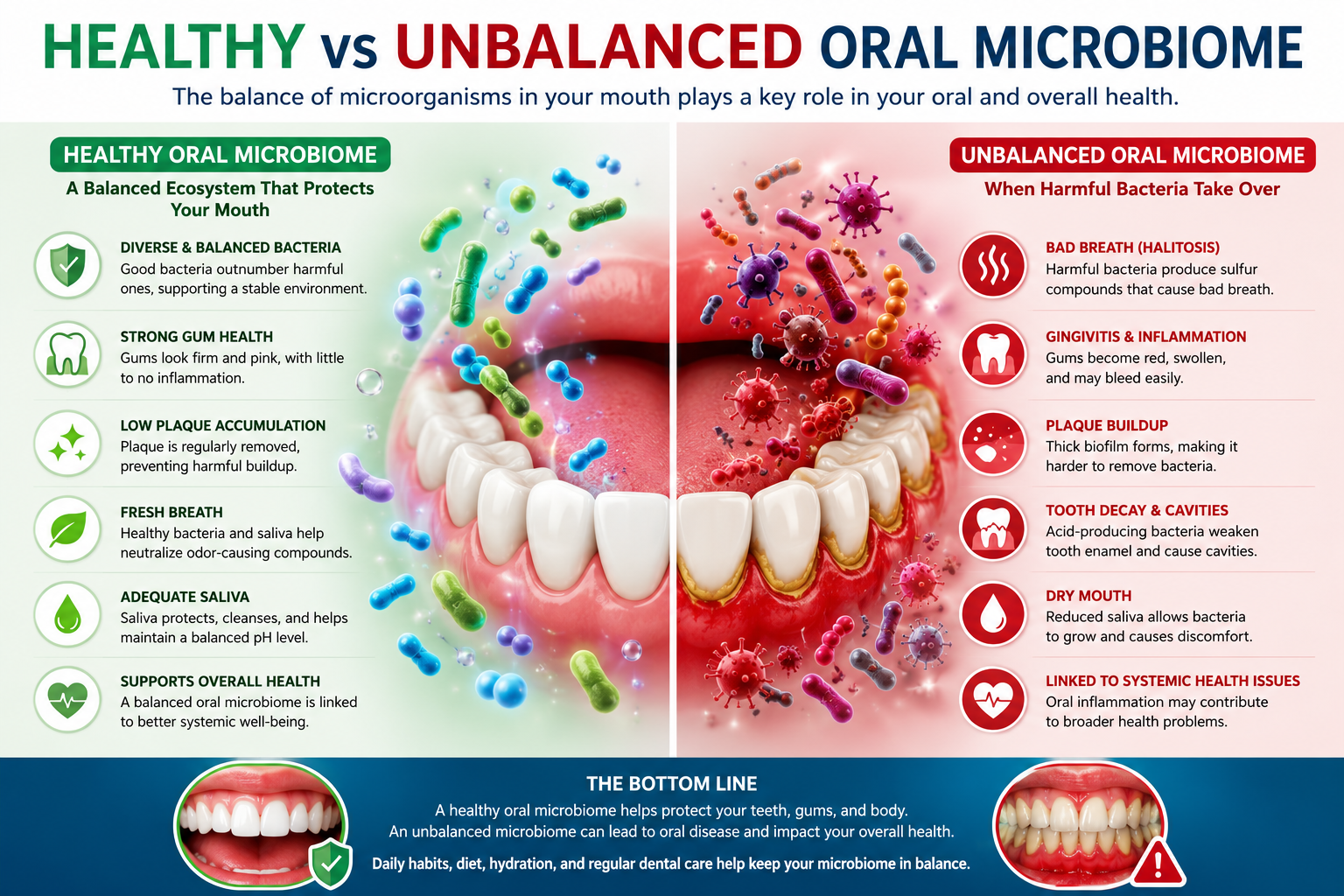
An unbalanced oral microbiome is often referred to as oral dysbiosis. Dysbiosis occurs when the composition or activity of the microbial community changes in a way that may increase the risk of oral disease.
This shift does not usually happen overnight. It may develop gradually as plaque accumulates, sugar exposure increases, saliva flow decreases, gum inflammation continues, or daily oral hygiene becomes inconsistent.
When the environment favors disease-associated organisms, the mouth may experience more acid production, stronger odor-causing activity, increased inflammation, thicker plaque biofilm, and reduced natural protection.
Persistent bad breath is often linked to bacterial activity on the tongue, between teeth, around the gumline, or in areas where food debris and plaque remain.
Certain microorganisms break down proteins and release volatile sulfur compounds. These compounds can create unpleasant odors, especially when tongue cleaning, hydration, saliva flow, or plaque control is inadequate.
Bad breath may also be influenced by dry mouth, smoking, gum disease, diet, medications, or medical conditions. Persistent symptoms should be evaluated by a dental or healthcare professional.
Gingivitis commonly develops when plaque remains near the gumline and triggers an inflammatory response. The gums may become red, swollen, tender, or more likely to bleed during brushing and flossing.
The microbial community inside mature plaque may become increasingly different from the community found around healthy gums. If the plaque is not disrupted, inflammation may continue and create conditions that favor additional microbial imbalance.
Gingivitis can often improve with more effective plaque removal and professional dental care, but untreated gum inflammation may progress in some people.
Dental plaque is an organized biofilm containing microorganisms, proteins, food-related compounds, and a protective matrix. It constantly begins forming on tooth surfaces after cleaning.
When plaque is regularly removed, the microbial community is less likely to mature into a more complex biofilm. When it remains undisturbed, microorganisms may become more protected and difficult to remove.
Plaque is especially important near the gumline and between teeth, where toothbrush bristles may not reach effectively without interdental cleaning.
Cavities develop when acid-producing microorganisms repeatedly metabolize sugars and refined carbohydrates. These acids lower the pH around the teeth and may remove minerals from enamel.
Saliva normally helps neutralize acids and support remineralization. However, frequent sugar exposure may create repeated acid attacks before the enamel has enough time to recover.
Over time, continued mineral loss can weaken the tooth surface and contribute to cavity formation.
Dry mouth, also called xerostomia, can significantly affect the oral microbiome because saliva is one of the mouth’s most important protective systems.
When saliva flow decreases, acids may remain on the teeth longer, food debris may be cleared less effectively, and odor-causing compounds may become more concentrated. Reduced lubrication can also make speaking, swallowing, or wearing dentures uncomfortable.
Dry mouth may be associated with dehydration, medications, aging, mouth breathing, medical treatments, health conditions, alcohol, tobacco use, or other factors.
The oral microbiome is not fixed. It responds continuously to food, beverages, hygiene, medications, habits, saliva, age, stress, and general health.
Some influences are temporary, while others may gradually reshape the oral environment. Understanding these factors can make it easier to build daily habits that support a more stable microbial balance.
Food provides nutrients not only for the body but also for oral microorganisms. A varied diet containing vegetables, fruits, proteins, whole foods, and adequate minerals may support saliva production and general oral health.
Highly processed foods that adhere to the teeth may remain available to plaque bacteria for longer periods.
Sugar is particularly important because acid-producing bacteria can metabolize it rapidly. The frequency of sugar exposure may be as important as the total amount consumed.
Repeated snacks, sweetened beverages, and frequent sugary foods can cause multiple drops in oral pH throughout the day.
Antibiotics can affect microbial communities throughout the body, including the mouth. Their impact varies depending on the medication, dose, duration, and individual response.
Antibiotics should be used only as prescribed. They should not be avoided when medically necessary, nor used without professional guidance.
Smoking can alter saliva, reduce oxygen in some oral environments, increase gum disease risk, contribute to staining, delay healing, and influence microbial composition.
Tobacco use may also hide early signs of gum inflammation by reducing visible bleeding in some users.
Alcoholic beverages may contribute to oral dryness, acidity, and changes in the oral environment. Some drinks also contain substantial amounts of sugar.
Frequent alcohol exposure may be more disruptive when combined with smoking, poor hydration, or inconsistent oral care.
Aging does not automatically cause poor oral health, but age-related changes can influence the microbiome. Medication use, reduced saliva, dental restorations, gum recession, chronic health conditions, and reduced manual dexterity may affect oral care.
These changes make preventive habits especially important for adults over 40.
Stress may influence immune function, saliva flow, eating habits, teeth grinding, smoking, alcohol use, and daily self-care.
Poor sleep can also make it harder to maintain consistent oral hygiene and healthy food choices.
Adequate hydration supports normal saliva production. Water also helps rinse loose food particles and may reduce the time that sugars and acids remain concentrated in the mouth.
Hydration is especially important for people who experience dry mouth or take medications that reduce saliva flow.
The oral microbiome changes throughout life. Tooth eruption, diet, hormones, dental treatment, medications, aging, lifestyle, and health conditions all influence which microorganisms are present and how they behave.
The oral microbiome begins developing very early in life. As teeth erupt, new hard surfaces become available for microorganisms to colonize, increasing microbial diversity.
Feeding patterns, sugar exposure, brushing habits, fluoride use, family routines, and dental visits can shape the oral environment during childhood.
Establishing consistent oral hygiene early may help reduce plaque accumulation and create healthier habits that continue into adulthood.
During adulthood, diet, stress, work schedules, smoking, alcohol use, pregnancy, medications, dental restorations, and oral hygiene patterns may influence microbial balance.
Plaque control often becomes more challenging around crowns, bridges, implants, orthodontic appliances, crowded teeth, or areas of gum recession.
Regular dental visits remain important because early gum inflammation and tooth decay may not always cause immediate discomfort.
Adults over 40 may experience changes in saliva flow, gum position, medication use, immune response, dental work, and chronic health conditions.
Gum recession can expose root surfaces that are more vulnerable than enamel. Reduced saliva may also increase the risk of cavities, discomfort, and bad breath.
Maintaining oral health after 40 usually requires more than brushing alone. Interdental cleaning, tongue cleaning, hydration, balanced nutrition, professional cleanings, and management of dry mouth can become increasingly important.
The following table summarizes common differences between a relatively stable oral environment and one showing signs of microbial imbalance.
| Oral Health Factor | Healthier, More Balanced Environment | Potentially Unbalanced Environment |
|---|---|---|
| Microbial diversity | Diverse community without excessive dominance by disease-associated organisms | Overgrowth or increased activity of acid-producing, inflammatory, or odor-associated organisms |
| Saliva | Adequate flow supporting cleansing, lubrication, pH control, and remineralization | Reduced saliva, dryness, greater acid exposure, and less natural cleansing |
| Plaque | Plaque regularly disrupted through brushing and interdental cleaning | Thick, mature biofilm around the gumline or between teeth |
| Gums | Firm appearance with minimal bleeding or swelling | Persistent redness, tenderness, swelling, bleeding, or gum recession |
| Breath | Generally neutral following routine cleaning and hydration | Persistent unpleasant odor linked to tongue coating, plaque, dryness, or gum problems |
| Tooth surface | Saliva and fluoride help support remineralization | Frequent acid attacks may increase enamel demineralization and cavity risk |
| Diet | Limited sugar frequency, varied whole foods, and adequate hydration | Frequent sugary snacks, acidic drinks, sticky foods, and low water intake |
| Daily care | Consistent brushing, interdental cleaning, tongue care, and dental visits | Irregular cleaning, untreated dental problems, and infrequent professional care |
Explore our in-depth guide to oral probiotics, gum health, fresh breath, nutrition, daily hygiene, prevention, and the oral microbiome.
Educational content designed to help you make more informed oral health decisions.
Learn how oral bacteria, saliva, plaque, probiotics, gum health, bad breath, and daily habits work together inside the mouth.
Explore oral probiotics, healthy gums, fresh breath, nutrition, prevention, daily hygiene, and science-based oral care for adults over 40.
Explore the complete guide →Discover how many microorganisms live in the mouth, where they are found, and how they influence teeth, gums, saliva, and breath.
Learn about oral bacteria →Review the growing scientific interest in oral probiotics and their potential role in supporting microbial balance.
Explore the research →Understand how health-associated and disease-associated bacteria behave and why balance matters more than eliminating every microorganism.
Compare oral bacteria →Build a practical routine that supports plaque control, saliva production, gum health, fresh breath, and a healthier oral environment.
Improve your routine →Learn why researchers study the relationship between oral inflammation, periodontal health, microorganisms, and the rest of the body.
Explore the connection →Examine how selected probiotic strains are being studied for their potential effects on plaque, microbial competition, and gum health.
Learn about gum support →Discover how tongue coating, plaque, dry mouth, food debris, gum disease, and bacterial compounds can contribute to persistent bad breath.
Understand bad breath →Learn how reduced saliva flow may affect microbial balance, acid control, fresh breath, swallowing comfort, and cavity risk.
Explore dry mouth →Over the past two decades, advances in genetic sequencing and microbiology have transformed scientists' understanding of the oral microbiome. Rather than viewing the mouth as simply a place where harmful bacteria cause cavities or gum disease, researchers now recognize it as one of the body's most complex microbial ecosystems.
Today, studies suggest that the oral microbiome contains hundreds of bacterial species living alongside fungi, viruses, and other microorganisms. These organisms constantly interact with each other, saliva, immune cells, and oral tissues. Their balance—or imbalance—may influence oral health throughout life.
Researchers are especially interested in how microbial communities change before disease becomes clinically visible. Instead of searching for a single "bad bacterium," modern research focuses on how the entire microbial ecosystem shifts over time.
Numerous studies published in peer-reviewed journals have investigated relationships between oral microbial imbalance, dental plaque, gingivitis, periodontitis, tooth decay, halitosis, dry mouth, and inflammatory responses. Scientists are also exploring possible associations between oral inflammation and broader aspects of systemic health. However, many of these relationships remain under investigation, and researchers continue to study the underlying biological mechanisms.
Although scientific understanding continues to evolve, one conclusion is already clear: maintaining a balanced oral environment through consistent daily care remains one of the most effective strategies for supporting long-term oral health.
Many everyday habits influence the oral microbiome. While no single food, supplement, or routine can instantly transform the microbial community, healthy daily behaviors help create conditions that favor a more balanced oral environment.
Instead of trying to eliminate every microorganism, current preventive dentistry emphasizes supporting the mouth's natural defenses while reducing factors that encourage harmful microbial overgrowth.
Everything you eat affects the oral environment. Foods rich in vitamins, minerals, fiber, and protein help support saliva production and overall oral health.
Fresh fruits, vegetables, dairy products, lean proteins, nuts, seeds, and whole grains contribute nutrients needed for healthy oral tissues. Crunchy vegetables may also stimulate saliva, while dairy products provide calcium and phosphorus that help support enamel remineralization.
Frequent sugary snacks and sweetened beverages, however, provide fuel for acid-producing bacteria. Every exposure to sugar can lower oral pH for a period of time, increasing the opportunity for enamel demineralization.
Good oral hygiene remains the foundation of microbiome management. Brushing twice daily with fluoride toothpaste removes plaque before it matures into a more complex biofilm.
Cleaning between the teeth with dental floss or interdental brushes helps remove plaque from areas a toothbrush cannot reach. Tongue cleaning may also reduce bacterial coating associated with unpleasant breath.
Rather than sterilizing the mouth, these daily habits help maintain microbial balance by regularly disrupting plaque accumulation.
Sleep influences much more than energy levels. Poor sleep may affect immune function, stress hormones, inflammation, eating habits, and saliva production—all of which can influence oral health.
Many people also experience reduced saliva flow during sleep, making nighttime brushing particularly important. Removing plaque before bedtime helps reduce the amount of bacterial activity that occurs overnight.
Individuals who breathe primarily through their mouth during sleep may experience additional oral dryness, increasing discomfort and potentially affecting microbial balance.
Water is essential for maintaining adequate saliva production. Saliva continuously washes oral tissues, helps neutralize acids, lubricates the mouth, and transports minerals that support enamel health.
Insufficient hydration may contribute to dry mouth, making it easier for food particles, plaque, and odor-producing compounds to remain in the oral cavity.
Drinking water throughout the day, particularly after meals, may help reduce the time sugars and acids remain in contact with the teeth.
Even excellent home care cannot completely replace professional dental examinations and cleanings.
Dentists and dental hygienists can remove hardened tartar that brushing cannot eliminate, identify early signs of tooth decay or gum disease, evaluate dry mouth, and recommend individualized preventive strategies.
Routine checkups also provide opportunities to detect oral problems before symptoms become more severe, supporting long-term oral health and preserving the natural balance of the oral microbiome.
Supporting the oral microbiome naturally does not require complicated routines. A balanced diet, consistent oral hygiene, quality sleep, proper hydration, and regular dental care work together to create conditions that help maintain a healthier microbial ecosystem throughout life.
The oral microbiome is influenced by hundreds of small decisions made every day. While genetics, age, medications, and health conditions all play important roles, daily habits remain one of the strongest factors affecting the balance of microorganisms living inside the mouth.
Healthy habits do not eliminate every bacterium. Instead, they help create an environment where beneficial microbial communities can coexist while reducing conditions that favor excessive plaque accumulation, prolonged acid exposure, and chronic inflammation.
Building a consistent routine is generally more effective than searching for a single product or quick solution. Small daily actions performed consistently over months and years may have a much greater impact on oral health than occasional intensive treatments.
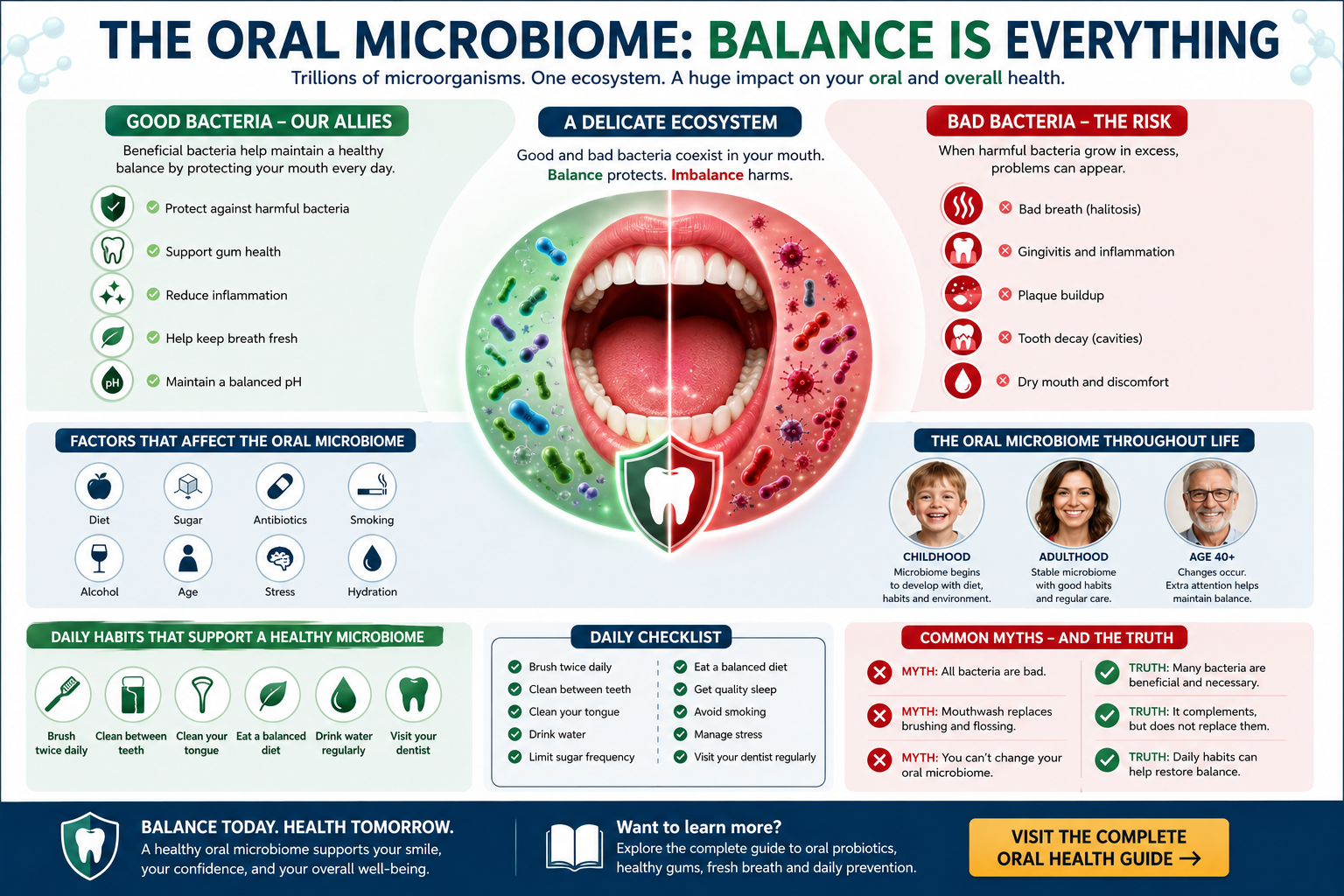
Brush for at least two minutes using fluoride toothpaste to remove plaque before it matures into a more complex biofilm.
Use dental floss or interdental brushes every day to remove plaque from areas that toothbrush bristles cannot easily reach.
Tongue cleaning helps remove bacterial coatings and food debris that may contribute to unpleasant breath.
Adequate hydration supports saliva production, helping rinse the mouth and regulate acidity throughout the day.
Limit frequent sugary snacks and include vegetables, fruits, proteins, dairy products, and whole foods whenever possible.
Routine examinations and professional cleanings help identify problems early and remove hardened tartar.
The following checklist summarizes practical daily habits that can help support a healthier oral environment.
False. Many microorganisms naturally live in the mouth and are part of a healthy microbial ecosystem. Problems generally arise when microbial balance is disrupted.
No mouthwash can replace brushing, flossing, tongue cleaning, healthy nutrition, hydration, and professional dental care.
Bad breath may have multiple causes, including dry mouth, gum disease, medications, dietary habits, medical conditions, and bacterial activity on the tongue.
Sugar is an important factor, but cavities result from interactions among bacteria, dietary habits, saliva, oral hygiene, fluoride exposure, and time.
Everyone benefits from maintaining a healthy oral microbiome, but certain groups may experience additional changes that deserve closer attention.
Age-related changes in saliva flow, medications, gum recession, and dental restorations may influence the oral environment.
Smoking may alter microbial communities, delay healing, increase plaque accumulation, and contribute to gum disease.
Individuals with diabetes may experience a higher risk of gum disease, making regular oral care especially important.
Reduced saliva can affect microbial balance, increase cavity risk, and contribute to bad breath and oral discomfort.
Braces, aligners, retainers, and other appliances create additional surfaces where plaque may accumulate if cleaning is inadequate.
Medication use, dentures, chronic conditions, and reduced manual dexterity may require additional preventive care.
Learn how oral probiotics, healthy nutrition, saliva, gum care, daily habits, and evidence-based prevention work together to support a healthier smile throughout life.
Evidence-based educational content designed to support informed oral health decisions.
Clear, evidence-based answers to common questions about oral bacteria, microbial balance, saliva, probiotics, plaque, gum health, and daily oral care.
The oral microbiome is the community of bacteria, fungi, viruses, and other microorganisms that naturally live in the mouth. These microorganisms are found on the teeth, gums, tongue, cheeks, palate, dental surfaces, and within saliva. They interact with oral tissues, nutrients, oxygen, the immune system, and one another.
No. Many oral bacteria are normal residents of the mouth and may help maintain ecological stability by competing for nutrients and space. Problems are more likely to develop when disease-associated organisms become too dominant or when the oral environment changes because of plaque buildup, frequent sugar exposure, dry mouth, smoking, inflammation, or poor hygiene.
The oral microbiome may become unbalanced because of inconsistent brushing and interdental cleaning, frequent sugar intake, reduced saliva flow, smoking, alcohol use, certain medications, antibiotic exposure, stress, poor sleep, aging, gum inflammation, and untreated dental problems. The influence of each factor varies from person to person.
Saliva helps wash away loose food particles, regulate acidity, lubricate oral tissues, support enamel remineralization, and transport immune and antimicrobial compounds. When saliva production decreases, plaque, acids, and odor-producing compounds may remain in the mouth longer, increasing the risk of dry mouth, cavities, bad breath, and microbial imbalance.
Oral microorganisms can contribute to bad breath when they break down proteins and release volatile sulfur compounds. These organisms commonly accumulate on the tongue, between the teeth, around the gumline, and within mature plaque. However, persistent bad breath may also be related to dry mouth, gum disease, smoking, medications, diet, or medical conditions.
You can support a healthier oral environment through consistent brushing with fluoride toothpaste, daily interdental cleaning, tongue cleaning, adequate hydration, balanced nutrition, limited sugar frequency, sufficient sleep, avoidance of tobacco, and regular dental visits. These habits support balance but do not guarantee that every oral health problem can be prevented.
Some probiotic strains are being studied for their potential effects on bad breath, plaque, gum health, and microbial competition. Early findings are promising in certain areas, but results vary by strain, dose, product, and individual. Oral probiotics should be viewed as a possible complement to established oral care, not a replacement for brushing, flossing, professional cleanings, or dental treatment.
The effects of mouthwash depend on its ingredients, strength, frequency of use, and the reason it is being used. Some therapeutic rinses are useful when recommended by a dental professional. However, mouthwash should not replace mechanical plaque removal, and stronger does not always mean better. People with dry mouth or sensitive tissues may need individualized guidance.
Adults over 40 may experience changes in saliva flow, medication use, gum position, immune response, dental restorations, and chronic health conditions. Gum recession can expose root surfaces, while dry mouth may increase the risk of cavities and discomfort. These changes make interdental cleaning, hydration, professional care, and early prevention increasingly important.
Schedule a dental evaluation if you experience persistent bad breath, bleeding or swollen gums, ongoing dry mouth, tooth sensitivity, pain, loose teeth, visible cavities, gum recession, or changes that do not improve with regular care. The oral microbiome cannot be accurately assessed from symptoms alone, so professional examination is important.
The oral microbiome is one of the most fascinating ecosystems in the human body. Rather than simply being a collection of bacteria, it is a dynamic community of microorganisms that continuously interacts with saliva, oral tissues, the immune system, diet, and daily habits. When this ecosystem remains balanced, it supports normal oral function and contributes to maintaining healthy teeth and gums.
Current scientific research suggests that oral health is influenced by the overall balance of microbial communities rather than by the presence of a single harmful species. Researchers continue to investigate how microbial diversity, plaque formation, inflammation, and environmental factors interact over time. Although many important discoveries have been made, the oral microbiome remains an active area of research, and scientists continue to refine their understanding of its role in both oral and overall health.
One consistent finding across the available evidence is that prevention remains the foundation of good oral health. Daily brushing with fluoride toothpaste, cleaning between the teeth, tongue cleaning, staying hydrated, eating a balanced diet, limiting frequent sugar intake, avoiding tobacco, getting sufficient sleep, and attending regular dental checkups all help create an environment that supports a healthier oral ecosystem.
It is equally important to maintain realistic expectations. No single food, supplement, mouthwash, or daily routine can instantly transform the oral microbiome or replace professional dental care. Long-term oral health is typically the result of consistent preventive habits practiced over months and years rather than quick solutions.
The goal is not to eliminate every microorganism in your mouth—it is to support a balanced microbial ecosystem through evidence-based daily habits, professional dental care, and informed lifestyle choices.
As scientific knowledge continues to evolve, understanding the oral microbiome provides a valuable opportunity to take a more preventive approach to oral health. Small improvements made consistently every day may contribute to healthier gums, fresher breath, stronger teeth, and better long-term oral wellness.
Want to learn more about oral probiotics, gum health, bad breath, plaque, dry mouth, nutrition, healthy habits, and the latest scientific evidence? Visit our comprehensive pillar guide designed to help you better understand every aspect of oral wellness.
Read the Ultimate Oral Health Guide →Continue exploring evidence-based resources about oral probiotics, healthy gums, fresh breath, and the oral microbiome. These guides are designed to help you better understand preventive oral care and build healthier daily habits.
Explore our complete pillar guide covering oral probiotics, gum health, fresh breath, nutrition, daily habits, and the latest scientific evidence.
Read Guide →Discover how trillions of microorganisms live inside the mouth and why microbial diversity plays an important role in oral health.
Read Article →Learn practical habits supported by current research that may help protect your teeth, gums, breath, and oral microbiome.
Read Article →Understand the common causes of bad breath, the role of oral bacteria, and evidence-based strategies that may help improve breath freshness.
Read Article →The information presented in this article is supported by publications from internationally recognized health organizations, peer-reviewed journals, and evidence-based clinical resources. Research on the oral microbiome continues to evolve, and recommendations may change as new high-quality studies become available.
Research supported by the U.S. National Institutes of Health on oral microbiology, periodontal disease, inflammation, host immunity, and oral-systemic health.
Peer-reviewed scientific studies covering oral microbiome diversity, oral dysbiosis, saliva, dental biofilms, oral probiotics, periodontal disease, and systemic health.
Clinical guidance on preventive dentistry, plaque control, fluoride, professional oral hygiene, and evidence-based patient education.
Educational resources on gum disease, oral hygiene, dry mouth, bad breath, preventive care, and healthy lifestyle habits.
Evidence-based information regarding oral diseases, saliva, dental plaque, periodontal disease, oral bacteria, and preventive oral healthcare.
Professional recommendations for daily oral hygiene, preventive dentistry, plaque removal, nutrition, and long-term oral health maintenance.
Clinical resources on periodontal disease, gingival inflammation, dental biofilm, risk factors, diagnosis, and prevention.
Peer-reviewed clinical research investigating periodontal disease, oral dysbiosis, inflammation, microbial ecology, and treatment outcomes.
Open-access research covering oral microbiome ecology, oral probiotics, saliva, host immunity, preventive dentistry, and emerging therapies.
Comprehensive review articles on oral microbiome diversity, microbial ecology, oral dysbiosis, biofilm development, oral-gut interactions, and systemic health.
Systematic reviews evaluating preventive oral healthcare, periodontal interventions, oral hygiene practices, and clinical evidence quality.
View all


July 14, 2026 | by By EnergyFix40 Editorial Team
July 8, 2026 | by By EnergyFix40 Editorial Team
June 8, 2026 | by By EnergyFix40 Editorial Team