✓
Evidence-Based
📅
Updated July 2026
⏱
14-Minute Read
Can Oral Health Affect
Overall Wellness?
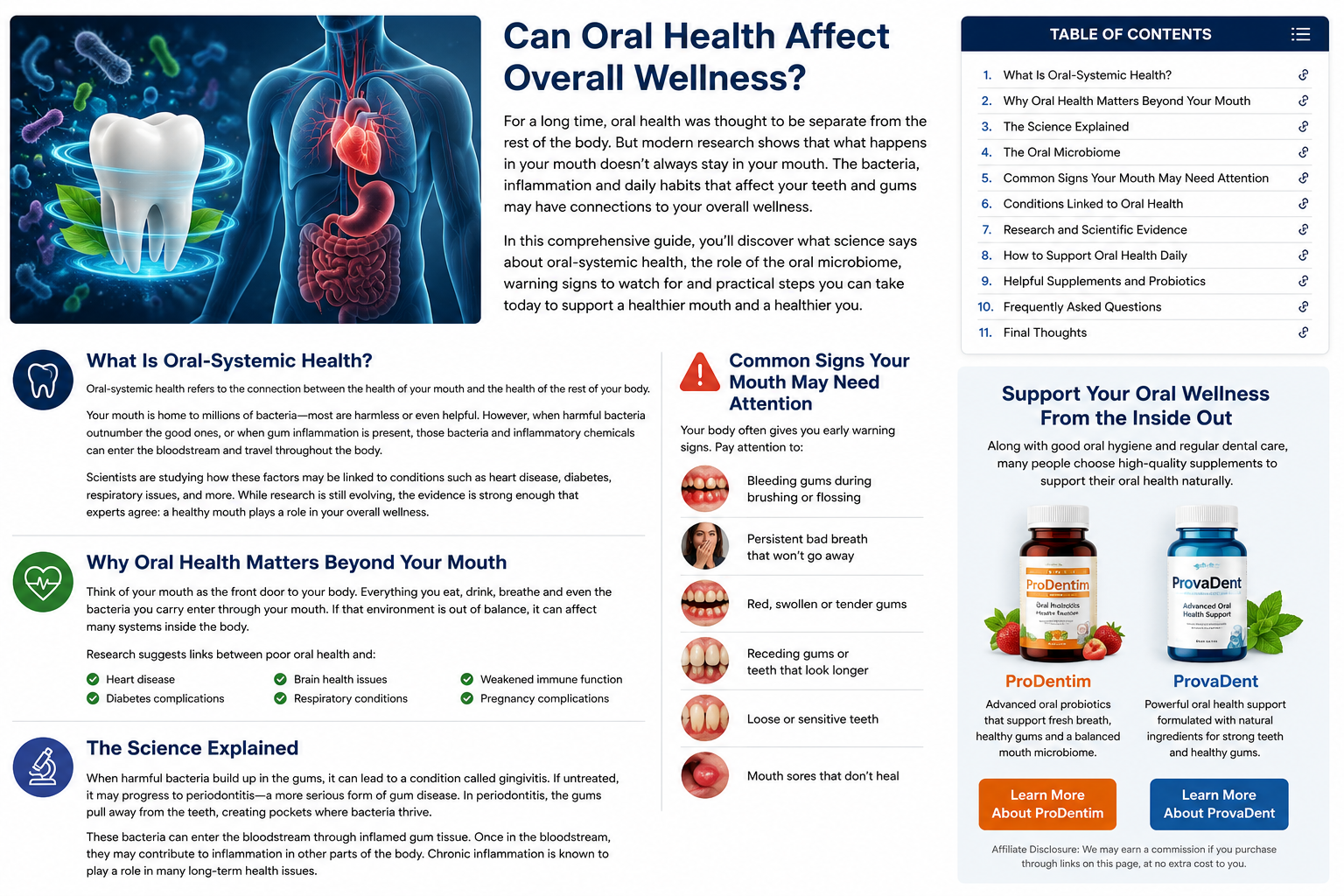
Your mouth is not isolated from the rest of your body. Explore what
scientific research suggests about oral bacteria, gum inflammation,
the oral microbiome and their possible connections with overall health.
🦷
Oral Microbiome
Learn how the community of microorganisms in your mouth may influence oral balance.
🫀
Oral-Systemic Connection
Understand associations being studied between gum health and general wellness.
🛡️
Daily Prevention
Discover practical habits that support healthier teeth, gums and fresh breath.
EXPLORE ORAL-WELLNESS SUPPORT OPTIONS
Support Your Daily Oral Care Routine
Alongside brushing, flossing, tongue cleaning and professional dental
care, some adults also explore oral-health supplements designed to
complement their daily routine.
Affiliate disclosure: We may earn a commission if you
purchase through one of these links, at no additional cost to you.
```
ORAL HEALTH AND WHOLE-BODY WELLNESS
Your Mouth May Tell You More About Your Health Than You Realize
Most people think about oral health only when they experience a
toothache, bleeding gums, sensitivity, visible plaque or persistent bad
breath. However, your mouth is not an isolated part of your body. It is
connected to your digestive, respiratory, circulatory and immune systems,
making oral care an important part of overall wellness.
The mouth contains a complex ecosystem of bacteria, fungi and other
microorganisms collectively known as the oral microbiome.
Many of these microorganisms are normal and may help maintain a balanced
oral environment. Problems may develop when plaque accumulates, saliva
production decreases, harmful microbial activity increases or the immune
system responds with prolonged inflammation.
Researchers are increasingly studying the relationship between oral
health and conditions elsewhere in the body. Gum disease, diabetes and
cardiovascular problems, for example, may occur together more frequently
than expected. These conditions may also share common risk factors,
including smoking, aging, chronic inflammation, limited access to
healthcare, poor nutrition and certain medications.
This does not mean that every oral problem causes a systemic disease.
Scientific evidence often identifies an association,
which is not the same as proving direct cause and effect. Poor general
health may worsen oral health, oral inflammation may add to the body's
inflammatory burden, and shared lifestyle factors may influence both.
🔬
Evidence-Based Perspective
Oral health should be viewed as one part of a larger wellness
picture. Maintaining healthy teeth and gums cannot prevent every
medical condition, but it may support comfort, nutrition, confidence,
quality of life and the management of certain chronic health risks.
01
What Is Oral-Systemic Health?
Oral-systemic health is the study of how conditions in the mouth may
interact with health throughout the body. Instead of examining teeth
and gums separately, this approach considers oral bacteria,
inflammation, saliva, immune responses, nutrition and chronic health
conditions as interconnected factors.
The relationship may work in both directions. Certain systemic
conditions can increase the likelihood of oral problems, while
untreated oral inflammation may make some health conditions more
difficult to manage. Diabetes is one of the clearest examples.
People with poorly controlled diabetes may face a greater risk of gum
disease, while severe periodontal inflammation may complicate blood
sugar management.
Oral-systemic wellness also includes everyday quality of life.
Toothache, missing teeth, gum tenderness, dry mouth or poorly fitting
dental appliances can interfere with eating, sleeping, speaking and
maintaining a balanced diet. Protecting oral function therefore
supports much more than appearance.
02
Why Oral Health Matters Beyond Your Mouth
Your mouth is one of the main entry points to the digestive and
respiratory systems. Every day it is exposed to food, beverages,
environmental particles and microorganisms. Healthy oral tissues,
saliva and balanced microbial communities help protect this complex
environment.
Saliva plays several important roles. It helps wash away food
particles, neutralize acids, support tooth enamel, lubricate oral
tissues and control microbial growth. When saliva production is
reduced because of dehydration, medications, aging or certain health
conditions, the risk of cavities, irritation and bad breath may rise.
Gum health is equally important. Plaque that remains along the gumline
can trigger an immune response, causing redness, tenderness and
bleeding. Early gum inflammation may improve with professional care
and better daily hygiene. If it progresses, however, it may damage
the tissues and bone that support the teeth.
Oral discomfort may also change food choices. Someone with painful or
loose teeth may avoid vegetables, nuts, lean proteins or other foods
that require chewing. This can affect nutritional quality, especially
in adults over 40 who may already face medication-related dry mouth,
gum recession or changes in dental function.
03
Scientific Explanation: How Could the Mouth Affect the Body?
Scientists are investigating several biological pathways that may
help explain the oral-systemic connection. One pathway involves the
temporary movement of oral microorganisms or their components into
the bloodstream, particularly when inflamed gums bleed.
Another possible pathway involves inflammatory signaling. When the
immune system responds repeatedly to plaque and periodontal infection,
it releases molecules designed to fight harmful microorganisms.
Persistent inflammation may contribute to a wider inflammatory burden
in susceptible individuals.
A third explanation involves shared risk factors. Smoking, diets high
in added sugars, stress, poor sleep, reduced access to preventive care,
certain medications and chronic health conditions may negatively
influence both oral and systemic wellness. This makes direct
cause-and-effect conclusions difficult.
Researchers are also examining the oral microbiome. A healthy mouth is
not bacteria-free. Instead, it contains a diverse ecosystem that
remains relatively balanced. When conditions favor acid-producing or
inflammation-associated microorganisms, the oral environment may shift
toward dysbiosis.
Dysbiosis may contribute to cavities, gum inflammation, unpleasant
breath and changes in oral tissues. Scientists continue to investigate
whether these microbial shifts also influence immune, metabolic or
inflammatory processes outside the mouth.
```
CONTINUE LEARNING
Expand Your Oral Health Knowledge
Discover more evidence-based guides that explain how the oral
microbiome, gum health and daily habits may contribute to a
healthier smile and better overall wellness.
The Oral Microbiome, Inflammation and Overall Wellness
Scientists are studying how oral microorganisms, gum inflammation and
chronic health conditions may interact. The evidence does not show that
every dental problem causes disease elsewhere in the body. Instead, it
suggests a complex relationship involving microbial balance, immune
responses, shared risk factors and two-way communication between oral
and systemic health.
🧬
MICROBIAL ECOSYSTEM
The Oral Microbiome
The oral microbiome is the community of bacteria, fungi, viruses and
other microorganisms that live on the teeth, gums, tongue, cheeks and
other surfaces of the mouth. A healthy mouth is not sterile. Many
microorganisms coexist without producing disease and may contribute
to a stable oral environment.
Problems may begin when environmental conditions change. Frequent
sugar intake, inadequate plaque removal, smoking, dry mouth, certain
medications, illness and changes in immune function can favor
microorganisms associated with tooth decay or gum inflammation. This
disturbed microbial balance is often described as
oral dysbiosis.
Dysbiosis does not mean that a single “bad bacterium” has taken over.
It usually involves changes in the entire microbial community and its
interaction with the person’s immune system. Researchers are exploring
whether these changes may influence biological processes beyond the
mouth, but many of these pathways remain under active investigation.
🔥
IMMUNE RESPONSE
Inflammation: Helpful in the Short Term, Harmful When Persistent
Inflammation is a normal protective response. When the body detects
damaged tissue or potentially harmful microorganisms, immune cells
release signaling molecules that help control the threat and begin
repair. In the gums, this response may first appear as redness,
tenderness, swelling or bleeding.
The concern develops when plaque remains in place and the inflammatory
response becomes persistent. Long-term gum inflammation may damage the
tissues surrounding the teeth. Researchers have also proposed that
inflammatory molecules, bacterial components or oral microorganisms
may sometimes enter the circulation through inflamed tissues.
These mechanisms are biologically plausible, but they do not prove
that gum inflammation directly causes a particular systemic disease.
Smoking, diet, age, genetics, obesity, stress and access to healthcare
can influence both oral and general health and must be considered when
interpreting research.
🦷
PERIODONTAL HEALTH
Gum Disease and the Loss of Oral Balance
Gingivitis is an early form of gum inflammation commonly associated
with plaque accumulation. Typical signs include gums that appear red,
swollen or prone to bleeding. At this stage, professional cleaning and
consistent daily care can often help restore healthier conditions.
Periodontitis is more advanced. In this condition, inflammation and
infection affect the structures that hold the teeth in place.
Periodontal pockets may deepen, supporting additional plaque and
bacterial growth. Over time, supporting tissue and bone may be lost,
increasing the risk of loose teeth, chewing difficulty and tooth loss.
Periodontitis is the oral condition most frequently examined in
oral-systemic research because it combines microbial dysbiosis,
chronic inflammation and damage to the gum barrier. Treating gum
disease is important for preserving teeth and oral function even when
its effect on a separate medical condition remains uncertain.
❤️
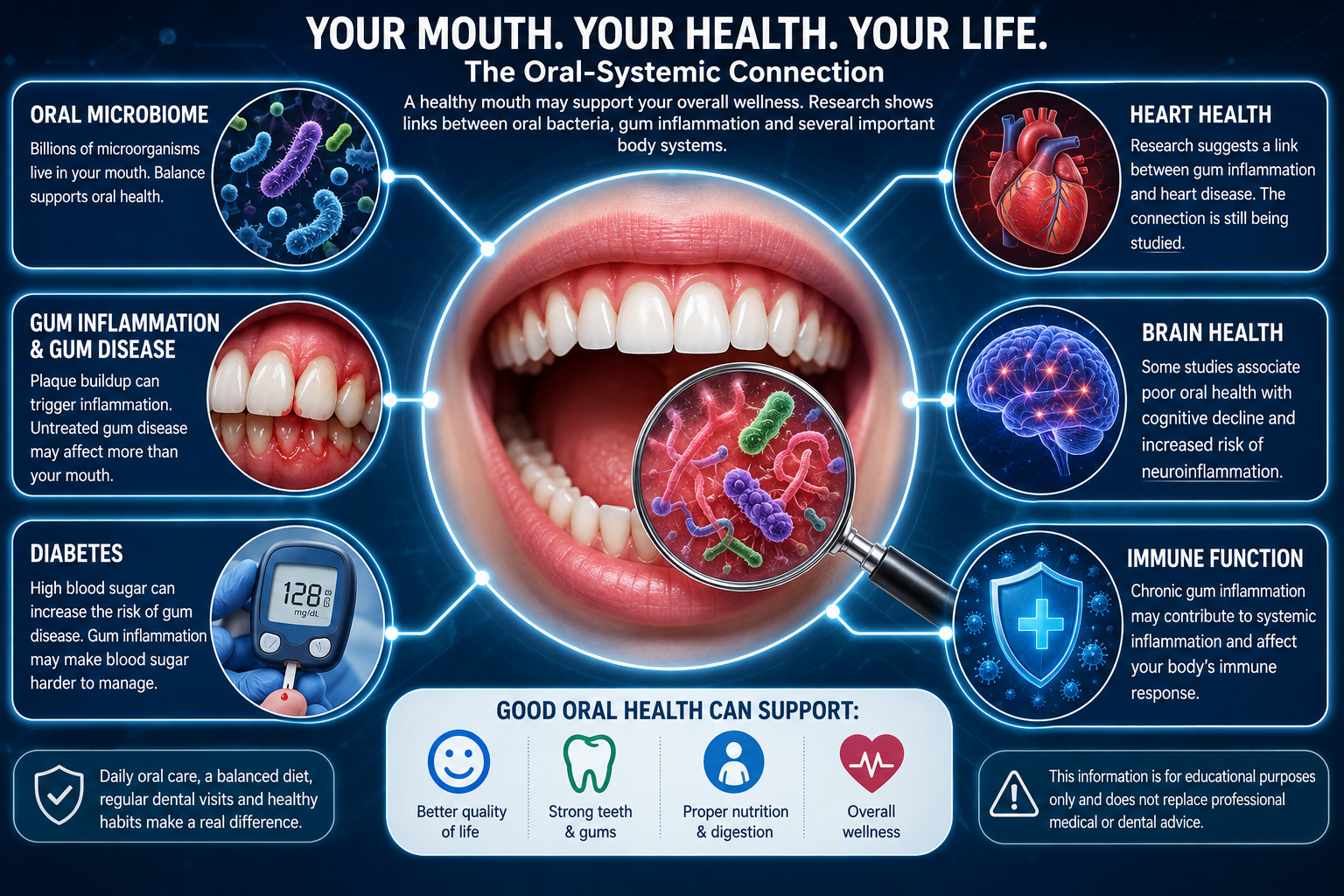
Heart Health
Observational studies frequently report an association between
periodontitis and cardiovascular disease. Researchers have examined
inflammation, bacterial movement into the bloodstream, blood-vessel
responses and shared risk factors as possible explanations.
However, an association does not demonstrate that gum disease directly
causes a heart attack or stroke. People with periodontitis may also be
more likely to smoke, have diabetes, experience limited healthcare
access or share other cardiovascular risk factors.
Evidence status:
Consistent association, but direct causality and the cardiovascular
benefit of periodontal treatment remain uncertain.
🩸
Diabetes
Diabetes and periodontal disease have one of the best-established
two-way relationships in oral-systemic health. High blood glucose may
alter immune responses, healing and the oral environment, increasing
susceptibility to infection and severe gum disease.
At the same time, significant periodontal inflammation may make blood
glucose management more challenging for some people. Research into
whether periodontal treatment produces lasting improvements in
diabetes outcomes has shown mixed results, so dental care should
complement—not replace—medical diabetes management.
Evidence status:
Strong bidirectional association; coordinated medical and dental care
is especially important.
🧠
Brain Health
Some studies have found associations between poor oral health,
periodontitis, tooth loss and cognitive decline. Proposed mechanisms
include chronic inflammation, vascular risk, microbial products,
nutritional limitations and reduced chewing function.
These findings are interesting but do not establish that oral bacteria
directly cause dementia. Aging, diabetes, smoking, cardiovascular
disease, socioeconomic factors and reduced ability to perform oral
hygiene may contribute to both cognitive and dental problems.
Evidence status:
Emerging and observational; more high-quality long-term research is
required.
🛡️
Immune Function
The immune system continually interacts with oral microorganisms.
Healthy tissues generally maintain tolerance toward normal microbial
communities while responding to potential threats. Dysbiosis and
persistent plaque can disrupt this balance and sustain local
inflammation.
Immune status can also affect the mouth. Diabetes, cancer treatments,
autoimmune conditions, medications and other factors may alter healing,
saliva production or resistance to oral infections. Oral changes may
therefore reflect broader health influences, although they are not
diagnostic by themselves.
Evidence status:
Biologically connected, but individual effects vary according to
health status, medication use and other risk factors.
📊
EVIDENCE AT A GLANCE
Oral Health and Overall Wellness: Comparison Table
Area Studied
Possible Connection
Current Interpretation
Practical Priority
Oral Microbiome
Microbial imbalance may promote cavities, gum inflammation and
altered immune signaling.
Strong role in oral disease; systemic effects remain an active
area of research.
Control plaque, reduce frequent sugar exposure and address dry
mouth.
Gum Disease
Chronic local inflammation and disruption of the gum barrier.
Clearly damages oral tissues; associated with several chronic
conditions.
Seek periodontal evaluation and follow a personalized care plan.
Heart Health
Shared inflammation, vascular factors and possible exposure to
oral microbial components.
Association observed; direct causal relationship not proven.
Maintain dental care while controlling established heart risks.
Diabetes
High blood glucose can worsen gum health; inflammation may
complicate glucose management.
Meaningful bidirectional relationship supported by substantial
evidence.
Coordinate dental care with medical diabetes management.
Brain Health
Inflammation, vascular health, nutrition and tooth loss are being
investigated.
Preserve oral function and discuss cognitive concerns with a
physician.
Immune Function
The immune system regulates responses to oral microorganisms.
Two-way biological interaction; effects vary by individual.
Report persistent infections, sores or healing problems.
Scientific note: This table summarizes associations and
proposed pathways. It should not be interpreted as evidence that one
oral condition independently causes or prevents a systemic disease.
ℹ️
Affiliate Disclosure:
Some links on this page are affiliate links. If you choose to make a
purchase through these links, EnergyFix40.com may earn a small commission
at no additional cost to you. We only recommend products we believe may
provide value to our readers.
```
EXPLORE RELATED ORAL HEALTH TOPICS
Continue Building Your Oral Health Knowledge
Explore evidence-based guides about the oral microbiome, gum health,
bad breath, oral probiotics and daily habits that may support healthier
teeth and gums over time.
What Clinical Studies Suggest—and What You Can Do Today
Research into oral-systemic health continues to grow, but the strongest
practical message is already clear: controlling plaque, treating gum
disease, protecting saliva and maintaining regular dental care can
support oral function and quality of life. These habits should remain
the foundation of any wellness-focused routine.
🔬
RESEARCH OVERVIEW
Clinical Studies and Current Scientific Evidence
Clinical and observational studies have examined relationships between
periodontal disease, diabetes, cardiovascular health, respiratory
conditions, cognitive decline and other aspects of systemic wellness.
Many studies report that people with more severe gum disease also have
a higher prevalence of certain chronic conditions.
However, observational research cannot always determine which condition
came first or whether a third factor influenced both. Age, smoking,
diet, socioeconomic conditions, medication use, diabetes, obesity,
healthcare access and personal hygiene habits may affect oral and
systemic outcomes at the same time.
Intervention studies provide another perspective by measuring what
happens after periodontal treatment. Professional treatment clearly
improves gum-related outcomes such as bleeding, pocket depth, plaque
control and preservation of the supporting tissues. Some studies also
report modest changes in systemic inflammatory markers or short-term
blood-glucose measurements, particularly among people with diabetes.
Results are not uniform across all trials. Differences in participant
health, disease severity, treatment methods and follow-up periods make
broad conclusions difficult. Periodontal treatment should therefore be
recommended primarily because it protects teeth, gums and oral function,
not because it is guaranteed to prevent or cure a separate illness.
Balanced interpretation:
Current evidence supports integrating oral care into whole-person
healthcare. It does not support replacing medical treatment with
dental treatment, supplements or oral-hygiene products.
🧫
EMERGING APPROACH
Oral Probiotics: Promising, but Not a Replacement for Care
Oral probiotics contain selected live microorganisms intended to
interact with the microbial community of the mouth. Researchers are
investigating whether particular strains can compete with undesirable
microorganisms, influence biofilm formation, support a more balanced
oral environment or reduce compounds associated with unpleasant breath.
Clinical trials and systematic reviews have reported possible benefits
for certain outcomes, including temporary reductions in selected
bacterial counts, gingival inflammation or bad-breath measurements.
However, “probiotic” is a broad category. Results from one strain,
formulation or delivery method cannot automatically be applied to every
probiotic product.
Study periods are often short, participant groups may be small and some
benefits may decrease after supplementation stops. More independent,
long-term research is needed to determine which strains are most useful,
what doses are appropriate and who is most likely to benefit.
Anyone considering an oral probiotic should treat it as an optional
addition to brushing, interdental cleaning, tongue cleaning and
professional care. People with serious illness, compromised immunity,
ongoing infections, pregnancy concerns or complex medication regimens
should discuss supplements with a qualified healthcare professional.
🥗
Nutrition
Nutrition affects the oral environment throughout the day. Frequent
exposure to added sugars and refined carbohydrates gives
acid-producing microorganisms repeated opportunities to lower oral
pH, increasing the risk of enamel demineralization.
Build meals around vegetables, fruit, protein sources, whole grains,
dairy or appropriate alternatives and adequate water. Eating sweets
with meals is generally preferable to repeatedly sipping or snacking
on sugary products between meals.
Crunchy produce and sugar-free chewing gum may stimulate saliva, but
no food can mechanically clean plaque from the gumline as effectively
as proper brushing and interdental cleaning.
🚶
Lifestyle
Smoking is a major modifiable risk factor for periodontal disease and
tooth loss. It can also mask visible gum bleeding, making disease seem
less serious than it is. Avoiding tobacco is one of the most valuable
steps for oral and general health.
Sleep, stress management, physical activity and hydration also matter.
Stress may contribute to clenching, grinding, neglected oral hygiene
or changes in eating habits. Dehydration and some medications can
reduce saliva, increasing discomfort and cavity risk.
Alcohol-containing products and acidic beverages may irritate or dry
the mouth in susceptible individuals. Discuss ongoing dryness with a
dentist or physician rather than attempting to cover it with mints or
strongly flavored rinses.
☀️
CONSISTENCY MATTERS
Daily Habits That Protect Your Oral Environment
Morning
Brush gently for two minutes with fluoride toothpaste, including the
outer, inner and chewing surfaces of every tooth.
Between Teeth
Use floss, interdental brushes or another dentist-recommended device
to clean areas a toothbrush cannot reliably reach.
Tongue Care
Gently clean the tongue, especially when coating or persistent bad
breath is present. Avoid aggressive scraping.
During the Day
Drink water regularly and reduce repeated exposure to sugary or
acidic snacks and beverages.
Evening
Brush before bed and avoid eating afterward whenever practical,
because saliva flow naturally decreases during sleep.
Professional Care
Follow a personalized examination and cleaning schedule based on gum
health, cavities, medications and medical history.
✓
PRACTICAL ACTION PLAN
Oral-Wellness Prevention Checklist
PERSONALIZED PREVENTION
Who May Benefit Most From Greater Oral-Health Attention?
Everyone benefits from preventive oral care, but additional monitoring
may be especially valuable for adults with diabetes, smokers and
former smokers, people with persistent dry mouth, individuals taking
multiple medications and anyone with a previous history of periodontal
disease or frequent cavities.
Adults with limited chewing ability, dental appliances, orthodontic
devices, reduced dexterity or difficulty maintaining daily hygiene may
also need personalized tools and more frequent professional support.
Seek prompt evaluation for persistent gum bleeding, swelling, loose
teeth, unexplained oral pain, difficulty swallowing, facial swelling
or a mouth lesion that does not heal. Early assessment is more useful
than attempting to hide symptoms with rinses, mints or supplements.
🩺Coordinate Your Care
Tell your dentist about diabetes, heart conditions, immune disorders,
pregnancy, medications and changes in general health. Likewise, tell
your physician about serious or recurring oral infections.
```
EXPLORE ORAL-WELLNESS SUPPORT OPTIONS
Compare Two Popular Oral-Care Formulas
Daily brushing, flossing, tongue cleaning and regular dental visits
remain the foundation of oral health. Some adults also explore
supplements designed to complement their routine. Review both options
below before deciding which formula may better match your preferences.
ORAL PROBIOTIC FORMULA
🦷
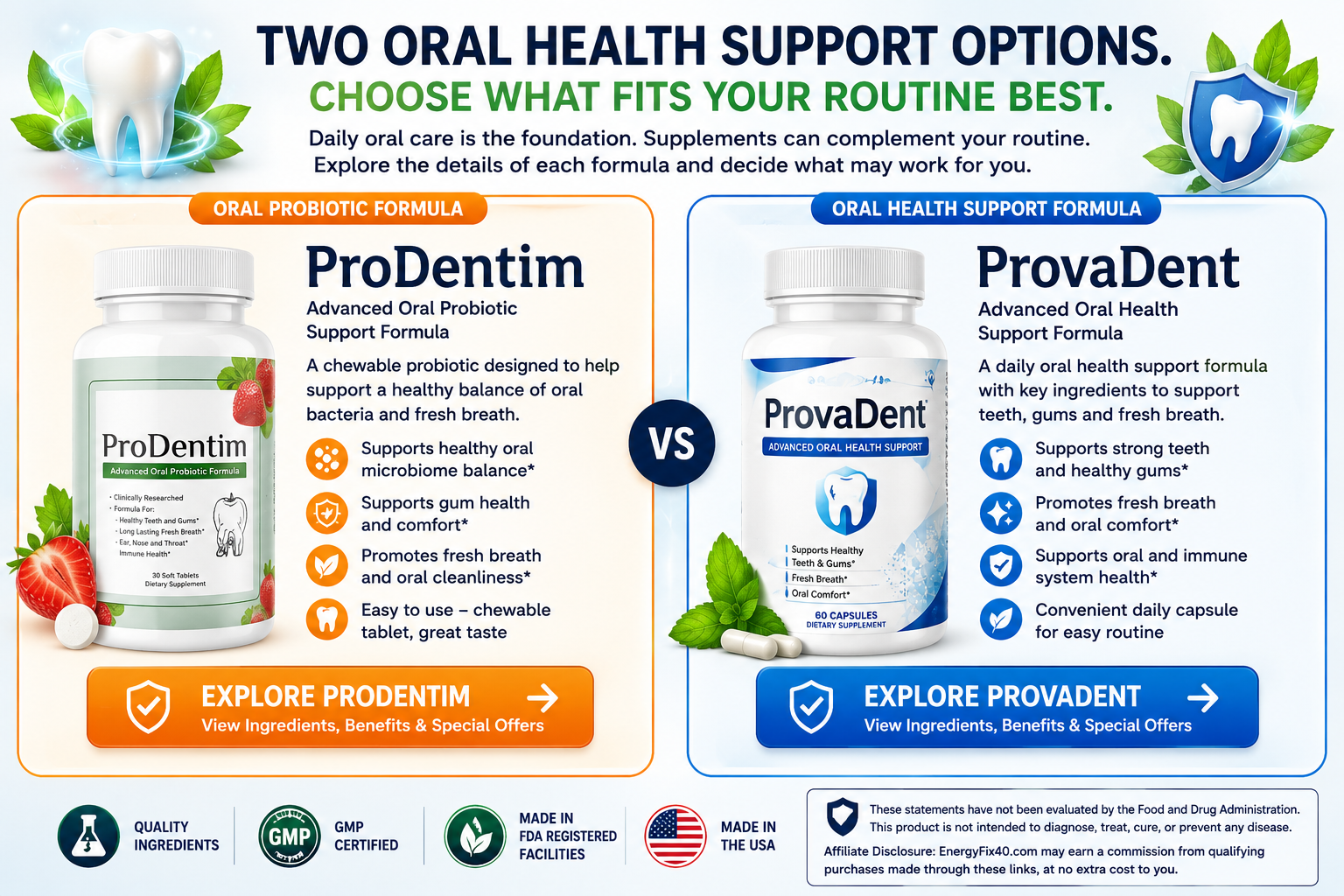
ProDentim
A chewable oral probiotic formula designed to complement a
consistent oral-care routine.
✓
Focuses on oral microbial balance
✓
Designed for daily oral-wellness support
✓
Chewable supplement format
✓
Product details available on the presentation page
Review the ingredients, directions, pricing, shipping terms and
refund policy before purchasing.
Affiliate disclosure: EnergyFix40.com may receive a
commission from qualifying purchases made through these links, at no
additional cost to you.
Health notice: These products are not intended to
diagnose, treat, cure or prevent disease. Supplements should not replace
brushing, flossing, professional dental care, prescribed medication or
medical advice.
ℹ️
Affiliate Disclosure:
Some links on this page are affiliate links. If you choose to make a
purchase through these links, EnergyFix40.com may earn a small commission
at no additional cost to you. We only recommend products we believe may
provide value to our readers.
```
COMMON QUESTIONS ANSWERED
Frequently Asked Questions About Oral Health and Overall Wellness
These answers summarize the current scientific understanding of
oral-systemic health while separating established dental guidance from
associations that are still being investigated.
1. Can poor oral health affect overall wellness?+
Poor oral health can affect comfort, nutrition, speech, sleep,
confidence and quality of life. Untreated gum disease may cause
bleeding, pain, chewing difficulties, loose teeth and tooth loss.
Researchers have also identified associations between periodontal
disease and several systemic conditions. However, an association
does not automatically prove that oral disease directly caused the
other condition.
2. Can gum disease cause heart disease?+
Studies frequently find that gum disease and cardiovascular disease
occur together. Possible explanations include inflammation, oral
bacteria entering the bloodstream and shared risk factors such as
smoking, diabetes, age and diet. Current evidence does not prove that
treating gum disease will prevent a heart attack or replace
cardiovascular treatment. Periodontal care should be pursued because
it protects oral tissues and supports general preventive healthcare.
3. What is the connection between diabetes and gum health?+
Diabetes and periodontal disease have an important two-way
relationship. High blood glucose may increase susceptibility to
infection, inflammation, dry mouth and slower healing. Severe gum
inflammation may also make blood-glucose management more difficult
for some people. Adults with diabetes should maintain regular dental
care and tell their dentist about changes in glucose control,
medications and healing.
4. Can oral bacteria travel to other parts of the body?+
Oral bacteria may temporarily enter the bloodstream during chewing,
brushing, flossing or dental procedures, especially when gum tissues
are inflamed. The immune system normally manages these brief
exposures. Certain people with specific heart conditions may require
special dental precautions, but antibiotics are not routinely needed
for everyone. A dentist and physician should determine whether any
individual precautions are appropriate.
5. Does improving oral hygiene reduce body-wide inflammation?+
Effective oral hygiene and periodontal treatment can reduce plaque,
gum bleeding and inflammation inside the mouth. Some clinical
studies have also observed changes in selected systemic inflammatory
markers after periodontal treatment, but results are inconsistent.
Oral care should not be presented as a guaranteed treatment for
chronic inflammation elsewhere in the body.
6. Can oral probiotics improve overall health?+
Oral probiotics are being studied for their potential influence on
oral microbial balance, gum measurements and breath-related
compounds. Evidence varies by strain, dose, formulation and study
duration. There is not enough evidence to claim that an oral
probiotic prevents or treats systemic disease. It should be viewed
as an optional complement—not an alternative—to brushing, flossing,
dental care or prescribed treatment.
7. Can brushing and flossing prevent gum disease?+
Consistent brushing with fluoride toothpaste and daily interdental
cleaning can remove plaque before it matures and hardens. These
habits substantially support gum-disease prevention, but hardened
tartar cannot be removed by brushing alone. Professional cleaning
may be necessary. Genetics, smoking, diabetes, medications and
existing periodontal damage can also influence individual risk.
8. What oral-health warning signs should not be ignored?+
Seek dental evaluation for persistent gum bleeding, swelling,
recession, loose teeth, pain while chewing, recurring infections,
unexplained bad breath or ongoing dry mouth. Facial swelling,
difficulty breathing or swallowing, uncontrolled bleeding and
rapidly worsening pain may require urgent professional attention.
A mouth ulcer, lump or discolored area that does not heal should also
be examined.
9. Who needs more frequent dental monitoring?+
People with diabetes, a history of periodontal disease, frequent
cavities, tobacco exposure, persistent dry mouth or reduced immune
function may require personalized monitoring. Dental appliances,
limited dexterity, multiple medications and difficulty performing
daily hygiene can also increase the need for professional support.
The correct recall interval should be based on individual risk
rather than a single schedule for everyone.
10. What is the best daily routine for long-term oral health?+
Brush twice daily for approximately two minutes using fluoride
toothpaste. Clean between the teeth every day, clean the tongue
gently, drink adequate water and limit repeated exposure to sugary
or acidic products. Avoid tobacco and attend dental examinations
based on your personal risk. Supplements and specialty rinses may be
considered additions, but they cannot compensate for untreated
disease or inconsistent plaque removal.
⚖️
BALANCED, EVIDENCE-BASED CONCLUSION
Your Mouth Is Part of Your Health—But the Science Requires Perspective
Oral health is not isolated from the rest of the body. Teeth, gums,
saliva, immune responses, nutrition and the oral microbiome interact
with everyday health and quality of life. Untreated tooth decay and
periodontal disease can cause pain, infection, chewing difficulties,
sleep disruption, tooth loss and reduced confidence.
Scientific research also shows meaningful associations between poor
oral health and conditions such as diabetes and cardiovascular disease.
The diabetes-periodontal relationship is especially important because
diabetes may increase the severity of gum disease, while periodontal
inflammation may complicate glucose management in some individuals.
Other proposed oral-systemic connections—including relationships with
heart disease, cognitive decline and immune function—remain active areas
of research. Shared factors such as age, smoking, diet, healthcare
access, medication use and chronic inflammation can influence both oral
and general health. For this reason, association should never be
presented as proof of direct causation.
The most responsible approach is practical and preventive: remove plaque
consistently, use fluoride toothpaste, clean between the teeth, protect
saliva, limit frequent sugar exposure, avoid tobacco and obtain
professional evaluation when symptoms appear. Oral probiotics and other
supplements may complement this foundation, but current evidence does
not justify using them as substitutes for established dental or medical
care.
The essential takeaway:
Caring for your mouth can protect oral function and support a broader
wellness routine. It should work alongside—not instead of—medical
care, balanced nutrition, physical activity, adequate sleep and
management of existing health conditions.
Medical and dental disclaimer:
This content is provided for educational purposes only and does not
diagnose, treat, cure or prevent any disease. It does not replace an
examination, diagnosis or personalized advice from a licensed dentist,
physician or other qualified healthcare professional.
```
CONTINUE YOUR ORAL-HEALTH JOURNEY
Explore More Evidence-Based Oral Health Guides
Continue learning about the oral microbiome, gum health, bad breath and
oral probiotics with these related educational resources.
If you're looking for an oral probiotic to complement your daily
brushing, flossing and regular dental visits, learn more about
ProDentim, review its ingredients, current offers,
customer information and ordering details.
🇺🇸 Made in USA✔ GMP Facility🔒 Secure Checkout💳 Multiple Payment Options
Affiliate Disclosure: EnergyFix40.com may earn a commission if you
purchase through this link, at no additional cost to you.
Statements about dietary supplements have not been evaluated by the
U.S. Food and Drug Administration. This product is not intended to
diagnose, treat, cure or prevent any disease.
```
EVIDENCE-BASED REFERENCES
Scientific References
This article was prepared using information from internationally
recognized health organizations, peer-reviewed journals and
systematic reviews. Current evidence supports important
associations between oral health, the oral microbiome and
systemic health, while acknowledging that many relationships are
still being actively investigated.
National Institutes of Health (NIH)
Research on oral health, inflammation, microbiome and systemic disease.
PubMed / National Library of Medicine
Peer-reviewed clinical trials, systematic reviews and meta-analyses related to oral health and oral microbiology.
American Dental Association (ADA)
Clinical guidance on oral hygiene, periodontal disease and oral-systemic health.
Mayo Clinic
Evidence-based patient education covering oral diseases and preventive care.
National Institute of Dental and Craniofacial Research (NIDCR)
Educational resources on periodontal disease, oral bacteria and preventive dentistry.
Journal of Clinical Periodontology
Leading journal publishing clinical studies on periodontology and oral-systemic relationships.
Frontiers in Oral Health
Peer-reviewed research on oral microbiology, preventive dentistry and oral probiotics.
Nature Reviews Microbiology
Comprehensive reviews on the diversity, ecology and clinical significance of the oral microbiome.
Cochrane Library
High-quality systematic reviews evaluating preventive and therapeutic dental interventions.
Recent Scientific Literature Considered
Baker JL, Mark Welch JL, Kauffman KM, et al.
The Oral Microbiome: Diversity, Biogeography and Human Health.Nature Reviews Microbiology. 2024.
Glavina A, Martić D, Perko MA, et al.
The Oral Microbiome and Systemic Health: Current Insights into the Mouth–Body Connection.
2026.
Systematic Review:
The Oral Microbiome as a Regulatory Hub for Systemic Health:
Mechanistic Links and Clinical Implications.
2026.
Multiple systematic reviews and meta-analyses indexed in
PubMed evaluating oral dysbiosis, periodontal disease,
cardiovascular disease, diabetes, neuroinflammation and
microbiome-related mechanisms.
Evidence Statement
Scientific knowledge continues to evolve. Although numerous
studies demonstrate associations between oral diseases,
microbial imbalance and systemic health, association does not
necessarily establish causation. Clinical recommendations should
always be individualized by qualified healthcare professionals.