. Why Your Toothpaste May Not Be Enough for Long-Term Oral Health
July 7, 2026 | by By EnergyFix40 Editorial Team

Long-Term Oral Health • Oral Microbiome • Healthy Gums
Why Your Toothpaste May Not Be Enough for Long-Term Oral Health
Brushing your teeth is essential — but toothpaste alone may not fully address the deeper factors behind plaque buildup, gum irritation, bad breath, and long-term oral imbalance. Modern oral health depends on more than cleaning the surface.
Educational content for adults who want to better understand toothpaste, oral bacteria, biofilm, probiotics, and long-term oral wellness.
Toothpaste Helps — But Is It the Whole Solution?
- ✅ Helps clean teeth and freshen breath
- ✅ May support enamel protection when fluoride is used
- ✅ Does not fully rebalance the oral microbiome by itself
- ✅ Long-term health also depends on gums, saliva, diet, and bacteria balance
Why brushing is essential, why toothpaste has limits, and how a complete oral health strategy may better support healthy gums, fresh breath, and long-term dental wellness.
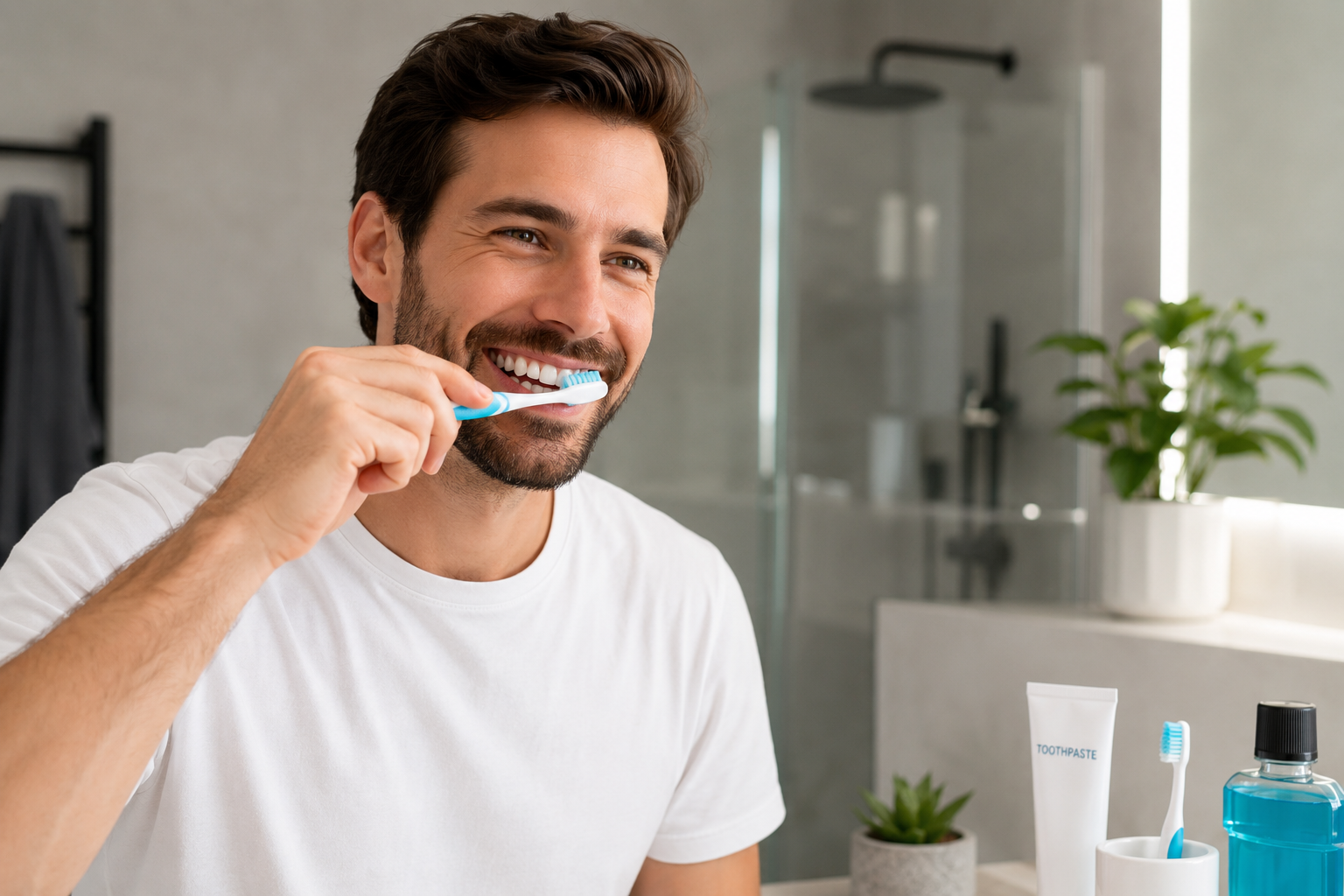
Toothpaste is one of the most trusted tools in daily oral care. For millions of people, brushing twice a day feels like the main line of defense against cavities, bad breath, plaque, and gum problems. And in many ways, that trust is deserved. A quality toothpaste can help clean the surface of teeth, support enamel strength, freshen breath, and make your mouth feel cleaner after meals.
But long-term oral health is more complex than simply brushing with toothpaste. Your mouth is a living ecosystem filled with bacteria, saliva, minerals, soft tissue, and biofilm. When this ecosystem stays balanced, it may help protect your teeth and gums naturally. When it becomes disrupted, harmful bacteria can become more active, plaque can build up faster, gums may become irritated, and breath may become less fresh — even if you brush every day.
This is why many oral health researchers now look beyond surface cleaning. Toothpaste matters, but it is only one part of a complete strategy. To support long-term oral wellness, it is important to understand what toothpaste does well, what it cannot fully solve, and how the oral microbiome, biofilm, saliva, diet, and daily habits all work together.
Table of Contents
Why Toothpaste Is Important
Toothpaste plays an important role because it improves the mechanical cleaning action of brushing. When you brush, the toothbrush helps loosen food particles, plaque, and surface buildup. Toothpaste adds cleaning agents, flavor, texture, and in many formulas, fluoride or other ingredients designed to support enamel and freshness.
Fluoride toothpaste, in particular, has been widely recommended because fluoride may help strengthen enamel and support remineralization. Enamel is the hard outer layer of your teeth, but it can lose minerals when exposed to acids produced by bacteria or acidic foods and drinks. Over time, repeated acid attacks may weaken enamel and increase the risk of cavities.
Toothpaste also helps make oral hygiene more consistent. A fresh taste can encourage people to brush longer and more often. For many adults, brushing with toothpaste is the easiest daily habit to maintain. That consistency is valuable — but it should not create the false idea that toothpaste alone can protect every part of the mouth.
What Toothpaste Can Actually Do
A good toothpaste can help remove surface debris, reduce the feeling of buildup, freshen breath temporarily, and support enamel protection. Some toothpastes are designed for sensitivity, some for whitening, some for tartar control, and others for gum support. Each formula may offer specific benefits depending on its ingredients.
Toothpaste can also help reduce plaque when used properly with a toothbrush. Plaque is a sticky layer that forms on teeth and contains bacteria. Brushing disrupts this layer before it becomes more organized and harder to remove. This is one reason brushing technique matters as much as the toothpaste itself.
However, toothpaste works best when it is part of a larger routine. Brushing should usually be combined with flossing or interdental cleaning, tongue cleaning, hydration, balanced nutrition, regular dental checkups, and habits that support saliva flow. Without these additional steps, areas between teeth, around the gumline, and on the tongue may remain vulnerable.
What Toothpaste Cannot Do
Toothpaste cannot fully clean between teeth by itself. It cannot remove hardened tartar once plaque has mineralized. It cannot reverse advanced gum disease. It cannot fully correct dry mouth, poor diet, smoking-related oral changes, or deep bacterial imbalance. It also cannot replace professional dental care when symptoms are persistent.
Many people brush every day and still deal with bleeding gums, recurring bad breath, tooth sensitivity, or cavities. This does not always mean toothpaste is useless. It often means the real problem is happening in places toothpaste does not reach well — such as below the gumline, between teeth, inside mature biofilm, or within an imbalanced oral microbiome.
Toothpaste may freshen breath for a short time, but chronic bad breath often has deeper causes. Tongue coating, gum inflammation, dry mouth, trapped food particles, and bacteria that produce sulfur-like odors may all contribute. In these cases, mint flavor can cover the odor temporarily without solving the source.
Understanding the Oral Microbiome
The oral microbiome is the community of microorganisms that live in your mouth. This includes bacteria, fungi, and other microbes. Not all bacteria are harmful. In fact, many oral bacteria are part of a healthy ecosystem and may help maintain balance.
Problems may begin when harmful bacteria become too dominant or when the environment of the mouth changes in their favor. Frequent sugar intake, dry mouth, poor sleep, stress, smoking, certain medications, acidic drinks, and inconsistent hygiene may all affect this balance.
This is where toothpaste has limits. Toothpaste can clean surfaces, but it does not automatically create a healthier microbial environment. Long-term oral health depends on supporting the conditions that allow beneficial bacteria, saliva, minerals, and gum tissue to function properly.
Biofilm Explained
Biofilm is a structured layer of microorganisms that attaches to surfaces in the mouth. Dental plaque is a type of biofilm. At first, plaque may be soft and easier to disturb with brushing. Over time, if not removed effectively, it can become thicker, more organized, and more difficult to control.
Biofilm matters because bacteria inside it can behave differently than free-floating bacteria. They may become more protected and more persistent. This is one reason simple rinsing or quick brushing may not be enough for people who already have heavy plaque buildup, gum irritation, or recurring oral health problems.
A smarter long-term strategy focuses on disrupting harmful biofilm daily while also supporting saliva, gum health, and microbial balance. Toothpaste remains useful, but it should work alongside other habits rather than carry the entire responsibility alone.
Want a Complete Oral Health Strategy?
Learn how oral probiotics, saliva, gum care, biofilm control, nutrition, and daily habits work together to support healthier teeth, fresher breath, and long-term oral wellness.
Read the Complete Oral Health GuideContinue Learning About Long-Term Oral Health
Want to better understand how your daily oral care routine affects your teeth and gums? Explore these science-based guides to learn how oral bacteria, the microbiome, and probiotics may contribute to long-term oral wellness.
The Science Behind Oral Probiotics
Discover how oral probiotics are being studied for their potential role in supporting bacterial balance, healthier gums, fresher breath, and a more resilient oral microbiome.
Read More →Oral Microbiome: Protecting Your Teeth Naturally
Learn why scientists consider the oral microbiome one of the most important factors influencing healthy teeth, gums, biofilm, and overall oral health.
Explore Guide →What Causes Tooth Sensitivity?
Find out why sensitive teeth may develop despite regular brushing and how enamel, gum recession, biofilm, and lifestyle habits all play a role.
Learn More →Why Cavities Still Happen Despite Brushing
Many people feel confused when they brush every day but still develop cavities. The truth is that brushing with toothpaste is important, but cavities are not caused by a lack of minty freshness. They are usually the result of repeated acid attacks, bacterial activity, weakened enamel, frequent snacking, dry mouth, and plaque that stays in hard-to-reach areas.
When harmful bacteria feed on sugars and refined carbohydrates, they can produce acids that weaken tooth enamel. If this happens often, enamel may lose minerals faster than saliva can replace them. Toothpaste may help support enamel protection, especially when it contains fluoride, but brushing alone cannot always overcome frequent acid exposure.
Cavities also often form between teeth, around old fillings, near the gumline, or in deep grooves on the chewing surfaces. These areas may not be fully cleaned by a toothbrush. That is why long-term prevention usually requires brushing, interdental cleaning, saliva support, diet awareness, and regular dental visits.
Gum Disease and Hidden Plaque
Toothpaste can make teeth feel clean, but gum health depends on what happens along and slightly below the gumline. Plaque that remains near the gums may irritate soft tissue and contribute to inflammation. Early gum problems may appear as redness, swelling, tenderness, or bleeding when brushing or flossing.
Hidden plaque is a major reason toothpaste alone may not be enough. Even a person who brushes daily may miss the back molars, the inner surfaces of the lower front teeth, or the spaces between teeth. Over time, plaque can harden into tartar, which cannot be removed with normal brushing at home.
Gum disease is not only a surface issue. It involves bacteria, immune response, inflammation, and tissue health. Once gum pockets become deeper, bacteria may become harder to reach. At that stage, professional dental care becomes especially important.
Saliva's Protective Role
Saliva is one of the most important natural defenses in the mouth. It helps wash away food particles, neutralize acids, support enamel remineralization, and keep oral tissues moist. When saliva flow is healthy, the mouth is better equipped to defend itself between brushing sessions.
Dry mouth can increase oral health risks because bacteria and acids may remain in contact with teeth for longer. Some medications, dehydration, mouth breathing, smoking, alcohol, caffeine, and certain health conditions may contribute to dryness.
Toothpaste cannot fully replace saliva. A person can use a high-quality toothpaste and still struggle with plaque, bad breath, or cavities if saliva flow is low. Supporting hydration, chewing sugar-free gum when appropriate, breathing through the nose, and discussing persistent dry mouth with a dental professional may help protect long-term oral health.
Oral Bacteria Balance
The goal of oral care is not to eliminate every bacterium in the mouth. A healthy mouth depends on balance. Some bacteria are associated with health, while others are linked to acid production, gum irritation, unpleasant breath, or plaque buildup.
When the oral environment changes, harmful bacteria may gain an advantage. Frequent sugar exposure, poor sleep, stress, dry mouth, antibiotics, smoking, and inconsistent hygiene can all influence bacterial balance. This imbalance is often called dysbiosis.
Toothpaste may reduce buildup and help clean surfaces, but it does not automatically restore microbial balance. This is why researchers continue studying oral probiotics, diet, saliva, and daily habits as part of a broader approach to long-term oral wellness.
Common Toothpaste Ingredients
Toothpaste formulas vary, but many contain several common ingredient categories. Abrasives help remove stains and debris. Humectants keep the paste from drying out. Flavoring agents create a fresh taste. Detergents help the toothpaste foam and spread around the mouth. Some formulas include fluoride, potassium nitrate, zinc, baking soda, or other active ingredients.
Whitening toothpastes often focus on removing surface stains, not changing the natural color of teeth deeply. Sensitivity toothpastes may help calm nerve-related discomfort over time. Gum-focused toothpastes may include ingredients designed to reduce plaque or support healthier gum tissue.
The best toothpaste depends on personal needs. Someone with sensitivity may need a different formula than someone with high cavity risk. Someone with dry mouth may need to avoid harsh formulas. A dental professional can help identify the best option based on symptoms and risk factors.
Fluoride Benefits and Limitations
Fluoride is one of the most studied ingredients in oral care. It may help strengthen enamel, support remineralization, and make teeth more resistant to acid attacks. For many people, fluoride toothpaste is an important part of cavity prevention.
However, fluoride is not a complete solution for every oral health problem. It does not remove tartar, cure gum disease, clean between teeth by itself, correct poor nutrition, or restore a severely imbalanced oral microbiome. It is valuable, but it works best as part of a complete routine.
Long-term oral health requires both protection and balance. Fluoride can help protect enamel, while brushing removes plaque from reachable surfaces. But gumline care, interdental cleaning, saliva support, nutrition, and microbial balance remain essential parts of the bigger picture.
Toothpaste vs Complete Oral Health Strategy
| Oral Health Factor | What Toothpaste Helps With | What Requires More Support |
|---|---|---|
| Surface Plaque | Helps remove buildup when used with proper brushing. | Missed areas still need better technique and dental cleaning. |
| Between Teeth | Limited effect because bristles may not reach tight spaces. | Flossing or interdental brushes are usually needed. |
| Enamel Strength | Fluoride toothpaste may support remineralization. | Diet, saliva, and acid control also matter. |
| Gum Health | May reduce plaque along the gumline with proper brushing. | Hidden plaque, tartar, and inflammation may need professional care. |
| Bad Breath | Freshens breath temporarily. | Tongue biofilm, dry mouth, and bacterial imbalance may need deeper support. |
| Oral Microbiome | Helps clean surfaces but does not fully rebalance bacteria. | Nutrition, saliva, hygiene consistency, and oral probiotics may support balance. |
Toothpaste Is Important — But Your Mouth Needs a Complete Plan
Discover how brushing, saliva, gum care, oral bacteria, probiotics, and daily lifestyle habits work together to support long-term oral health.
Read the Complete Oral Health Guide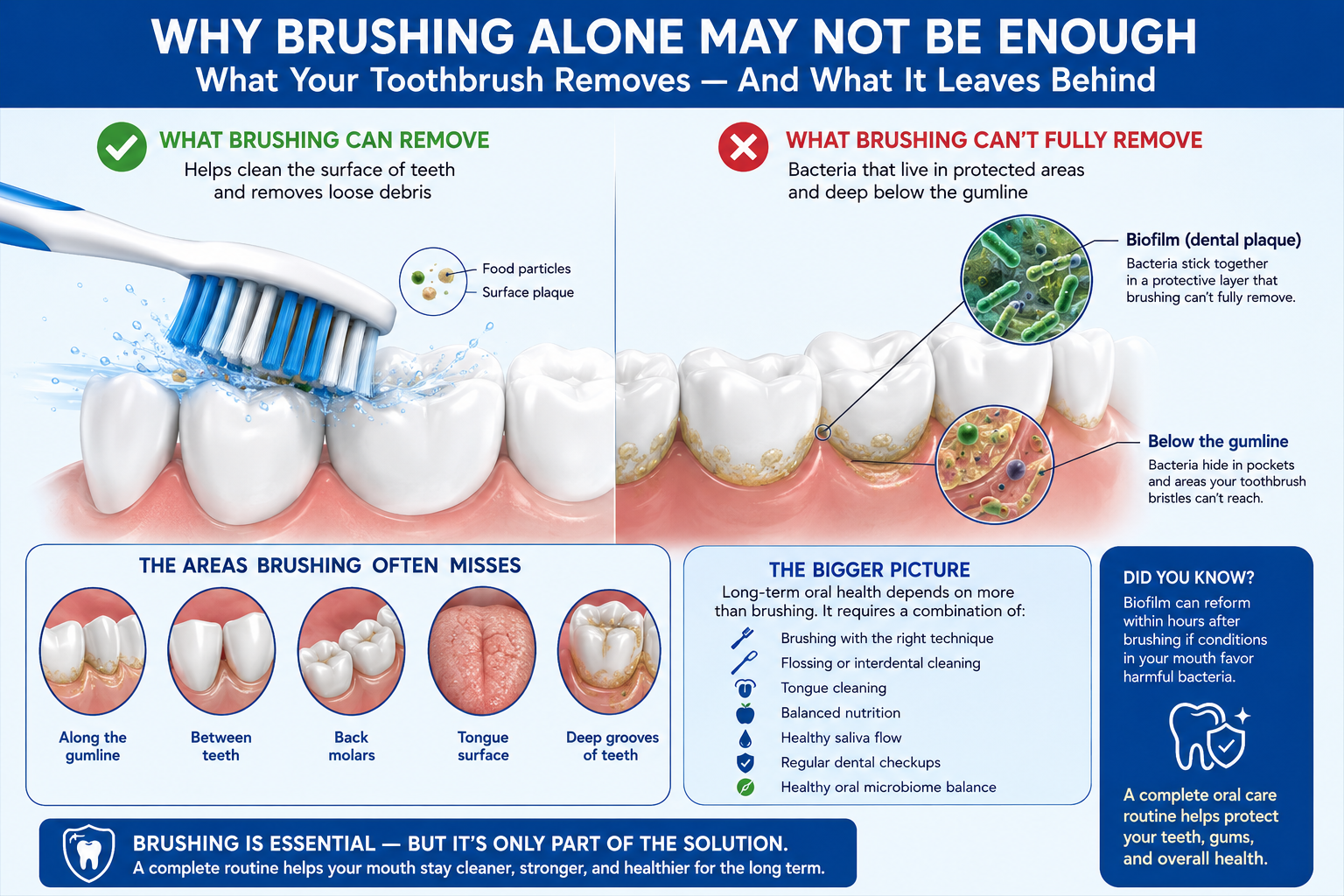
Expand Your Knowledge of Long-Term Oral Health
Building healthy teeth and gums requires more than toothpaste alone. Explore these expert guides to understand the oral microbiome, bacterial balance, gum health, fresh breath, and the latest science behind oral probiotics.
The Science Behind Oral Probiotics
Discover how beneficial bacteria are being studied for their potential role in supporting healthier gums, fresher breath, and a balanced oral microbiome.
Read Article →Oral Microbiome: Protecting Your Teeth Naturally
Learn why maintaining a balanced oral microbiome may be one of the most important factors for protecting teeth throughout life.
Explore Guide →Good vs Bad Bacteria in Your Mouth
Understand how beneficial and harmful bacteria interact and why maintaining balance is often more important than eliminating bacteria completely.
Learn More →How Oral Probiotics Support Healthy Gums
Explore current scientific research on oral probiotics and their potential role in supporting healthier gum tissue and a balanced oral environment.
Read More →Can Oral Bacteria Cause Gum Inflammation?
Discover how bacterial imbalance and dental biofilm may contribute to inflammation, bleeding gums, and other common oral health concerns.
Discover Why →What Causes Tooth Sensitivity?
Learn the most common causes of tooth sensitivity, including enamel erosion, gum recession, cavities, and exposed dentin.
Read Guide →How Antibiotics Affect Oral Health
Understand how antibiotics may influence the oral microbiome, bacterial diversity, and overall long-term oral health.
Read Article →The Ultimate Oral Health Guide 2026
Visit our complete pillar guide covering oral probiotics, gum health, tooth protection, fresh breath, daily habits, nutrition, and scientific research.
Visit the Pillar Guide →Scientific Studies: Why Oral Health Goes Beyond Toothpaste
Scientific research has made one thing increasingly clear: long-term oral health is not only about cleaning the visible surface of teeth. Cavities, gum inflammation, bad breath, plaque buildup, and sensitivity are influenced by bacteria, saliva, biofilm, diet, immune response, and daily habits.
Toothpaste remains an important tool, especially when it contains ingredients that support enamel protection. However, studies on dental plaque and oral bacteria show that the mouth functions as an ecosystem. When that ecosystem becomes imbalanced, brushing alone may not fully address the deeper causes of recurring oral problems.
Oral Probiotics Research
Oral probiotics are being studied because researchers want to understand whether beneficial bacteria may help support a healthier oral environment. Unlike traditional oral care products that mainly focus on killing or removing bacteria, oral probiotics are designed around the idea of balance.
Some studies have explored probiotic strains such as Lactobacillus reuteri, Streptococcus salivarius, and other beneficial microbes for their potential role in gum health, breath freshness, and microbial balance. While research is still developing, the concept is promising because it focuses on supporting the oral microbiome instead of relying only on surface cleaning.
This does not mean oral probiotics replace brushing, flossing, fluoride toothpaste, or dental visits. Instead, they may become part of a broader daily strategy for people who want to support healthier gums, fresher breath, and a more balanced mouth over time.
Long-Term Oral Health Strategies
A complete long-term oral health strategy should address both cleaning and balance. Cleaning removes food particles and disrupts plaque. Balance supports saliva flow, gum tissue, enamel minerals, and a healthier microbial environment.
Brushing twice daily is a strong foundation, but it should not be the only habit. Interdental cleaning helps reach spaces between teeth. Tongue cleaning may reduce coating that contributes to bad breath. Hydration supports saliva. Regular dental checkups help detect tartar, cavities, gum pockets, and early warning signs before they become more serious.
The most effective routine is usually consistent, simple, and realistic. People often fail when their routine is too complicated. A better approach is to build a few strong habits that can be repeated daily: brush carefully, clean between teeth, support saliva, reduce frequent sugar exposure, and pay attention to changes in gums or breath.
Nutrition and Oral Health
Food choices have a direct impact on oral health. Sugary snacks, sweet drinks, sticky carbohydrates, and frequent grazing can give harmful bacteria more opportunities to produce acids. The issue is not only how much sugar someone eats, but how often teeth are exposed to fermentable carbohydrates throughout the day.
A more tooth-supportive diet includes water, protein-rich foods, crunchy vegetables, mineral-rich foods, and fewer acidic drinks. Dairy products may provide calcium and phosphate, while fibrous foods may stimulate chewing and saliva flow. Unsweetened green tea, water, and balanced meals may also support a healthier oral environment.
Nutrition also affects gum tissue. Diets lacking key nutrients may make it harder for the body to maintain healthy soft tissue. Vitamin C, vitamin D, calcium, phosphorus, and adequate protein all play roles in overall oral wellness.
Lifestyle Habits That Influence Your Mouth
Daily lifestyle habits can either support or weaken long-term oral health. Smoking, frequent alcohol intake, poor sleep, chronic stress, dehydration, and mouth breathing may all influence saliva, gum tissue, and bacterial balance.
Dry mouth is especially important. When saliva flow decreases, acids and bacteria may remain in the mouth longer. This can increase the risk of bad breath, plaque buildup, enamel weakening, and discomfort. People who wake up with a dry mouth or notice persistent bad breath should pay attention to hydration, breathing patterns, medication side effects, and dental guidance.
Lifestyle does not need to be perfect to help your mouth. Small improvements, repeated daily, often matter more than extreme routines. Drinking more water, avoiding constant snacking, sleeping better, and staying consistent with dental hygiene can all support better results over time.
Daily Oral Hygiene Routine
A strong daily routine should go beyond simply brushing quickly. The goal is to clean the areas where plaque collects most often and support the natural defenses of the mouth.
Suggested Daily Routine
- Brush twice daily for about two minutes using gentle pressure.
- Clean between teeth with floss or interdental brushes.
- Clean the tongue, especially if breath odor is a concern.
- Drink water throughout the day to support saliva flow.
- Limit frequent sugary or acidic snacks and drinks.
- Consider oral microbiome support as part of a broader wellness plan.
- Visit a dental professional regularly for exams and cleanings.
Prevention Checklist
Use gentle circular motions and reach the gumline, back teeth, and inner surfaces.
Floss or interdental tools help clean areas toothpaste cannot reach well.
Hydration and healthy chewing habits help your mouth neutralize acids naturally.
Avoid overusing harsh products and focus on long-term bacterial balance.
Frequent snacking can keep bacteria active and increase acid exposure.
Bleeding gums, persistent bad breath, sensitivity, or pain should not be ignored.
Ready to Build a Smarter Oral Health Routine?
Toothpaste is a valuable tool, but long-term oral wellness depends on a complete strategy that includes bacteria balance, gum support, saliva protection, nutrition, and daily consistency.
Read the Complete Oral Health Guide
Frequently Asked Questions
1. Is toothpaste enough to keep my teeth healthy long term?
Toothpaste is important, but it is not enough by itself. Long-term oral health also depends on flossing, saliva flow, gum health, diet, bacterial balance, and regular dental checkups.
2. Why do I still get cavities if I brush every day?
Cavities can still happen because bacteria, sugar frequency, dry mouth, enamel weakness, and plaque between teeth may continue to cause acid attacks even with daily brushing.
3. Can toothpaste remove bacteria under the gumline?
Toothpaste can help clean reachable surfaces, but it cannot fully remove bacteria below the gumline or eliminate hardened tartar. Professional dental cleaning may be needed.
4. Does fluoride toothpaste protect enamel?
Yes, fluoride toothpaste may help strengthen enamel and support remineralization. However, it does not replace flossing, diet control, saliva support, or professional dental care.
5. Why does my breath still smell bad after brushing?
Bad breath may come from tongue coating, dry mouth, gum inflammation, trapped food particles, or bacterial imbalance. Toothpaste may freshen breath temporarily without solving the deeper cause.
6. What is the oral microbiome?
The oral microbiome is the community of bacteria and other microorganisms living in your mouth. A balanced microbiome may support healthier gums, fresher breath, and better oral wellness.
7. Can oral probiotics replace toothpaste?
No. Oral probiotics should not replace brushing, toothpaste, flossing, or dental visits. They may be considered as part of a broader oral health routine focused on microbial balance.
8. What areas does brushing often miss?
Brushing often misses between teeth, below the gumline, deep grooves in molars, the back teeth, and the tongue surface. These areas may collect plaque and bacteria.
9. How can I improve my oral routine beyond toothpaste?
You can improve your routine by flossing daily, cleaning your tongue, drinking more water, reducing frequent sugar intake, supporting saliva flow, and visiting your dentist regularly.
10. When should I see a dentist?
You should see a dentist if you have bleeding gums, persistent bad breath, tooth pain, sensitivity, loose teeth, swelling, or cavities. Early care can help prevent bigger problems.
Conclusion: Toothpaste Helps, But Complete Oral Care Goes Further
Toothpaste is a valuable part of daily oral hygiene. It helps clean the surface of teeth, freshen breath, and support enamel protection, especially when fluoride is included. But long-term oral health requires more than brushing alone.
Cavities, gum irritation, bad breath, plaque buildup, and sensitivity are often connected to deeper factors such as biofilm, saliva flow, bacterial balance, diet, and gumline health. This is why a complete routine should combine brushing with interdental cleaning, tongue care, hydration, nutrition, regular dental visits, and support for a healthier oral microbiome.
The goal is not to abandon toothpaste. The goal is to understand its role clearly. Toothpaste is a powerful daily tool — but it works best when it is part of a smarter, more complete oral wellness strategy.
Take the Next Step Toward Better Oral Health
Discover how oral probiotics, gum care, saliva support, nutrition, and daily habits may work together to support stronger teeth, fresher breath, and long-term oral wellness.
Read the Complete Oral Health GuideContinue Your Oral Health Journey
If you found this guide helpful, explore these evidence-based articles to better understand how oral bacteria, healthy habits, and the oral microbiome may support stronger teeth, healthier gums, and fresher breath for years to come.
The Ultimate Oral Health Guide 2026
Our complete pillar guide covering oral probiotics, healthy gums, fresh breath, plaque, oral bacteria, nutrition, and daily oral care.
Visit the Pillar Guide →How Oral Probiotics Support Healthy Gums
Learn what current research says about oral probiotics and their potential role in supporting healthier gums and a balanced oral microbiome.
Read More →Good vs Bad Bacteria in Your Mouth
Understand why maintaining bacterial balance is one of the keys to protecting your teeth, gums, and breath naturally.
Explore Article →Why Researchers Are Studying the Oral Microbiome
Discover why scientists believe the oral microbiome may influence not only dental health but also long-term overall wellness.
Learn More →Support Your Oral Microbiome Naturally
Toothpaste helps clean the surface — but long-term oral wellness may also depend on supporting beneficial bacteria, gum health, and a balanced oral environment.
Check ProDentim Availability TodayAffiliate Disclosure: This website may earn a commission if you purchase through this link, at no extra cost to you. This content is for informational purposes only and does not replace professional dental advice.
Scientific References
The following authoritative sources provide educational information about fluoride, dental plaque, oral bacteria, gum health, cavities, and long-term oral hygiene.
-
National Institutes of Health (NIH) — Oral health information and research resources.
https://www.nih.gov/ -
PubMed — Research database for studies on oral microbiome, dental biofilm, fluoride, probiotics, and periodontal health.
https://pubmed.ncbi.nlm.nih.gov/ -
National Library of Medicine — Scientific literature and medical research resources.
https://www.nlm.nih.gov/ -
American Dental Association (ADA) — Patient education on brushing, fluoride toothpaste, gum disease, cavities, and oral hygiene.
https://www.ada.org/resources/ada-library/oral-health-topics -
Mayo Clinic — Educational guidance on dental health, dry mouth, oral hygiene, and preventive care.
https://www.mayoclinic.org/healthy-lifestyle/adult-health/basics/dental-care/hlv-20049415 -
Centers for Disease Control and Prevention (CDC) — Oral health prevention, cavities, fluoride, and gum disease information.
https://www.cdc.gov/oral-health/
Note: These references are provided for educational purposes only. This article does not diagnose, treat, cure, or prevent any disease and should not replace advice from a licensed dentist, physician, or qualified healthcare professional.
RELATED POSTS
View all


ProDentim Ingredients Explained: Benefits & Science
July 14, 2026 | by By EnergyFix40 Editorial Team
How Long Does ProDentim Take to Work? Results Timeline
July 5, 2026 | by By EnergyFix40 Editorial Team
ProDentim Ingredients Explained: What Makes This Oral Probiotic Different?
July 8, 2026 | by By EnergyFix40 Editorial Team