Why Researchers Are Studying the Oral Microbiome
June 17, 2026 | by By EnergyFix40 Editorial Team

Oral Microbiome Research • Gum Health • Fresh Breath • Oral Probiotics
Why Researchers Are Studying the Oral Microbiome
Scientists are discovering that your mouth is not just about teeth and gums — it is home to a complex ecosystem of bacteria that may influence oral health, fresh breath, gum balance, and long-term wellness.
Educational content only. Always consult a qualified dental professional for personal oral health concerns.
The oral microbiome has become one of the most exciting areas of modern dental research. For decades, most people thought about oral health in a simple way: brush your teeth, remove plaque, avoid sugar, and visit the dentist. While those habits remain essential, researchers now understand that the mouth is far more complex. It contains a living community of microorganisms that interact with your teeth, gums, saliva, tongue, immune system, and even your daily diet.
This community is called the oral microbiome. It includes bacteria, fungi, viruses, and other microscopic organisms that naturally live inside the mouth. Some of these microbes are helpful and support balance. Others may become harmful when they grow out of control, especially when poor hygiene, dry mouth, excess sugar, smoking, aging, or frequent antibiotic use disrupts the natural environment.
That is why scientists are paying closer attention. The oral microbiome may help explain why some people struggle with bleeding gums, bad breath, plaque buildup, tooth sensitivity, cavities, or recurring oral discomfort even when they follow a basic brushing routine. Instead of seeing bacteria only as enemies, researchers are learning that oral health depends on balance.
Why This Topic Matters
Studying the oral microbiome may help dentists and researchers better understand gum disease, cavities, bad breath, inflammation, and the future role of oral probiotics in supporting a healthier mouth environment.
Why Researchers Are Focused on the Oral Microbiome
Researchers are studying the oral microbiome because it may hold important clues about how dental problems begin, progress, and possibly return after treatment. The mouth is one of the first entry points to the body. Every day, it is exposed to food, drinks, air, toothpaste, mouthwash, medications, and bacteria from the environment. This makes it a highly active biological space.
When the oral microbiome is balanced, beneficial bacteria can help maintain a healthier environment. They may compete with harmful bacteria, support normal pH levels, and contribute to the natural defenses of the mouth. But when this balance is disturbed, harmful bacteria may increase, leading to plaque buildup, gum irritation, unpleasant breath, and a higher risk of oral health problems.
This shift in balance is often called dysbiosis. Dysbiosis does not mean that all bacteria are bad. It means the ecosystem has changed in a way that favors harmful activity. For example, frequent sugar exposure can feed acid-producing bacteria. A dry mouth can reduce saliva’s protective effect. Harsh products may reduce microbial diversity. Over time, these changes may make the mouth more vulnerable.
A New Way to Understand Oral Health
The traditional approach to oral care has focused heavily on killing bacteria. However, modern research suggests that the goal should not be to eliminate every microbe. The mouth naturally needs a diverse microbial community. A healthy oral environment is not sterile. It is balanced.
This new perspective is one reason oral probiotics and microbiome-friendly habits are becoming more widely discussed. Researchers are asking important questions: Can supporting beneficial bacteria help maintain fresher breath? Can microbial balance support healthier gums? Can future dental care become more personalized based on each person’s unique oral microbiome?
These questions are important because many oral health problems are not caused by one single factor. Diet, saliva, age, hygiene habits, immune response, genetics, medications, and lifestyle all influence the microbiome. By studying these connections, scientists hope to develop better prevention strategies and more targeted oral care solutions.
Want to Understand Oral Probiotics and Gum Health Better?
Continue reading the complete oral health guide to learn how oral probiotics, daily habits, and microbiome balance may support healthier gums, fresher breath, and long-term oral wellness.
Go to the Main Oral Health Guide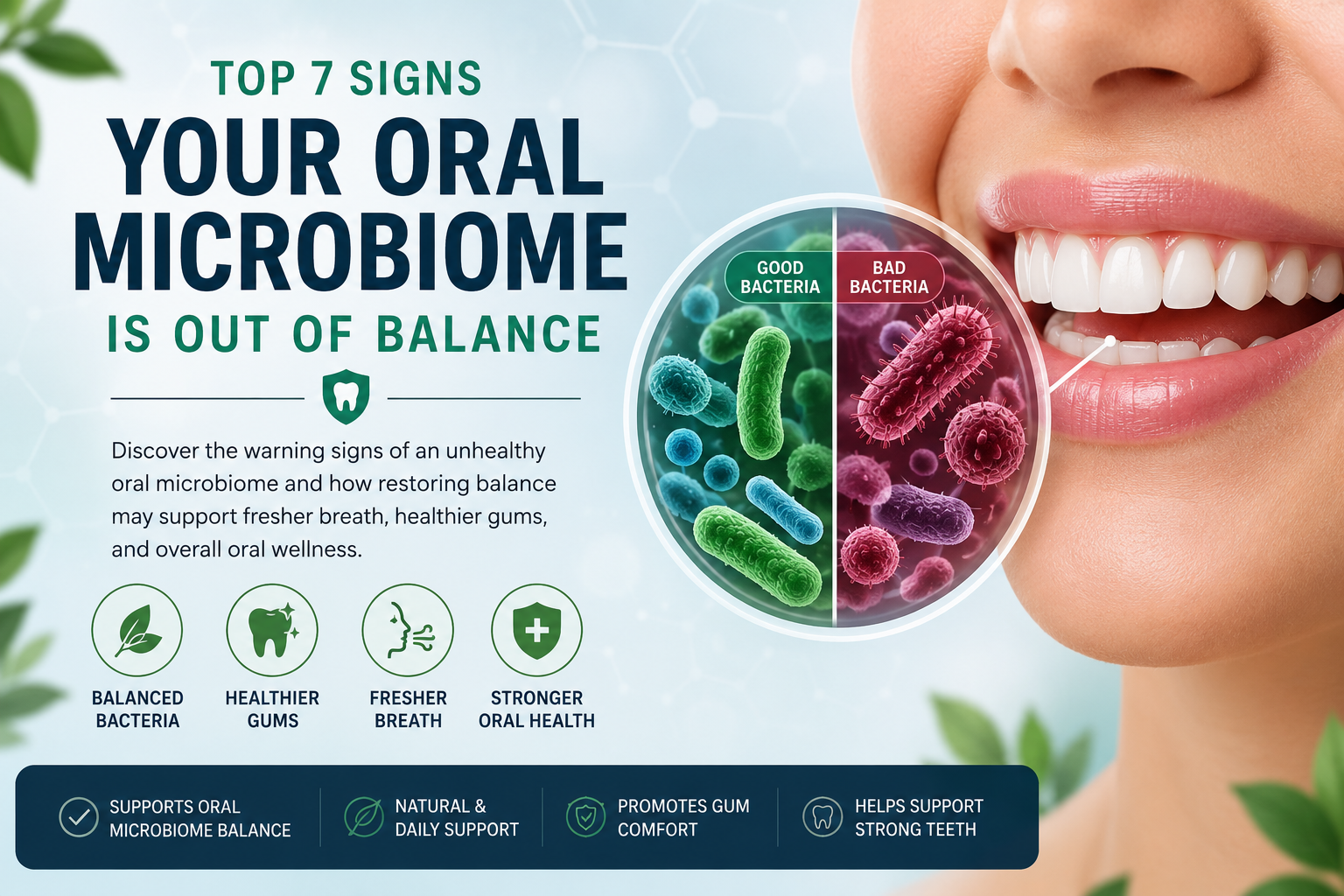
Introduction: Why the Oral Microbiome Is Becoming a Major Research Topic
Researchers are studying the oral microbiome because the mouth is one of the most complex microbial environments in the human body. It is not simply a place where bacteria collect; it is a living ecosystem where beneficial and harmful microorganisms interact every day.
For many years, oral health advice focused mainly on removing plaque, brushing harder, using stronger mouthwash, and avoiding sugar. While these habits still matter, science now shows that long-term oral wellness depends on microbial balance. A healthy mouth is not sterile. It contains diverse bacteria that may help protect teeth, support gum comfort, maintain fresher breath, and influence how the mouth responds to daily challenges.
This is why the oral microbiome has become important in dental science. Researchers want to understand why some people develop cavities easily, why gum problems return after treatment, why bad breath can persist, and why some oral environments remain healthier with age.
Table of Contents
What Is the Oral Microbiome?
The oral microbiome is the community of microorganisms that naturally live inside the mouth. These include bacteria, fungi, viruses, and other microscopic organisms found on the teeth, gums, tongue, cheeks, saliva, and dental plaque.
Some microbes are beneficial because they help maintain balance. Others can become harmful when the oral environment changes. For example, too much sugar, dry mouth, poor hygiene, smoking, stress, aging, and frequent antibiotic use may disturb the natural microbial balance.
When harmful bacteria become dominant, the mouth may become more vulnerable to plaque buildup, enamel damage, gum irritation, cavities, and persistent bad breath. This imbalance is often called dysbiosis.
Why Scientists Became Interested
Scientists became interested in the oral microbiome because many dental problems do not happen overnight. Gum disease, cavities, plaque buildup, and bad breath often develop gradually as the microbial environment changes.
Instead of asking only, “Which bacteria are bad?”, researchers are now asking better questions: What keeps the mouth balanced? Which bacteria support healthier gums? Why do some people recover faster after dental treatment? Can oral probiotics help support a healthier microbial environment?
This shift is important because it moves oral care away from simply killing bacteria and toward supporting a healthier ecosystem. The goal is not to eliminate every microbe. The goal is to create balance.
How Modern DNA Sequencing Changed Research
Modern DNA sequencing changed oral microbiome research by allowing scientists to identify microorganisms that were difficult or impossible to study with older laboratory methods. In the past, researchers could only study bacteria that could be grown in a lab. Today, DNA-based tools help reveal a much wider picture of the microbial community inside the mouth.
This technology showed that the mouth contains hundreds of microbial species, many of which interact with each other. Some bacteria cooperate, some compete, and some become harmful only when the environment changes.
DNA sequencing also helped researchers understand that each person’s oral microbiome is unique. Diet, genetics, saliva flow, hygiene habits, age, medications, immune health, and lifestyle can all influence microbial balance.
Learn How Oral Probiotics Fit Into a Healthy Mouth Routine
Discover how oral probiotics, daily habits, gum support, and microbiome balance may help support fresher breath and long-term oral wellness.
Read the Complete Oral Health GuideContinue Learning About the Oral Microbiome
Researchers are studying the oral microbiome because the balance of bacteria in your mouth may influence gum health, tooth protection, and long-term oral wellness. Explore these related guides next:
-
What Is the Oral Microbiome and Why Does It Matter?
Learn the foundation of oral bacteria balance and why it matters for your mouth.
-
Good vs Bad Bacteria in Your Mouth
Discover how helpful and harmful bacteria can affect teeth, gums, and breath.
-
The Science Behind Oral Probiotics
See why oral probiotics are becoming a major topic in dental wellness research.
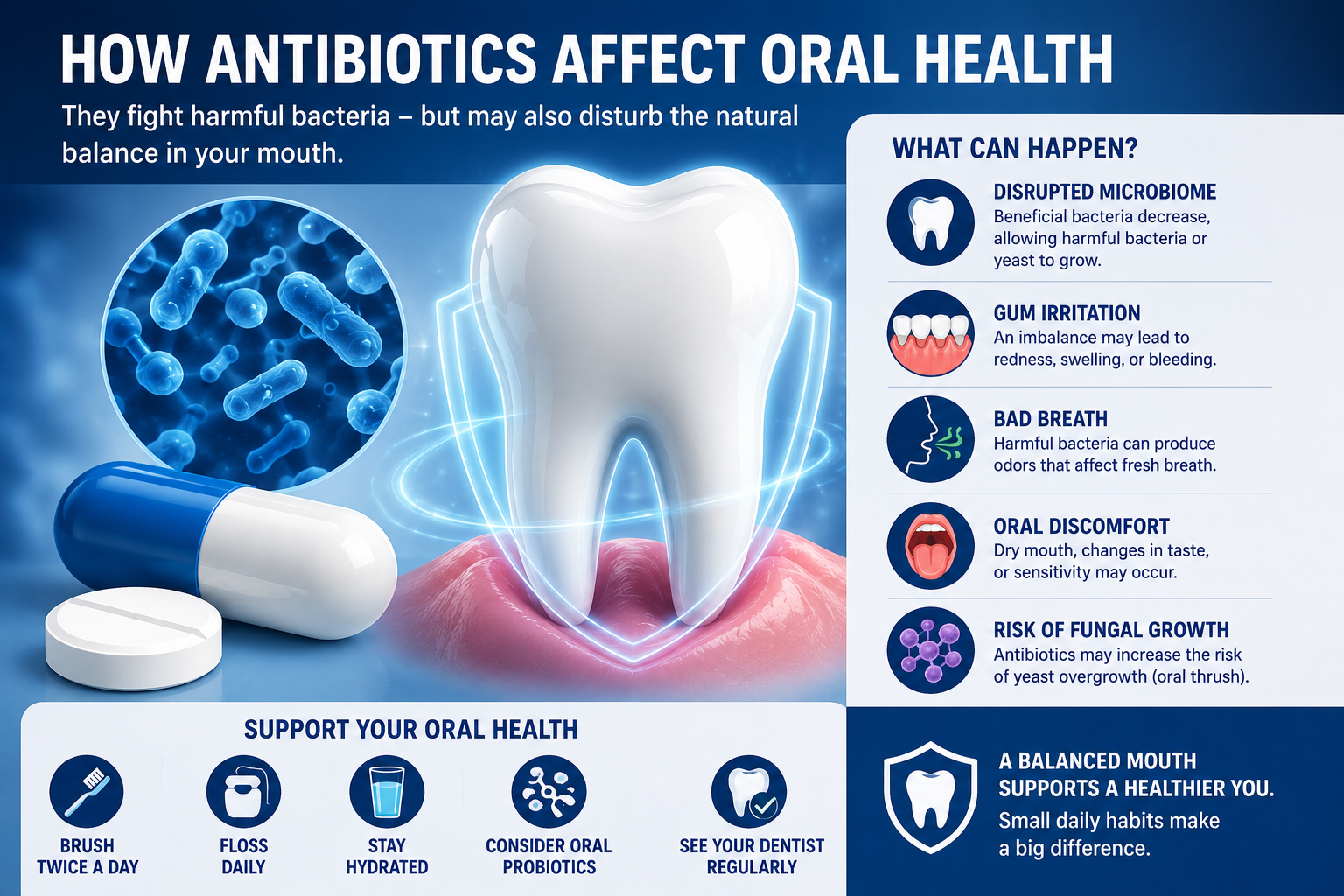
Why the Oral Microbiome Matters
The oral microbiome matters because it influences the environment where your teeth, gums, tongue, and saliva work together every day. A balanced oral microbiome may help support fresher breath, healthier gums, stronger enamel protection, and a more stable mouth environment.
Researchers are especially interested in this topic because many common oral problems are not caused by one single factor. Cavities, gum irritation, plaque buildup, and bad breath often develop when the mouth’s microbial balance changes over time.
In a healthy mouth, beneficial bacteria help compete with harmful microbes. They may also support a more balanced pH and reduce the chance that harmful organisms dominate the mouth. But when diet, dry mouth, poor hygiene, smoking, aging, stress, or frequent antibiotic use disrupts this balance, the oral ecosystem can shift in a harmful direction.
Key Point
A healthy mouth is not bacteria-free. It is balanced. The goal of modern oral care is not to destroy every microbe, but to help maintain a healthier microbial environment.
Healthy Oral Microbiome vs Dysbiosis
A healthy oral microbiome is diverse and stable. It contains many types of microorganisms living in balance. This diversity helps prevent a small group of harmful bacteria from taking control.
Dysbiosis happens when this balance is disturbed. Instead of a diverse and cooperative microbial community, harmful bacteria may become more active. This can increase acid production, inflammation, plaque buildup, gum sensitivity, and unpleasant breath.
For example, frequent snacking on sugary foods can feed acid-producing bacteria. Dry mouth can reduce the protective role of saliva. Overusing harsh antibacterial mouthwash may reduce microbial diversity. Poor gum cleaning can allow bacteria to collect near the gumline.
Researchers study dysbiosis because it may help explain why some people experience recurring oral problems even after brushing, flossing, or dental cleaning. The problem may not only be the presence of bacteria, but the loss of balance between helpful and harmful species.
Biofilm Explained: The Living Layer on Your Teeth
Biofilm is a sticky layer of microorganisms that forms on surfaces inside the mouth, especially on teeth and near the gumline. Dental plaque is one of the most familiar examples of oral biofilm.
Biofilm is not just loose bacteria sitting on the teeth. It is a structured community where microbes attach to surfaces, communicate, and protect themselves within a sticky matrix. This is one reason plaque can be difficult to remove if daily oral hygiene is inconsistent.
In small amounts, biofilm is a normal part of the mouth. The problem begins when it becomes thick, mature, and dominated by harmful bacteria. When this happens, biofilm may contribute to acid attacks on enamel, gumline irritation, tartar buildup, and inflammatory responses in the gums.
This is why brushing, flossing, tongue cleaning, hydration, and regular dental visits remain important. These habits help disrupt harmful biofilm before it becomes more difficult to control.
Connection With Gum Disease
One of the biggest reasons researchers are studying the oral microbiome is its connection with gum disease. Gum problems often begin when bacteria accumulate near the gumline and trigger irritation.
In the early stages, gums may appear red, swollen, or bleed during brushing. This stage is often associated with gingivitis. When microbial imbalance and inflammation continue, the condition may progress and affect deeper gum tissues.
Research into the oral microbiome helps explain why gum disease is not simply a surface-level problem. It involves bacteria, immune response, inflammation, saliva, oral hygiene habits, and individual risk factors.
A microbiome-focused approach may help future dentistry become more personalized. Instead of only treating symptoms after they appear, dental professionals may be able to identify microbial risk patterns earlier and recommend prevention strategies based on each person’s oral environment.
Healthy Oral Microbiome vs Dysbiosis: Comparison Table
| Factor | Healthy Oral Microbiome | Dysbiosis |
|---|---|---|
| Microbial Balance | Diverse and stable community of microbes | Harmful bacteria become more dominant |
| Breath | More likely to support fresh breath | May contribute to persistent bad breath |
| Gum Health | Supports calmer, healthier-looking gums | May increase gum irritation and bleeding |
| Plaque | Biofilm is easier to manage with daily care | Plaque may become thicker and more harmful |
| Enamel Environment | More balanced pH and better saliva support | More acid activity and enamel stress |
| Common Triggers | Good hygiene, hydration, balanced diet, regular dental care | Sugar frequency, dry mouth, smoking, poor hygiene, antibiotics |
Want to Learn How to Support a Balanced Oral Microbiome?
Explore the complete guide to understand how oral probiotics, daily habits, gum care, nutrition, and microbiome-friendly routines may support fresher breath and long-term oral wellness.
Read the Complete Oral Health GuideOral Microbiome and Overall Health
Researchers are studying the oral microbiome not only because it affects teeth and gums, but also because the mouth is closely connected to the rest of the body. Modern reviews describe associations between oral dysbiosis, inflammation, immune activity, and systemic conditions such as diabetes, cardiovascular disease, pregnancy complications, and neurodegenerative research areas. These links are still being studied, and they do not mean that oral bacteria directly cause every condition, but they show why oral health deserves serious attention.
The mouth can influence the body through several possible pathways. Harmful bacteria may enter the bloodstream through inflamed gums, inflammatory molecules may circulate beyond the mouth, and immune responses triggered in oral tissues may affect broader health patterns. This is one reason researchers now see oral care as part of whole-body wellness, not just cosmetic hygiene.
Important Note
Oral microbiome research is promising, but it should not replace medical or dental care. A healthy routine, professional dental cleanings, and medical guidance remain essential.
Diabetes and the Oral Microbiome
Diabetes is one of the strongest examples of the mouth-body connection. People with diabetes may be more vulnerable to gum problems because blood sugar, inflammation, saliva changes, and immune response can influence the oral environment.
At the same time, gum inflammation may make oral microbial balance harder to maintain. This creates a two-way relationship: metabolic health may affect the mouth, and oral inflammation may contribute to broader inflammatory stress. For this reason, researchers study how better gum care and microbiome balance may support healthier oral outcomes in people with blood sugar concerns.
Cardiovascular Disease Research
Cardiovascular research is another major reason scientists are interested in the oral microbiome. Studies have explored associations between periodontal disease, oral bacteria, inflammation, and heart-related conditions.
Researchers are investigating whether oral dysbiosis may contribute to vascular inflammation, endothelial stress, or bacterial movement from the mouth into the bloodstream. This does not mean brushing alone prevents heart disease, but it supports the idea that oral health is part of a larger prevention mindset.
Alzheimer's Research and Brain Health
Alzheimer’s research has also begun examining the possible role of oral bacteria and chronic inflammation. Some studies have investigated whether periodontal pathogens and inflammatory responses may be associated with cognitive decline or neurodegenerative processes.
This area is still developing, and researchers are careful not to overstate the findings. However, the connection between oral inflammation, immune activation, and brain health has made the oral microbiome an important topic in future neurological research.
Pregnancy and Oral Microbial Balance
Pregnancy can change hormones, gum sensitivity, saliva, and immune responses. These changes may affect the oral microbiome and make some women more prone to gum irritation or bleeding.
Researchers are especially interested in the relationship between periodontal inflammation and pregnancy outcomes. Maintaining dental checkups and good oral hygiene during pregnancy is commonly recommended because gum health can become more sensitive during this period.
The Immune System and Oral Bacteria
The immune system constantly interacts with the oral microbiome. In a balanced mouth, the immune system helps manage microbial activity without excessive inflammation. But when dysbiosis develops, immune responses may become more active, contributing to gum swelling, bleeding, and tissue stress.
This relationship is one reason scientists are studying oral probiotics, prebiotic nutrition, saliva support, and microbiome-friendly routines. The future of oral care may focus more on helping the body maintain balance instead of only fighting bacteria after problems appear.
Latest Scientific Discoveries
Recent scientific reviews highlight that the oral microbiome is a highly diverse ecosystem connected to oral and systemic health. Researchers are using DNA sequencing, microbial mapping, and personalized medicine approaches to understand how oral bacteria interact with the immune system, metabolism, inflammation, and disease risk patterns.
Current discoveries suggest that future dentistry may become more personalized. Instead of giving everyone the same routine, dental professionals may one day use microbiome testing to identify risk patterns, recommend targeted prevention, and support healthier microbial balance before major symptoms appear.
Continue Learning About Oral Probiotics and Whole-Mouth Wellness
Discover how oral probiotics, gum-supporting habits, saliva health, nutrition, and microbiome balance may help support fresher breath and long-term oral wellness.
Read the Complete Oral Health GuideKeep Exploring the Science Behind Oral Health
The oral microbiome is one of the fastest-growing areas of dental research. Continue learning with these expert guides to better understand how beneficial bacteria, daily habits, and modern science may support healthier teeth and gums.
🧬 The Science Behind Oral Probiotics
Discover why researchers are studying beneficial bacteria and how oral probiotics may help maintain microbial balance.
Read More →🦠 Good vs Bad Bacteria in Your Mouth
Learn how beneficial and harmful bacteria interact and why maintaining balance is essential for oral health.
Explore This Guide →🦷 How Your Oral Microbiome Protects Teeth
Understand how healthy bacteria naturally help defend your teeth against plaque, cavities, and harmful microbes.
Learn How →📖 The Ultimate Oral Health Guide 2026
Access our comprehensive pillar guide covering oral probiotics, healthy gums, fresh breath, cavities, and the latest microbiome discoveries.
Visit the Complete Guide →Future Treatments: Where Oral Microbiome Research Is Going
One of the biggest reasons researchers are studying the oral microbiome is the future of dental care. Traditional dentistry has often focused on repairing damage after it appears. Modern microbiome research may help shift oral care toward earlier prevention, better risk detection, and more personalized strategies.
Instead of treating every mouth the same way, future dental care may consider each person’s unique microbial profile. This could help dental professionals better understand why one person develops cavities easily, why another struggles with gum inflammation, and why someone else experiences persistent bad breath despite a basic hygiene routine.
Oral Probiotics and Microbial Balance
Oral probiotics are becoming an important topic in microbiome research. Unlike traditional probiotics designed mainly for gut health, oral probiotics are intended to support the environment of the mouth, gums, tongue, and saliva.
Researchers are studying whether specific beneficial bacteria may help support fresher breath, gum comfort, plaque balance, and a healthier oral ecosystem. The goal is not to replace brushing, flossing, or dental visits, but to add another layer of support for people interested in microbiome-friendly oral care.
This is why oral probiotics are often discussed alongside daily habits such as hydration, tongue cleaning, reduced sugar frequency, balanced nutrition, and regular professional cleanings.
Precision Dentistry
Precision dentistry is a future-focused approach that uses more detailed information about each patient to guide prevention and treatment. Instead of relying only on visible symptoms, dentists may one day use microbial testing, saliva analysis, genetic information, and lifestyle data to understand oral health risks earlier.
For example, a person with a higher level of acid-producing bacteria may need a different prevention strategy than someone whose main concern is gum inflammation. Another person with dry mouth may need saliva support before focusing only on whitening or cosmetic treatments.
Future Possibility
Microbiome testing may eventually help dentists recommend more personalized oral care routines based on each person’s bacteria, saliva, diet, and gum health profile.
Personalized Medicine and Oral Health
Personalized medicine is already changing many areas of healthcare, and oral health may be next. Since every person’s oral microbiome is unique, researchers believe future dental recommendations may become more customized.
This could include personalized toothpaste formulas, targeted probiotics, saliva-supporting products, dietary recommendations, and prevention plans designed around individual risk factors.
For now, most people do not need advanced microbiome testing to improve their daily routine. However, understanding the concept of microbial balance can help you make smarter choices today.
Prevention Tips to Support a Healthier Oral Microbiome
While oral microbiome science continues to evolve, many daily habits already support a healthier mouth environment. These habits help reduce harmful biofilm, support saliva, and create better conditions for beneficial bacteria.
- Brush twice daily with a fluoride toothpaste recommended by dental professionals.
- Floss or clean between teeth to remove biofilm near the gumline.
- Clean your tongue to reduce odor-causing buildup.
- Stay hydrated to support saliva flow and natural mouth protection.
- Reduce frequent sugar exposure, especially between meals.
- Eat more nutrient-dense foods that support gum and enamel health.
- Avoid smoking, which may disturb the oral microbiome and gum health.
- Visit a dentist regularly for professional cleanings and early detection.
- Consider microbiome-friendly routines, including oral probiotics, when appropriate.
The most important idea is consistency. A balanced oral microbiome is supported by small habits repeated every day, not by one single product or quick fix.
Build a Smarter Oral Health Routine Starting Today
Learn how oral probiotics, gum-supporting habits, nutrition, saliva health, and microbiome balance may help support fresher breath and long-term oral wellness.
Read the Complete Oral Health GuideExpand Your Knowledge of Oral Health
Scientists continue discovering how the oral microbiome influences dental health, gum health, and even overall wellness. Explore these in-depth guides to better understand the latest research and practical strategies for maintaining a healthier mouth naturally.
🦠 What Is the Oral Microbiome and Why Does It Matter?
Understand how billions of microorganisms work together to protect—or sometimes harm—your oral health.
Read the Complete Guide →⚖️ Good vs Bad Bacteria in Your Mouth
Learn which bacteria support healthy teeth and gums and which species contribute to plaque, cavities, and inflammation.
Explore the Differences →🛡️ How Your Oral Microbiome Protects Teeth
Discover the natural defense mechanisms that beneficial bacteria provide against tooth decay and harmful microbes.
Learn More →🧬 The Science Behind Oral Probiotics
See how researchers are investigating beneficial bacterial strains that may help support a balanced oral microbiome.
Discover the Science →🪥 How Oral Probiotics Support Healthy Gums
Explore current research on oral probiotics and their potential role in maintaining healthier gums.
Read More →🦷 The Surprising Link Between Oral Bacteria and Tooth Decay
Find out why modern research shows bacterial imbalance may play an even greater role than sugar alone.
Read the Research →❤️ Can Oral Health Affect Overall Wellness?
Learn why scientists are investigating possible links between the oral microbiome and whole-body health.
Explore the Connection →📚 The Ultimate Oral Health Guide 2026
Access our complete pillar guide covering oral probiotics, healthy gums, fresh breath, cavities, and the latest microbiome science.
Visit the Pillar Guide →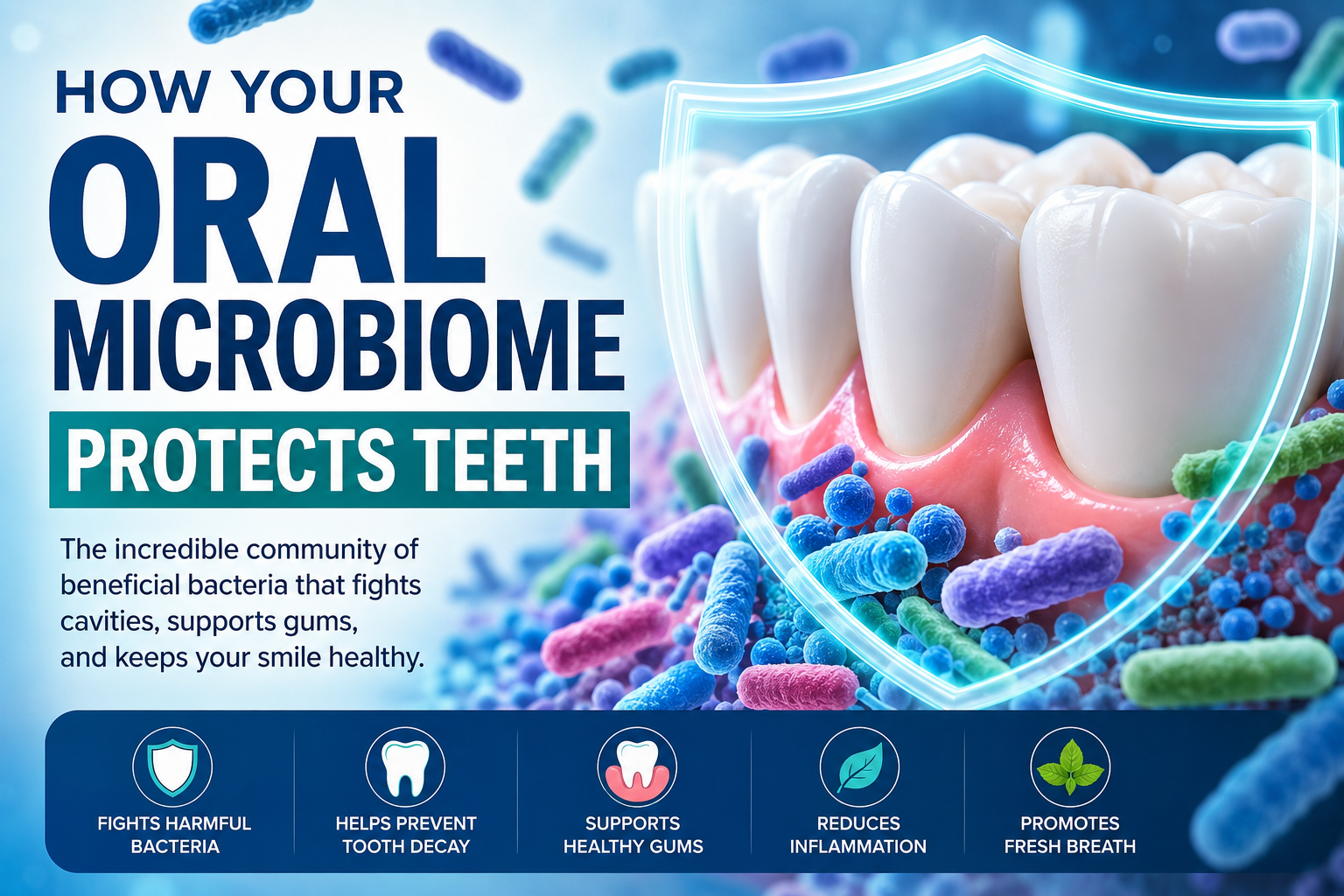
Frequently Asked Questions
1. Why are researchers studying the oral microbiome?
Because the oral microbiome may help explain cavities, gum problems, plaque buildup, bad breath, inflammation, and how the mouth connects with overall wellness.
2. Is the oral microbiome the same as plaque?
No. Plaque is a form of biofilm that contains bacteria, but the oral microbiome includes all microorganisms in the mouth, including those on the tongue, gums, saliva, cheeks, and teeth.
3. Are all oral bacteria harmful?
No. Many oral bacteria are normal and may help maintain balance. Problems usually happen when harmful bacteria become dominant and microbial diversity decreases.
4. What is oral dysbiosis?
Oral dysbiosis is an imbalance in the mouth’s microbial ecosystem. It may contribute to plaque buildup, gum irritation, bad breath, enamel stress, and inflammation.
5. Can the oral microbiome affect gum health?
Yes. Researchers study how bacteria near the gumline may trigger immune responses, swelling, bleeding, and long-term gum problems when the microbial balance is disrupted.
6. What are oral probiotics?
Oral probiotics are beneficial bacteria designed to support the mouth’s microbial environment. They are different from general gut probiotics because they focus on oral surfaces, saliva, gums, and breath.
7. Can oral probiotics replace brushing and flossing?
No. Oral probiotics should not replace brushing, flossing, tongue cleaning, dental visits, or professional advice. They may be considered as an additional support within a complete oral care routine.
8. How does DNA sequencing help oral microbiome research?
DNA sequencing helps scientists identify many microorganisms that older lab methods could not detect. This gives researchers a more complete view of the microbial community inside the mouth.
9. Can diet change the oral microbiome?
Yes. Frequent sugar intake, acidic foods, hydration, fiber-rich foods, and nutrient quality can influence saliva, pH balance, plaque activity, and microbial balance.
10. What is the future of oral microbiome research?
The future may include microbiome testing, personalized dental routines, targeted oral probiotics, saliva analysis, and prevention strategies based on each person’s unique oral ecosystem.
Conclusion
Researchers are studying the oral microbiome because it may change the way we understand oral health. Instead of seeing the mouth as a place where all bacteria should be destroyed, modern science shows that the mouth is a living ecosystem that depends on balance.
This balance may influence gum comfort, breath freshness, plaque control, enamel protection, immune response, and even broader wellness research. While the science is still developing, one message is already clear: daily oral care should support a healthier environment, not just remove visible buildup.
Brushing, flossing, tongue cleaning, hydration, regular dental visits, smart nutrition, and microbiome-friendly habits remain the foundation of oral wellness. As oral microbiome research advances, future dentistry may become more personalized, preventive, and focused on long-term balance.
Ready to Build a Smarter Oral Health Routine?
Learn how oral probiotics, gum-supporting habits, saliva health, nutrition, and microbiome balance may help support fresher breath and long-term oral wellness.
Read the Complete Oral Health GuidePremium Oral Probiotic Support
Interested in supporting your oral microbiome with a probiotic formula designed for teeth, gums, and fresh breath? Visit the official ProDentim page below.
Visit the Official ProDentim PageAffiliate disclosure: this site may earn a commission if you purchase through this link, at no extra cost to you.
Scientific References
- Human Oral Microbiome Database — HOMD
- The Human Microbiome Project Consortium — Structure, function and diversity of the healthy human microbiome
- National Institute of Dental and Craniofacial Research — Oral Health Research
- American Dental Association — Oral Health Topics
- National Library of Medicine — Oral Microbiome and Periodontal Disease Research
- Frontiers in Cellular and Infection Microbiology — Microbiome and Oral Health Studies
RELATED POSTS
View all


What Causes Tooth Sensitivity?
June 14, 2026 | by By EnergyFix40 Editorial Team
Why Thousands of Americans Are Using ProDentim for Healthier Teeth (2026 Guide)
July 12, 2026 | by By EnergyFix40 Editorial Team
How Antibiotics Affect Oral Health
June 17, 2026 | by By EnergyFix40 Editorial Team