The Science Behind Oral Probiotics
June 17, 2026 | by By EnergyFix40 Editorial Team

The Science Behind Oral Probiotics
Discover how beneficial bacteria may help support a healthier oral microbiome, fresher breath, stronger gum balance, and long-term mouth wellness — naturally and intelligently.
Educational content only. This article explains current scientific interest in oral probiotics and does not replace professional dental advice.
Why Oral Probiotics Matter
- ✅ Helps explain how beneficial bacteria support oral balance
- ✅ Connects oral microbiome science with gum and breath wellness
- ✅ Shows why modern dentistry is studying bacterial balance
- ✅ Gives readers a science-based path to better daily oral habits
For decades, most oral care advice focused mainly on removing bacteria. Today, researchers understand that the mouth is not meant to be sterile. It is home to a complex ecosystem known as the oral microbiome, where hundreds of bacterial species interact with teeth, gums, saliva, and the immune system.
This article explores the science behind oral probiotics, why beneficial bacteria are being studied, and how supporting microbial balance may become an important part of long-term oral wellness. For a complete overview of oral probiotics, healthy gums, and fresh breath, visit the Ultimate Oral Health Guide 2026 .
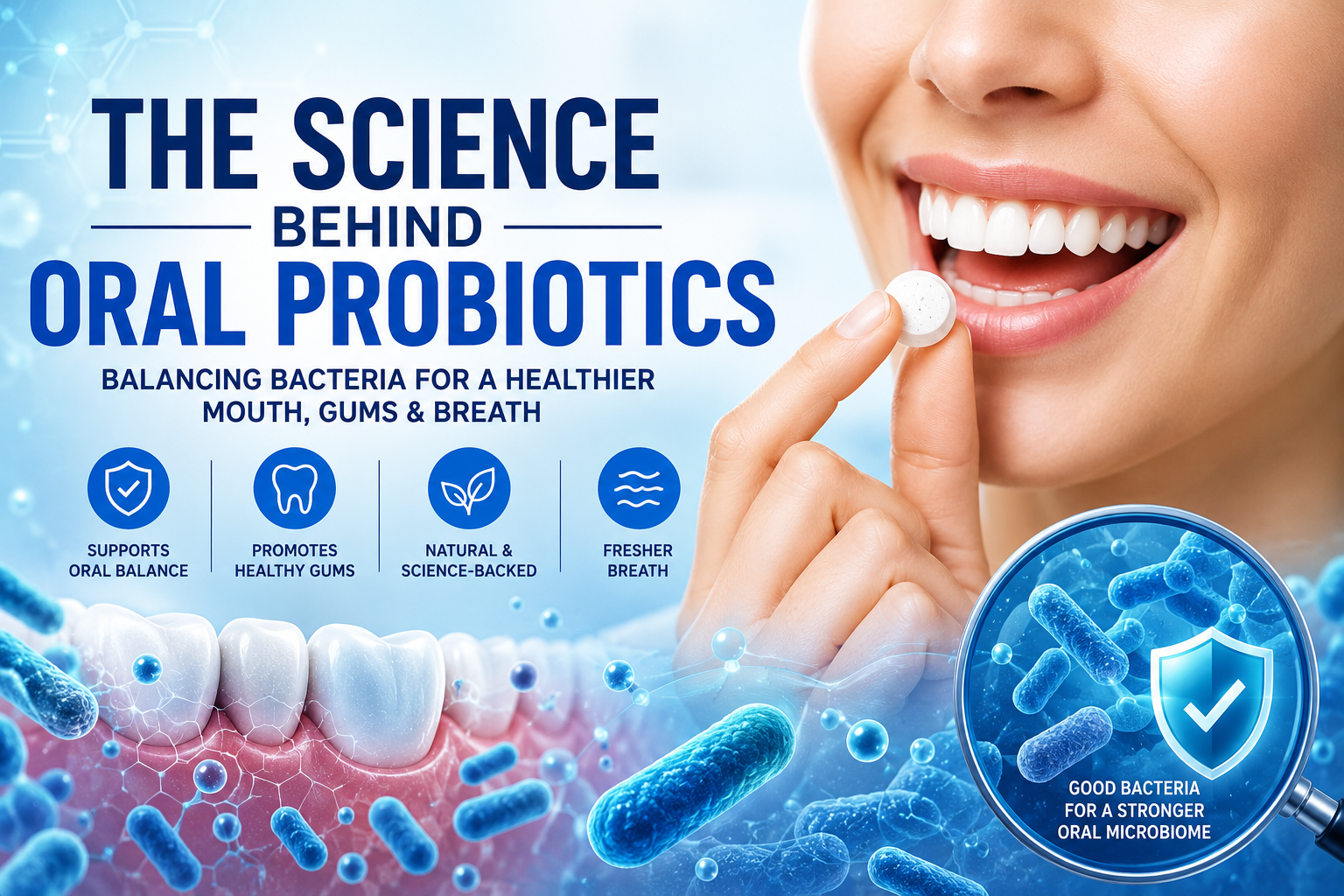
Oral probiotics are becoming one of the most discussed topics in natural oral health because they focus on something traditional dental routines often overlook: the balance of bacteria inside the mouth. Instead of treating all bacteria as harmful, modern oral microbiome science shows that a healthy mouth depends on a diverse community of beneficial microorganisms working alongside saliva, enamel, gums, and the immune system.
For many years, oral care was mostly built around removing plaque, killing germs, whitening teeth, and masking bad breath. While brushing, flossing, and regular dental visits remain essential, researchers now understand that the mouth is not meant to be completely sterile. A healthier oral environment is often one where beneficial bacteria are able to compete with unwanted microbes, support a more balanced biofilm, and help maintain fresher breath and gum comfort.
This is where oral probiotics come in. They are designed to introduce or support helpful bacterial strains that may contribute to oral microbial balance. In this article, you will learn what oral probiotics are, how they differ from gut probiotics, why the oral microbiome matters, and why scientists developed probiotic approaches specifically for the mouth.
Article Index
What Are Oral Probiotics?
Oral probiotics are beneficial microorganisms, usually specific bacterial strains, formulated to support balance inside the mouth. Unlike general probiotics that are swallowed quickly and mainly target the digestive system, oral probiotics are often designed to dissolve slowly in the mouth so the bacteria can interact with the tongue, teeth, gums, saliva, and oral tissues.
The goal is not to replace brushing, flossing, or professional dental care. Instead, oral probiotics are meant to complement a healthy routine by helping support a more balanced oral ecosystem. Some strains are studied for their potential role in breath freshness, gum comfort, plaque balance, and microbial diversity.
How Oral Probiotics Differ From Gut Probiotics
Gut probiotics and oral probiotics are not exactly the same. Gut probiotics are usually created to survive stomach acid and support the intestinal microbiome. Oral probiotics, on the other hand, are selected for their ability to remain active in the mouth and interact with oral surfaces.
This difference matters because the mouth has its own environment. It contains saliva, changing pH levels, oxygen exposure, food particles, dental biofilm, and gum tissue. A strain that supports gut balance may not automatically provide the same support in the mouth. That is why oral probiotic formulas often focus on strains associated with oral microbial health rather than only digestive wellness.
Understanding the Oral Microbiome
The oral microbiome is the community of bacteria and other microorganisms living in the mouth. These microbes are found on the tongue, gums, cheeks, teeth, and in saliva. Some are helpful, some are neutral, and others can become problematic when the environment becomes unbalanced.
When the oral microbiome is balanced, beneficial bacteria may help compete with less desirable microbes and support a healthier environment. But when balance is disrupted by poor diet, dry mouth, smoking, excessive sugar, harsh products, or inconsistent hygiene, harmful bacteria may become more dominant. This imbalance is often called dysbiosis.
Dysbiosis is one reason researchers are interested in oral probiotics. Instead of only focusing on killing bacteria, scientists are studying whether supporting beneficial species may help create a more stable and resilient oral ecosystem.
Why Scientists Developed Oral Probiotics
Scientists developed oral probiotics because the traditional “kill all germs” approach does not fully explain long-term oral wellness. Strong antimicrobial mouthwashes and harsh oral products may reduce bacteria temporarily, but they may also affect helpful microbes. The newer approach is more balanced: reduce harmful habits, maintain good hygiene, and support beneficial bacteria whenever possible.
Oral probiotics were created to explore this more intelligent strategy. Researchers are studying how certain bacterial strains may compete for space and nutrients, influence biofilm behavior, support a healthier pH environment, and interact with immune responses in the mouth.
While oral probiotics are not a cure for dental disease, they represent an important shift in oral care science. The future of dentistry may not focus only on removing harmful bacteria, but also on protecting the beneficial microbes that help the mouth stay naturally balanced.
Want the Complete Oral Health Strategy?
Learn how oral probiotics, healthy gums, fresh breath, daily habits, and microbiome science work together in the complete 2026 oral health guide.
Read the Ultimate Oral Health GuideContinue Learning About Oral Health
Understanding how oral probiotics work is only one part of building a healthier mouth. Explore these related guides to learn how beneficial bacteria support your teeth, gums, and overall oral microbiome.
🦷 What Is the Oral Microbiome and Why It Matters
Discover why billions of beneficial bacteria live inside your mouth and how a balanced oral microbiome helps protect teeth, gums, and fresh breath.
🪥 How Oral Probiotics Support Healthy Gums
Learn how selected probiotic strains may help support gum health, reduce bacterial imbalance, and complement a consistent oral hygiene routine.
🔬 Why Researchers Are Studying the Oral Microbiome
Explore the latest scientific discoveries showing how the oral microbiome may influence dental health and broader aspects of overall wellness.
The Science of Bacterial Balance
The science behind oral probiotics begins with one simple idea: a healthy mouth depends on balance, not sterility. Your mouth contains hundreds of bacterial species living on the tongue, teeth, gums, cheeks, and saliva. Some microbes help maintain a stable environment, while others may contribute to plaque buildup, gum irritation, unpleasant breath, and enamel stress when they become too dominant.
Oral probiotics are designed to support this microbial balance. Instead of simply attacking bacteria, the probiotic approach focuses on encouraging beneficial species that may help crowd out unwanted organisms. This makes oral probiotics different from harsh antibacterial products, which may reduce bacteria broadly without distinguishing between helpful and harmful microbes.
How Beneficial Bacteria Compete With Harmful Microbes
Beneficial oral bacteria may compete with harmful microbes in several ways. First, they can occupy space on oral surfaces, making it harder for unwanted bacteria to attach. Second, they may compete for nutrients, limiting the resources available to less desirable organisms. Third, some probiotic strains may produce natural compounds that influence microbial behavior and help maintain a more balanced environment.
This competitive effect is important because many oral health problems begin when certain harmful bacteria become dominant. For example, an unbalanced microbiome may support stronger plaque formation, more acidic conditions, or increased gum sensitivity. Supporting beneficial bacteria may help the mouth become more resilient over time.
Biofilm Explained
Biofilm is a thin layer of microorganisms that forms on surfaces inside the mouth, especially on the teeth and gumline. Dental plaque is one of the best-known examples of oral biofilm. Not all biofilm is automatically harmful, but when it becomes dominated by problematic bacteria, it can contribute to oral imbalance.
A balanced biofilm may contain a more diverse mix of bacteria, while an unhealthy biofilm may become more acidic, sticky, and difficult to remove. This is why brushing and flossing remain essential. Oral probiotics do not replace mechanical cleaning, but they may support a healthier microbial environment when combined with proper daily hygiene.
Immune System Modulation
The mouth is closely connected to the immune system. Gum tissue is not just a passive surface; it responds to bacterial activity, inflammation signals, saliva composition, and environmental stressors. When harmful bacteria become more dominant, the immune system may react more strongly, which can contribute to gum discomfort and sensitivity.
Some oral probiotic research explores how beneficial bacteria may help regulate immune responses in the mouth. This does not mean oral probiotics “treat” gum disease, but it does suggest that microbial balance may play a role in maintaining a calmer and healthier oral environment. For people interested in natural oral wellness, this is one of the most exciting areas of ongoing study.
Most Studied Oral Probiotic Strains
Not all probiotics are the same. The benefits of probiotics depend heavily on the strain, delivery method, dosage, and consistency of use. In oral health research, several bacterial strains have received attention because of their possible relationship with breath freshness, gum support, plaque balance, and oral microbiome stability.
Strains such as Streptococcus salivarius K12, Streptococcus salivarius M18, Lactobacillus reuteri, Lactobacillus paracasei, and Lactobacillus rhamnosus are frequently discussed in oral probiotic literature. Each strain may work differently, which is why a science-based formula usually focuses on specific strains rather than using a generic probiotic label.
| Probiotic Strain | Main Research Interest | Possible Oral Health Role | Best Use Context |
|---|---|---|---|
| Streptococcus salivarius K12 | Breath and throat microbiome | May support fresher breath and oral microbial balance | Daily oral probiotic lozenges |
| Streptococcus salivarius M18 | Dental plaque and oral ecology | Studied for plaque balance and tooth-supportive environments | Oral microbiome support |
| Lactobacillus reuteri | Gum comfort and inflammatory response | May help support healthier gum balance | Gum-focused oral care routines |
| Lactobacillus paracasei | Microbial competition | May help compete with unwanted oral bacteria | Balanced oral microbiome support |
| Lactobacillus rhamnosus | General probiotic and oral studies | Studied for broader microbial and immune support | Daily wellness routines |
The key takeaway is that oral probiotics should be evaluated by strain specificity, not just by the total number of bacteria listed on a label. A product with a large CFU count is not automatically better if the strains are not relevant to the oral environment. Delivery also matters because chewable tablets or lozenges may allow more contact time in the mouth than capsules that are swallowed immediately.
Explore the Complete Oral Microbiome Guide
Learn how oral probiotics, gum health, fresh breath, daily habits, and bacterial balance work together in a complete science-based oral wellness strategy.
Read the Full Oral Health Guide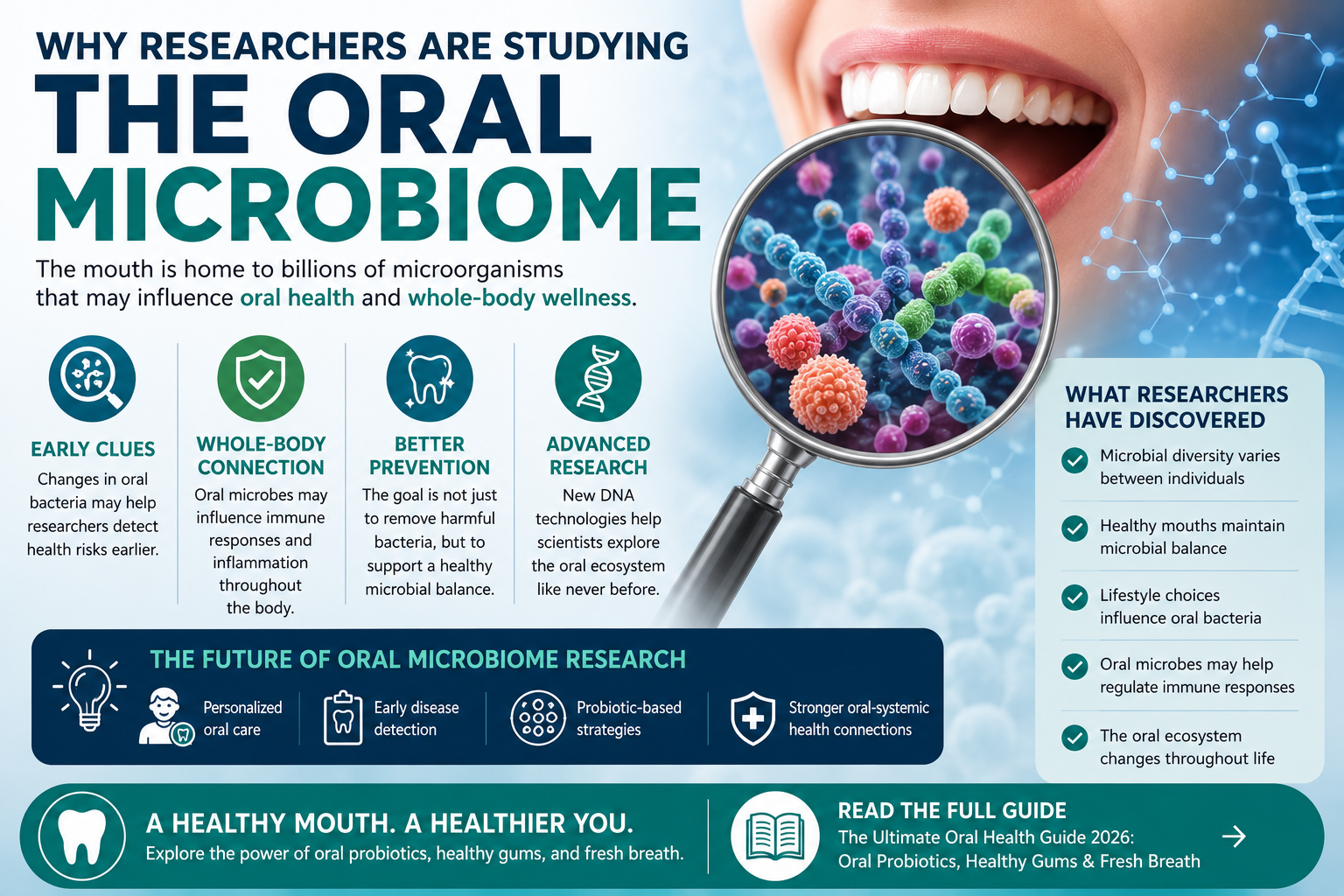
Scientific Studies on Oral Probiotics
Scientific interest in oral probiotics has grown because researchers now understand that the mouth is a complex microbial ecosystem. Studies have explored how selected probiotic strains may influence plaque balance, gum comfort, breath freshness, and oral microbial diversity. While results vary depending on the strain, dosage, product format, and study design, the overall direction of research suggests that oral probiotics may be a promising complementary approach to daily oral care.
Some studies focus on Streptococcus salivarius strains, especially K12 and M18, because these bacteria naturally belong to the oral cavity. Others examine Lactobacillus reuteri, Lactobacillus rhamnosus, and Lactobacillus paracasei for their possible role in supporting a healthier microbial environment. The key point is that oral probiotics are strain-specific. A probiotic must be selected for oral use, not simply labeled as a general digestive probiotic.
Potential Benefits of Oral Probiotics
Oral probiotics may offer several potential benefits when used consistently alongside brushing, flossing, hydration, and regular dental visits. Their main purpose is not to “kill bacteria,” but to help support a more balanced oral microbiome. This balance may help reduce the dominance of unwanted microbes and encourage a healthier oral environment.
- Fresher breath support: Some strains may help reduce odor-related bacterial imbalance.
- Gum wellness: Certain probiotics are studied for their relationship with gum comfort and microbial balance.
- Plaque balance: Beneficial bacteria may compete with harmful microbes that contribute to sticky biofilm.
- Microbiome diversity: Oral probiotics may help support a more resilient bacterial ecosystem.
- Daily oral wellness: They may complement brushing, flossing, and a low-sugar diet.
Limitations of Current Research
Although oral probiotic research is promising, it is important to be realistic. Oral probiotics are not a replacement for dental treatment, and they should not be presented as a cure for cavities, gum disease, infections, or chronic bad breath. Current research still has limitations, including differences in study size, product format, strain selection, dosage, and duration.
Another limitation is that not every person has the same oral microbiome. Diet, age, saliva flow, medication use, smoking, dental history, sugar intake, and hygiene habits can all influence results. This means two people may use the same oral probiotic and experience different outcomes.
Who May Benefit Most?
Oral probiotics may be especially interesting for people who want to support fresher breath, healthier gums, and better microbial balance naturally. They may also appeal to individuals who already brush and floss but still feel their oral health routine needs additional support.
People with frequent dry mouth, high sugar intake, inconsistent hygiene, or a history of oral imbalance may be more interested in learning about oral probiotics. However, anyone with persistent gum bleeding, tooth pain, swelling, loose teeth, or chronic bad breath should speak with a dentist, because those symptoms may require professional care.
How to Choose an Oral Probiotic
Choosing an oral probiotic requires more than looking at the highest CFU number. A strong formula should include strains that are relevant to the mouth, such as oral-focused Streptococcus salivarius or specific Lactobacillus strains studied in oral health contexts. Delivery format also matters. Lozenges, chewables, or dissolvable tablets may allow more contact time with the mouth than capsules that are swallowed immediately.
Look for these features:
- Clearly listed probiotic strains
- Oral-specific delivery format
- Clean label with transparent ingredients
- No exaggerated cure claims
- Designed to support daily oral wellness
Daily Habits That Improve Results
Oral probiotics work best as part of a complete oral wellness routine. Brushing twice daily, flossing, cleaning the tongue, drinking enough water, reducing sugary snacks, and visiting the dentist regularly all help create a better environment for beneficial bacteria.
It is also helpful to avoid habits that disrupt the oral microbiome, such as frequent sugary drinks, smoking, poor hydration, and overusing harsh mouthwashes. A probiotic cannot overcome a routine that constantly feeds harmful bacteria. The best results usually come from combining microbial support with smart daily habits.
Build a Smarter Oral Health Routine
Discover how oral probiotics, gum health, fresh breath, microbiome balance, and daily habits work together in the complete 2026 oral health guide.
Read the Complete Oral Health GuideContinue Exploring Oral Health Science
The science behind oral probiotics becomes even more meaningful when you understand how the oral microbiome influences gum health, tooth decay, bad breath, and long-term dental wellness. Continue reading these evidence-based guides to deepen your knowledge.
🦠 What Is the Oral Microbiome and Why It Matters
Understand how trillions of microorganisms form your oral microbiome and why maintaining bacterial balance is essential for lifelong oral health.
Read the Complete Guide →🪥 How Oral Probiotics Support Healthy Gums
Learn how beneficial bacteria may help maintain healthier gums and support a balanced inflammatory response.
Discover More →🦷 Oral Microbiome: Protecting Your Teeth Naturally
Explore the natural protective role of beneficial bacteria against plaque buildup, cavities, and enamel damage.
Learn More →🧬 Why Researchers Are Studying the Oral Microbiome
See why scientists believe the oral microbiome could play a key role in future preventive dentistry.
Explore the Research →😁 Best Natural Ways to Support Fresh Breath
Find practical daily habits that encourage fresher breath by supporting a healthier oral bacterial ecosystem.
Improve Fresh Breath →🦷 The Surprising Link Between Oral Bacteria and Tooth Decay
Discover how harmful bacteria contribute to cavities and how microbial balance may help protect your teeth.
Read More →🩺 Can Oral Bacteria Cause Gum Inflammation?
Understand how bacterial imbalance can affect gum tissues and why prevention starts with a healthy microbiome.
Read the Article →📚 The Ultimate Oral Health Guide 2026
Access the complete pillar guide covering oral probiotics, healthy gums, fresh breath, tooth protection, and evidence-based prevention strategies.
Visit the Complete Guide →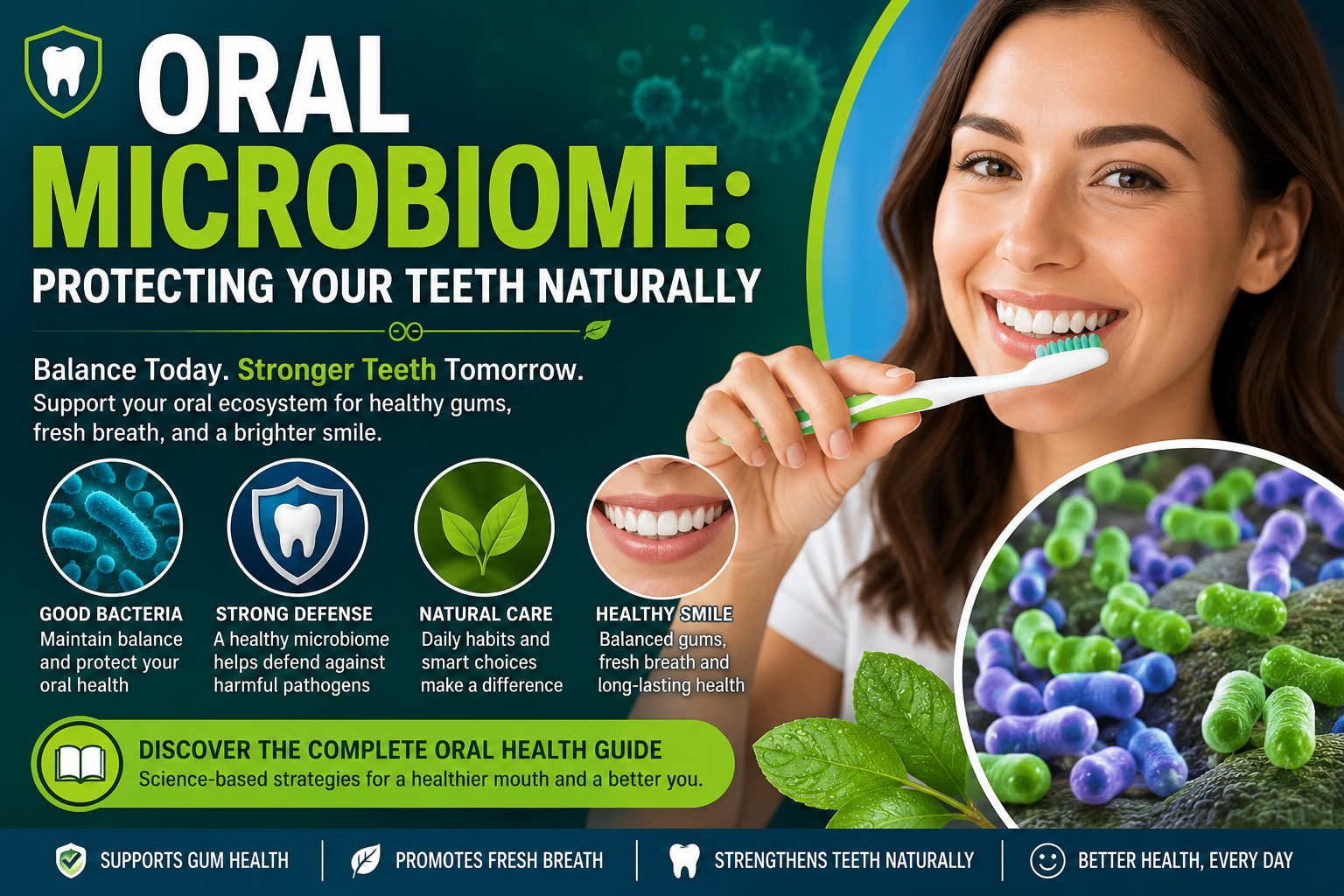
Frequently Asked Questions About Oral Probiotics
1. What are oral probiotics?
Oral probiotics are beneficial bacteria designed to support microbial balance in the mouth, gums, tongue, saliva, and dental biofilm.
2. Are oral probiotics the same as gut probiotics?
No. Oral probiotics are usually selected for strains that interact with the mouth, while gut probiotics are mainly designed to support digestion and intestinal balance.
3. Can oral probiotics replace brushing and flossing?
No. They should complement brushing, flossing, tongue cleaning, hydration, and regular dental checkups.
4. Which strains are commonly studied?
Commonly studied strains include Streptococcus salivarius K12, Streptococcus salivarius M18, Lactobacillus reuteri, and Lactobacillus rhamnosus.
5. Can oral probiotics help with bad breath?
Some studies suggest certain probiotic strains may help support fresher breath by influencing odor-related bacteria, but results can vary.
6. Are oral probiotics useful for gum health?
Research suggests some strains may support gum comfort and microbial balance, especially when combined with strong daily oral hygiene.
7. How long do oral probiotics take to work?
Results vary. Many people use oral probiotics consistently for several weeks while maintaining brushing, flossing, hydration, and a balanced diet.
8. Are oral probiotics safe?
For many healthy adults, oral probiotics are generally considered well tolerated. People with medical conditions should ask a healthcare professional first.
9. What is the best format for oral probiotics?
Lozenges, chewables, or dissolvable tablets may offer longer contact time in the mouth than capsules swallowed immediately.
10. Do oral probiotics cure dental problems?
No. Oral probiotics do not cure cavities, gum disease, infections, or dental pain. They are best viewed as supportive tools within a complete oral wellness routine.
Conclusion
The science behind oral probiotics reflects a major shift in modern oral health thinking. Instead of viewing all bacteria as enemies, researchers now recognize that the mouth needs microbial balance. Beneficial bacteria may help support fresher breath, healthier gums, better biofilm balance, and a more resilient oral environment.
Oral probiotics are not magic pills and should never replace dental care. However, when combined with brushing, flossing, tongue cleaning, hydration, smart nutrition, and regular dental visits, they may become a valuable part of a modern oral wellness strategy.
Continue Learning About Oral Probiotics
Visit the complete oral health guide to learn how probiotics, gum care, fresh breath, and oral microbiome science work together.
Read the Ultimate Oral Health GuideInterested in Oral Probiotic Support?
ProDentim is designed for people who want to support oral microbiome balance, fresher breath, and daily gum wellness with a probiotic-based approach.
Visit the Official ProDentim PageAffiliate disclosure: This website may earn a commission if you purchase through this link, at no extra cost to you.
Scientific References
RELATED POSTS
View all


Why Thousands Of Americans Over 40 Are Switching To Oral Probiotics (2026 Scientific Review)
July 13, 2026 | by By EnergyFix40 Editorial Team
ProDentim Reviews 2026: Does This Oral Probiotic Really Work?
July 14, 2026 | by By EnergyFix40 Editorial Team
Why Dental Problems Increase With Age
June 18, 2026 | by By EnergyFix40 Editorial Team