How Oral Bacteria Affect Your Breath Every Day
June 3, 2026 | by By EnergyFix40 Editorial Team

How Oral Bacteria Affect Your Breath Every Day
Bad breath isn't always caused by what you eat—it often begins with the billions of bacteria living inside your mouth. Learn how your oral microbiome influences breath freshness every single day and discover science-backed habits that support healthier gums, cleaner teeth, and long-lasting fresh breath.
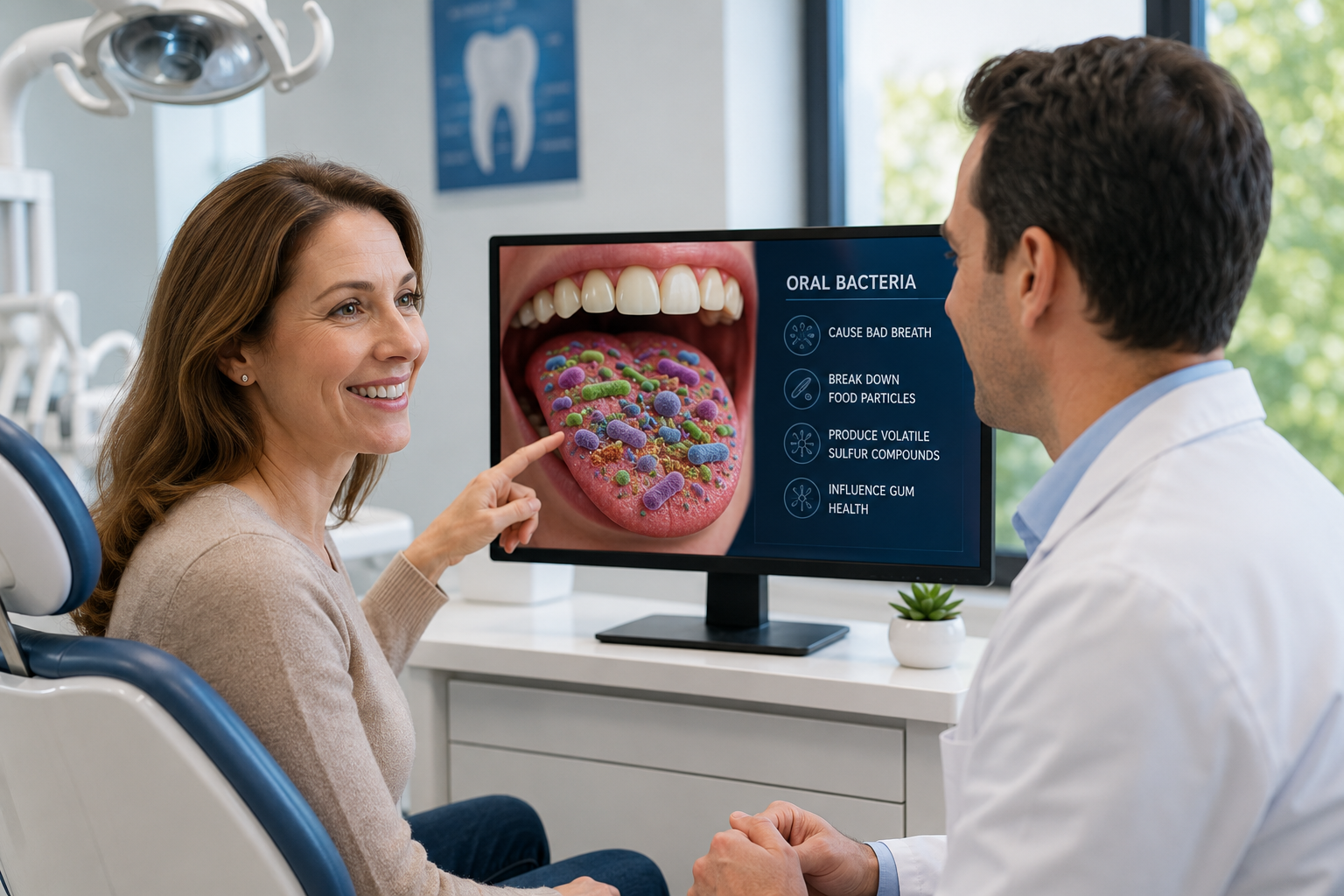
Bad breath is something almost everyone experiences at some point, but for many people, it becomes a daily concern. While foods like garlic, onions, coffee, or alcohol can temporarily affect breath, the deeper and more frequent cause often begins inside the mouth itself. More specifically, it begins with oral bacteria.
Your mouth is home to billions of microscopic organisms. Some of them are helpful and support a balanced oral environment. Others can contribute to plaque buildup, gum irritation, tooth decay, and unpleasant breath. This living ecosystem is known as the oral microbiome, and it plays a major role in how fresh your breath feels throughout the day.
When this microbiome is balanced, beneficial bacteria help protect teeth and gums, support saliva function, and limit the overgrowth of harmful microbes. But when harmful bacteria multiply, they can break down food particles, proteins, and dead cells inside the mouth. This process may release unpleasant-smelling compounds that affect breath every day.
That is why brushing, flossing, and mouthwash may not always be enough if the deeper bacterial balance is not addressed. Understanding how oral bacteria work can help you make better daily choices for fresher breath, healthier gums, and stronger long-term oral wellness.
Table of Contents
What Are Oral Bacteria?
Oral bacteria are tiny living microorganisms that naturally exist inside the mouth. They can live on the tongue, teeth, gums, cheeks, saliva, and even below the gumline. Although the word “bacteria” often sounds negative, not all bacteria are harmful. In fact, many bacteria are part of a normal and healthy mouth.
These microorganisms form communities that interact with each other every day. Some help maintain balance, while others can become problematic when they grow too much. The key is not to remove every bacterium from the mouth, but to support a healthier balance between beneficial and harmful species.
When oral bacteria feed on leftover food particles, sugars, and proteins, they produce byproducts. Some of these byproducts are acids that may weaken enamel. Others are gases that may contribute to bad breath. This is one reason breath can change throughout the day, especially after meals, during dry mouth, or after long periods without brushing.
Why Your Mouth Contains Billions of Microorganisms
The mouth is warm, moist, and constantly exposed to food, air, drinks, and environmental particles. This makes it an ideal place for microorganisms to live. Every time you eat, drink, speak, or breathe, your oral environment changes. Bacteria respond to these changes quickly.
Your saliva also plays a major role. Saliva helps wash away food particles, neutralize acids, and keep tissues hydrated. But when saliva flow decreases, bacteria can become more concentrated. This is why many people notice stronger morning breath after sleeping, when saliva production naturally slows down.
Oral bacteria also collect in biofilm, a sticky layer that can develop on teeth and the tongue. Dental plaque is one type of biofilm. If it is not removed regularly, it may become thicker and harder to clean. The tongue, especially the back of the tongue, can also trap bacteria that affect breath.
How Healthy Bacteria Protect Your Mouth
Healthy oral bacteria help create balance inside the mouth. They may compete with harmful bacteria for space and nutrients, making it harder for unwanted microbes to dominate. This natural competition is one reason a balanced oral microbiome is important for daily freshness.
Beneficial bacteria may also support a healthier pH environment. When the mouth becomes too acidic, enamel can be more vulnerable and harmful bacteria may thrive. A better-balanced microbiome helps support normal conditions where teeth, gums, and saliva can function properly.
This is also why oral probiotics have become a growing topic in modern oral health discussions. Unlike traditional mouthwash, which may temporarily reduce bacteria, oral probiotics are designed to support beneficial bacterial balance. They are not a replacement for brushing, flossing, or dental care, but they may be part of a broader routine focused on long-term oral wellness.
What Happens When Harmful Bacteria Take Over
When harmful bacteria become dominant, the mouth may shift into a state of imbalance. This is sometimes called dysbiosis. In this state, bacteria linked with plaque, gum irritation, tooth decay, and bad breath may grow more easily.
One of the most common signs of this imbalance is unpleasant breath that keeps returning. Harmful bacteria can break down proteins from food particles, saliva, and dead cells. During this process, they may release sulfur-like compounds that create strong odors.
Gum problems can make this worse. When bacteria collect near or below the gumline, they may contribute to inflammation and deeper pockets where more bacteria can hide. This can make breath harder to control with surface-level cleaning alone.
The good news is that daily habits can make a major difference. Brushing the teeth, cleaning the tongue, flossing, drinking water, reducing frequent sugar intake, and supporting a balanced oral microbiome can all help reduce the conditions that allow odor-causing bacteria to thrive.
Want to Understand the Full Oral Health Connection?
Learn how oral probiotics, healthy gums, fresh breath, and the oral microbiome work together in our complete guide.
Read the Complete Oral Health Guide →Continue Learning About Fresh Breath & Oral Bacteria
Explore these related guides to better understand how the oral microbiome, gum health, and daily habits influence your breath every day.
Learn why breath odor can return even after rinsing.
The Hidden Cause of Bad Breath Most People IgnoreDiscover how bacteria and biofilm may affect daily freshness.
What Is the Oral Microbiome and Why Does It Matter?Understand the bacterial balance behind oral wellness.
Why Oral Bacteria Cause Bad Breath
Bad breath often begins when bacteria break down tiny particles left behind in the mouth. These particles may come from food, saliva, dead cells, mucus, or proteins found around the tongue and gums. As bacteria digest this material, they can release unpleasant-smelling compounds that affect breath throughout the day.
This is why breath can change after sleeping, eating, drinking coffee, or going several hours without water. When the mouth becomes dry or food particles remain trapped, odor-causing bacteria have more opportunity to grow. The result is breath that may feel stale, sour, or unpleasant even after brushing.
Not all oral bacteria create odor. A balanced oral microbiome contains helpful bacteria that support a cleaner environment. The problem starts when harmful bacteria become dominant, especially in areas that are harder to clean, such as the back of the tongue, between teeth, or along the gumline.
Volatile Sulfur Compounds Explained
One of the main reasons bacteria affect breath is the production of volatile sulfur compounds, often called VSCs. These compounds are gases created when certain bacteria break down proteins in the mouth. Because they evaporate easily, they can quickly influence the smell of your breath.
VSCs are often linked with strong odors because sulfur-based gases can be very noticeable. They may become more intense when bacteria collect in thick biofilm, when saliva flow is low, or when gum tissues are irritated. This explains why breath odor is not only about food choices; it is also about the bacterial environment inside the mouth.
Daily hygiene helps reduce the material bacteria feed on. However, if the deeper bacterial balance remains disrupted, odor may return quickly. That is why modern oral health strategies often focus not only on killing bacteria temporarily, but also on supporting a healthier oral microbiome over time.
Tongue Biofilm: A Major Source of Daily Breath Odor
The tongue is one of the most important areas to consider when discussing bad breath. Its surface contains tiny grooves and papillae that can trap bacteria, food particles, and dead cells. This creates a layer called tongue biofilm.
The back of the tongue is especially important because it receives less friction from chewing and speaking. Bacteria can collect there more easily, and this area may become one of the main sources of odor-causing compounds.
Cleaning the tongue gently once per day may help reduce this buildup. A tongue scraper or soft toothbrush can be useful, but the goal is not to scrub aggressively. Harsh cleaning can irritate tissues. Gentle, consistent cleaning is usually more effective than occasional intense cleaning.
Gum Disease and Breath
Gum health is closely connected to breath freshness. When plaque collects along the gumline, bacteria may irritate the gums. Over time, this can lead to redness, bleeding, swelling, and deeper spaces where bacteria can hide.
These gum pockets may trap more bacteria and proteins, creating ideal conditions for odor-producing microbes. This is why persistent bad breath may sometimes be a sign that the gums need more attention.
If breath odor is accompanied by bleeding gums, gum tenderness, loose teeth, or ongoing discomfort, it is important to speak with a dental professional. Bad breath may have several causes, but gum inflammation is one of the most important oral health factors to consider.
Dry Mouth and Daily Breath Changes
Saliva is one of the mouth’s natural cleaning systems. It helps wash away food particles, dilute acids, and keep oral tissues moist. When saliva flow decreases, bacteria and odor-causing compounds can become more concentrated.
Dry mouth can happen during sleep, after drinking alcohol, when breathing through the mouth, during stress, or as a side effect of some medications. It can also become more common with age. This is one reason many people notice stronger breath in the morning.
Drinking water regularly, chewing sugar-free gum, and avoiding frequent dehydration may help support saliva flow. If dry mouth is frequent or severe, a dentist or healthcare provider can help identify possible causes.
Foods That Feed Harmful Bacteria
Certain foods can make breath worse in two ways. First, strong-smelling foods like garlic and onions contain compounds that can affect breath directly. Second, sugary and highly processed foods may feed bacteria that contribute to plaque and acid production.
Frequent snacking can also matter. When the mouth is exposed to sugar or refined carbohydrates many times per day, bacteria have more chances to produce acids and byproducts. This can create conditions that favor harmful bacterial growth.
A breath-friendly diet usually includes water, crunchy vegetables, fiber-rich foods, and meals that do not constantly bathe the teeth in sugar. These choices do not replace brushing or flossing, but they can help create a better daily environment inside the mouth.
| Factor | How It Affects Breath | Helpful Daily Habit |
|---|---|---|
| Tongue Biofilm | Traps bacteria, proteins, and odor-causing compounds. | Clean the tongue gently once per day. |
| Dry Mouth | Allows bacteria and sulfur compounds to become more concentrated. | Drink water and support healthy saliva flow. |
| Gum Irritation | Creates spaces where bacteria can collect near the gumline. | Floss daily and schedule dental checkups. |
| Sugary Snacks | Feeds bacteria that contribute to plaque and acid production. | Reduce frequent sugar exposure. |
| Imbalanced Microbiome | Allows odor-producing bacteria to become more dominant. | Support bacterial balance with smart daily habits. |
Learn the Complete Strategy for Fresher Breath
Explore how oral bacteria, gum health, saliva, and oral probiotics work together in our complete oral health guide.
Read the Complete Oral Health Guide →Explore More Guides on Oral Bacteria, Fresh Breath & Gum Health
Continue building your understanding of how oral bacteria, the oral microbiome, gum health, and daily habits work together to influence breath freshness.
Understand why breath odor may return even after rinsing.
The Hidden Cause of Bad Breath Most People IgnoreLearn how bacteria and biofilm may influence daily freshness.
What Is the Oral Microbiome and Why Does It Matter?Discover how bacterial balance shapes oral wellness.
Good vs Bad Bacteria in Your MouthSee how beneficial and harmful bacteria affect teeth and gums.
The Science Behind Oral ProbioticsExplore why researchers study probiotics for oral balance.
Can Oral Bacteria Cause Gum Inflammation?Learn how bacterial imbalance may affect gum comfort.
How Oral Probiotics Support Healthy GumsSee how probiotic support may fit into a gum-health routine.
Best Daily Habits for Oral Health After 60Review simple habits that support oral wellness with age.
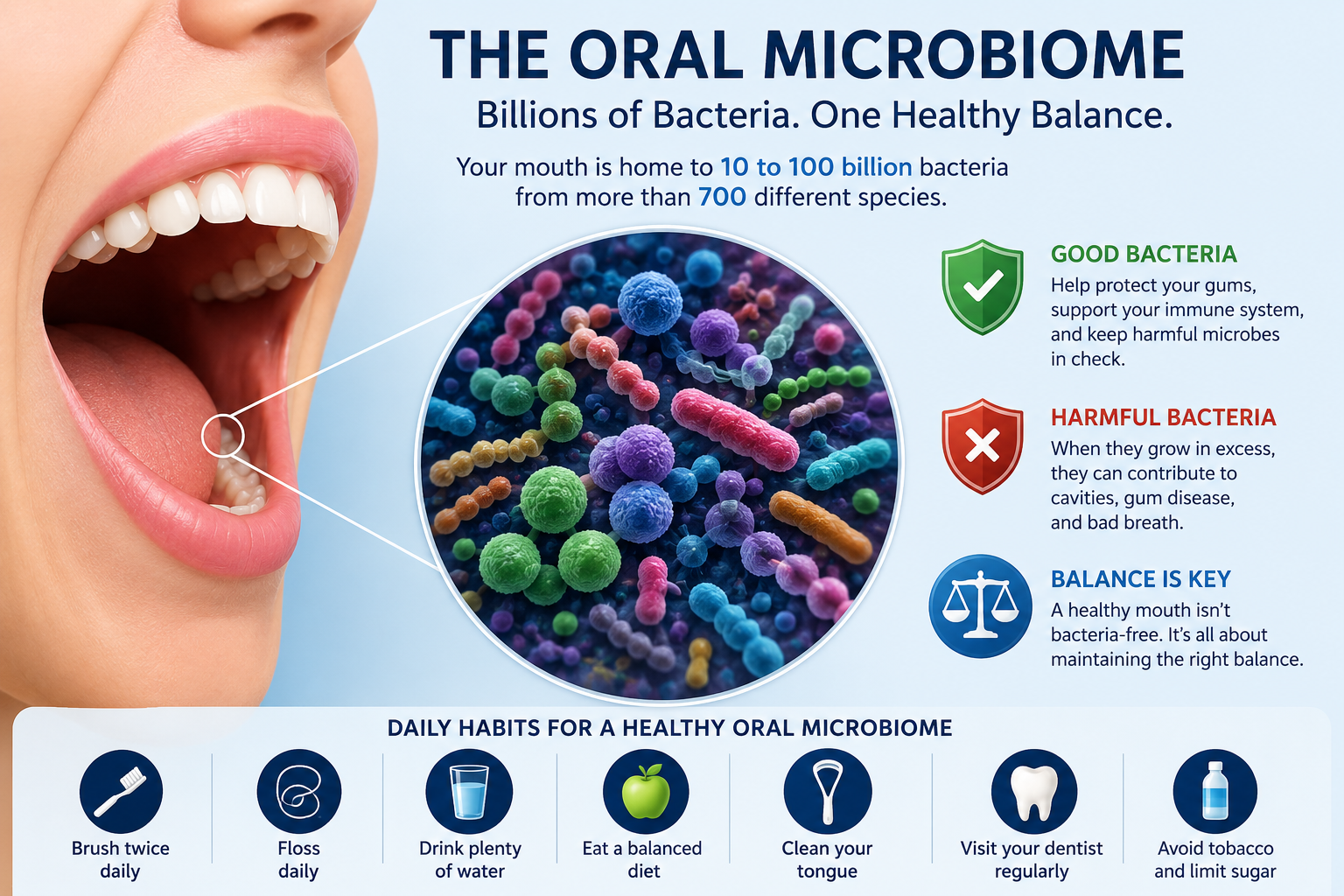
Scientific Studies on Oral Bacteria and Breath
Scientific research shows that bad breath is often connected to bacterial activity inside the mouth, especially on the tongue and around the gumline. Certain bacteria break down proteins and release odor-producing compounds, including volatile sulfur compounds. This helps explain why breath odor can return even after brushing or rinsing.
Studies on the oral microbiome also show that the mouth is not meant to be completely sterile. Instead, oral health depends on balance. When beneficial bacteria and saliva help control the environment, odor-causing bacteria may have fewer opportunities to dominate. When that balance is disrupted, breath problems may become more frequent.
Oral Probiotics and Breath Freshness
Oral probiotics are beneficial microorganisms designed to support bacterial balance in the mouth. Unlike regular probiotics aimed mainly at digestion, oral probiotics are usually formulated to interact with the mouth, tongue, gums, and saliva.
The goal is not to “kill everything,” but to help support a healthier microbiome. Some probiotic strains may compete with odor-causing bacteria for space and nutrients. This may help create an oral environment that supports fresher breath, healthier gums, and better daily comfort.
Oral probiotics should not replace brushing, flossing, tongue cleaning, or dental visits. However, they may be a useful addition for people who want a more complete approach to oral wellness, especially when bad breath seems linked to bacterial imbalance.
Daily Oral Hygiene That Helps Control Bacteria
Daily hygiene is still the foundation of fresh breath. Brushing twice per day helps remove plaque and food particles from teeth. Flossing helps clean areas between teeth where bacteria can hide. Tongue cleaning helps reduce biofilm on one of the most common sources of odor.
A balanced routine does not need to be aggressive. In fact, brushing too hard can irritate gums and damage enamel. A soft-bristled toothbrush, fluoride toothpaste, gentle flossing, and consistent tongue cleaning are usually better than harsh methods.
Mouthwash may help temporarily, but it should not be the only strategy. If breath problems return quickly, the issue may involve biofilm, dry mouth, gum inflammation, or bacterial imbalance that requires a broader routine.
Nutrition and the Oral Microbiome
What you eat influences the bacteria in your mouth. Frequent sugar intake can feed acid-producing bacteria and support plaque formation. Sticky snacks, sweet drinks, and refined carbohydrates may create conditions that allow harmful microbes to grow more easily.
On the other hand, water, fiber-rich vegetables, crunchy fruits, and balanced meals can help support saliva flow and reduce leftover debris. Foods that require chewing may also stimulate saliva, which naturally helps clean the mouth.
A breath-friendly diet does not mean perfection. It means reducing constant sugar exposure, staying hydrated, and choosing foods that support a cleaner oral environment throughout the day.
Lifestyle Factors That Affect Your Breath
Several lifestyle habits can influence breath freshness. Smoking, alcohol, dehydration, poor sleep, high stress, and mouth breathing can all contribute to dry mouth or bacterial imbalance. When saliva decreases, odor-causing compounds become more concentrated.
Breathing through the mouth at night may also worsen morning breath. People who snore, sleep with an open mouth, or experience nasal congestion may notice stronger odor after waking. Supporting hydration and discussing persistent dry mouth with a professional can be helpful.
Who May Benefit Most From Supporting Oral Bacterial Balance?
People who frequently experience bad breath may benefit from paying closer attention to oral bacteria and microbiome balance. This includes people with recurring tongue coating, dry mouth, gum sensitivity, frequent plaque buildup, or breath that returns soon after brushing.
Adults over 40 may also become more aware of gum health, saliva changes, and daily breath quality. As the mouth changes with age, a more complete oral care routine can become especially important.
Anyone with ongoing bad breath, bleeding gums, tooth pain, or persistent dry mouth should seek professional dental advice. These symptoms may require evaluation beyond home care.
Prevention Checklist for Fresher Breath
- Brush your teeth twice per day with a soft-bristled toothbrush.
- Floss daily to remove food particles between teeth.
- Clean the tongue gently to reduce odor-causing biofilm.
- Drink water regularly to support saliva flow.
- Reduce frequent sugar snacks and sweet drinks.
- Support gum health with regular dental checkups.
- Avoid smoking and limit alcohol when possible.
- Consider oral probiotic support as part of a complete routine.
- Do not ignore bleeding gums or breath that does not improve.
Build a Complete Routine for Fresher Breath
Learn how oral probiotics, gum health, saliva, and the oral microbiome work together in the complete oral health guide.
Read the Complete Oral Health Guide →Frequently Asked Questions
1. Can oral bacteria really cause bad breath?
Yes. Certain oral bacteria break down food particles, proteins, and dead cells in the mouth. During this process, they may release odor-causing compounds that affect breath throughout the day.
2. Why does bad breath come back after brushing?
Bad breath may return if bacteria remain on the tongue, between teeth, or near the gumline. Dry mouth, plaque buildup, and tongue biofilm can also allow odor to come back quickly.
3. Is the tongue important for breath freshness?
Yes. The tongue, especially the back area, can trap bacteria and debris. Gentle tongue cleaning may help reduce odor-causing biofilm and support fresher breath.
4. What are volatile sulfur compounds?
Volatile sulfur compounds are gases produced by certain bacteria when they break down proteins. These compounds are strongly linked with unpleasant breath odor.
5. Can gum problems make breath worse?
Yes. When bacteria collect along or below the gumline, they may contribute to irritation and odor. Persistent bad breath with bleeding gums should be evaluated by a dental professional.
6. Does dry mouth affect breath?
Yes. Saliva helps clean the mouth naturally. When saliva flow is low, bacteria and odor-causing compounds can become more concentrated.
7. Can food feed odor-causing bacteria?
Yes. Frequent sugar intake, refined carbohydrates, and sticky snacks may feed bacteria that contribute to plaque and acid production. Strong-smelling foods can also affect breath temporarily.
8. Are oral probiotics helpful for bad breath?
Oral probiotics may help support a healthier bacterial balance in the mouth. They are not a replacement for brushing, flossing, or dental care, but they may complement a complete oral health routine.
9. How often should I clean my tongue?
For many people, gentle tongue cleaning once per day is enough. Avoid aggressive scraping, as it may irritate the tongue.
10. When should I see a dentist about bad breath?
You should see a dentist if bad breath is persistent, returns quickly after cleaning, or appears with bleeding gums, tooth pain, dry mouth, or gum swelling.
Conclusion
Oral bacteria influence your breath every single day. While some bacteria support a healthy mouth, others can contribute to plaque, gum irritation, tongue biofilm, and unpleasant odor. This is why breath freshness is not only about brushing or using mouthwash. It is also about supporting a balanced oral microbiome.
Daily habits such as brushing, flossing, tongue cleaning, drinking water, eating balanced meals, and caring for gum health can help reduce the conditions that allow odor-causing bacteria to thrive. For people who struggle with recurring breath problems, paying attention to bacterial balance may be an important step.
A complete oral care routine should focus on freshness, gum comfort, saliva support, and long-term microbiome balance. When these elements work together, your mouth has a better chance of staying clean, comfortable, and naturally fresh.
Take the Next Step Toward Fresher Breath
Discover the complete connection between oral bacteria, healthy gums, oral probiotics, and long-lasting fresh breath in our full oral health guide.
Read the Complete Oral Health Guide →Recommended Next Reads
Continue exploring how oral bacteria, probiotics, gum health, and daily habits support fresher breath and better oral wellness.
Learn how probiotics may support bacterial balance in the mouth.
How Oral Probiotics Support Healthy GumsSee how gum health connects with oral bacteria and freshness.
Daily Habits That Improve Oral HealthBuild a stronger daily routine for cleaner teeth and fresher breath.
Complete Oral Health Guide 2026Visit the main pillar guide on oral probiotics, gums, and fresh breath.
Ready to Support Your Oral Microbiome Naturally?
If you're looking for a convenient way to complement your daily brushing, flossing, and professional dental care, ProDentim is formulated with selected probiotic strains designed to support a balanced oral microbiome as part of an overall oral health routine.
🔒 Secure Official Website | 💳 Multiple Payment Options | 📦 Fast Shipping Available
Disclaimer: ProDentim is a dietary supplement and is not intended to diagnose, treat, cure, or prevent any disease. Individual results may vary. Always follow the manufacturer's directions and consult a qualified healthcare professional if you have questions about supplements or your oral health.
Scientific References
The information presented in this article is based on peer-reviewed scientific literature and respected professional organizations in dentistry, microbiology, and oral health research.
- Marsh PD. Dental Plaque as a Biofilm and a Microbial Community. Journal of Clinical Periodontology. View on PubMed →
- Marsh PD. Controlling the Oral Biofilm with Antimicrobials. Journal of Dentistry. View on PubMed →
- Dewhirst FE, et al. The Human Oral Microbiome. Journal of Bacteriology. Read Full Article →
- Kilian M, et al. The Oral Microbiome – An Update for Oral Healthcare Professionals. British Dental Journal. Read at Nature →
- National Institute of Dental and Craniofacial Research (NIDCR). Oral Health Information. Official NIDCR Website →
- American Dental Association (ADA). Bad Breath (Halitosis). ADA Oral Health Resource →
- American Dental Association (ADA). Brushing and Flossing Guidelines. MouthHealthy by ADA →
- National Institutes of Health (NIH). Oral Microbiome Research. Visit NIH →
- National Library of Medicine. Halitosis: From Diagnosis to Management. View Study →
- Mayo Clinic. Bad Breath (Halitosis): Causes and Prevention. Read Mayo Clinic Guide →
- Cleveland Clinic. Bad Breath (Halitosis). Read Clinical Overview →
- World Health Organization (WHO). Oral Health Facts. WHO Oral Health →
Why These Sources Matter
These references come from internationally recognized institutions and peer-reviewed scientific journals. Organizations such as the American Dental Association (ADA), National Institutes of Health (NIH), National Institute of Dental and Craniofacial Research (NIDCR), and the World Health Organization (WHO) are widely regarded as trusted authorities in oral health research. Their publications help ensure that the educational information presented in this article is supported by current scientific evidence.
RELATED POSTS
View all


Early Signs of Gum Disease You Should Never Ignore
June 5, 2026 | by By EnergyFix40 Editorial Team
Why Mouthwash May Not Fix Chronic Bad Breath
July 3, 2026 | by By EnergyFix40 Editorial Team
What Makes ProDentim Different From Other Oral Supplements?
July 18, 2026 | by By EnergyFix40 Editorial Team