Why Thousands Of Americans Over 40 Are Switching To Oral Probiotics (2026 Scientific Review)
July 13, 2026 | by By EnergyFix40 Editorial Team
Evidence-Informed Guide
Updated July 13, 2026
ORAL HEALTH AFTER 40
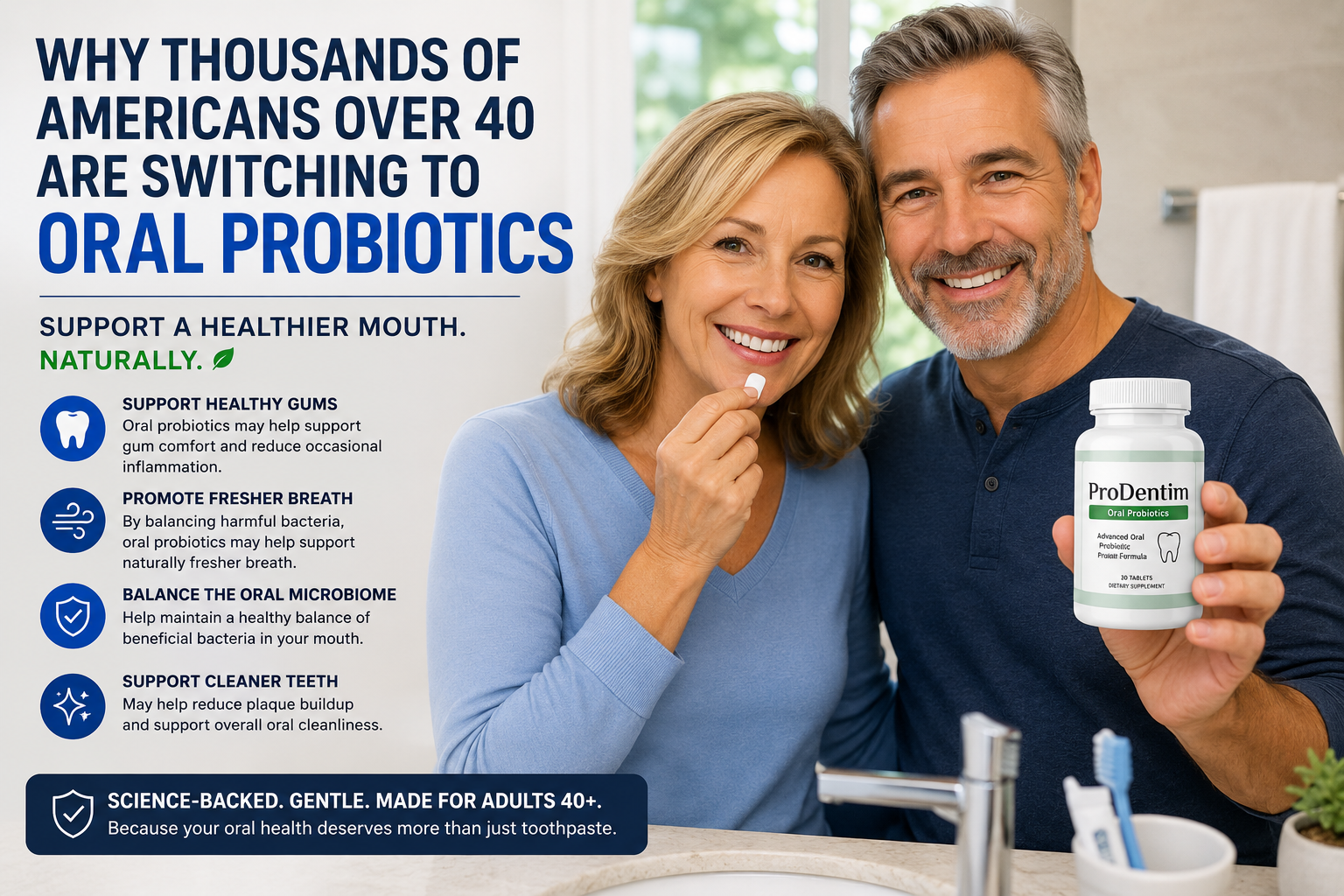
Why Thousands of Americans Over 40 Are Switching to
Oral Probiotics
As changes in saliva, medications, gum health, diet, and the oral
microbiome become more common with age, many adults are looking
beyond conventional mouthwash and toothpaste. Discover what oral
probiotics are, how they may work, and what current research
actually says about their potential benefits and limitations.
✓
Support a Balanced Oral Microbiome
Learn how beneficial microorganisms may help maintain a
healthier oral environment.
✓
Explore Gum and Breath Support
Review the evidence involving gum comfort, plaque balance,
and fresher breath.
✓
Understand the Science After 40
See why aging, dry mouth, medications, and lifestyle habits
can influence oral bacteria.
No exaggerated promises—just practical guidance, scientific context,
and responsible oral health recommendations.
Medical Disclaimer:
This article is provided for general educational purposes only and is
not intended to diagnose, treat, cure, or prevent any disease. Oral
probiotics and dietary supplements should not replace brushing with
fluoride toothpaste, flossing, professional dental examinations, or
treatment recommended by a qualified healthcare professional. Consult
your dentist or physician before using a new supplement, especially if
you have a medical condition, take medication, are immunocompromised,
pregnant, nursing, or preparing for a medical procedure.
```
UNDERSTANDING THE ORAL MICROBIOME
Why Oral Probiotics Are Becoming Part of the Conversation After 40
For decades, most oral care advice focused almost entirely on removing
bacteria. Brush twice a day, floss, use mouthwash, and visit the dentist.
Those habits remain essential, but modern research is adding another
layer to the conversation: not every microorganism living in the mouth
is harmful.
✓
Key takeaway:Oral probiotics are being studied as a possible way to support a more
balanced oral environment. They should be viewed as an addition to
proven oral care—not as a replacement for fluoride toothpaste,
interdental cleaning, professional examinations, or necessary dental
treatment.
A CHANGING APPROACH
Why More Adults Over 40 Are Looking Beyond Traditional Oral Care
Reaching age 40 does not automatically cause dental problems. However,
oral health can become more complicated as people move through middle
age. Years of exposure to acidic foods, sugar, tobacco, inconsistent
hygiene, stress, dental restorations, and certain medications may begin
to have a more noticeable effect.
Some adults also experience persistent dry mouth, increasing gum
sensitivity, changes in breath, plaque accumulation, exposed tooth
roots, or greater sensitivity to hot and cold foods. These concerns
cannot always be solved by simply using a stronger mouthwash.
Saliva is especially important. It helps wash away food particles,
neutralize acids, protect oral tissues, and keep microorganisms under
control. When saliva production is reduced, the environment inside the
mouth can become more favorable to tooth decay, irritation, and certain
infections.
This is one reason many consumers are becoming interested in approaches
that do more than temporarily freshen the mouth. Instead of trying to
eliminate every bacterium, the newer ecological approach asks whether
supporting beneficial microorganisms could help maintain a healthier
balance.
THE BASIC DEFINITION
What Are Oral Probiotics?
Probiotics are live microorganisms that may provide a health benefit
when delivered in an appropriate amount. Oral probiotics are products
formulated specifically for the environment of the mouth and throat.
They may be supplied as dissolving tablets, lozenges, powders, gums, or
other oral-care formats.
This distinction matters because a traditional digestive probiotic is
usually designed to survive passage through the stomach and influence
the intestinal microbiome. An oral probiotic is generally intended to
remain in contact with the tongue, saliva, teeth, gums, and throat long
enough to interact with the local microbial community.
Researchers have investigated several strains for possible effects on
plaque-related bacteria, gum health, breath-associated compounds,
cavities, and oral microbial balance. However, benefits are
strain-specific. Evidence supporting one organism cannot automatically
be applied to every probiotic product on the market.
AGE, HABITS, AND SALIVA
Why the Oral Microbiome Changes After 40
The oral microbiome is a diverse ecosystem containing hundreds of
microbial species. These organisms live on the teeth, tongue, gums,
cheeks, dental restorations, and other surfaces. In a relatively stable
environment, many microorganisms coexist without causing disease.
Research has found age-related differences in oral bacterial profiles,
although chronological age is only one influence. Diet, oral hygiene,
tooth loss, dentures, gum disease, smoking, alcohol use, systemic
health, immune changes, and medication-related dry mouth can all shape
the microbial environment.
Adults over 40 are also more likely to use medications regularly.
Certain medicines can reduce saliva or alter the conditions inside the
mouth. Dry mouth is not an unavoidable part of normal aging, but it is
more frequently reported among older adults, often because of
medication use or underlying health conditions.
When protective conditions weaken, acid-producing or
inflammation-associated organisms may gain an advantage. Scientists
often refer to this unfavorable shift as dysbiosis. Dysbiosis
does not mean that one single “bad bacterium” caused the problem.
Instead, it describes a disruption in the relationship between the
microbial community, the oral environment, and the host.
HOW THE THEORY WORKS
The Scientific Explanation Behind Oral Probiotics
Oral probiotics are being studied through an ecological model of oral
health. Depending on the strain, proposed mechanisms include competing
with less desirable organisms for nutrients and attachment sites,
producing substances that limit microbial growth, influencing local
acidity, interacting with biofilms, and helping regulate immune or
inflammatory responses.
Some clinical trials and reviews report improvements in selected
measures associated with gingivitis, periodontal health, cariogenic
bacteria, or oral microbial composition. Other studies have found
limited, temporary, or inconsistent results. Research on probiotic use
for bad breath, for example, remains mixed and does not yet support
universal claims.
Product quality also matters. A label saying “oral probiotic” does not
guarantee that the included strains have been clinically evaluated for
the promised purpose. Dosage, delivery format, storage, study duration,
participant health, and whether professional dental care was also
provided can influence outcomes.
AN ADJUNCT—NOT A CURE
Why Dentists Are Paying More Attention
Interest among dental researchers is growing because the oral
microbiome influences plaque behavior, gum inflammation, tooth decay,
and other processes. Rather than viewing plaque as a simple collection
of germs, scientists now understand it as an organized biofilm whose
behavior is influenced by diet, saliva, hygiene, microbial interaction,
and the surrounding environment.
This creates a possible role for microbiome-supporting strategies.
Nevertheless, responsible dental guidance remains cautious. Oral
probiotics cannot remove hardened tartar, repair a cavity, reverse
advanced periodontal destruction, or diagnose the cause of bleeding
gums and chronic bad breath.
The most realistic interpretation is that carefully selected probiotic
strains may eventually become useful adjuncts for certain people. They
work best within a complete routine that includes brushing with
fluoride toothpaste, cleaning between the teeth, tongue hygiene,
adequate hydration, a balanced diet, and regular dental care.
```
Recommended Reading
Continue Learning About Oral Health After 40
Build a stronger understanding of the oral microbiome, healthy gums,
and evidence-based oral care by exploring these related guides.
Why Oral Health Often Becomes More Complicated After 40
Turning 40 does not suddenly damage the teeth or gums. However, the
effects of medications, reduced saliva, accumulated plaque, dental
restorations, diet, stress, smoking, chronic health conditions, and
years of everyday wear may become more noticeable during middle age.
40+
A more complete oral-care strategy may become important.Brushing and flossing remain essential, but adults experiencing dry
mouth, gum changes, recurring bad breath, or sensitivity may need
professional evaluation and a broader approach that considers saliva,
diet, medications, biofilm, and microbial balance.
MORE THAN CHRONOLOGICAL AGE
Why Oral Health Changes After 40
Oral health changes are rarely caused by age alone. Instead, they often
reflect the accumulated influence of daily habits and changing health
circumstances. A person may have older fillings, crowns, exposed tooth
roots, worn enamel, or areas that have become more difficult to clean.
Some adults also begin taking several medications, many of which can
contribute to dry mouth.
Saliva is one of the mouth's most important natural defenses. It helps
wash away food debris, dilute acids, support enamel remineralization,
lubricate oral tissues, and control microbial growth. When saliva flow
is reduced, plaque may become more difficult to manage and the mouth
may become more vulnerable to irritation, cavities, unpleasant breath,
and infection.
Gum tissues may also reflect years of exposure to plaque biofilm.
Although brushing removes loose debris and disrupts plaque on
accessible surfaces, it may not adequately clean between teeth or
beneath the gumline. This is why interdental cleaning and professional
examinations remain important at every age.
COMMON CONCERNS
Oral Problems Adults May Notice More Frequently
These symptoms are common, but they should not be dismissed as an
unavoidable part of getting older. Persistent or worsening symptoms
deserve evaluation by a dentist.
01
Bad Breath
Persistent bad breath may be associated with tongue coating, gum
disease, dry mouth, food debris, tobacco, dental infections, or
other medical factors. Mouthwash may briefly mask odor without
correcting its source.
02
Bleeding Gums
Gums that bleed during brushing or flossing may indicate
inflammation caused by plaque accumulation. Bleeding can also have
other causes, so recurring symptoms should be discussed with a
dental professional.
03
Plaque Accumulation
Plaque is an organized microbial biofilm rather than a simple layer
of food. If it is not disrupted regularly, it can contribute to gum
inflammation and tooth decay. Hardened deposits require
professional removal.
04
Tooth Sensitivity
Sensitivity may occur when enamel becomes worn or when gum
recession exposes part of the tooth root. Cavities, cracked teeth,
acidic foods, aggressive brushing, and other conditions may also
produce sensitivity.
05
Dry Mouth
Dry mouth is frequently linked to medication use, dehydration,
certain diseases, or medical treatments. Reduced saliva can affect
speech, swallowing, taste, comfort, breath, and protection against
tooth decay.
06
Gum Recession
Receding gums can expose root surfaces and make teeth look longer.
Possible contributing factors include periodontal disease,
aggressive brushing, tooth position, trauma, and individual tissue
characteristics.
WHY “STRONGER” IS NOT ALWAYS BETTER
Why Traditional Oral-Care Products Have Limitations
Toothpaste, toothbrushes, interdental cleaners, and therapeutic rinses
remain central to preventive oral care. Their limitation is not that
they are ineffective, but that no single product can address every
cause of oral disease.
Toothpaste can deliver fluoride and help remove plaque, but it cannot
remove hardened tartar, restore lost gum or bone tissue, treat an
abscess, or correct medication-related dry mouth. Mouthwash may reduce
selected microorganisms or provide temporary freshness, but it may not
reach mature biofilm beneath the gumline or solve odor caused by an
untreated dental condition.
Some people respond to recurring symptoms by brushing aggressively or
repeatedly using highly antiseptic products. Excessive pressure can
irritate tissues, while temporary odor control may delay investigation
of the underlying problem. A complete strategy should combine proven
hygiene, professional care, hydration, nutrition, and targeted
interventions when appropriate.
THE ECOLOGICAL APPROACH
How Oral Probiotics May Work
Oral probiotics are designed to introduce selected beneficial
microorganisms into the mouth. Unlike many digestive capsules, oral
lozenges and dissolving tablets are intended to remain in contact with
saliva, the tongue, teeth, gums, and throat before being swallowed.
Proposed mechanisms vary by strain. Certain probiotics may compete with
less desirable organisms for attachment sites or nutrients. Others may
produce antimicrobial compounds, influence local acidity, interact
with plaque biofilms, or affect inflammatory signaling.
These mechanisms are biologically plausible, but they do not guarantee
that every product will work for every person. Probiotic benefits are
strain-specific. The number of organisms, delivery method, storage,
duration of use, oral hygiene routine, and health of the individual can
all influence results.
Important scientific distinction:A study involving one specific bacterial strain cannot be used as proof
that every oral probiotic formula provides the same benefit. Product
labels should identify strains clearly rather than listing only the
bacterial species.
STRAINS BEING INVESTIGATED
Some of the Most Studied Oral Probiotic Strains
Research is still developing, and findings cannot always be
generalized across ages, products, or dental conditions.
LP
Lactobacillus paracasei
Strains within this species have been investigated for interactions
with oral microorganisms, plaque-associated bacteria, and immune
responses. However, evidence varies by formulation, and more
well-controlled human studies are needed.
LR
Lactobacillus reuteri
This is among the most frequently studied probiotics in periodontal
research. Some trials suggest additional benefits when it is used
alongside professional gum treatment, while other studies report
modest or inconsistent outcomes.
K12
Streptococcus salivarius K12
K12 has been studied mainly in relation to the mouth and throat,
including its ability to produce bacteriocin-like compounds and
compete with selected microorganisms. Evidence regarding chronic
bad breath remains promising but limited.
M18
Streptococcus salivarius M18
M18 is being investigated for possible effects on plaque ecology,
acid-producing bacteria, salivary buffering, and caries-related
risk indicators. Much of the available research involves children
or small study populations.
COMPLEMENTARY APPROACHES
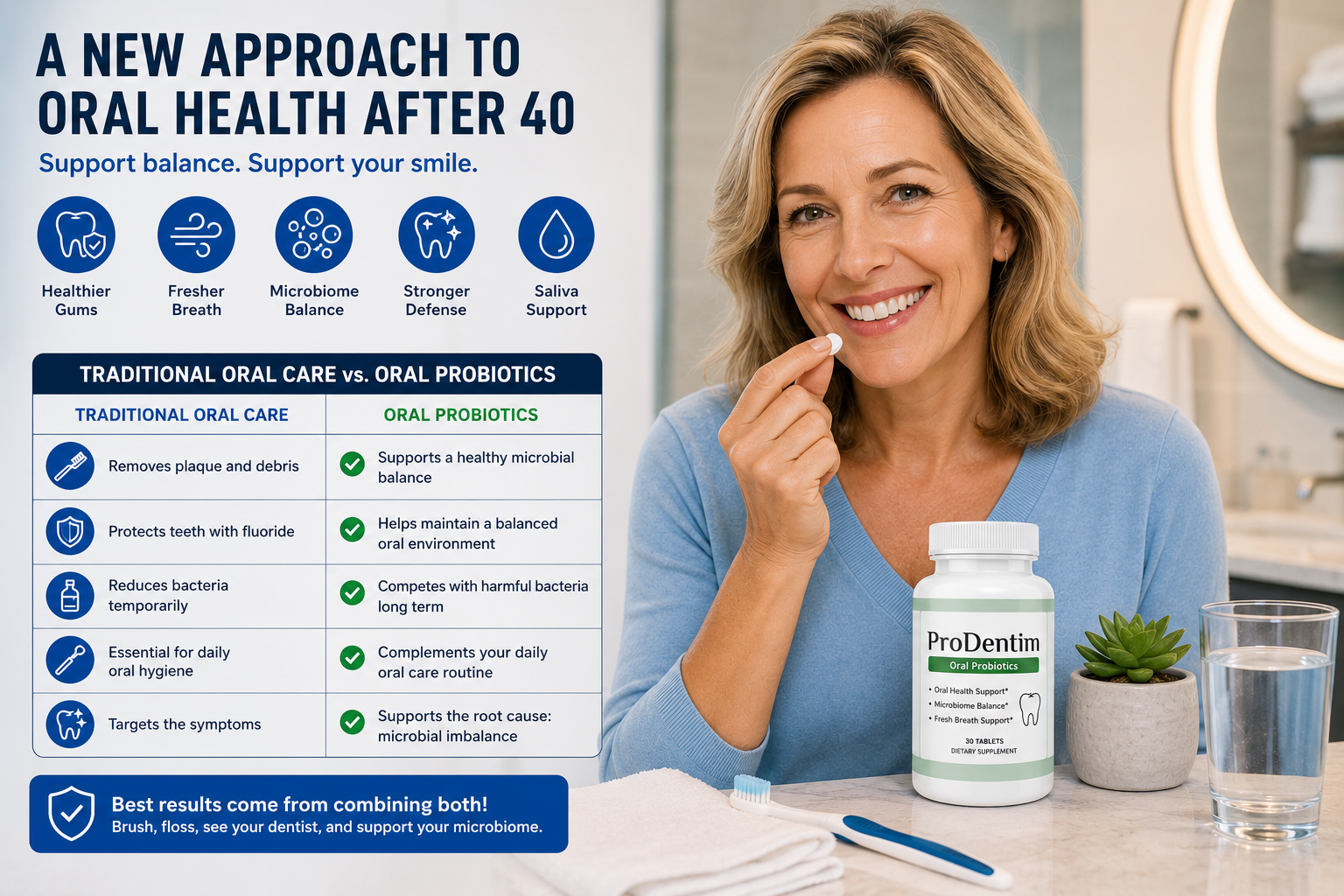
Traditional Oral Care vs. Oral Probiotics
Oral probiotics should complement established care rather than
compete with or replace it.
Comparison
Traditional Oral Care
Oral Probiotics
Primary purpose
Mechanically disrupt plaque, clean surfaces, deliver fluoride,
and manage specific dental risks.
Introduce selected microorganisms that may support a more
balanced oral environment.
Essential foundation of daily oral disease prevention.
Optional adjunct within a complete oral-care routine.
WHAT RESEARCH CURRENTLY SUGGESTS
Potential Benefits Supported by Emerging Evidence
✓
Short-term breath support
Reviews suggest that selected probiotic strains may reduce some
breath-related compounds over short periods, although study
quality and results vary.
✓
Adjunctive support for gum health
Certain trials report modest improvements in bleeding,
inflammation, or periodontal measurements when probiotics are
combined with established dental treatment.
✓
Influence on selected oral microorganisms
Some strains have reduced levels of targeted microorganisms in
saliva, plaque, or below the gumline, but microbial changes do
not always produce meaningful clinical improvements.
✓
Possible support for plaque ecology
Early studies involving strains such as M18 suggest potential
effects on plaque accumulation, acid-producing bacteria, and
salivary buffering, but larger adult trials are needed.
Balanced conclusion:Oral probiotics may be useful for selected people, but the evidence
does not support promises that they can cure gum disease, permanently
eliminate bad breath, rebuild enamel, or replace brushing, flossing,
fluoride, and dental care.
```
EXPLORE OUR ORAL HEALTH LIBRARY
Continue Learning About Oral Probiotics and Better Oral Health
Explore these in-depth guides to better understand the oral microbiome,
gum health, fresh breath, plaque, dry mouth, tooth sensitivity, and the
scientific research behind oral probiotics.
RESEARCH, PRACTICAL USE, AND REALISTIC EXPECTATIONS
What Clinical Studies Really Say About Oral Probiotics
Oral probiotics have attracted growing attention because they offer a
different approach to oral care. Instead of attempting to eliminate
every microorganism, they are designed to introduce selected beneficial
strains that may help support a more stable microbial environment.
However, promising research should not be confused with proof that every
oral probiotic works for every dental concern.
CLINICAL STUDIES
What Current Research Says
Clinical research has examined oral probiotics in relation to bad
breath, gingivitis, periodontal disease, plaque, cavity-associated
microorganisms, oral candidiasis, and changes in the oral microbiome.
Some trials report improvements in selected clinical or microbial
measurements, while others find small, temporary, or statistically
uncertain effects.
In periodontal research, strains of Lactobacillus reuteri have
frequently been evaluated as an adjunct to scaling and root planing.
Some studies have reported additional reductions in gum bleeding,
inflammation, probing depth, or selected periodontal bacteria. These
outcomes do not mean probiotics can replace professional periodontal
treatment. Their possible role is supportive and depends on the
patient's condition, strain, dose, and treatment protocol.
Research involving bad breath has also produced encouraging but mixed
results. Certain probiotics may reduce odor-related volatile sulfur
compounds or compete with microorganisms associated with tongue
coating. However, chronic bad breath can also result from gum disease,
dry mouth, cavities, infection, tobacco use, diet, or medical
conditions. A probiotic cannot correct an untreated dental cause.
Investigations into plaque and cavity risk have measured changes in
organisms such as mutans streptococci. Some studies report lower
bacterial counts during probiotic use, but a reduction in one
microorganism does not necessarily prove that a person will develop
fewer cavities over the long term. Larger trials with standardized
products and longer follow-up periods are still needed.
The most accurate interpretation:The evidence is promising enough to justify continued research, but not
strong enough to support claims that oral probiotics cure gum disease,
permanently eliminate bad breath, remove tartar, rebuild enamel, or
replace established dental care.
POTENTIAL BENEFITS
Five Reasons Adults Are Interested in Oral Probiotics
Benefits depend on the exact strain and formulation. The following
areas represent research interests rather than guaranteed outcomes.
01
Fresher Breath
Selected strains may compete with odor-associated microorganisms or
influence the production of sulfur-containing compounds. Results
may be more useful when poor breath is connected to tongue biofilm
or microbial imbalance rather than an untreated infection.
02
Healthier Gums
Certain probiotics are being studied for their ability to influence
plaque-associated bacteria and inflammatory responses. Some trials
suggest modest benefits when probiotics are combined with
professional cleaning and consistent home care.
03
Oral Microbiome Balance
Probiotics may temporarily introduce beneficial organisms that
compete for nutrients and attachment sites. Whether those organisms
remain in the mouth after supplementation stops varies among strains
and individuals.
04
Plaque Control Support
Some strains may influence the composition or behavior of dental
biofilm. They do not mechanically remove plaque, and they cannot
remove hardened calculus. Brushing, interdental cleaning, and
professional removal remain essential.
05
Support During Aging
Adults managing medications, dental restorations, gum changes, or
reduced saliva may be interested in microbiome-focused strategies.
Probiotics may provide complementary support, but dry mouth and
persistent symptoms still require investigation.
BUILD A SUPPORTIVE ENVIRONMENT
Nutrition and Lifestyle Matter as Much as the Supplement
N
Nutrition
Frequent exposure to sugar and refined carbohydrates provides fuel
for acid-producing plaque bacteria. Acidic beverages can also
contribute to enamel erosion, especially when consumed repeatedly
throughout the day.
Choose water as the primary everyday drink.
Limit frequent sipping of sugary or acidic beverages.
Include fiber-rich vegetables and minimally processed foods.
Consume calcium- and protein-containing foods when appropriate.
Avoid using supplements as compensation for a poor diet.
L
Lifestyle
Smoking, inadequate sleep, chronic stress, poorly controlled
diabetes, dehydration, and excessive alcohol exposure can influence
oral tissues and daily hygiene habits. Addressing these factors may
provide broader benefits than adding another product alone.
Avoid tobacco and nicotine products.
Drink enough water throughout the day.
Discuss medication-related dry mouth with a professional.
Manage chronic health conditions with appropriate care.
Maintain regular dental examinations and cleanings.
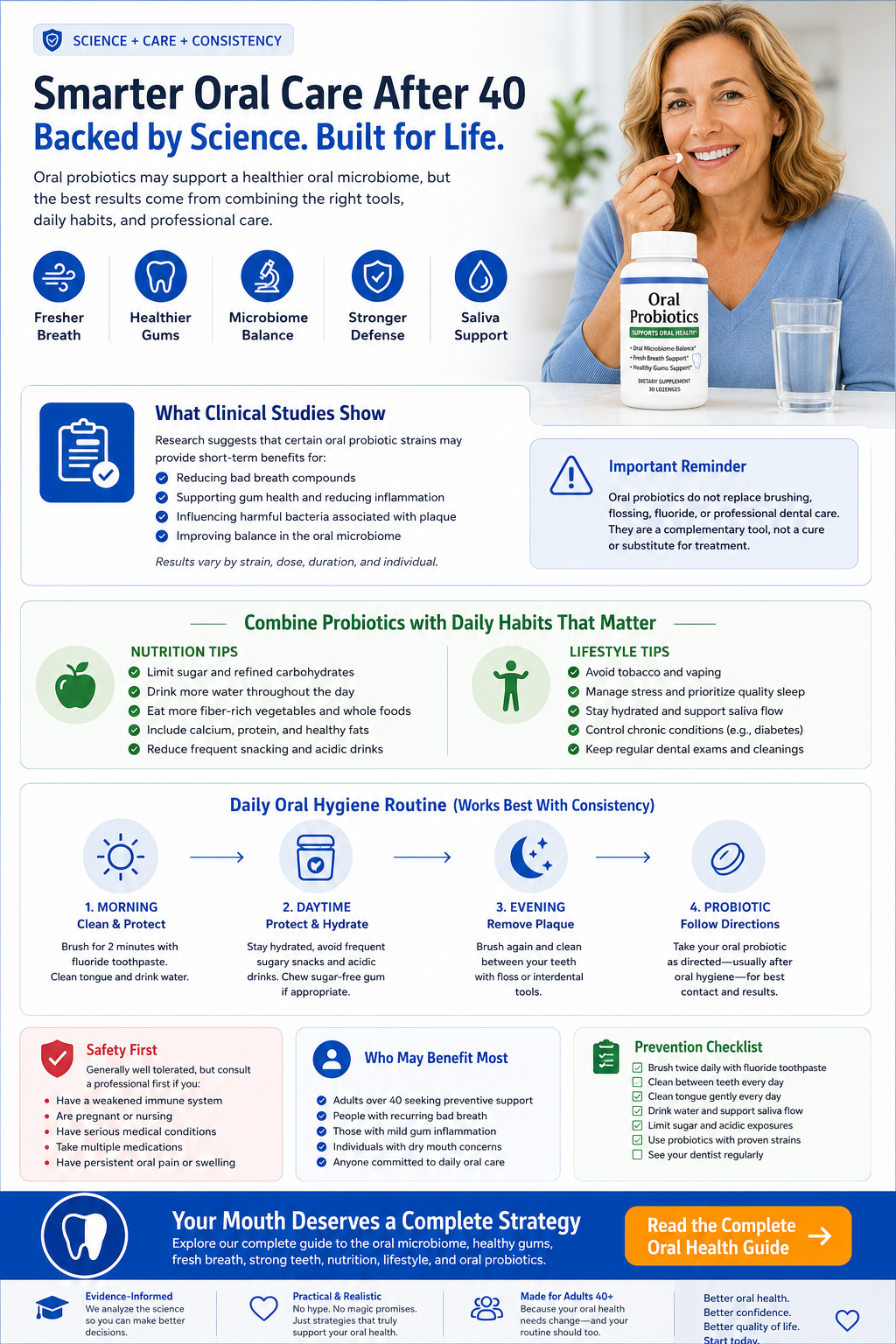
DAILY ORAL HYGIENE ROUTINE
How Oral Probiotics Can Fit Into a Complete Routine
Product instructions should take priority because formulations differ.
The following framework shows how a probiotic may complement—not
replace—proven oral hygiene.
Morning
Clean and Protect
Brush gently for two minutes using fluoride toothpaste. Clean the
tongue and drink water. Avoid brushing with excessive pressure,
particularly if you have recession or sensitivity.
Daytime
Protect Saliva and Limit Acid Exposure
Stay hydrated, reduce frequent sugar exposure, and avoid sipping
acidic drinks for long periods. Sugar-free gum may help stimulate
saliva for some people.
Evening
Remove Plaque Thoroughly
Brush again with fluoride toothpaste and clean between the teeth
using floss, interdental brushes, or another method recommended by
your dentist.
Probiotic
Follow the Product Directions
Dissolving tablets are commonly taken after oral hygiene so the
organisms remain in contact with the mouth. Do not exceed the
label dose or assume that a larger amount produces better results.
SAFETY CONSIDERATIONS
Are Oral Probiotics Safe?
Probiotics are generally well tolerated by many healthy adults when
used according to product directions. Possible effects can include
temporary digestive discomfort, changes in taste, mild oral
irritation, or sensitivity to another ingredient in the formula.
Product quality varies. Consumers should look for clearly identified
strains, transparent ingredient lists, storage instructions, an
expiration date, and manufacturing information. Avoid formulas that
rely on guaranteed cures or unrealistic claims.
LIMITATIONS OF CURRENT EVIDENCE
Why Scientific Caution Is Still Necessary
The term “oral probiotic” includes many organisms and formulations.
Studies often use different strains, doses, delivery formats, treatment
periods, participant groups, and clinical measurements. These
differences make direct comparison difficult.
Many trials are small or short. Some measure bacterial counts rather
than long-term outcomes such as cavity prevention, tooth retention, or
sustained periodontal stability. Researchers also need to determine how
long probiotic organisms remain in the mouth after use stops.
Another limitation is commercial extrapolation. Evidence involving one
precisely identified strain does not validate every supplement that
lists the same species. A finished product should ideally be evaluated
in the form and dose sold to consumers.
WHO MAY BENEFIT MOST?
People Who May Discuss Oral Probiotics With Their Dentist
Adults interested in supporting oral microbial balance
People with recurring breath concerns after causes are evaluated
Adults receiving professional care for mild gum inflammation
People seeking an adjunct to a consistent oral hygiene routine
Individuals using products with clinically studied strains
Adults who understand that results may be modest or temporary
Oral probiotics are not appropriate substitutes for diagnosis or
treatment when symptoms suggest cavities, infection, advanced gum
disease, oral lesions, or another medical concern.
PREVENTION CHECKLIST
Your Oral Health After 40 Checklist
```
FREQUENTLY ASKED QUESTIONS
Oral Probiotics After 40: Your Questions Answered
Oral probiotics are attracting attention from adults interested in
fresher breath, healthier gums, and a more balanced oral microbiome.
However, marketing claims can sometimes move faster than the science.
These answers explain what oral probiotics may offer, where the
evidence remains limited, and why professional dental care still
matters.
✓
Evidence-based summary:
Oral probiotics may provide additional support for selected oral-health
concerns, but benefits are strain-specific and not guaranteed. They
should be used alongside brushing with fluoride toothpaste, interdental
cleaning, healthy daily habits, and regular dental examinations.
01
What are oral probiotics?
Oral probiotics are products containing selected live
microorganisms intended to interact with the microbial communities
of the mouth and throat. They are commonly delivered through
lozenges, dissolving tablets, powders, gums, or oral-care products
that remain in contact with saliva and oral surfaces.
They differ from many digestive probiotics because their intended
area of action begins in the mouth rather than primarily in the
intestines. Depending on the strain, researchers are studying
whether these microorganisms can compete with less desirable
bacteria, influence biofilm behavior, produce antimicrobial
substances, or support a more balanced oral environment.
The word probiotic does not guarantee that a product has
been clinically proven. Benefits depend on the exact strain,
dosage, formulation, storage conditions, and intended use.
02
Why are more Americans over 40 using oral probiotics?
Adults over 40 may become more aware of problems such as recurring
bad breath, gum inflammation, plaque accumulation, dry mouth,
sensitivity, dental restorations, or receding gums. These concerns
may be influenced by medications, diet, smoking, stress, health
conditions, reduced saliva, and years of accumulated oral exposure.
Interest in the oral microbiome has also encouraged people to look
beyond products designed only to reduce bacteria temporarily. Oral
probiotics appeal to consumers because they focus on microbial
balance rather than complete bacterial elimination.
This trend should not be interpreted as proof that oral probiotics
are necessary for every adult. Some people may find them useful as
an optional addition, while others may receive greater benefit from
treating dry mouth, improving interdental cleaning, changing their
diet, or receiving professional dental care.
03
Can oral probiotics replace toothpaste?
No. Oral probiotics do not replace brushing with fluoride
toothpaste. Brushing physically disrupts plaque and removes food
debris from accessible tooth surfaces. Fluoride helps strengthen
enamel and protect teeth against acid-related mineral loss.
Probiotic tablets cannot provide the same mechanical cleaning. They
also cannot remove hardened tartar, repair a cavity, restore lost
gum tissue, or treat an infection. Their most appropriate role is
as a possible supplement to a complete routine.
Adults should continue brushing twice daily, cleaning between their
teeth, cleaning the tongue when appropriate, and following any
personalized instructions provided by a dentist.
04
How long do oral probiotics take to work?
There is no universal timeline. Study periods vary from several
days to a few weeks or months, depending on the strain and the
outcome being measured. Breath-related changes may be noticed
sooner than changes in gum measurements or microbial composition.
Results can also depend on a person's oral hygiene, diet, saliva
flow, smoking status, existing dental disease, medication use, and
consistency. Some probiotic organisms may remain only temporarily,
meaning any effect could decrease after supplementation ends.
A product promising immediate, permanent, or guaranteed results
should be viewed cautiously. Persistent symptoms should be
evaluated rather than managed indefinitely with supplements.
05
Are oral probiotics safe?
Many probiotic products are generally well tolerated by healthy
adults when used according to the label. Possible reactions may
include temporary digestive discomfort, taste changes, mild oral
irritation, or sensitivity to sweeteners, flavorings, dairy
components, or other ingredients in the formula.
People with weakened immune systems, serious medical conditions,
recent major surgery, central venous catheters, or intensive
medical treatment should speak with a qualified healthcare
professional before using live-microorganism supplements.
Pregnant or nursing individuals and people selecting a probiotic
for a child should also obtain appropriate professional guidance.
The recommended dose should not be exceeded.
06
Can oral probiotics improve gum health?
Some clinical studies suggest that selected probiotic strains may
provide modest additional support for gum health when combined with
professional periodontal care and effective daily plaque removal.
Researchers have investigated possible effects on bleeding,
inflammation, probing depth, and periodontal microorganisms.
Results are not consistent across every study. A probiotic cannot
remove tartar below the gumline or reverse advanced loss of bone and
connective tissue. Bleeding gums, swelling, persistent tenderness,
gum recession, or loose teeth should be professionally assessed.
The most defensible role for probiotics is as an adjunct to
established care, not as a stand-alone treatment for gum disease.
07
Do oral probiotics help bad breath?
Selected strains may help reduce odor-associated microorganisms or
volatile sulfur compounds for some people. The evidence is
promising, but results differ across studies and may be temporary.
Bad breath has many possible causes, including tongue coating, dry
mouth, gum disease, cavities, dental infections, tobacco use,
certain foods, and medical conditions. Probiotics are unlikely to
solve breath problems caused by an untreated cavity or infection.
People with persistent bad breath should clean the tongue gently,
stay hydrated, maintain effective plaque control, and seek dental
evaluation to identify the underlying cause.
08
Which probiotic strains have been studied most?
Frequently discussed organisms include strains of
Lactobacillus reuteri,
Lactobacillus paracasei,
Lactobacillus rhamnosus, and
Streptococcus salivarius. Specific strains such as
S. salivarius K12 and M18 have also been investigated for
possible oral and throat applications.
Each strain may have different properties. K12 is commonly studied
in connection with breath- and throat-associated microorganisms,
while M18 has been investigated in relation to plaque ecology and
cavity-related risk indicators. L. reuteri has received
substantial attention in periodontal research.
Consumers should look for full strain identification. Evidence for
one strain cannot automatically be applied to another organism from
the same species.
09
Who may benefit the most from oral probiotics?
Healthy adults interested in supporting microbial balance may
consider a properly formulated oral probiotic. They may be of
particular interest to people with recurring breath concerns,
mild gum inflammation being professionally managed, or a desire to
complement an already consistent oral-care routine.
The best candidates understand that benefits may be modest and that
a supplement cannot compensate for inadequate brushing, frequent
sugar exposure, smoking, severe dry mouth, or missed dental
appointments.
People with active infections, advanced periodontal disease,
unexplained pain, oral lesions, or serious health conditions need
diagnosis and professional treatment rather than self-treatment
with probiotics.
10
Should I still visit my dentist?
Yes. Regular dental care remains essential even when your mouth
feels healthy. Dentists can identify cavities, gum disease, failing
restorations, infections, suspicious tissue changes, and other
problems that may not initially cause noticeable symptoms.
A dentist or dental hygienist can also remove hardened deposits
that cannot be removed by brushing, evaluate dry mouth and gum
recession, and recommend products based on your individual risk.
Seek care promptly for persistent pain, facial swelling, pus,
unexplained bleeding, loose teeth, difficulty swallowing, a sore
that does not heal, or a sudden change in your mouth. Oral
probiotics should never be used to delay necessary evaluation.
```
Evidence-Based Conclusion
The Bottom Line: Why Oral Probiotics Are Receiving More Attention After 40
Interest in oral probiotics has grown rapidly among adults over 40,
largely because researchers now recognize that oral health involves
far more than simply removing bacteria. The mouth contains a complex
ecosystem of microorganisms that constantly interact with saliva,
diet, oral hygiene, medications, lifestyle habits, and the immune
system. Maintaining a healthy balance within this ecosystem appears
to be an important part of long-term oral health.
Current clinical research suggests that selected oral probiotic
strains may provide complementary support for certain aspects of
oral health, including fresher breath, healthier gums, improved
microbial balance, and, in some situations, modest improvements in
periodontal measurements when used alongside conventional dental
treatment. These findings are encouraging and continue to stimulate
new research around the world.
What Current Evidence Supports
✔ Selected probiotic strains may help support a healthier oral microbiome.
✔ Some studies report improvements in gum inflammation and bleeding when probiotics are combined with professional periodontal care.
✔ Certain strains have shown potential for reducing microorganisms associated with bad breath.
✔ Oral probiotics may become a useful addition to a comprehensive daily oral-care routine for some adults.
Important Scientific Limitations
Despite encouraging findings, important limitations remain.
Research varies considerably between probiotic strains,
formulations, doses, treatment duration, and study design.
Results observed with one strain cannot automatically be applied
to another product.
Many published studies involve relatively small participant
groups or short follow-up periods. Researchers continue to study
how long probiotic organisms remain active in the mouth, which
patients benefit the most, and which combinations of strains may
provide the greatest clinical value.
For these reasons, oral probiotics should not be viewed as a
cure for gum disease, tooth decay, chronic bad breath, or any
other dental condition.
Good Oral Health Still Depends on Daily Habits
Regardless of whether someone chooses to use an oral probiotic,
strong scientific evidence consistently supports maintaining a
complete daily oral-care routine. Brushing twice a day with
fluoride toothpaste, cleaning between the teeth, cleaning the
tongue when appropriate, limiting frequent sugar exposure,
maintaining adequate hydration, avoiding tobacco, and following a
balanced diet remain the foundation of lifelong oral health.
Supplements should be considered complementary tools—not
replacements for proven preventive practices.
Regular Dental Visits Remain Essential
Professional dental examinations continue to play a critical role
in preventing oral disease. Dentists can identify cavities, gum
disease, oral infections, dry mouth, failing restorations, oral
cancer warning signs, and other conditions that cannot be diagnosed
at home.
If you experience persistent bad breath, bleeding gums, tooth pain,
loose teeth, swelling, or any other ongoing oral-health concern,
schedule an appointment with a qualified dental professional rather
than relying on supplements alone.
Continue Your Oral Health Journey
Learn the Complete Science Behind Healthy Teeth, Gums, Fresh Breath, and the Oral Microbiome
Explore our comprehensive pillar guide to discover practical,
evidence-informed strategies for maintaining excellent oral
health after 40. You'll learn about the oral microbiome, gum
disease prevention, nutrition, lifestyle habits, daily oral-care
routines, scientific research on oral probiotics, and much more.
The more you understand your oral microbiome, daily habits, and
evidence-based prevention, the better prepared you'll be to
maintain healthy teeth and gums for years to come.
Interested in Adding an Oral Probiotic to Your Daily Routine?
ProDentim is an oral probiotic supplement designed to complement a
complete oral-care routine. Review the official product details,
ingredients, directions, availability, and current purchasing options
before deciding whether it is appropriate for you.
✓
Designed for Oral Microbiome Support
Formulated as an oral supplement rather than a traditional
digestive probiotic capsule.
✓
Simple Daily Format
Review the official directions and ingredient information before
beginning use.
✓
Complements Proven Oral Care
Intended to be used alongside brushing, interdental cleaning,
healthy habits, and dental care.
Official Product Information
Check ingredients, directions, and availability.
Secure External Website
Purchases are completed through the product provider.
Read Before Ordering
Review all terms and product details carefully.
Affiliate Disclosure:This page contains an affiliate link. EnergyFix40.com may receive a
commission if you make a purchase through this link, at no additional cost
to you. This does not affect our commitment to presenting balanced
educational information.
Medical and FDA Disclaimer:These statements have not been evaluated by the U.S. Food and Drug
Administration. This product is not intended to diagnose, treat, cure, or
prevent any disease. Consult a qualified dentist or healthcare professional
before using a dietary supplement, particularly if you have a medical
condition, use medication, are pregnant, nursing, immunocompromised, or
preparing for a medical procedure.
```
Premium ProvaDent CTA
★ Recommended Oral Health Support
Support Your Oral Microbiome
From the Inside Out
Daily brushing and flossing are essential—but they are only part of a complete oral care routine.
Many people are also looking for ways to support a balanced oral microbiome, healthier gums,
and fresher breath through targeted nutritional support.
Learn more about the ingredients, current research, and available purchasing options on the official page.
🦷 Oral Health Support🧬 Microbiome Focus🌿 Natural Ingredients🇺🇸 Made in USA
* Dietary supplements are not intended to diagnose, treat, cure, or prevent any disease.
Individual results may vary. Continue brushing, flossing, and visiting your dentist regularly.
SCIENTIFIC SOURCES
Scientific References and Trusted Oral Health Resources
This article was developed using peer-reviewed research, systematic
reviews, government health information, and educational resources from
recognized dental and medical organizations. The evidence surrounding
oral probiotics is still developing, and results may differ according
to the bacterial strain, formulation, dose, treatment duration, and
oral-health condition being studied.
i
Evidence note:Inclusion in this reference list does not mean that every source
endorses a particular supplement or commercial product. These
references support the broader scientific discussion involving oral
microbiology, saliva, dry mouth, probiotics, periodontal health,
plaque, cavities, and bad breath.
01
Government and Professional Organizations
Trusted Oral Health Authorities
NIDCR / NIH
Exploring the Mouth’s Microbial Wonders
An overview from the National Institute of Dental and Craniofacial
Research explaining the diversity of the oral microbiome and the
roles that beneficial and disease-associated microorganisms may
play in oral health.
Government health information explaining how inadequate saliva may
affect speaking, swallowing, tooth-decay risk, fungal infections,
and the mouth’s ability to control harmful microorganisms.
A research-focused explanation of periodontal disease, oral
biofilms, microbial communities, inflammation, and scientific
efforts to understand disease progression.
Probiotics vs. Antimicrobial Agents in Periodontal Disease
A summary of research comparing probiotics, antimicrobial agents,
and combined approaches for selected periodontal measurements.
Findings reinforce that different interventions may affect
different clinical outcomes.
An NIH resource discussing what probiotics are, areas of research,
product-quality concerns, possible adverse effects, and why people
with serious health conditions should seek professional guidance.
Global public-health information addressing oral diseases, disease
prevention, common risk factors, quality of life, and the
importance of oral health across the life course.
Seminario-Amez M, López-López J, Estrugo-Devesa A,
Ayuso-Montero R, Jané-Salas E.
Probiotics and Oral Health: A Systematic Review.
Medicina Oral, Patología Oral y Cirugía Bucal.
2017;22(3):e282–e288.
Inchingolo F, Santacroce L, Cantore S, et al.
The Benefits of Probiotics on Oral Health: Systematic Review
of the Literature.
Pharmaceuticals.
2023;16(9):1313.
Navidifar T, Dolatabadi S, Imani Fooladi AA, et al.
Clinical Efficacy of Probiotics on Oral Health: A Systematic
Review and Meta-Analysis.
Review of randomized clinical research evaluating probiotics
across several oral-health outcomes.
Yanine N, Araya I, Brignardello-Petersen R, et al.
Effects of Probiotics in Periodontal Diseases:
A Systematic Review.
Clinical Oral Investigations.
2013;17(7):1627–1634.
Teughels W, Van Essche M, Sliepen I, Quirynen M.
Do Probiotics Offer Opportunities to Manipulate the
Periodontal Oral Microbiota?
Journal of Clinical Periodontology.
2011;38(Suppl 11):159–177.
Matsubara VH, Bandara HMHN, Ishikawa KH, Mayer MPA,
Samaranayake LP.
The Role of Probiotic Bacteria in Managing Periodontal Disease:
A Systematic Review.
Expert Review of Anti-infective Therapy.
2016;14(7):643–655.
Nguyen T, Brody H, Lin GH, et al.
Probiotics for Periodontal Health—Current Molecular Findings.
Review of proposed mechanisms through which probiotics may
influence microbial composition and periodontal inflammation.
Mendonça C, et al.
Effects of Probiotic Therapy on Periodontal and
Peri-Implant Health.
A systematic evaluation reporting potential adjunctive effects
while emphasizing the need for additional clinical validation.
Abdul NS, et al.
Probiotics in the Prevention and Treatment of Periodontal
Diseases: A Systematic Review.
A review examining conflicting evidence involving probiotics as
preventive or adjunctive agents in periodontal care.
Readers can use these research libraries to locate systematic
reviews, randomized controlled trials, clinical guidelines, and
updated publications involving oral probiotics and dental health.