EnergyFix40 | Reclaim Your Vitality After 40

Signs Your Oral Microbiome May Be Out of Balance (2026 Guide)

July 25, 2026 | by pinheirodacostavilmar@gmail.com

βœ” Evidence-Based 🩺 Medical Review

Last Updated: July 2026 β€’ 12 min read

Signs Your Oral Microbiome May Be Out of Balance

Your mouth is home to billions of microorganisms that play an essential role in maintaining healthy gums, fresh breath, and strong teeth. When this delicate ecosystem becomes imbalanced, subtle warning signs may appear long before serious oral health problems develop. Learn how to recognize these symptoms, understand what current science says about oral dysbiosis, and discover evidence-based habits that may help support a healthier oral microbiome.

Medical Disclaimer: This article is intended for educational and informational purposes only and does not constitute medical advice, diagnosis, or treatment. The information presented is based on current scientific literature regarding oral health and the oral microbiome. Always consult a licensed dentist or qualified healthcare professional before making decisions about your oral health, especially if you experience persistent symptoms such as bleeding gums, severe tooth pain, swelling, or chronic bad breath.

Key Takeaways

  • βœ“ The oral microbiome is a complex ecosystem made up of bacteria, fungi, viruses, and other microorganisms that naturally live throughout the mouth.
  • βœ“ Persistent bad breath, bleeding gums, dry mouth, increased plaque, and frequent cavities may sometimes be associated with an imbalance in oral microorganisms.
  • βœ“ Diet, smoking, medications, aging, stress, poor oral hygiene, and reduced saliva production can influence the balance of bacteria in the mouth.
  • βœ“ Oral dysbiosis does not result from a single harmful bacterium. It involves broader changes in the microbial community and the oral environment.
  • βœ“ Brushing twice daily, flossing, cleaning the tongue, staying hydrated, and limiting added sugars remain essential habits for supporting oral health.
  • βœ“ Persistent or worsening symptoms should be evaluated by a dentist because bad breath, gum bleeding, pain, or swelling may have several possible causes.

Introduction

Your mouth is home to one of the most diverse microbial ecosystems in the human body. Scientists have identified more than 700 bacterial species, along with fungi, viruses, archaea, and other microorganisms that may naturally inhabit the oral cavity. Together, these microscopic organisms form a dynamic community known as the oral microbiome.

Contrary to a common misconception, not all oral bacteria are harmful. Many microorganisms are neutral or potentially beneficial and contribute to the stability of the oral environment. They compete with potentially harmful species for nutrients and space, interact with saliva and immune defenses, and help prevent certain microorganisms from becoming dominant.

A healthy oral microbiome depends on a delicate balance between these different microbial communities. When that balance is maintained, the microbiome may help support healthy gums, protect tooth surfaces, regulate dental biofilm, contribute to fresher breath, and strengthen the mouth’s natural defenses. Saliva also plays an important role by washing away food particles, buffering acids, delivering protective proteins, and supplying minerals that help maintain tooth enamel.

Important: Oral health is not simply about eliminating every bacterium. The goal is to control disease-associated biofilm while preserving a stable and diverse oral environment.

Problems may begin when this ecosystem is repeatedly disrupted. Researchers use the term oral dysbiosis to describe a change in the microbial community in which disease-associated microorganisms become more active or abundant while protective balance and diversity decline. Dysbiosis is generally not caused by a single β€œbad” bacterium. Instead, it develops through broader changes involving bacteria, saliva, inflammation, oral hygiene, diet, and the surrounding environment.

Many everyday factors may influence this process. Inadequate brushing and flossing can allow dental biofilm to mature and accumulate. Diets high in added sugars and frequent snacking may encourage acid-producing microorganisms. Tobacco use, heavy alcohol consumption, chronic stress, dehydration, aging, certain medications, and reduced saliva production may also alter the conditions inside the mouth.

When oral dysbiosis develops, symptoms may appear gradually. Persistent bad breath, increased plaque buildup, bleeding or swollen gums, dry mouth, recurring cavities, unusual tastes, tongue coating, and greater oral sensitivity may signal that the oral environment is under stress. However, these signs are not specific to microbiome imbalance and may have several possible causes, which is why persistent symptoms should always be evaluated by a licensed dentist.

The encouraging news is that the oral microbiome is not fixed. It responds continuously to changes in oral hygiene, nutrition, hydration, saliva flow, dental treatment, and lifestyle. Brushing twice daily with fluoride toothpaste, cleaning between the teeth, gently cleaning the tongue, limiting added sugars, staying hydrated, and attending regular dental checkups may all help create conditions that support a healthier oral ecosystem.

This article explains the most common signs that your oral microbiome may be out of balance, the factors that may contribute to oral dysbiosis, and the evidence-based habits that can support healthier gums, fresher breath, and better long-term oral wellness. Its purpose is not to diagnose a condition, but to help you recognize possible warning signs, understand the science behind them, and know when professional dental care may be necessary.

What Is the Oral Microbiome?

The human mouth contains one of the most diverse microbial ecosystems in the body. Scientists have identified more than 700 bacterial species, along with fungi, viruses, archaea, and other microscopic organisms that naturally inhabit different areas of the oral cavity. Together, these microorganisms form the oral microbiome, a living ecosystem that constantly interacts with saliva, teeth, gums, the tongue, and the immune system.

Although bacteria receive most of the scientific attention, they represent only one part of this complex community. Beneficial bacteria help regulate microbial balance, compete with potentially harmful species, and contribute to maintaining a stable oral environment. At the same time, fungi such as Candida, naturally occurring viruses known as bacteriophages, and microorganisms called archaea also participate in this intricate ecosystem. When these different organisms remain in harmony, they help preserve normal oral function.

Saliva plays a fundamental role in supporting the oral microbiome. It continuously washes the mouth, helps remove food debris, neutralizes acids, delivers minerals that strengthen tooth enamel, and contains enzymes and antimicrobial proteins that assist the body's natural defenses. Without adequate saliva production, harmful microorganisms may multiply more easily, increasing the likelihood of microbial imbalance.

Many microorganisms live together inside highly organized communities known as biofilms. Dental plaque is the best-known example of an oral biofilm. While a thin layer of biofilm naturally forms every day, regular brushing and flossing help prevent excessive accumulation. Problems arise when mature biofilms become dominated by disease-associated microorganisms that may contribute to inflammation, cavities, or periodontal disease.

Healthy Oral Microbiome: A healthy mouth is not sterile. Instead, it contains a diverse and balanced community of microorganisms that work together with saliva and the immune system to support healthy gums, protect teeth, maintain fresher breath, and preserve overall oral health.

Why Balance Matters

Maintaining a balanced oral microbiome is essential because the health of the mouth depends on far more than simply removing bacteria. Scientific research increasingly shows that a diverse microbial community contributes to protecting oral tissues while limiting the growth of disease-associated microorganisms.

Healthy microbial communities help support healthy gums by interacting with the immune system and reducing the opportunity for harmful bacteria to dominate. When this balance is disturbed, inflammation may become more likely, increasing the risk of redness, swelling, or bleeding during brushing and flossing.

The oral microbiome also contributes to protecting teeth. Beneficial microorganisms compete with acid-producing bacteria that can damage tooth enamel over time. Together with fluoride, saliva, and good oral hygiene, microbial balance helps create an environment that favors stronger, healthier teeth.

Fresh breath is another important indicator of microbial balance. Certain anaerobic bacteria produce volatile sulfur compounds responsible for unpleasant mouth odors. When beneficial microorganisms become less abundant, these odor-producing species may multiply more easily, increasing the likelihood of persistent bad breath.

Saliva and the oral microbiome work closely together. Adequate saliva flow helps control bacterial populations, maintain moisture, buffer acids, and deliver minerals that protect tooth enamel. Reduced saliva production may disturb this balance and contribute to dry mouth and other oral health concerns.

Researchers also recognize that the oral microbiome communicates continuously with the body's immune system. Beneficial microorganisms help educate immune cells and contribute to maintaining appropriate inflammatory responses. When microbial communities become imbalanced, inflammatory processes may become more pronounced, potentially affecting both soft tissues and overall oral comfort.

Current scientific evidence suggests that preserving microbial diversity through consistent oral hygiene, a balanced diet, adequate hydration, and regular professional dental care may be one of the most effective long-term strategies for maintaining a healthier oral environment.

Discover the Complete Guide to a Healthier Oral Microbiome

Want to learn how oral bacteria affect your gums, breath, teeth, and overall wellness? Explore our comprehensive pillar guide covering oral probiotics, healthy daily habits, nutrition, scientific research, and practical strategies to support long-term oral health.

Read the Ultimate Oral Health Guide β†’

The Most Common Signs Your Oral Microbiome May Be Out of Balance

An imbalanced oral microbiome, often described as oral dysbiosis, does not always produce obvious symptoms at first. Changes may develop gradually as disease-associated microorganisms become more active, dental biofilm matures, saliva flow decreases, or gum inflammation increases. The signs below do not confirm dysbiosis on their own, but they may indicate that the oral environment needs closer attention and professional evaluation.

1. Persistent Bad Breath

Occasional bad breath is common, especially after waking or eating strongly flavored foods. However, breath odor that persists despite brushing and flossing may be associated with an overgrowth of anaerobic bacteria. These microorganisms can thrive inside mature biofilm, between teeth, below the gumline, and particularly on the uneven surface of the tongue. As they break down proteins, they may release volatile sulfur compounds, which are strongly associated with unpleasant oral odors. Tongue cleaning, interdental cleaning, hydration, and professional dental care may help address the underlying causes.

2. Bleeding Gums

Gums that bleed during brushing or flossing may be an early sign of inflammation. When plaque remains along the gumline, microbial communities can shift toward species associated with gingivitis. The immune system responds to this buildup by increasing blood flow and inflammatory activity in the gum tissue, making it more sensitive and more likely to bleed. Persistent bleeding should not be considered normal and should be evaluated by a dentist.

3. Swollen or Red Gums

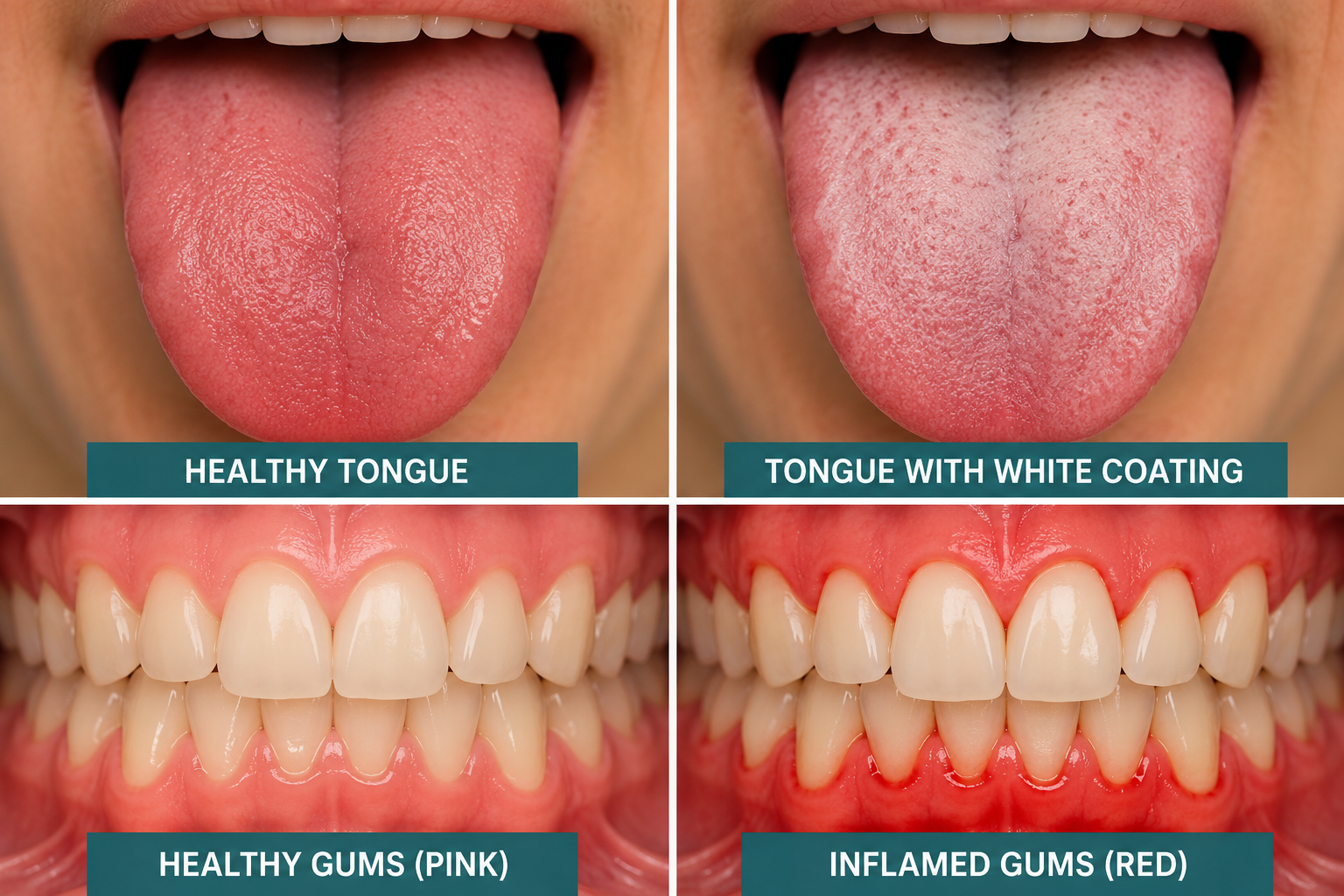
Healthy gums are generally firm and pale pink, although natural color varies among individuals. Gums that appear red, swollen, tender, or shiny may indicate an inflammatory response to bacterial accumulation. As the oral microbiome becomes less balanced, disease-associated biofilm may irritate the tissues surrounding the teeth. Without proper care, this inflammation can progress and affect deeper periodontal structures.

4. Increased Plaque Buildup

Dental plaque is a naturally forming biofilm, but excessive or rapidly returning plaque may suggest that the oral environment is favoring microbial growth. Frequent sugar intake, inadequate brushing, poor interdental cleaning, dry mouth, and irregular dental care can allow plaque to mature and become more difficult to remove. If left undisturbed, it may harden into tartar, which requires professional cleaning.

5. Frequent Cavities

Recurring cavities may reflect an oral environment dominated by acid-producing and acid-tolerant bacteria. These microorganisms metabolize sugars and release acids that gradually weaken tooth enamel. Saliva normally helps neutralize acids and restore minerals to the teeth, but frequent snacking, high sugar intake, reduced saliva flow, and poor plaque control can overwhelm these protective mechanisms. Fluoride use, dietary changes, and regular dental monitoring remain essential for reducing cavity risk.

```

6. Dry Mouth

Saliva helps wash away food particles, neutralize acids, lubricate oral tissues, and control microbial growth. When saliva production decreases, the mouth may become more favorable to acid-producing and odor-causing microorganisms. Dry mouth may result from dehydration, aging, mouth breathing, tobacco use, certain health conditions, or medications. Persistent dryness may increase the risk of cavities, bad breath, swallowing difficulties, and oral infections, so recurring symptoms should be discussed with a dentist or healthcare professional.

7. Sensitive Teeth

Tooth sensitivity can occur when enamel becomes worn, gums recede, or underlying dentin is exposed. Although sensitivity is not a direct test of microbiome imbalance, acidic conditions created by certain bacteria may contribute to enamel demineralization. Gum inflammation may also expose sensitive root surfaces. Sharp discomfort caused by hot, cold, sweet, or acidic foods should be professionally evaluated because cavities, cracked teeth, worn fillings, and gum disease may produce similar symptoms.

8. White Coating on the Tongue

The tongue contains grooves and papillae where bacteria, dead cells, food debris, and proteins can accumulate. A light coating is often harmless, especially after sleeping, but a persistent or unusually thick white layer may indicate inadequate tongue cleaning, dry mouth, changes in oral biofilm, or fungal overgrowth. A coating that does not improve with gentle cleaning, or that is accompanied by discomfort, burning, or difficulty swallowing, should be examined by a dental professional.

9. Metallic or Unusual Taste

A metallic, bitter, or otherwise unusual taste may sometimes accompany gum inflammation, dry mouth, bacterial buildup, oral infections, or bleeding in the mouth. Medications, respiratory illnesses, nutritional deficiencies, and changes in smell can also alter taste perception. Because this symptom has many possible causes, a persistent taste disturbance should not automatically be attributed to oral dysbiosis and deserves professional assessment.

10. Frequent Mouth Infections

Recurring fungal or bacterial infections may suggest that the mouth’s protective environment has been disrupted. Reduced saliva flow, recent antibiotic use, poorly controlled blood sugar, dentures, weakened immunity, and inadequate oral hygiene may allow opportunistic microorganisms to multiply. Repeated infections require professional diagnosis because treatment depends on the specific cause and may involve more than improving daily oral care.

Healthy vs. Imbalanced Oral Microbiome

Oral Health IndicatorHealthier Oral EnvironmentPossible Imbalance
BreathGenerally neutral or fresh after routine hygienePersistent unpleasant odor despite cleaning
GumsFirm, comfortable, and not prone to bleedingRedness, swelling, tenderness, or bleeding
PlaqueControlled with regular brushing and flossingHeavy or rapidly returning buildup
SalivaAdequate moisture and comfortable swallowingPersistent dryness, stickiness, or thirst
TongueNormal color with minimal coatingPersistent thick coating or unusual appearance
TeethStable enamel and fewer recurring cavitiesFrequent decay, sensitivity, or acid-related damage

Note: These signs are not diagnostic. Similar symptoms may result from dental disease, medications, infections, dietary habits, or other health conditions.

Evidence-Based Oral Health Resource

Build a Stronger Foundation for Long-Term Oral Health

Explore our complete oral health guide to learn how the oral microbiome, daily hygiene, nutrition, saliva, gum care, and preventive dental habits work together to support healthier teeth, fresher breath, and a more balanced oral environment.

Explore the Ultimate Oral Health Guide β†’
```

What Causes Oral Dysbiosis?

Oral dysbiosis usually develops when repeated environmental changes allow disease-associated microorganisms to become more active while microbial diversity and natural protective mechanisms decline. It is rarely caused by one isolated habit. Diet, saliva flow, tobacco exposure, medications, hygiene practices, and general health can interact over time and influence the balance of the oral microbiome.

1. Sugar and Frequent Snacking

Frequent exposure to added sugars can favor acid-producing and acid-tolerant bacteria. These microorganisms metabolize sugars and release acids that lower oral pH and contribute to enamel demineralization. The frequency of sugar intake may be especially important because repeated snacking gives saliva less time to neutralize acids and restore a healthier oral environment between meals.

2. Ultra-Processed Foods

Many ultra-processed foods contain added sugars, refined starches, and sticky carbohydrates that can remain on tooth surfaces. Diets low in fiber and whole foods may also reduce chewing and saliva stimulation. Over time, these dietary patterns may create conditions that support plaque accumulation and reduce the ecological diversity associated with a more stable oral microbiome.

3. Smoking

Tobacco smoke exposes the mouth to heat, chemicals, and oxidative stress. Smoking may alter saliva, reduce blood flow to gum tissues, weaken local immune defenses, and encourage microbial communities associated with periodontal disease. It can also mask early gum bleeding, allowing inflammation to progress with fewer visible warning signs.

4. Alcohol

Frequent or heavy alcohol consumption may dry oral tissues, affect saliva production, irritate the mouth, and alter the conditions in which microorganisms grow. Alcoholic drinks that are acidic or high in sugar may create additional challenges for enamel and plaque control. Alcohol should therefore be viewed as one of several possible contributors rather than a single cause of dysbiosis.

5. Antibiotics

Antibiotics are essential for treating certain bacterial infections, but they may temporarily affect both harmful and beneficial microorganisms. This disruption can reduce microbial diversity and occasionally allow opportunistic organisms, including certain fungi, to become more abundant. Antibiotics should always be used exactly as prescribed and should never be stopped or avoided without professional guidance.

6. Dry Mouth

Saliva is one of the mouth’s most important protective systems. It washes away debris, buffers acids, supports enamel remineralization, lubricates tissues, and helps regulate microbial growth. When saliva flow decreases, plaque may accumulate more quickly and acid-producing or odor-causing microorganisms may gain an advantage. Persistent dry mouth can result from dehydration, medications, aging, mouth breathing, tobacco use, or health conditions and should be professionally evaluated.

Important: Oral dysbiosis is influenced by multiple factors. Improving one habit may help, but long-term oral health usually depends on consistent hygiene, balanced nutrition, adequate saliva flow, regular dental care, and attention to underlying health conditions.

```

7. Aging

The oral microbiome naturally changes throughout life. As people age, saliva production may decline, medications often become more common, and gum recession can expose root surfaces that are more vulnerable to bacterial colonization. Older adults may also experience changes in immune function and oral tissues that influence microbial diversity. Although aging itself does not cause oral dysbiosis, it may increase susceptibility when combined with other lifestyle and health factors.

8. Diabetes

Diabetes and oral health influence one another in several ways. Elevated blood glucose levels may contribute to changes in saliva, increase inflammation, and reduce the body's ability to respond effectively to bacterial challenges. Individuals with poorly controlled diabetes may experience a greater risk of gum disease, slower healing, and oral infections. Maintaining good blood sugar control, together with regular dental care, is considered an important component of long-term oral health.

9. Chronic Stress

Long-term psychological stress may influence oral health through several indirect pathways. Stress can affect immune responses, contribute to dry mouth, encourage teeth grinding, alter dietary choices, and reduce consistency with daily oral hygiene routines. These combined effects may create conditions that favor microbial imbalance and increased inflammation. Managing stress is therefore beneficial not only for overall health but also for maintaining a healthier oral environment.

10. Poor Sleep

Sleep plays an essential role in immune regulation and tissue repair. Inadequate sleep or poor sleep quality may reduce saliva flow during the night, increase inflammation, and contribute to dry mouth upon waking. Mouth breathing and untreated sleep disorders may further alter the oral environment. Although research is ongoing, healthy sleep habits appear to support both systemic wellness and oral health.

11. Certain Medications

Hundreds of commonly prescribed medications may reduce saliva production as a side effect. Antihistamines, antidepressants, blood pressure medications, and several other drug classes have been associated with dry mouth in some individuals. Reduced saliva weakens one of the mouth's primary protective mechanisms, potentially allowing plaque accumulation and bacterial growth to increase. Patients should never stop prescribed medications without consulting their healthcare provider.

12. Inadequate Hydration

Water is essential for maintaining healthy saliva production. Inadequate hydration may leave the mouth feeling dry, reduce its natural cleansing action, and decrease its ability to buffer acids and remove food debris. Drinking sufficient water throughout the day supports normal saliva flow and helps maintain conditions that are less favorable for excessive bacterial growth.

Scientific Summary

Current research indicates that oral dysbiosis is a multifactorial process. Rather than being caused by a single microorganism or isolated habit, it develops through complex interactions involving diet, saliva, immune responses, oral hygiene, medications, aging, systemic health, and lifestyle behaviors.

Evidence suggests that maintaining microbial diversity is best supported by a combination of consistent brushing and flossing, tongue cleaning, regular professional dental care, balanced nutrition, adequate hydration, tobacco avoidance, moderation of alcohol intake, stress management, quality sleep, and effective control of chronic medical conditions such as diabetes.

While researchers continue exploring therapies that target the oral microbiomeβ€”including oral probiotics and other microbiome-supportive strategiesβ€”the strongest scientific evidence continues to support comprehensive preventive dental care and healthy daily habits as the foundation for long-term oral health.

```

Can the Oral Microbiome Recover?

In many cases, the oral microbiome may move toward a healthier and more stable state when the conditions that promote dysbiosis are reduced. The mouth is a dynamic ecosystem, and its microbial communities continually respond to saliva flow, diet, oral hygiene, inflammation, medications, smoking, and general health.

Recovery does not necessarily mean eliminating every potentially harmful microorganism. Many bacteria associated with oral disease may also exist in small amounts in healthy mouths. The more realistic goal is to restore an environment in which beneficial and neutral microorganisms remain diverse while acid-producing, inflammation-associated, or odor-causing organisms are prevented from becoming dominant.

Current research suggests that removing ecological pressuresβ€”such as frequent sugar exposure, persistent plaque, tobacco smoke, inadequate saliva flow, and uncontrolled inflammationβ€”may allow the oral ecosystem to become more resilient. However, recovery varies from person to person. Advanced gum disease, untreated cavities, chronic dry mouth, diabetes, and certain medications may require professional management in addition to daily home care.

Evidence-Based Perspective: Scientists do not currently define one universal method or timeline for β€œresetting” the oral microbiome. Sustainable improvement is more likely to result from consistent preventive care, control of active oral disease, adequate saliva, and healthier daily habits than from a single product or short-term intervention.

Habits That May Support a Healthy Oral Microbiome

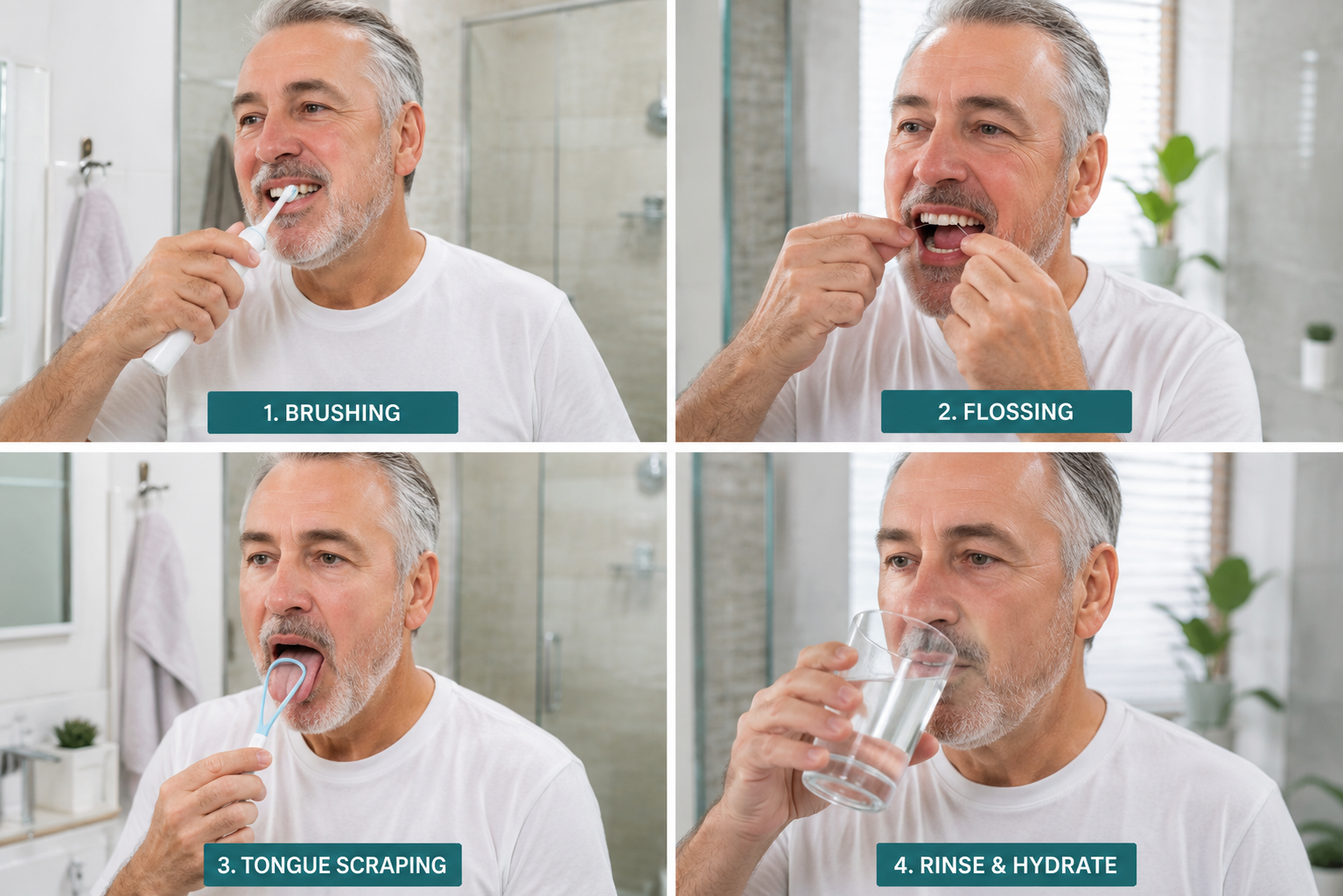
1. Brush Consistently

Brush gently twice a day with fluoride toothpaste. Brushing disrupts mature dental plaque and removes food debris while fluoride helps strengthen enamel. The objective is plaque controlβ€”not sterilizing the mouth.

2. Clean Between the Teeth

Floss or use another dentist-recommended interdental cleaner every day. Toothbrush bristles cannot fully reach the areas between teeth, where plaque and inflammation may develop unnoticed.

3. Clean the Tongue

Gently clean the tongue with a toothbrush or tongue cleaner. Its textured surface can retain food particles, dead cells, and odor-associated microorganisms. Avoid aggressive scraping that causes irritation.

4. Maintain Good Hydration

Drinking water throughout the day supports normal saliva production. Saliva helps wash away debris, buffer acids, lubricate oral tissues, support enamel remineralization, and regulate microbial growth.

5. Choose Fiber-Rich Foods

Vegetables, whole fruits, legumes, nuts, seeds, and minimally processed whole grains can support better nutrition. Firm, fibrous foods also encourage chewing and saliva flow, although they do not replace brushing or flossing.

6. Reduce Frequent Sugar Exposure

Limit sugary drinks, candies, refined snacks, and repeated grazing between meals. Frequent fermentable-carbohydrate exposure repeatedly lowers plaque pH and favors acid-tolerant microbial communities associated with tooth decay.

7. Attend Regular Dental Visits

Dental examinations and professional cleanings help identify plaque deposits, gum inflammation, cavities, dry mouth, and other conditions that may continue driving dysbiosis despite good home care.

8. Consider Oral Probiotics Carefully

Some probiotic strains may temporarily influence specific oral microorganisms or provide modest support for certain periodontal outcomes. However, results remain mixed, products are not interchangeable, and probiotics should be viewed as an adjunctβ€”not a substitute for brushing, flossing, fluoride, or professional treatment.

Daily Oral Health Checklist

Use this simple checklist to support a cleaner and more stable oral environment.

Lifestyle Tips for Long-Term Oral Balance

  • Avoid smoking and tobacco exposure, which can alter local immunity, saliva, gum circulation, and microbial composition.
  • Moderate alcohol consumption, especially sugary or acidic alcoholic drinks that may contribute to dryness and enamel stress.
  • Prioritize consistent sleep, since poor sleep may affect immune regulation, inflammation, food choices, and oral-care routines.
  • Manage chronic stress through realistic routines, physical activity, relaxation practices, and professional support when needed.
  • Work with healthcare professionals to manage diabetes and other conditions associated with inflammation, healing, or dry mouth.
  • Discuss persistent dry mouth with a dentist or physician rather than discontinuing prescribed medication independently.

When to seek dental care: Arrange a professional evaluation when bleeding gums, persistent bad breath, mouth pain, loose teeth, recurring infections, unexplained white patches, sores lasting longer than two weeks, or ongoing dry mouth are present.

Evidence-Based Oral Health Resource

Build a More Complete Oral Health Routine

Explore our complete guide to oral probiotics, gum health, fresh breath, nutrition, healthy aging, and practical daily habits supported by current evidence.

Explore the Complete Oral Health Guide β†’
```

Continue Your Oral Health Journey

Explore more evidence-based resources covering the oral microbiome, gum health, healthy aging, oral probiotics, and practical daily habits that may help support a healthier smile.

🦷 Ultimate Oral Health Guide

Our comprehensive pillar guide covering oral probiotics, healthy gums, fresh breath, nutrition, daily habits, and current scientific evidence.

🧬 What Is the Oral Microbiome?

Discover how billions of beneficial microorganisms help protect your teeth, gums, saliva, and overall oral health.

βœ… Daily Habits That Improve Oral Health

Simple evidence-based habits that may help support healthier teeth, gums, fresher breath, and a balanced oral microbiome.

πŸ‘¨β€πŸ¦³ Oral Health After 50

Learn how aging may influence saliva production, gum health, the oral microbiome, and preventive dental care.

🌿 ProDentim Review 2026

An evidence-based review of ProDentim, including ingredients, current research, potential benefits, and limitations.

πŸƒ ProvaDent Review 2026

Explore the science behind ProvaDent, its ingredients, oral microbiome support, and what current evidence suggests.

🦠 Why Dentists Are Talking About Oral Probiotics

Understand why oral probiotics have become an important topic in modern preventive dentistry and microbiome research.

❀️ Can Oral Health Affect Overall Wellness?

Learn what current research says about the connections between oral health, inflammation, and overall well-being.

```
Evidence-Based FAQ

Frequently Asked Questions About Oral Dysbiosis

These answers explain what current research suggests about oral microbial balance, common warning signs, diet, saliva, and oral probiotics.

1. What is oral dysbiosis?

Oral dysbiosis is an ecological imbalance in the communities of microorganisms living in the mouth. It does not simply mean that harmful bacteria are present, because many disease-associated species can exist in small amounts in healthy individuals. Dysbiosis occurs when environmental conditions allow acid-producing, inflammation-associated, or odor-causing microorganisms to become more dominant. This shift may contribute to plaque accumulation, cavities, gingivitis, periodontal disease, persistent bad breath, or recurring oral infections.

2. Can bad breath indicate an unhealthy oral microbiome?

Persistent bad breath may be associated with microbial activity, especially on the tongue, between the teeth, and around inflamed gums. Certain bacteria break down proteins and release volatile sulfur compounds that produce unpleasant odors. However, bad breath can also result from dry mouth, smoking, food, sinus problems, medications, or other health conditions. Breath odor alone cannot diagnose oral dysbiosis, but recurring symptoms that do not improve with routine hygiene should be evaluated by a dental professional.

3. Is dry mouth related to oral bacteria?

Yes. Saliva helps control microbial growth by washing away food debris, buffering acids, lubricating tissues, and supporting enamel remineralization. When saliva flow decreases, plaque can accumulate more easily and acid-producing or odor-associated microorganisms may gain an advantage. Dry mouth does not always begin with bacterial imbalance, but it can create conditions that encourage it. Persistent dryness may be related to dehydration, medications, mouth breathing, tobacco use, aging, or medical conditions and deserves professional attention.

4. Can diet change the oral microbiome?

Diet strongly influences the oral environment. Frequent intake of added sugars and refined carbohydrates can lower plaque pH and favor acid-tolerant bacteria associated with tooth decay. In contrast, meals centered on vegetables, whole fruits, legumes, nuts, seeds, and other minimally processed foods may support better nutrition and saliva production. Dietary changes cannot replace brushing, flossing, fluoride, or dental treatment, but reducing repeated sugar exposure may help create conditions that are less favorable to dysbiosis.

5. Are oral probiotics effective?

Research on oral probiotics is promising but still developing. Some studies suggest that specific strains may temporarily influence oral microorganisms, reduce certain markers of gum inflammation, or support fresher breath. Results vary because probiotic effects depend on the strain, dose, formulation, duration, and condition being studied. Oral probiotics should not be treated as a universal solution or a replacement for established care. They are best considered a possible complementary strategy alongside brushing, interdental cleaning, fluoride, healthy nutrition, and regular dental visits.

```
6. Does aging affect oral bacteria?

Aging can influence the oral microbiome indirectly through changes in saliva production, immune function, gum tissues, diet, dexterity, and medication use. Older adults may also experience gum recession, exposed root surfaces, dentures, or chronic dry mouth, all of which can create new surfaces and conditions for microbial growth. Aging alone does not automatically cause dysbiosis, but it may increase vulnerability when combined with plaque accumulation, smoking, diabetes, or inadequate oral care.

7. Can brushing alone restore balance?

Brushing is essential, but it cannot reach every area of the mouth. Plaque can remain between teeth, beneath the gumline, and on the tongue. A more complete routine usually includes brushing twice daily with fluoride toothpaste, interdental cleaning, gentle tongue cleaning, adequate hydration, lower sugar exposure, and regular professional care. If cavities, periodontal disease, infection, or persistent dry mouth are present, home brushing alone is unlikely to correct the underlying problem.

8. How often should I visit a dentist?

The ideal schedule depends on individual risk. Many people are advised to attend routine examinations every six to twelve months, but those with gum disease, frequent cavities, diabetes, dry mouth, smoking history, dentures, implants, or other risk factors may need more frequent monitoring. A dentist can recommend an appropriate interval after assessing gum health, plaque levels, saliva, restorations, and medical history. Persistent bleeding, pain, swelling, or mouth sores should not wait for a routine appointment.

9. Are antibiotics harmful to beneficial oral bacteria?

Antibiotics can affect both disease-causing and beneficial bacteria, sometimes reducing microbial diversity for a period after treatment. Their impact depends on the medication, dose, treatment length, and individual microbiome. Even so, antibiotics are important and sometimes essential for treating bacterial infections. They should be taken exactly as prescribed. Patients should never avoid, shorten, or stop antibiotic treatment in an attempt to protect the microbiome without consulting a qualified healthcare professional.

10. Can an oral microbiome recover naturally?

The oral microbiome can adapt when harmful pressures are reduced and healthier conditions are restored. Improvements in plaque control, saliva flow, diet, hydration, sleep, tobacco avoidance, and management of conditions such as diabetes may support a more stable microbial environment. However, there is no proven universal β€œreset” or fixed recovery timeline. Active cavities, gum disease, infections, and chronic dry mouth often require professional treatment before meaningful and lasting improvement can occur.

```
Evidence-Based Conclusion

Final Thoughts

Current scientific evidence suggests that the oral microbiome plays an important role in maintaining oral health. A balanced microbial community helps support normal interactions between saliva, teeth, gums, and the body's natural defense systems. When this balance is disruptedβ€”a process known as oral dysbiosisβ€”the environment may become more favorable for plaque accumulation, bad breath, tooth decay, gum inflammation, and other oral conditions.

Research consistently indicates that maintaining microbial balance depends far more on daily preventive habits than on any single product or intervention. Brushing with fluoride toothpaste, cleaning between the teeth, gently cleaning the tongue, staying well hydrated, limiting frequent sugar exposure, eating a balanced diet rich in minimally processed foods, and attending regular dental examinations all contribute to creating conditions that support long-term oral health.

Healthy lifestyle choices also matter. Adequate sleep, stress management, tobacco avoidance, moderation of alcohol consumption, and proper management of medical conditions such as diabetes may indirectly support a healthier oral environment by reducing inflammation and helping maintain normal saliva production and immune function.

Interest in oral probiotics has grown considerably in recent years. Some clinical studies suggest that specific probiotic strains may provide modest benefits for certain aspects of oral health, including temporary improvements in breath quality or selected markers related to gum health. However, these findings are not consistent across all studies, formulations, or health conditions. The effectiveness of oral probiotics depends on multiple factors, including the bacterial strain, dosage, treatment duration, and the individual's oral health status.

For these reasons, oral probiotics should currently be viewed as a potential complementary approach rather than a replacement for evidence-based preventive care or professional dental treatment. Larger, longer-term clinical trials are still needed to better understand which populations may benefit most and under what circumstances.

Key Takeaway

The healthiest oral microbiome is not achieved by eliminating all bacteria but by maintaining a diverse and balanced microbial community through consistent daily hygiene, nutritious eating patterns, adequate hydration, regular professional dental care, and realistic long-term habits. Small improvements practiced consistently are far more likely to support lasting oral health than quick solutions or short-term trends.

Continue Learning

Explore the Complete Oral Health Guide

Discover our comprehensive evidence-based guide covering the oral microbiome, oral probiotics, healthy gums, fresh breath, nutrition, preventive habits, and practical strategies to help maintain lifelong oral health.

Read the Ultimate Oral Health Guide β†’

Educational content based on current scientific evidence. This article is not intended to diagnose, treat, cure, or prevent any disease and should not replace professional dental or medical advice.

```
Oral Probiotic Formula

Explore ProDentim

Learn more about a dietary supplement developed around oral probiotic strains and other ingredients intended to complement a consistent oral care routine.

  • Designed around oral probiotic support
  • Convenient daily-use format
  • Best considered alongside regular dental care
Affiliate Disclosure: This page contains an affiliate link. We may earn a commission if you purchase through this link, at no additional cost to you.
Visit the Official ProDentim Website β†’

Dietary supplements do not replace brushing, flossing, fluoride, professional treatment, or regular dental examinations.

Oral Wellness Formula

Explore ProvaDent

Discover a dietary supplement positioned around oral wellness, microbiome support, and selected plant-based ingredients for adults seeking an additional step in their daily routine.

  • Formulated for daily oral wellness support
  • Includes selected botanical ingredients
  • Intended as a complement, not a treatment
Affiliate Disclosure: This page contains an affiliate link. We may earn a commission if you purchase through this link, at no additional cost to you.
Visit the Official ProvaDent Website β†’

Individual results may vary. Review the product label and consult a qualified healthcare professional when appropriate.

```
Evidence-Based Sources

Scientific References

This article was developed using information from internationally recognized health organizations, peer-reviewed scientific journals, systematic reviews, and evidence-based dental resources covering the oral microbiome, oral dysbiosis, periodontal disease, dental plaque, halitosis, dry mouth, oral probiotics, and preventive oral healthcare.

Government & Health Institutions

  • National Institutes of Health (NIH)
  • National Library of Medicine / PubMed
  • National Institute of Dental and Craniofacial Research (NIDCR)
  • American Dental Association (ADA)
  • Mayo Clinic
  • Academy of General Dentistry (AGD)
  • American Academy of Periodontology (AAP)

Peer-Reviewed Journals

  • Journal of Clinical Periodontology
  • Nature Reviews Microbiology
  • Frontiers in Oral Health
  • Cochrane Library
  • Journal of Oral Microbiology
  • Clinical Oral Investigations
  • BMC Oral Health

Research Topics Reviewed

βœ” Oral microbiome
βœ” Oral dysbiosis
βœ” Oral biofilm
βœ” Dental plaque
βœ” Oral bacteria
βœ” Periodontal disease
βœ” Gingivitis
βœ” Halitosis
βœ” Dry mouth (xerostomia)
βœ” Saliva and oral ecology
βœ” Oral probiotics
βœ” Preventive dentistry
βœ” Nutrition and oral health
βœ” Oral microbial diversity

Evidence Statement

The scientific literature regarding the oral microbiome continues to evolve rapidly. Recommendations presented throughout this article reflect current evidence at the time of publication, with emphasis on systematic reviews, clinical practice resources, and peer-reviewed research whenever available.

Although growing evidence suggests that the oral microbiome plays an important role in oral health, researchers continue to investigate how diet, saliva, biofilm, oral probiotics, lifestyle factors, and preventive dental care interact to influence microbial balance. Current evidence supports maintaining realistic expectations and prioritizing established preventive measures alongside any complementary approaches.

```

EnergyFix40

Evidence-based educational content dedicated to oral health, healthy aging, nutrition, preventive dentistry, and oral microbiome research. Our mission is to help readers make informed health decisions using reliable scientific information.

Important Notice

Medical Disclaimer: The information provided on EnergyFix40.com is intended for educational purposes only and should not be considered medical or dental advice. Always consult a qualified healthcare professional regarding diagnosis, treatment, or preventive care.

FDA Disclaimer: Statements regarding dietary supplements have not been evaluated by the U.S. Food and Drug Administration. Products discussed on this website are not intended to diagnose, treat, cure, or prevent any disease.

Affiliate Disclosure: Some links on this website are affiliate links. If you purchase through these links, we may earn a commission at no additional cost to you. This helps support our editorial work while maintaining our commitment to independent, evidence-based content.


Content is reviewed regularly to reflect current scientific knowledge whenever practical. Recommendations should always be interpreted alongside advice from qualified dental and healthcare professionals.

Copyright Β© 2026 EnergyFix40.com. All Rights Reserved.

```

RELATED POSTS

View all

view all