The Morning Habit That Could Be Damaging Your Teeth
July 10, 2026 | by By EnergyFix40 Editorial Team
MORNING ORAL HEALTH WARNING
The Morning Habit That Could Be
Damaging Your Teeth
You may brush every morning and still unknowingly weaken your enamel,
irritate your gums, and increase tooth sensitivity. Discover why
brushing immediately after coffee, citrus juice, or breakfast
may be doing more harm than good—and what dental experts recommend instead.
✓Learn when brushing can temporarily damage softened enamel
✓Understand how coffee, citrus, sugar, and dry mouth affect teeth
✓Build a safer morning routine for healthier teeth and gums
Check the presentation page for product and ordering information.
Affiliate disclosure: This page may earn a commission if you purchase through one of these links, at no additional cost to you. These products do not replace brushing, flossing or professional dental care.
```
Evidence-Based Morning Oral Care
Could Your Morning Routine Be Quietly Weakening Your Teeth?
Most people begin the day with a familiar sequence: wake up, drink coffee or juice, eat breakfast, and brush their teeth before leaving home. It feels responsible and healthy. However, the timing of these habits may matter more than many people realize.
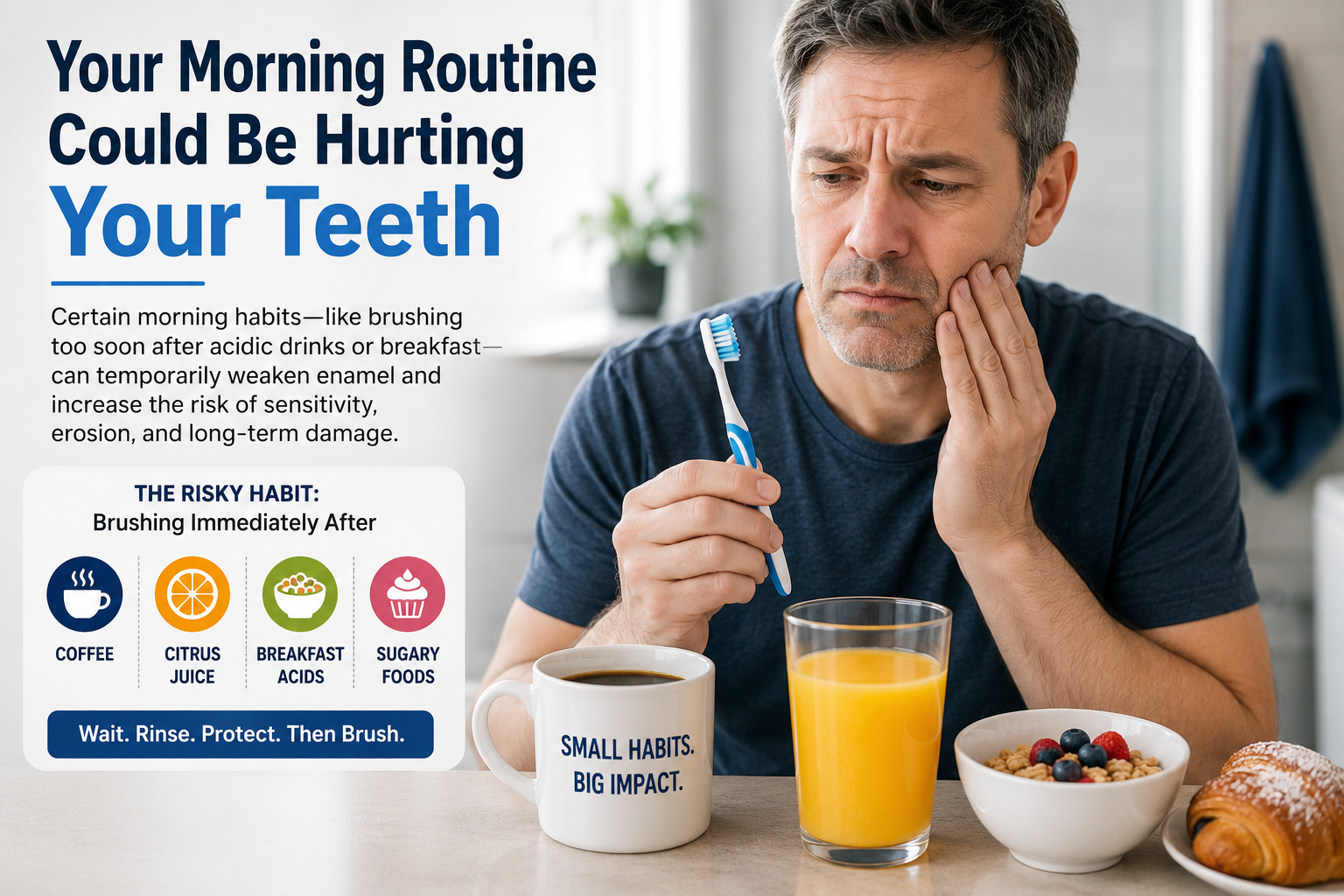
Certain breakfast foods and beverages can temporarily create a more acidic environment inside the mouth. When brushing happens immediately after consuming them, the combination of dietary acids and mechanical brushing may place additional stress on enamel that has been temporarily softened.
This does not mean that brushing is harmful. Brushing with fluoride toothpaste remains one of the most important habits for preventing cavities and controlling plaque. The real issue is understanding when to brush, what happens after an acidic meal, and how saliva helps the mouth recover naturally.
Why Morning Oral Care Matters
During sleep, saliva production generally decreases. Saliva normally helps rinse away food particles, dilute acids, support mineral balance, and control the oral environment. With less saliva moving through the mouth overnight, bacteria and their byproducts can accumulate more easily on the tongue, teeth, and gums.
This is one reason many people wake up with a dry mouth, unpleasant taste, or noticeable morning breath. A thoughtful morning routine helps remove accumulated plaque, refresh the mouth, deliver fluoride to the teeth, and prepare the oral environment for the foods and drinks consumed at breakfast.
Key takeaway: Morning oral care is not only about fresh breath. It also helps manage plaque, support the gums, and protect enamel before the mouth is exposed to coffee, juice, sugar, and dietary acids.
The Common Morning Mistake Millions Make
A common mistake is brushing immediately after an acidic breakfast or beverage. Someone may finish a glass of orange juice, a fruit smoothie, or a cup of coffee and then rush to brush before work. Although the intention is good, this timing may not be ideal.
Acids can temporarily reduce the hardness of the enamel surface. Brushing during this vulnerable period may increase friction against enamel that has not yet fully recovered. Repeating the pattern every morning may contribute to gradual surface wear, especially in people who already experience enamel erosion, gum recession, dry mouth, or tooth sensitivity.
A more enamel-conscious strategy is to brush before breakfast or allow the mouth time to recover after acidic foods. Rinsing gently with water after eating can also help remove residues and dilute acids while saliva begins restoring a more balanced oral environment.
Coffee, Citrus, and Acidic Foods
Many popular breakfast choices are acidic. These include citrus fruits, orange juice, grapefruit, flavored coffee drinks, energy drinks, carbonated beverages, vinegar-based foods, and some fruit smoothies. Even nutritious foods can influence oral acidity for a limited period.
Coffee deserves special attention because it is often consumed slowly over an extended period. Frequent sipping can repeatedly expose the teeth to an acidic beverage while also encouraging staining. Coffee drinks containing added sugar, syrups, or sweetened creamers may create an additional challenge because oral bacteria can metabolize fermentable carbohydrates and produce acids.
You do not necessarily need to eliminate these foods and drinks. Instead, avoid holding acidic beverages in the mouth, reduce prolonged sipping, drink water afterward, and pay attention to when you brush.
What Happens to Your Enamel
Enamel is the highly mineralized outer layer that protects each tooth. It shields the more sensitive dentin and pulp beneath it from temperature changes, chewing forces, bacteria, and chemical exposure.
Unlike skin or bone, enamel does not regenerate after significant structural loss because it contains no living cells capable of rebuilding the tissue. Saliva and fluoride can support remineralization of early microscopic mineral loss, but they cannot replace enamel that has already been physically worn away.
Over time, enamel erosion may make teeth appear more yellow as the dentin beneath becomes more visible. It may also contribute to increased sensitivity, smoother or rounded tooth edges, small surface irregularities, and greater vulnerability to wear.
Scientific Explanation of Acid Attacks
Tooth enamel is composed primarily of mineral crystals. When the oral environment becomes sufficiently acidic, hydrogen ions interact with the mineral structure and encourage calcium and phosphate to leave the enamel surface. This process is known as demineralization.
Acid exposure can occur directly from foods and beverages or indirectly from bacterial metabolism. After bacteria use sugars and other fermentable carbohydrates, they release acids that lower the pH inside dental plaque. The longer and more frequently teeth remain in an acidic environment, the less recovery time saliva has between exposures.
Saliva acts as a natural defense system. It helps neutralize acids, supplies calcium and phosphate, lubricates tissues, and supports the return toward mineral balance. Fluoride toothpaste strengthens this protective process by helping enamel become more resistant to future acid challenges.
This balance between demineralization and remineralization occurs throughout the day. Problems are more likely when acidic exposures happen repeatedly, saliva flow is reduced, plaque is not adequately controlled, or brushing technique is too aggressive.
```
Continue Learning About Better Oral Health
Building healthier teeth isn't just about brushing. Explore these evidence-based guides to understand how your daily habits, oral microbiome, and gum health work together for a healthier smile.
Why Brushing Immediately After Breakfast Can Be Harmful
Brushing your teeth after breakfast may seem like the cleanest way to begin the day. It removes food particles, improves your breath, and helps you feel prepared for work or daily activities. However, when breakfast includes acidic foods or drinks, brushing immediately afterward may not be the best choice for your enamel.
Orange juice, grapefruit, berries, fruit smoothies, coffee, carbonated drinks, and some flavored waters can temporarily increase acidity inside the mouth. During this period, the mineral surface of enamel may become more vulnerable to friction. Scrubbing the teeth before saliva has had time to reduce that acidity can add mechanical stress to a surface already experiencing a chemical challenge.
Normal brushing with a soft-bristled toothbrush and fluoride toothpaste is essential and is not considered harmful when performed correctly. The concern is the repeated combination of acid exposure, immediate brushing, excessive pressure, and abrasive technique.
Acid Erosion Explained
Dental erosion is the gradual loss of mineralized tooth structure caused by acids that are not produced exclusively by cavity-causing bacteria. Dietary acids can come directly from citrus fruits, juices, sodas, sports drinks, energy drinks, wine, vinegar, and other acidic products.
When acids contact enamel, they can disturb the balance of calcium and phosphate within its crystal structure. This process is called demineralization. The surface does not instantly disappear, but it may become temporarily softer and more susceptible to wear.
Repeated exposure without enough recovery time may gradually contribute to thinner enamel, rounded tooth edges, discoloration, small surface depressions, or sensitivity to cold, heat, sweetness, and acidic foods.
Important distinction: Dental erosion is chemical wear caused by acids, while abrasion is physical wear that may be associated with excessive brushing pressure or abrasive products. Both processes can occur together.
How Saliva Naturally Protects Teeth
Saliva is one of the mouth’s most important natural defense systems. It helps wash away loose food particles, dilute acids, lubricate oral tissues, and maintain an environment in which teeth and gums can function more effectively.
Saliva also contains calcium and phosphate—minerals involved in maintaining enamel strength. After an acid exposure, saliva helps move the oral environment back toward a more balanced pH and supports the replacement of minerals lost during the earliest stages of demineralization.
Fluoride toothpaste strengthens this protective cycle. Fluoride can make the mineral structure of enamel more resistant to future acid challenges and help support remineralization before microscopic damage develops into a cavity.
Should You Brush Before or After Breakfast?
For many people, brushing before breakfast is the simplest enamel-conscious option. It removes plaque and bacteria that accumulated overnight while coating the teeth with fluoride before exposure to breakfast foods and drinks.
Brushing before eating may also reduce the number of bacteria available to metabolize sugars from breakfast. After eating, you can rinse gently with water to help remove food residues and dilute acids.
Brushing after breakfast is still possible, but timing matters. After consuming acidic foods or beverages, allow the mouth time to recover first. Dental guidance commonly recommends waiting at least 30 minutes, while some recommendations extend the interval toward 60 minutes following a strongly acidic drink.
People with reflux, chronic dry mouth, significant enamel erosion, gum recession, or persistent sensitivity may need individualized guidance from a dentist.
Scientific Comparison: Before vs. Immediately After Breakfast
The major difference is not whether you remove food before or after breakfast. It is whether brushing occurs while the enamel surface is experiencing the effects of recent acid exposure.
Factor
Brush Before Breakfast
Brush Immediately After Breakfast
Overnight plaque
Removed before eating
Remains during breakfast
Fluoride protection
Applied before acidic exposure
Applied after eating
Enamel condition
Not recently exposed to breakfast acids
May be temporarily more vulnerable
Convenience
Easy to complete immediately after waking
Requires a recovery interval after acidic foods
Practical approach
Brush, eat breakfast, then rinse with water
Eat, rinse with water, wait 30–60 minutes, then brush
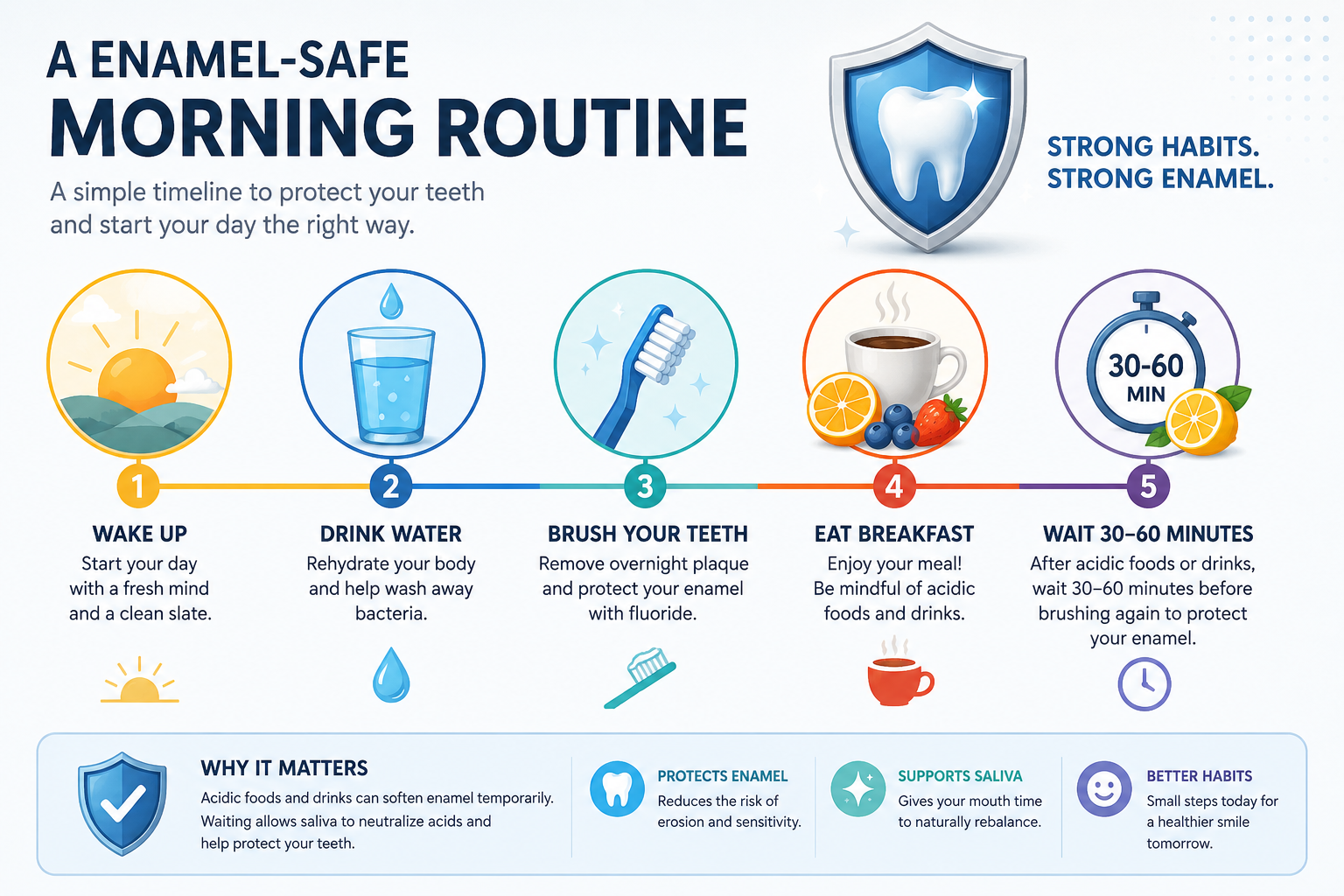
Enamel-Friendly Morning Routine Timeline
💧
Step 1
Wake up and drink plain water if desired.
🪥
Step 2
Brush gently for two minutes with fluoride toothpaste.
🍳
Step 3
Eat breakfast without prolonged sipping or snacking.
🚰
Step 4
Rinse gently with water after coffee, juice, or fruit.
Alternative schedule: If you prefer brushing after breakfast, rinse with water and wait approximately 30–60 minutes after acidic foods or beverages before brushing.
Daily Morning Oral-Care Checklist
✓Brush twice daily for approximately two minutes using fluoride toothpaste.
✓Use a soft-bristled toothbrush and gentle circular movements.
✓Avoid aggressive horizontal scrubbing along the gumline.
✓Rinse with plain water after acidic foods and drinks.
✓Avoid slowly sipping sugary or acidic beverages throughout the morning.
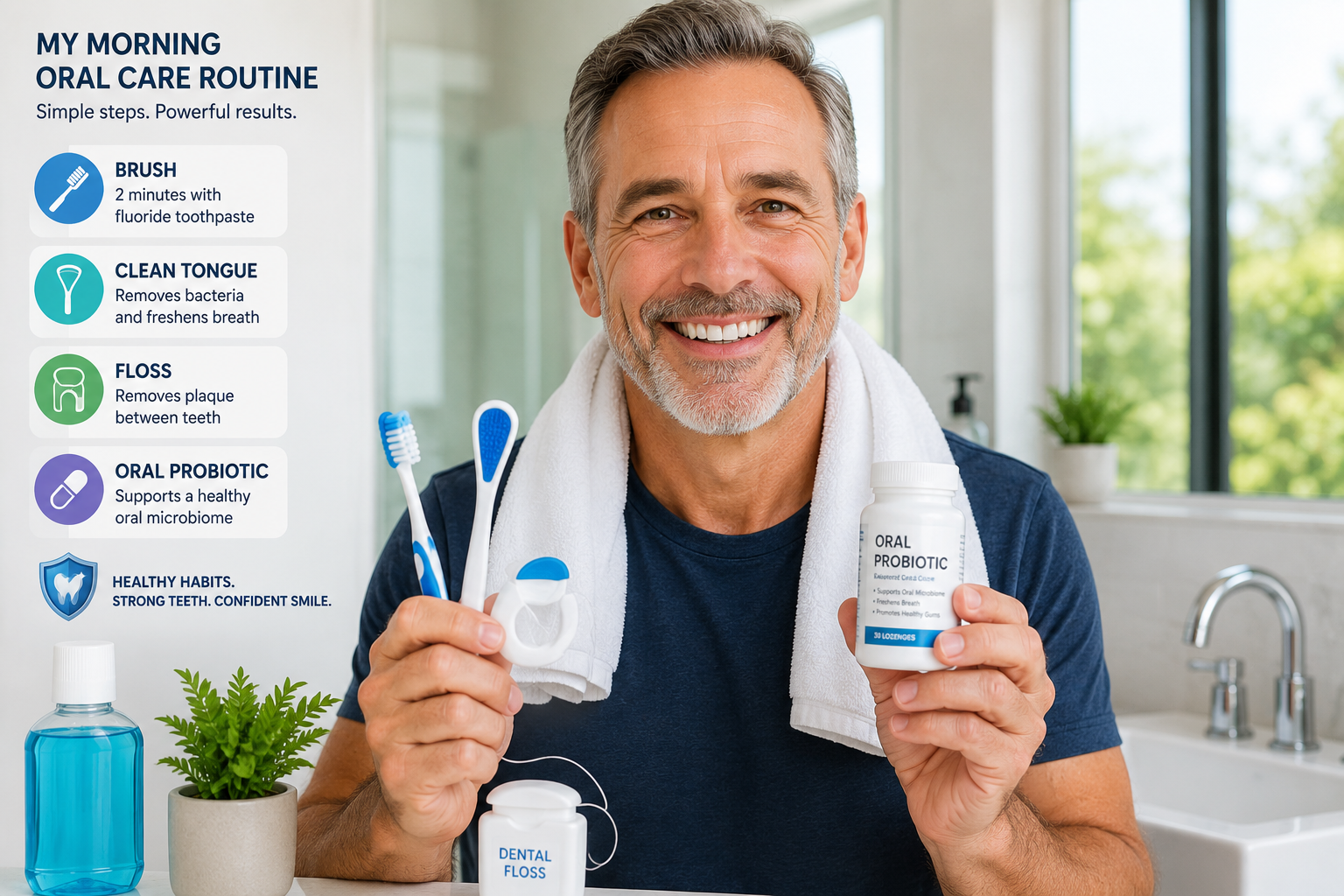
✓Clean between teeth daily with floss or another dentist-approved tool.
✓Ask a dentist about ongoing sensitivity, enamel changes, dry mouth, or gum recession.
```
Oral Probiotic Formula
Discover ProDentim
A convenient oral probiotic option designed to complement your daily dental-care routine.
Learn more about the formula, ingredients, purchasing options and current availability through the official presentation page.
Check the presentation page for product and ordering information.
Affiliate disclosure: This page may earn a commission if you purchase through one of these links, at no additional cost to you. These products do not replace brushing, flossing or professional dental care.
```
Explore the Oral Health Cluster
Learn More About the Habits That Shape Your Smile
Morning brushing is only one part of oral health. Explore these related guides to better understand enamel protection, oral bacteria, gum health, sensitivity, fresh breath, and probiotics.
What Science Reveals About Your Mouth in the Morning
Your morning oral environment is shaped by saliva flow, overnight plaque accumulation, tongue bacteria, breakfast choices, brushing technique, hydration, medications, and other individual factors. Understanding how these elements interact can help you build a routine that protects enamel without relying on unnecessary or overly aggressive products.
Scientific Studies
Scientific research consistently supports twice-daily brushing with fluoride toothpaste, cleaning between the teeth, limiting frequent sugar exposure, and attending regular dental examinations. Fluoride helps make enamel more resistant to acid challenges and supports the remineralization of early mineral loss.
Research on dental erosion also shows that the frequency and duration of acidic exposure matter. Repeatedly sipping coffee, juice, soda, sports drinks, or other acidic beverages may keep the teeth exposed for longer than consuming the same beverage during a defined meal.
Studies involving oral probiotics have examined their potential effects on plaque, gum inflammation, cavity-associated bacteria, tongue coating, and halitosis. Some trials report short-term improvements, but different strains, doses, study methods, and participant groups make broad conclusions difficult. Probiotics should therefore be viewed as a possible supportive measure—not a replacement for brushing, flossing, fluoride, professional cleanings, or dental treatment.
Why Oral Bacteria Are Most Active Overnight
It is more accurate to say that conditions inside the mouth change overnight. Saliva production usually decreases during sleep, swallowing becomes less frequent, and the natural cleansing movement of the cheeks and tongue is reduced.
These changes allow plaque, food residues, dead cells, and bacterial byproducts to remain in place longer. Bacteria living on the tongue and around the gumline can break down proteins and other substances, producing compounds that contribute to an unpleasant taste or odor.
Sleeping with the mouth open, nasal congestion, dehydration, certain medications, smoking, alcohol use, and untreated dry mouth can make the morning environment even drier. Persistent dry mouth should be discussed with a healthcare or dental professional because saliva plays an important role in controlling microbes and protecting teeth from decay.
Morning Breath Explained
Temporary morning breath is common. It often develops when bacteria on the back of the tongue and in dental plaque metabolize proteins and release volatile sulfur compounds. Reduced saliva flow means these compounds are not diluted or cleared as efficiently as they are during the day.
Drinking water, brushing with fluoride toothpaste, cleaning between the teeth, and gently cleaning the tongue can help. An alcohol-free mouth rinse may provide additional freshness for some people, but it should not be used to hide persistent symptoms without identifying the cause.
Bad breath that continues throughout the day may be associated with tongue coating, gum disease, untreated cavities, dry mouth, tobacco use, poorly cleaned dentures, or another health concern. A dental evaluation is appropriate when odor remains despite consistent oral hygiene.
Does Coffee Really Stain Teeth?
Yes, frequent coffee consumption can contribute to external—or extrinsic—staining. Dark-colored compounds may attach to the thin protein film that naturally forms on tooth surfaces, causing teeth to appear darker or more yellow over time.
The risk may increase when coffee is consumed slowly over several hours. Sweetened coffee also exposes teeth to fermentable carbohydrates that oral bacteria can use to produce acids. This does not mean coffee must be eliminated, but it is sensible to avoid holding it in the mouth, reduce constant sipping, and drink plain water afterward.
Important: Do not use harsh homemade whitening mixtures or aggressively scrub stained teeth. These approaches may irritate gums or increase surface wear. Ask a dentist about safe whitening options.
The Oral Microbiome in the Morning
The mouth contains a diverse community of bacteria, fungi, viruses, and other microorganisms. Many are normal residents and do not need to be eliminated. Oral health depends partly on maintaining a stable environment in which potentially harmful species do not dominate.
Overnight dryness, plaque accumulation, frequent sugar exposure, smoking, poor gum health, and unnecessary use of harsh antimicrobial products may influence this ecosystem. A healthy morning routine focuses on controlling plaque while supporting saliva and protecting oral tissues.
Brushing does not sterilize the mouth, nor should it. Its purpose is to disrupt organized plaque, remove debris, deliver fluoride, and reduce the conditions that allow harmful biofilms to mature.
Oral Probiotics
Oral probiotics are products containing selected microorganisms intended to interact with the microbial environment of the mouth. Researchers have studied strains from groups such as Streptococcus, Lactobacillus, and Bifidobacterium.
Some studies suggest that certain formulations may temporarily influence breath measurements, plaque-related bacteria, or gum indicators. However, not every probiotic strain performs the same function, and evidence remains insufficient to promise that a supplement will prevent cavities, reverse gum disease, rebuild lost enamel, or permanently eliminate bad breath.
Anyone considering an oral probiotic should follow the product directions, examine the strain information, and continue standard oral care. People who are immunocompromised, seriously ill, pregnant, receiving medical treatment, or purchasing a product for a child should consult an appropriate healthcare professional first.
Foods That Help Protect Enamel
No single food can repair enamel that has been physically lost. However, a balanced diet can support saliva production, mineral availability, and overall oral health.
Plain Water
Helps rinse residues and supports hydration without exposing teeth to sugar.
Dairy Foods
Milk, plain yogurt, and cheese provide calcium and may help neutralize meal acids.
Fiber-Rich Foods
Crunchy vegetables and balanced whole foods can encourage chewing and saliva flow.
The most effective routine is usually simple: hydrate, brush gently with fluoride toothpaste, eat a balanced breakfast, limit repeated acidic or sugary exposures, and rinse with water afterward.
Clean the tongue gently if coating is present, but avoid scraping hard enough to cause soreness or bleeding. Replace worn toothbrushes, avoid brushing aggressively, and follow personalized recommendations from your dentist when using interdental brushes, water flossers, prescription fluoride, or products for dry mouth.
Daily Prevention Checklist
✓Brush twice a day for two minutes with fluoride toothpaste.
✓Use a soft-bristled toothbrush and light pressure.
✓Clean between the teeth every day.
✓Drink water after coffee, citrus, juice, or sugary foods.
✓Avoid constant snacking and prolonged sipping throughout the morning.
✓Wait before brushing after strongly acidic foods or beverages.
✓Clean the tongue gently when visible coating is present.
✓Schedule dental care for persistent odor, sensitivity, bleeding, pain, or dry mouth.
Who May Benefit Most From Changing Their Morning Routine?
Adjusting brushing timing may be especially useful for people who frequently consume citrus juice, smoothies, coffee, energy drinks, or other acidic beverages at breakfast. It may also help those who brush aggressively or experience recurring sensitivity near the gumline.
People with dry mouth, acid reflux, eating disorders, exposed tooth roots, enamel erosion, gum recession, dental restorations, or a history of frequent cavities should seek personalized advice. These conditions may require more than routine changes alone.
Safety Considerations
Do not attempt to treat sensitivity or stains with undiluted acids, abrasive powders, household bleach, or aggressive scraping. These methods may damage enamel, irritate gums, or worsen existing dental problems.
Contact a dentist if you notice persistent pain, tooth fractures, swelling, loose teeth, bleeding gums, rapidly increasing sensitivity, difficulty swallowing, unexplained mouth sores, or bad breath that does not improve with routine care.
```
Oral Probiotic Formula
Discover ProDentim
A convenient oral probiotic option designed to complement your daily dental-care routine.
Learn more about the formula, ingredients, purchasing options and current availability through the official presentation page.
Check the presentation page for product and ordering information.
Affiliate disclosure: This page may earn a commission if you purchase through one of these links, at no additional cost to you. These products do not replace brushing, flossing or professional dental care.
```
Frequently Asked Questions
Morning Oral Care FAQ
These answers explain how brushing time, coffee, citrus foods, saliva, fluoride, and oral probiotics may influence your morning dental routine.
1. Is brushing before breakfast better?
For many people, brushing before breakfast is a practical and enamel-conscious choice. It removes plaque and bacteria that accumulated overnight while applying fluoride before the teeth are exposed to coffee, juice, fruit, sugar, and dietary acids. After breakfast, rinsing with plain water can help remove residues and dilute acidity.
2. Should I brush after drinking coffee?
You can brush after drinking coffee, but it is generally better not to brush immediately. Coffee is acidic, and brushing too soon may increase friction against enamel that has been temporarily affected by acid exposure. Rinse with water and allow approximately 30–60 minutes before brushing, especially when the coffee contains sugar or acidic flavorings.
3. Why does my mouth feel dry every morning?
Saliva production naturally decreases during sleep. Mouth breathing, dehydration, nasal congestion, certain medications, alcohol, tobacco, and some medical conditions can make morning dryness more noticeable. Persistent dry mouth should not be ignored because saliva helps control acids, wash away debris, and protect teeth from decay.
4. Does coffee weaken enamel?
Coffee does not instantly destroy enamel, but its acidity can temporarily influence the mineral balance at the tooth surface. Frequent sipping may extend the exposure period. Coffee can also contribute to external staining, while sweetened coffee drinks add sugars that bacteria can metabolize into acids.
5. How long should I wait after drinking orange juice?
A practical recommendation is to wait approximately 30–60 minutes before brushing after orange juice or another strongly acidic beverage. During this interval, saliva helps dilute acids and restore a more balanced oral environment. Rinsing gently with plain water immediately afterward may also help.
6. Can probiotics improve morning breath?
Some oral probiotic strains are being studied for their possible effects on tongue bacteria, volatile sulfur compounds, plaque, and gum health. Certain studies report temporary improvements, but results vary by strain and product. Oral probiotics should support—not replace—brushing, flossing, tongue cleaning, hydration, and professional dental care.
7. Why do dentists recommend fluoride toothpaste?
Fluoride helps enamel become more resistant to acid attacks and supports the remineralization of early microscopic mineral loss. Regular brushing with an appropriate fluoride toothpaste is one of the most established methods for reducing cavity risk. People with high cavity risk may receive additional fluoride recommendations from a dentist.
8. Does saliva repair enamel?
Saliva can support the remineralization of early mineral loss by supplying calcium and phosphate while neutralizing acids. However, it cannot regrow enamel that has already been physically worn away. Significant erosion, chips, cavities, and structural damage may require professional dental treatment.
9. Can acidic breakfasts increase tooth sensitivity?
Frequent acidic exposure may contribute to enamel erosion, which can make the underlying dentin more noticeable and sensitive. Citrus juice, smoothies, soda, energy drinks, and acidic coffee beverages may be more problematic when consumed repeatedly or held in the mouth. Gum recession can also expose sensitive root surfaces.
10. What is the healthiest morning routine for teeth?
A simple routine is often best: drink water if needed, brush gently for two minutes with fluoride toothpaste, clean between the teeth daily, eat a balanced breakfast, and rinse with water after coffee or acidic foods. Avoid aggressive brushing, prolonged sipping, constant snacking, and harsh homemade whitening treatments.
Conclusion: A Small Timing Change May Better Protect Your Smile
The morning habit that may be placing unnecessary stress on your teeth is not brushing itself. It is brushing immediately after consuming acidic foods or beverages, particularly when combined with excessive pressure or an abrasive technique.
Brushing before breakfast offers a convenient way to remove overnight plaque and deliver fluoride before the first meal. People who prefer brushing afterward can rinse with water and wait approximately 30–60 minutes after acidic foods or drinks.
Long-term oral health depends on the complete routine: fluoride toothpaste, gentle brushing, interdental cleaning, balanced nutrition, adequate saliva, reduced sugar frequency, a stable oral microbiome, and regular professional dental care.
```
l
Continue Your Oral Health Journey
Keep Learning With These Evidence-Based Guides
Improving your morning routine is just the beginning. Explore these carefully researched articles to better understand oral bacteria, enamel protection, healthy gums, and the science behind oral probiotics.
One Better Habit Today Can Protect Your Smile Tomorrow
Small improvements—such as brushing at the right time, limiting acidic exposure, supporting your oral microbiome, and maintaining consistent daily hygiene—can make a meaningful difference over time. Continue exploring our educational content to build healthier habits backed by current scientific knowledge.
```
Oral Microbiome Support
Interested in Supporting a Healthier Oral Microbiome?
ProDentim is an oral probiotic supplement designed to complement a consistent routine that includes brushing, flossing, balanced nutrition, hydration, and regular professional dental care.
✓ Easy Daily Routine
✓ Oral Probiotic Formula
✓ Official Website Access
Availability, pricing, bonuses, and guarantee terms may change. Confirm all current details on the official website before purchasing.
Affiliate disclosure: This page may contain affiliate links. If you purchase through one of these links, EnergyFix40 may receive a commission at no additional cost to you. ProDentim is not intended to diagnose, treat, cure, or prevent any disease and should not replace professional dental or medical care.
```
Evidence-Based Resources
Scientific References
This article is based on information from respected scientific organizations, peer-reviewed journals, and evidence-based clinical resources dedicated to oral health research.
National Institute of Dental and Craniofacial Research (NIDCR / NIH).
Oral Health Topics, Dry Mouth, Tooth Decay, Dental Plaque, Fluoride and Preventive Dentistry.
https://www.nidcr.nih.gov/
PubMed.
Peer-reviewed scientific publications on dental erosion, fluoride, oral microbiome, probiotics, saliva physiology, plaque biofilm, halitosis and preventive dentistry.
https://pubmed.ncbi.nlm.nih.gov/
National Library of Medicine (NLM).
Medical literature and systematic reviews related to oral health, enamel protection, oral bacteria and preventive care.
https://www.nlm.nih.gov/
American Dental Association (ADA).
Evidence-based recommendations regarding fluoride toothpaste, tooth brushing, dental erosion, oral hygiene, preventive dentistry and patient education.
https://www.ada.org/
Mayo Clinic.
Educational information covering dry mouth, tooth sensitivity, gum disease, cavities and healthy daily oral hygiene practices.
https://www.mayoclinic.org/
Academy of General Dentistry (AGD).
Clinical recommendations regarding preventive dentistry, enamel protection, oral hygiene habits and long-term dental health.
https://www.agd.org/
American Academy of Periodontology (AAP).
Scientific resources on periodontal disease, gum inflammation, oral bacteria, plaque biofilm and healthy gums.
https://www.perio.org/
Journal of Clinical Periodontology.
Peer-reviewed research on periodontal disease, oral microbiome, plaque control, inflammation, preventive therapies and evidence-based periodontal treatment.
https://onlinelibrary.wiley.com/journal/1600051x
Evidence-Based Editorial Policy
Every article published on EnergyFix40 is developed using evidence from reputable scientific organizations, peer-reviewed journals, and recognized clinical guidelines whenever available.
Scientific knowledge continues to evolve. Recommendations regarding oral probiotics, the oral microbiome, enamel protection, fluoride use, nutrition, and preventive dentistry may change as new research becomes available.
This article is intended for educational purposes only and should not replace personalized advice, diagnosis, or treatment provided by a licensed dentist, physician, or other qualified healthcare professional.