EnergyFix40 | Reclaim Your Vitality After 40

How Diet Influences Your Oral Microbiome (2026 Evidence-Based Guide)

July 25, 2026 | by pinheirodacostavilmar@gmail.com

✔ Evidence-Based Oral Health Guide

How Diet Influences Your Oral Microbiome

Discover how everyday food choices shape your oral bacteria, gum health, fresh breath, and long-term dental wellness.

🗓 Updated: July 2026⏱ Reading Time: 14 minutes🔬 Medically Research-Based
Explore the Complete Oral Health Guide →
Medical Disclaimer:This article is for educational purposes only and should not replace professional dental or medical advice. Always consult a qualified healthcare provider regarding any oral health concerns.

Introduction

Most people associate oral health with brushing, flossing, and regular dental checkups. While these habits remain essential, modern research suggests that what you eat every day may be just as important for maintaining a healthy mouth.

Your diet directly influences the trillions of microorganisms that live inside your mouth. This complex community—known as the oral microbiome—plays a vital role in keeping harmful bacteria under control while supporting healthy gums, stronger teeth, fresher breath, and even overall well-being.

Every meal creates an opportunity to either nourish beneficial bacteria or encourage the growth of microbes associated with plaque buildup, gum inflammation, cavities, bad breath, and oral dysbiosis. Foods rich in fiber, vitamins, minerals, and natural plant compounds help maintain microbial diversity, while diets high in added sugars and ultra-processed foods may disrupt this delicate balance.

Scientists now recognize the oral microbiome as one of the body's most dynamic ecosystems. Like the gut microbiome, it responds quickly to dietary patterns, hydration levels, lifestyle habits, medications, and aging. This is particularly important for adults over 40, who often experience changes in saliva production, immune function, and gum health that can make the mouth more vulnerable to harmful bacterial shifts.

Understanding how nutrition affects oral bacteria empowers you to make practical choices that support long-term dental health. Small dietary improvements, combined with proper oral hygiene and regular dental visits, may help create an environment where beneficial bacteria thrive while disease-causing microbes struggle to dominate.

In this evidence-based guide, you'll discover how everyday foods influence your oral microbiome, why nutrition matters far beyond your teeth, and what current scientific research suggests about building healthier eating habits for lifelong oral wellness.

Key Takeaways

  • Diet is one of the strongest factors influencing the oral microbiome.
  • Beneficial bacteria help protect teeth, gums, and fresh breath.
  • Excess sugar feeds harmful bacteria linked to plaque and cavities.
  • Fiber-rich foods support saliva production and natural cleaning.
  • Fermented foods may contribute to microbial diversity.
  • Healthy nutrition works best alongside daily brushing, flossing, and dental care.

Table of Contents

  1. Why Diet Matters for Oral Health
  2. What Is the Oral Microbiome?
  3. How Food Affects Oral Bacteria
  4. Foods That Support Healthy Oral Bacteria
  5. Foods That May Disrupt the Oral Microbiome
  6. Scientific Evidence
  7. Frequently Asked Questions
  8. Final Thoughts

Why Diet Matters for Oral Health

Every bite of food interacts with the microorganisms living inside your mouth. Unlike teeth, which remain relatively unchanged throughout adulthood, the oral microbiome constantly adapts to changes in your environment. Food provides nutrients not only for your body but also for the bacteria inhabiting your teeth, gums, tongue, and saliva.

A balanced diet rich in vegetables, fruits, lean proteins, dairy products, whole grains, and healthy fats creates conditions that favor beneficial microbes. These bacteria contribute to maintaining a balanced oral ecosystem, help regulate biofilm formation, and support healthy gum tissues.

Conversely, diets high in refined carbohydrates and added sugars encourage acid-producing bacteria. These microbes metabolize sugars rapidly, lowering the pH inside the mouth and increasing the risk of enamel demineralization. Over time, repeated exposure to acidic conditions may contribute to cavities, plaque accumulation, gingivitis, and periodontal disease.

Hydration also deserves attention. Water supports saliva production, which naturally washes away food particles, buffers acids, and delivers minerals essential for protecting tooth enamel. Reduced saliva flow, commonly experienced by older adults or individuals taking certain medications, can further alter the balance of oral bacteria.

Rather than focusing on individual "superfoods," researchers increasingly recommend adopting overall dietary patterns that consistently support microbial diversity and reduce chronic inflammation.

What Is the Oral Microbiome?

The oral microbiome is the diverse collection of bacteria, fungi, viruses, and other microorganisms naturally living inside the human mouth. Scientists estimate that more than 700 bacterial species may inhabit different areas of the oral cavity, although not every individual carries all of them.

These microorganisms colonize the teeth, tongue, gums, cheeks, palate, and saliva. Most coexist peacefully and even provide important protective functions. Beneficial microbes compete with potentially harmful species for nutrients and space, helping preserve a balanced ecosystem known as microbial homeostasis.

Problems arise when this balance shifts—a condition called oral dysbiosis. During dysbiosis, harmful bacteria become more abundant than beneficial ones, increasing the likelihood of gum disease, bad breath, plaque formation, and tooth decay.

The composition of the oral microbiome is influenced by many factors, including age, smoking, medications, stress, genetics, oral hygiene, hydration, and especially diet.

How Food Affects Oral Bacteria

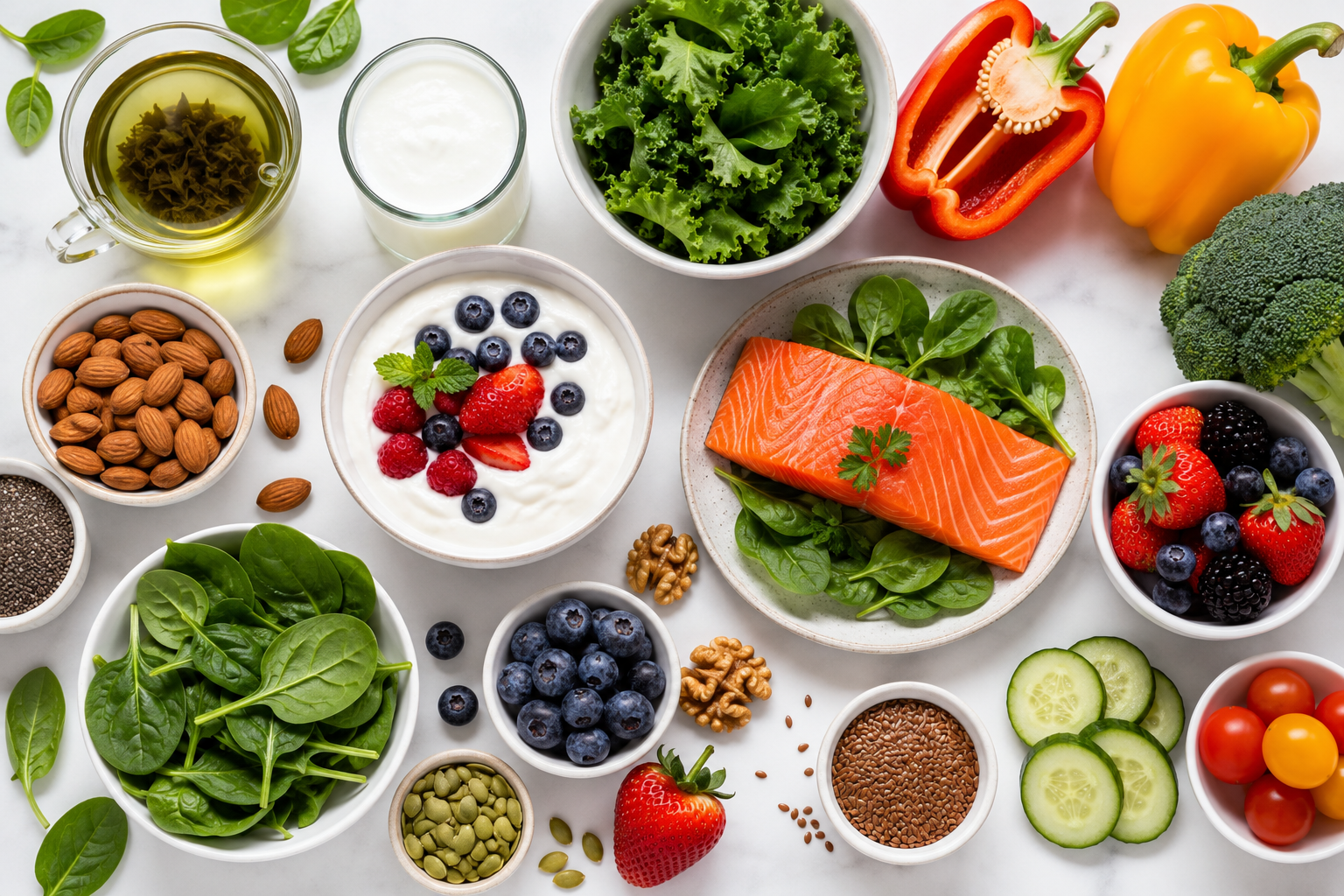
Food serves as fuel for oral microorganisms. Different nutrients selectively promote the growth of different bacterial communities. Fiber-rich vegetables stimulate chewing and saliva production, while dairy products provide calcium and phosphates that help maintain healthy teeth. Polyphenol-rich foods such as berries and green tea may also support a healthier microbial environment by influencing bacterial activity.

In contrast, sugary beverages, candies, sticky snacks, and refined carbohydrates provide readily available energy for acid-producing bacteria. Frequent snacking prolongs acid attacks on tooth enamel and reduces the mouth's ability to recover between meals.

Research also indicates that dietary diversity contributes to microbial diversity. Individuals consuming balanced diets rich in whole foods generally exhibit healthier oral microbial communities compared with those whose diets rely heavily on processed foods.

Ultimately, nutrition does not act alone. Daily brushing, flossing, regular professional dental care, adequate hydration, and healthy lifestyle habits work together with a balanced diet to create an oral environment where beneficial bacteria can thrive.

Build a Stronger Foundation for Better Oral Health

Want to learn how oral probiotics, nutrition, daily habits, and evidence-based strategies work together to support healthy gums, fresher breath, and a balanced oral microbiome?

Read the Ultimate Oral Health Guide →


Foods That Support a Healthy Oral Microbiome

A healthy oral microbiome depends on more than avoiding sugar. It also requires a steady supply of nutrients, plant compounds, minerals, and whole foods that help create a more balanced environment inside the mouth. No single food can prevent gum disease, cavities, or bad breath, but consistent dietary patterns may influence saliva production, bacterial activity, inflammation, and the strength of teeth and gums.

The most supportive eating pattern is generally built around vegetables, minimally processed foods, adequate protein, healthy fats, and limited exposure to added sugars. The foods below can complement brushing, flossing, tongue cleaning, hydration, and regular professional dental care.

Fiber-Rich Vegetables

Vegetables such as carrots, celery, broccoli, cauliflower, and bell peppers require more chewing than soft, processed foods. Chewing stimulates saliva, which helps dilute acids, move food particles, and support the mouth’s natural cleansing process.

Their fiber content also supports a more nutrient-dense diet while reducing reliance on refined snacks. Although crunchy vegetables do not replace brushing, they can be a tooth-friendly choice between meals when compared with sticky candy, cookies, or sweetened bars.

Leafy Greens

Spinach, kale, arugula, collard greens, and other leafy vegetables provide folate, vitamin C, magnesium, and plant antioxidants. These nutrients contribute to normal tissue maintenance and may support the body’s response to everyday inflammation.

Leafy greens are also low in added sugar and can be combined with eggs, beans, fish, yogurt-based dressings, or nuts to create balanced meals that are more favorable for oral and overall health.

Fermented Foods

Fermented foods include yogurt, kefir, certain cheeses, sauerkraut, kimchi, and other traditionally cultured products. Some contain live microorganisms, while others mainly provide fermentation-derived compounds.

Researchers are studying whether selected fermented foods can influence microbial diversity in the mouth. Results remain dependent on the food, microbial strain, sugar content, and individual health status. Unsweetened products are generally preferable because added sugars may counteract potential oral-health benefits.

Yogurt

Plain yogurt can provide protein, calcium, phosphorus, and, in some varieties, live bacterial cultures. Calcium and phosphorus are important minerals for teeth, while protein contributes to normal tissue maintenance.

Choose plain or low-sugar yogurt whenever possible. Flavored yogurts may contain significant amounts of added sugar. A practical option is to add fresh berries, seeds, cinnamon, or chopped nuts rather than relying on heavily sweetened varieties.

Kefir

Kefir is a fermented milk drink that often contains a broader range of cultures than standard yogurt. It may also provide calcium, protein, and other nutrients, depending on the product.

Because kefir can be naturally tart, many commercial versions are heavily sweetened. Reading the nutrition label is important. Plain kefir can be blended with berries or consumed with meals to reduce the need for added sweeteners.

Cheese

Cheese provides calcium, protein, and phosphorus. Some varieties may also help stimulate saliva when eaten as part of a meal. Unlike many sweet desserts, cheese generally contains little fermentable sugar.

Portion size still matters because cheese can be high in sodium and saturated fat. It should be viewed as one element of a balanced diet, not as a treatment for cavities or gum disease.

Nuts

Almonds, walnuts, pistachios, and other unsweetened nuts provide protein, healthy fats, minerals, and plant compounds. They are usually lower in fermentable carbohydrates than crackers, chips, cookies, and many snack bars.

Nuts can be especially useful as a snack replacement for adults who frequently reach for sugary foods. People with sensitive teeth, dental restorations, chewing difficulties, or nut allergies should choose appropriate alternatives.

Seeds

Chia, flax, pumpkin, sesame, and sunflower seeds provide fiber, minerals, healthy fats, and plant-based nutrients. Ground flaxseed and chia seeds can be added to yogurt, oatmeal, smoothies, or salads.

Because small seeds may become trapped between teeth or around dental work, rinsing with water and maintaining consistent flossing or interdental cleaning is important.

Green Tea

Green tea contains polyphenols, including catechins, that are widely studied for their antioxidant and microbial effects. Unsweetened green tea may be a better beverage choice than soda, sweet tea, or energy drinks.

Tea is not a substitute for professional dental care, and excessive consumption may contribute to staining in some people. Drinking water afterward can help reduce residue and maintain hydration.

Polyphenol-Rich Foods

Berries, grapes, cocoa, apples, herbs, spices, and colorful vegetables contain polyphenols. These plant compounds are being studied for their potential influence on oxidative stress, inflammation, and microbial behavior.

Whole fruits are generally preferable to juices because they contain fiber and are consumed more slowly. Fruit juice exposes teeth to concentrated natural sugars and acids, especially when sipped repeatedly throughout the day.

Omega-3 Foods

Fatty fish such as salmon, sardines, trout, and mackerel provide omega-3 fatty acids, protein, and vitamin D. Walnuts, chia seeds, and flaxseed offer plant-based omega-3 fats.

Omega-3-rich foods are commonly included in eating patterns associated with cardiovascular and metabolic health. Researchers are also evaluating their relationship with inflammatory processes affecting gum tissues, although they should not be considered a replacement for periodontal treatment.

A Simple Oral-Microbiome-Friendly Plate

You do not need a highly restrictive diet to support oral health. A practical meal can include:

  • Half the plate filled with vegetables or leafy greens.
  • A source of protein such as fish, eggs, beans, poultry, or plain yogurt.
  • A moderate serving of whole grains or another minimally processed carbohydrate.
  • Healthy fats from nuts, seeds, avocado, or olive oil.
  • Water or unsweetened tea instead of sugary beverages.

Meal frequency also matters. Constant snacking can repeatedly expose teeth to acids, even when individual portions seem small. Allowing time between meals gives saliva an opportunity to neutralize acids and support enamel recovery. When snacks are needed, nuts, cheese, vegetables, plain yogurt, or other minimally sweetened choices may be more supportive than sticky or refined carbohydrate-based foods.

Ultimately, a diet that supports the oral microbiome is not based on one miracle ingredient. It is a consistent pattern centered on whole foods, hydration, dietary variety, and limited added sugar. Combined with brushing twice daily, flossing, tongue cleaning, and routine dental care, these choices can help create a more favorable environment for teeth, gums, saliva, and oral microorganisms.

Important: Foods and fermented products may affect people differently. Individuals with lactose intolerance, allergies, kidney disease, swallowing problems, diabetes, or specific dietary restrictions should discuss major dietary changes with a qualified healthcare professional.
```

Nutrients That Matter for Oral Health

The oral microbiome does not exist separately from the rest of the body. Teeth, gums, saliva, immune defenses, and oral tissues all depend on adequate nutrition. While vitamins and minerals do not directly “eliminate” harmful oral bacteria, they help maintain the physical environment in which a balanced microbial community can develop.

Nutrient deficiencies may affect tissue repair, immune function, saliva quality, bone maintenance, and gum resilience. For most people, the best approach is to obtain nutrients through a varied, minimally processed diet rather than relying exclusively on supplements. The following nutrients are especially relevant to teeth, gums, and overall oral wellness.

Calcium

Calcium is a structural mineral found in teeth and bones. It contributes to maintaining the mineral density of the jaw and supports the hardness of tooth enamel. Saliva also carries calcium that can participate in the natural remineralization process after temporary acid exposure.

A diet that consistently lacks calcium may make it more difficult for the body to maintain strong mineralized tissues. However, calcium alone cannot reverse cavities or substitute for fluoride, brushing, flossing, or professional dental care.

Food sources: Milk, plain yogurt, kefir, cheese, calcium-fortified plant beverages, canned sardines, tofu prepared with calcium, almonds and leafy greens.

Vitamin D

Vitamin D helps the body absorb and regulate calcium and phosphorus. These minerals are essential for maintaining teeth, bones, and the jaw structures that support the mouth.

Vitamin D is also involved in normal immune function. Because gum health depends partly on how the body responds to microbial challenges, researchers continue to study the relationship between vitamin D status and periodontal health. Current evidence does not mean that high-dose supplementation can treat gum disease.

Food sources: Salmon, sardines, trout, egg yolks, fortified milk, fortified plant beverages and selected fortified cereals.

Vitamin C

Vitamin C is required for normal collagen formation. Collagen is an important structural protein in gums, connective tissues, blood vessels, and the tissues that help anchor teeth.

Adequate vitamin C intake also contributes to antioxidant defenses and normal wound healing. Severe deficiency can negatively affect gum tissue, but taking excessive vitamin C does not replace treatment for bleeding gums, gingivitis, or periodontal disease.

Some vitamin C-rich foods are acidic. Whole fruits are generally preferable to sipping fruit juice throughout the day, which can repeatedly expose enamel to sugar and acid.

Food sources: Bell peppers, broccoli, strawberries, oranges, kiwi, tomatoes, Brussels sprouts and leafy vegetables.

Magnesium

Magnesium participates in hundreds of processes throughout the body, including bone metabolism, muscle function, energy production, and mineral regulation. It works alongside calcium and vitamin D in maintaining normal skeletal tissues.

Because the jawbone supports the teeth, a nutrient pattern that contributes to overall bone health is also relevant to long-term oral function. Magnesium should be obtained as part of a balanced diet rather than viewed as a direct treatment for oral bacteria.

Food sources: Pumpkin seeds, almonds, spinach, black beans, avocado, whole grains, dark chocolate with limited added sugar and other minimally processed plant foods.

Zinc

Zinc supports normal immune function, protein synthesis, tissue repair, taste perception, and wound healing. It is also present in saliva and has been studied for its interaction with oral microorganisms and volatile compounds associated with bad breath.

Some oral-care products include zinc compounds, but dietary zinc and topical dental ingredients serve different purposes. Excessive zinc intake can interfere with copper balance and may cause unwanted effects, so high-dose supplements should not be used casually.

Food sources: Oysters, beef, poultry, dairy products, beans, chickpeas, pumpkin seeds, cashews and fortified foods.

Food First, Supplements When Appropriate

Supplements may be appropriate when a deficiency has been identified or when a healthcare professional recommends them. However, more is not always better. High doses of certain nutrients can interact with medications or create health risks.

A varied diet containing vegetables, fruit, protein, dairy or suitable alternatives, nuts, seeds, whole grains and healthy fats is generally the most practical foundation for supporting teeth, gums and the oral microbiome.

Healthy Foods vs. Foods That May Harm the Oral Microbiome

Foods do not fit perfectly into “good” and “bad” categories. Frequency, portion size, preparation method, added sugar, acidity, oral hygiene, saliva flow, and the overall dietary pattern all matter. The comparison below highlights choices that are generally more supportive and those that are best limited.

CategoryMore Supportive ChoicesChoices to Limit
Vegetables Fiber-rich vegetables
Carrots, celery, broccoli, leafy greens and bell peppers encourage chewing, support saliva flow and add valuable nutrients.
Heavily processed vegetable snacks
Chips and flavored crisps may contain refined starches, sodium and ingredients that remain on tooth surfaces.
Fruit Whole fruit
Berries, apples, pears and citrus consumed with meals provide fiber, vitamins and polyphenols.
Juice and sticky dried fruit
Juice concentrates sugar and acid, while dried fruit may cling to teeth and prolong sugar exposure.
Dairy and Alternatives Plain yogurt, kefir and cheese
These foods may provide protein, calcium, phosphorus and, in some products, live cultures.
Sweetened dairy products
Flavored yogurt, milkshakes and sweetened fermented drinks may contain substantial added sugar.
Drinks Water and unsweetened tea
Water supports hydration and saliva, while unsweetened green tea provides plant polyphenols.
Soda and energy drinks
These beverages are often acidic and may contain large amounts of added sugar.
Snacks Nuts, seeds, cheese and raw vegetables
These choices are generally lower in added sugar than cookies, candy and sweetened snack bars.
Sticky and sugary snacks
Candy, cookies, gummies and caramel can provide repeated fuel for acid-producing bacteria.
Carbohydrates Whole and minimally processed foods
Beans, lentils, oats and whole grains provide fiber and digest more slowly than refined snacks.
Refined starches
Crackers, white bread and certain processed snacks can break down into sugars and become trapped around teeth.
Protein and Fats Fish, eggs, beans and healthy fats
Salmon, sardines, eggs, legumes, avocado and olive oil supply protein and important nutrients.
Frequently processed meals
Ultra-processed meals may be high in refined starch, sodium, added sugar and low in dietary variety.
Eating Pattern Structured meals
Eating balanced meals and allowing breaks between them gives saliva time to help neutralize acids.
Constant grazing
Frequent snacking repeatedly exposes teeth to carbohydrates and extends periods of acidity.

The practical takeaway: build most meals around whole vegetables, adequate protein, healthy fats, unsweetened dairy or suitable alternatives, nuts, seeds and water. Limit how often teeth are exposed to sugary, sticky and acidic products.

It is not necessary to remove every enjoyable food. Consuming sweets occasionally with a meal is generally more tooth-friendly than sipping or snacking on sugary products repeatedly throughout the day. After acidic foods or drinks, rinsing with water and waiting before brushing may help avoid brushing temporarily softened enamel.

```

Support Your Oral Microbiome from the Inside Out

A balanced diet provides the foundation for healthy gums, fresher breath, and a diverse oral microbiome. Some adults also choose oral health supplements as part of their daily wellness routine. If you're exploring your options, these are two of the most popular products available today.

Affiliate Disclosure: This page contains affiliate links. If you purchase through these links, we may earn a commission at no additional cost to you. This helps support our research and educational content.
🦷

ProDentim

A daily oral probiotic formula designed to support a balanced oral microbiome, healthy gums, fresher breath, and overall oral wellness when combined with proper brushing, flossing, and regular dental care.

Learn More About ProDentim →

ProvaDent

A nutritional oral health formula featuring plant-based ingredients that may complement a healthy lifestyle by supporting gum health, fresh breath, and a balanced oral environment alongside good daily oral hygiene.

Discover ProvaDent →
Remember: No supplement replaces a nutritious diet, daily brushing, flossing, adequate hydration, or routine dental checkups. The best results come from combining healthy lifestyle habits with consistent oral care.

Foods That Can Harm Your Oral Microbiome

The oral microbiome is resilient, but repeated exposure to certain foods and beverages can create conditions that favor acid-producing, inflammation-associated, or plaque-forming microorganisms. This does not mean that one dessert or occasional soft drink will permanently damage your oral bacteria. The greater concern is a consistent dietary pattern involving frequent sugar exposure, acidic drinks, sticky snacks, and heavily processed foods.

Each time oral bacteria metabolize fermentable carbohydrates, they can produce acids that temporarily lower the pH of dental plaque. Saliva normally helps neutralize these acids and supplies minerals involved in enamel recovery. However, constant snacking or sipping may not give the mouth enough time to return to a more neutral environment.

Important distinction: the frequency and duration of exposure often matter as much as the total amount consumed. Slowly sipping a sugary or acidic drink for several hours may expose teeth more frequently than consuming the same drink with one meal.

Sugar

Feeds acid-producing bacteria

Added sugar is one of the best-known dietary factors associated with tooth decay. Bacteria within dental plaque can rapidly use sugars such as sucrose, glucose, and fructose as an energy source. During this process, they release acids that lower the local pH around tooth surfaces.

When this acidic environment occurs repeatedly, minerals may be lost from enamel faster than saliva can replace them. Sugar also contributes to the formation of sticky extracellular substances that help certain bacteria attach to teeth and build a more organized biofilm.

Common sources include sweetened coffee, breakfast cereals, pastries, flavored yogurt, sauces, desserts, and packaged foods that may not initially taste extremely sweet.

Practical strategy: check labels for added sugars, consume sweets with meals rather than grazing throughout the day, and choose water afterward.

Sticky Candies

Prolonged contact with teeth

Gummies, caramel, taffy, fruit chews, and similar candies are particularly challenging because they can adhere to grooves, dental restorations, and spaces between teeth. This extended contact gives plaque bacteria more time to metabolize the available carbohydrates.

Products marketed as fruit snacks or vitamin gummies can create similar concerns when they contain sugar and stick to tooth surfaces. Their health-oriented packaging does not necessarily make them tooth-friendly.

Hard candy can also increase exposure because it dissolves slowly. Biting very hard candy may additionally damage weakened teeth, fillings, crowns, or other dental work.

Practical strategy: when choosing a sweet treat, options that clear from the mouth more quickly may be preferable to sticky products. Brush and floss consistently, but avoid brushing immediately after highly acidic foods.

Soda

Sugar plus dietary acids

Regular soda combines two major oral-health challenges: added sugar and acidity. Sugar supplies fermentable fuel for oral bacteria, while acids in the beverage can directly contribute to enamel erosion. This combination may be especially damaging when soda is consumed frequently between meals.

Sugar-free soda removes much of the sugar-related risk, but it can still be acidic. Therefore, “diet” does not automatically mean harmless to enamel. Drinking soda slowly, swishing it around the mouth, or holding it against the teeth increases contact time.

Dark-colored sodas may also contribute to staining. Individuals with dry mouth can be more vulnerable because reduced saliva provides less buffering and less natural cleansing.

Practical strategy: reserve soda for occasional use with meals, avoid sipping it over long periods, and rinse with plain water afterward.

Energy Drinks

Often highly acidic

Energy drinks are frequently high in sugar and may have a low pH. Even sugar-free varieties can contain acids and flavoring agents that expose enamel to erosive conditions. Because these drinks are often consumed slowly during work, study, sports, or driving, the exposure can continue for an extended period.

Caffeine may also be relevant for people who already experience dry mouth, although individual responses vary. Reduced saliva flow can make it harder to neutralize acids and clear food debris.

Sports drinks may present a similar issue. They can be useful in limited athletic situations, but routine consumption without a clear need may unnecessarily increase sugar and acid exposure.

Practical strategy: use water as the primary hydration beverage. When an energy or sports drink is consumed, avoid holding it in the mouth and follow it with water.

Alcohol

Dryness, acidity and lifestyle effects

Alcohol can influence oral health through several pathways. Some alcoholic beverages are acidic or contain added sugar, while alcohol itself may contribute to oral dryness. Reduced saliva can allow food debris, acids, and odor-producing compounds to remain in the mouth longer.

Sweet cocktails, flavored alcoholic beverages, and drinks mixed with soda may combine alcohol, sugar, and acidity. Frequent alcohol use can also be associated with poorer dietary choices, inconsistent oral hygiene, or delayed dental care.

Heavy alcohol consumption is a significant health concern and is associated with increased oral disease risks. People who combine alcohol with smoking may face additional oral-health consequences.

Practical strategy: limit alcohol according to professional health guidance, avoid using it as a treatment for oral bacteria, and alternate alcoholic drinks with water.

Ultra-Processed Foods

Refined starches and low dietary diversity

Ultra-processed foods often contain combinations of refined starch, added sugar, sodium, flavor enhancers, and low amounts of natural fiber. Examples may include packaged pastries, cookies, sweetened cereals, chips, instant meals, and many highly refined snack products.

Refined starches can break down into simpler carbohydrates and become trapped in grooves or between teeth. Soft processed foods may also require less chewing than vegetables, nuts, or other whole foods, resulting in less saliva stimulation during a meal.

A diet dominated by ultra-processed products may reduce the variety of fibers, minerals, and plant compounds that support oral and overall health. The concern is not one packaged food, but a pattern in which these products replace vegetables, protein, whole grains, and nutrient-rich foods.

Practical strategy: compare ingredient lists, prioritize minimally processed meals, and replace one packaged snack at a time with nuts, vegetables, plain yogurt, cheese, or whole fruit.

Why Eating Frequency Matters

Oral bacteria respond every time fermentable carbohydrates enter the mouth. After eating, plaque pH may temporarily fall as bacterial acids are produced. Saliva then works to raise the pH and support enamel remineralization. Frequent snacking can repeatedly restart this cycle before the mouth has fully recovered.

This is why a person who slowly consumes small amounts of sugar all day may experience more repeated acid exposure than someone who eats a dessert once with a balanced meal.

  • Eat balanced meals rather than grazing continuously.
  • Keep sugary and acidic foods to defined occasions.
  • Drink water between meals.
  • Avoid going to sleep immediately after consuming sugary drinks.
  • Use sugar-free gum when appropriate to stimulate saliva.

Restriction Is Not the Goal

Supporting the oral microbiome does not require eliminating every favorite food. Extremely restrictive diets can be difficult to maintain and may lead to nutrient gaps. A more realistic approach is to reduce the frequency of foods that create long periods of sugar or acid exposure.

Enjoying dessert occasionally with a meal, choosing water as the primary drink, and returning to consistent brushing and interdental cleaning can be more sustainable than trying to follow a perfect diet. Adults with diabetes, dry mouth, frequent cavities, enamel erosion, or periodontal disease may require individualized dietary and dental guidance.

Key takeaway: sugar, sticky candy, soda, energy drinks, alcohol, and ultra-processed foods do not harm the oral microbiome in exactly the same way. Their effects depend on acidity, sugar content, frequency, contact time, saliva flow, and overall oral-care habits. Reducing repeated exposure is one of the most practical dietary steps for supporting healthier teeth, gums, and oral bacteria.
```

Oral Dysbiosis Explained

Oral dysbiosis describes a shift from a relatively balanced microbial community toward one in which potentially harmful organisms gain a greater advantage. The mouth normally contains hundreds of microbial species, and many of them coexist without causing disease. The goal is not to remove every bacterium, but to maintain an environment in which no harmful group becomes dominant.

Diet can contribute to dysbiosis when it repeatedly supplies fast, fermentable carbohydrates, creates long periods of acidity, reduces dietary diversity, or contributes to dry mouth. These conditions can change which organisms grow most successfully on the teeth, tongue, gums, and other oral surfaces.

1 Frequent Sugar Exposure Oral bacteria receive repeated access to rapidly fermentable fuel.
2 Acid Production Bacterial metabolism lowers plaque pH around tooth surfaces.
3 Microbial Selection Acid-tolerant organisms gain an advantage over less tolerant species.
4 Greater Oral Risk The environment may become more favorable to plaque, decay, or inflammation.

Dysbiosis does not usually happen because of one meal. It is more often associated with repeated habits acting over time. These may include frequent snacking, sugary drinks, smoking, inadequate plaque removal, reduced saliva, high stress, certain medications, and irregular dental care.

A healthier dietary pattern may help reduce some of the pressures that favor dysbiosis, but nutrition alone cannot remove hardened tartar or treat established periodontal disease. Persistent bleeding gums, tooth pain, swelling, loose teeth, or ongoing bad breath should be evaluated by a dental professional.

How Nutrition Changes Saliva

Saliva Is One of the Mouth’s Main Defense Systems

Saliva is far more than moisture. It helps lubricate oral tissues, support swallowing and speech, carry minerals, clear food particles, and neutralize acids. It also contains proteins, enzymes, and immune components that influence microbial activity.

Nutrition affects saliva through hydration, chewing, nutrient intake, acidity, caffeine exposure, alcohol use, and meal composition. Crunchy, fibrous foods tend to stimulate more chewing and saliva than very soft, highly processed foods. Water supports hydration, while frequent alcohol intake or inadequate fluid consumption may contribute to oral dryness.

  • Water supports normal fluid balance and saliva production.
  • Chewing fibrous foods encourages natural salivary flow.
  • Mineral-rich foods contribute nutrients used throughout the body.
  • Frequent acidic drinks can challenge saliva’s buffering capacity.
  • Excessive caffeine may worsen dryness in susceptible individuals.
  • Low-calorie restrictive diets may reduce overall nutrient intake.

Saliva flow varies considerably from person to person. Medications, diabetes, autoimmune conditions, cancer treatment, aging, mouth breathing, and dehydration can all influence it. Therefore, a person with persistent dry mouth may need more than dietary changes.

Diet and Gum Health

Gum Tissues Depend on Both Plaque Control and Nutrition

Gum disease begins with a microbial biofilm near the gumline, but the body’s inflammatory response also plays an important role. Diet can influence gum health indirectly by affecting immune function, tissue repair, blood sugar control, and the availability of nutrients needed to maintain connective tissues.

Foods that provide vitamin C, protein, omega-3 fats, zinc, magnesium, and plant antioxidants can contribute to a nutritionally complete eating pattern. Vegetables, berries, fish, legumes, eggs, plain dairy foods, nuts, and seeds are practical examples.

In contrast, a dietary pattern dominated by refined carbohydrates, sugary drinks, and ultra-processed foods may promote more plaque-forming conditions and may also be associated with poorer metabolic health. People with poorly controlled blood sugar can face a higher risk of gum problems and slower healing.

Nutrition should complement—not replace—mechanical plaque removal. Brushing twice daily with fluoride toothpaste, cleaning between teeth, and receiving professional periodontal care when needed remain the foundation of gum-disease prevention and management.

Diet and Dry Mouth

Dry Mouth Can Change the Oral Environment Quickly

Dry mouth, also called xerostomia, occurs when there is not enough saliva to keep the mouth comfortably moist. Because saliva helps clear sugars, buffer acids, and control microbial growth, reduced saliva may increase the risk of cavities, bad breath, oral discomfort, and difficulty eating.

Diet can either reduce or worsen these challenges. Water-rich foods, soups, plain yogurt, soft vegetables, and sauces without excessive sugar may make meals easier to eat. Very salty, dry, spicy, acidic, or heavily processed foods may cause discomfort in some people.

Alcohol, tobacco, and repeated consumption of caffeinated or acidic beverages may worsen symptoms for susceptible individuals. Sugar-free chewing gum or lozenges may help stimulate saliva when appropriate, but they are not suitable for everyone.

Seek professional guidance: persistent dry mouth should not be ignored. It may be related to medications, dehydration, diabetes, autoimmune disease, cancer treatment, or other health conditions. A dentist or physician can help identify the cause and recommend suitable management.

Daily Meal Tips for a Healthier Oral Microbiome

A supportive eating pattern does not require complicated recipes or a perfect menu. The goal is to reduce repeated sugar exposure, improve food variety, maintain hydration, and include nutrients that support teeth, gums, saliva, and overall health.

Morning

Begin the day with a meal that contains protein, fiber, and limited added sugar. This may help reduce reliance on pastries, sweetened cereals, or repeated sugary coffee drinks.

  • Plain yogurt or kefir with berries, chia seeds, and nuts.
  • Eggs with spinach, tomatoes, or other vegetables.
  • Oatmeal without excessive sweeteners.
  • Water alongside coffee or tea.
  • Avoid sipping sweetened coffee throughout the entire morning.

Lunch

Build lunch around vegetables, protein, and a minimally processed carbohydrate. Balanced meals are generally more satisfying and may reduce frequent snacking later in the day.

  • Leafy-green salad with chicken, fish, eggs, beans, or tofu.
  • Whole-grain bread or brown rice in moderate portions.
  • Olive oil, avocado, nuts, or seeds for healthy fats.
  • Water or unsweetened tea instead of soda.
  • Whole fruit rather than juice as a sweet finish.

Dinner

Dinner can reinforce the same pattern: vegetables, adequate protein, healthy fats, and fewer highly refined side dishes. Eating earlier when possible may also reduce late-night snacking.

  • Salmon, sardines, poultry, legumes, or another protein source.
  • Roasted, steamed, or sautéed vegetables.
  • Beans, lentils, quinoa, or a moderate whole-grain serving.
  • Plain yogurt or fruit instead of sticky desserts.
  • Finish eating before brushing for the night.

Snacks

Snacks are not automatically harmful, but frequent grazing can increase the number of daily acid attacks. Choose foods that are lower in added sugar and less likely to remain attached to teeth.

  • Unsalted nuts or seeds.
  • Cheese with vegetables.
  • Plain yogurt with berries.
  • Apple slices paired with nuts or cheese.
  • Avoid making gummies, candy, and crackers routine snacks.

Hydration

Water should be the primary beverage throughout the day. It supports saliva production, helps clear food particles, and reduces the need for sugary or acidic drinks.

  • Drink water with meals and between meals.
  • Rinse with water after coffee, tea, soda, wine, or acidic foods.
  • Carry a reusable bottle if you frequently forget to drink.
  • Limit continuous sipping of sweetened or acidic beverages.
  • Discuss persistent thirst or dry mouth with a healthcare professional.

A Simple Daily Nutrition Pattern

  • Choose water as the default beverage.
  • Include vegetables in at least two meals.
  • Add a reliable protein source to each main meal.
  • Use fruit, nuts, seeds, or plain dairy foods for snacks.
  • Keep sugary and acidic foods to limited, defined occasions.
  • Avoid constant grazing and late-night snacking after brushing.
  • Combine nutrition with daily brushing, flossing, and dental visits.
```
Practical Daily Routine

Daily Nutrition Checklist for a Healthier Oral Microbiome

Use this simple checklist to build eating habits that support saliva, healthy gums, stronger teeth, and a more balanced oral environment. You do not need to complete every item perfectly. Consistency matters more than perfection.

Choose Water as Your Main Beverage Drink water with meals and throughout the day to support hydration, saliva flow, acid buffering, and natural food-particle clearance.
Include Vegetables in at Least Two Meals Use leafy greens, broccoli, carrots, peppers, cauliflower, or other fiber-rich vegetables to increase chewing and dietary variety.
Add a Reliable Protein Source Include fish, eggs, poultry, beans, lentils, tofu, plain yogurt, kefir, or another suitable protein source with main meals.
Eat Calcium-Rich Foods Choose plain dairy products or appropriate fortified alternatives to support the mineral needs of teeth and bones.
Include Vitamin C-Rich Produce Add bell peppers, broccoli, berries, kiwi, tomatoes, citrus, or leafy greens to support normal collagen formation and gum tissues.
Choose Whole Fruit More Often Than Juice Whole fruit provides fiber and is generally consumed more slowly, while juice can expose teeth to concentrated sugars and acids.
Add Nuts or Seeds When Appropriate Almonds, walnuts, pumpkin seeds, chia, and flax can provide minerals, fiber, healthy fats, and a lower-sugar snack option.
Choose Unsweetened Fermented Foods Plain yogurt or kefir may provide protein, calcium, and live cultures without the added sugar found in many flavored products.
Limit Sugary and Sticky Snacks Reduce routine exposure to gummies, caramel, cookies, pastries, sweetened bars, and other foods that may remain around teeth.
Avoid Constant Grazing Allow time between meals so saliva can help neutralize acids instead of repeatedly restarting the acid-production cycle.
Keep Acidic Drinks to Defined Occasions Avoid slowly sipping soda, energy drinks, sweet tea, or acidic beverages over several hours.
Rinse With Water After Acidic Foods Water can help clear residue after coffee, wine, citrus, soda, or acidic meals. Avoid brushing immediately after intense acid exposure.
Monitor Dry Mouth Symptoms Notice persistent thirst, sticky saliva, difficulty swallowing, burning sensations, or frequent nighttime dryness.
Finish Eating Before Nighttime Brushing After brushing and cleaning between teeth at night, avoid returning to sugary snacks or beverages before sleep.
Pair Nutrition With Daily Oral Hygiene Brush twice daily with fluoride toothpaste, clean between teeth, and clean the tongue as part of a complete routine.
Schedule Regular Dental Visits Nutrition can support oral health, but it cannot remove tartar, diagnose disease, repair cavities, or replace professional care.

Simple Weekly Goals

Instead of changing everything at once, choose two or three realistic improvements each week.

  • Replace one sugary drink per day with water.
  • Add vegetables to one additional meal.
  • Choose plain yogurt instead of a heavily sweetened dessert.
  • Replace one packaged snack with nuts, cheese, or whole fruit.
  • Prepare fish, beans, lentils, or another nutrient-rich protein.
  • Reduce late-night snacking after brushing.
Personalization matters: people with diabetes, kidney disease, food allergies, swallowing difficulties, dry mouth, dental restorations, chewing problems, or prescribed dietary restrictions may require individualized guidance. Discuss significant dietary changes with a qualified healthcare professional.
```

Scientific Evidence

Over the past decade, scientific interest in the oral microbiome has grown rapidly. Researchers now recognize that oral health is influenced not only by brushing and flossing but also by diet, saliva, lifestyle, immune function, and the balance of microorganisms naturally living inside the mouth.

Rather than focusing on eliminating all bacteria, current research emphasizes maintaining a balanced oral ecosystem. Scientists increasingly describe oral diseases as conditions associated with microbial imbalance, or oral dysbiosis, rather than simply the presence of a single harmful microorganism. Recent reviews also highlight that dietary patterns—not just individual nutrients—can influence this ecological balance.

Diet Shapes the Oral Microbial Environment

Modern dietary research suggests that people consuming diets rich in vegetables, legumes, whole foods, healthy fats, and minimally processed ingredients generally show oral microbial profiles that differ from those associated with diets high in refined carbohydrates and added sugars.

Emerging evidence indicates that Mediterranean-style dietary patterns may be associated with a lower abundance of several bacteria linked to periodontal disease. However, researchers also note that the overall diversity of the oral microbiome is influenced by many factors—including oral hygiene, genetics, medications, smoking, and saliva production—making nutrition only one part of a much larger picture.

Fermented Foods Continue to Receive Scientific Attention

Fermented foods such as yogurt, kefir, and certain traditional fermented vegetables have become an important area of microbiome research. These foods may contribute microorganisms and fermentation-derived compounds that interact with both the oral and gut microbiota.

Recent scientific reviews conclude that fermented foods may support microbial diversity and oral health as part of an overall healthy dietary pattern. However, benefits depend on the specific food, its microbial composition, added sugar content, and an individual's health status. More high-quality clinical trials are still needed before definitive recommendations can be made.

Oral Probiotics Are Promising—But Not a Miracle Solution

Oral probiotic research has expanded considerably during the last few years. Umbrella reviews and narrative reviews suggest that selected probiotic strains may help reduce certain markers related to plaque accumulation, gum inflammation, cariogenic bacteria, or bad breath in some individuals.

At the same time, researchers consistently emphasize that probiotic products should be viewed as adjuncts—not replacements—for brushing, flossing, fluoride use, healthy nutrition, and regular professional dental care. Clinical outcomes vary depending on bacterial strains, dosage, treatment duration, and individual oral conditions.

Nutrition Supports the Whole Oral Ecosystem

Current evidence increasingly supports viewing oral health from an ecological perspective. Instead of concentrating on a single nutrient or one "superfood," researchers recommend dietary patterns rich in fiber, colorful vegetables, fruit, healthy fats, lean protein, and adequate hydration.

Such dietary habits appear more likely to support healthy saliva production, provide essential vitamins and minerals, reduce frequent sugar exposure, and create an environment that is generally more favorable for maintaining microbial balance over time. These lifestyle habits are also associated with broader health benefits beyond the mouth.

Overall Scientific Consensus

The available evidence supports the idea that nutrition influences oral health through multiple interconnected pathways. Diet affects saliva, immune responses, nutrient availability, and the ecological balance of the oral microbiome. However, no single food, supplement, or dietary strategy can prevent or cure dental disease on its own. Maintaining long-term oral health requires a combination of balanced nutrition, consistent oral hygiene, regular dental care, and healthy lifestyle habits. Current research continues to evolve, and future well-designed clinical trials will help clarify the specific roles of dietary patterns, fermented foods, and oral probiotics in promoting oral microbiome health.

```

What Current Research Suggests

Although scientists continue to investigate how nutrition shapes the oral microbiome, several themes appear consistently across recent systematic reviews and clinical studies. Rather than identifying one “perfect” food or supplement, the evidence supports maintaining an overall dietary pattern that encourages microbial balance while limiting conditions that promote prolonged acid production and oral dysbiosis. Recent reviews also emphasize that dietary patterns, rather than isolated nutrients, are likely to have the greatest long-term influence on the oral microbial ecosystem.

Balanced Diets Matter Most

Current evidence suggests that dietary patterns rich in vegetables, fruit, whole grains, legumes, healthy fats, and minimally processed foods may support a healthier oral environment than diets dominated by refined carbohydrates and added sugars. The strongest evidence favors overall dietary quality rather than any single “superfood.”

Saliva Plays a Central Role

Researchers increasingly recognize saliva as one of the mouth's primary protective systems. Adequate hydration, chewing fibrous foods, and reducing frequent acidic beverages may help preserve saliva's natural buffering and cleansing functions.

Less Frequent Sugar Exposure Is Beneficial

Evidence consistently indicates that repeated exposure to free sugars encourages prolonged acid production within dental plaque. Reducing how often sugar is consumed may be as important as reducing the total amount consumed.

Nutrition Complements Oral Hygiene

Healthy eating alone cannot remove plaque, prevent every cavity, or treat periodontal disease. Brushing twice daily with fluoride toothpaste, cleaning between teeth, and attending regular dental checkups remain essential components of oral health.

Common Myths About Diet and Oral Health

Myth #1 — Sugar Is the Only Cause of Tooth Decay

While added sugar is a major contributor, tooth decay develops through a combination of factors including oral bacteria, saliva flow, fluoride exposure, meal frequency, oral hygiene, genetics, and overall diet.

Evidence: Modern research describes dental caries as a multifactorial disease rather than the result of one ingredient alone.
Myth #2 — One Supplement Can Replace a Healthy Diet

No supplement has been shown to replace the broad nutritional benefits of a balanced eating pattern. Dietary variety supplies fiber, vitamins, minerals, healthy fats, and thousands of naturally occurring plant compounds that work together in ways individual supplements cannot fully replicate.

Evidence: Reviews consistently describe oral probiotics and nutritional supplements as potential adjuncts—not substitutes—for healthy eating and daily oral care.
Myth #3 — Fruit Should Be Avoided Because It Contains Sugar

Whole fruit contains natural sugars, but it also provides fiber, vitamins, antioxidants, water, and numerous beneficial phytochemicals. Current dietary guidelines continue to recommend whole fruit as part of a healthy eating pattern.

Evidence: Researchers emphasize overall dietary quality rather than eliminating nutritious foods that naturally contain sugars.
Myth #4 — If You Brush Well, Diet Doesn't Matter

Excellent brushing habits remain essential, but nutrition still influences saliva production, acid exposure, inflammation, nutrient availability, and microbial ecology. Good oral hygiene and healthy nutrition work together rather than replacing one another.

Evidence: Contemporary oral-health research views oral wellness as the result of multiple interacting lifestyle factors instead of one isolated behavior.
Myth #5 — Every Fermented Food Has the Same Effect

Fermented foods differ substantially in microbial composition, preparation methods, and nutritional value. Products high in added sugar may not provide the same nutritional profile as plain fermented dairy foods or traditionally fermented vegetables.

Evidence: Recent reviews conclude that fermented foods show promise, but their effects depend on the specific product and should be considered within the context of an overall healthy diet.
Bottom Line

The strongest scientific evidence does not support quick dietary fixes or miracle foods. Instead, it consistently points toward a sustainable eating pattern rich in minimally processed foods, adequate hydration, limited added sugars, and regular oral hygiene. When combined with routine dental care, these habits create the most favorable conditions for maintaining a balanced oral microbiome and supporting long-term oral health.

```

Who May Benefit Most from a Nutrition-Focused Oral Health Strategy?

A balanced diet that supports the oral microbiome can benefit people of all ages. However, certain groups may be more vulnerable to changes in the oral environment because of aging, medical conditions, lifestyle habits, medications, or reduced saliva production. While nutrition alone cannot prevent or treat every oral condition, healthy eating may complement good oral hygiene and professional dental care by supporting saliva, gum tissues, and the overall balance of oral microorganisms.

👨‍🦳

Adults Over 40

Natural aging may be accompanied by gradual changes in saliva production, immune function, medication use, and gum health. A nutrient-rich diet with adequate protein, vitamins, minerals, and hydration can help support healthy oral tissues as people grow older.

🚭

Smokers

Smoking alters the oral environment, affects blood flow to gum tissues, and is associated with an increased risk of periodontal disease and delayed healing. Although quitting tobacco provides the greatest benefit, improving dietary quality may support overall oral and general health during the process.

🩺

People Living with Diabetes

Blood sugar management and oral health are closely connected. Individuals with diabetes may face a higher risk of gum disease and slower healing, particularly when glucose levels are poorly controlled. A balanced diet should be coordinated with individualized medical and dental care.

💧

People with Dry Mouth

Reduced saliva can make it more difficult to neutralize acids, wash away food particles, and maintain a balanced oral microbiome. Staying hydrated, choosing water-rich foods, and discussing persistent dry mouth with a healthcare professional may help address the underlying cause.

😊

People with Persistent Bad Breath

Bad breath often has multiple causes, including tongue coating, dry mouth, gum disease, dietary habits, and certain medical conditions. Nutrition may help by supporting saliva and reducing frequent sugar exposure, but persistent halitosis should be professionally evaluated.

🦷

People with Frequent Cavities

Individuals who experience recurring tooth decay may benefit from reviewing how often sugary foods and acidic drinks are consumed. Reducing frequent sugar exposure while maintaining fluoride use and regular dental visits remains one of the most evidence-supported preventive strategies.

😁

Denture Users

People wearing partial or complete dentures should continue paying close attention to nutrition and oral hygiene. Cleaning dentures daily, staying hydrated, and consuming a balanced diet can help support the comfort of oral tissues and overall oral health. Dentures also require regular professional evaluation to ensure proper fit.

🌿

Anyone Seeking Better Long-Term Oral Health

Even individuals without obvious dental problems can benefit from consistent healthy eating habits. A varied diet, good hydration, effective plaque removal, and routine dental care work together to help maintain a healthier oral microbiome throughout life.

Key Takeaway

No single food, supplement, or eating pattern can guarantee perfect oral health. However, current evidence suggests that combining a balanced diet with effective oral hygiene, fluoride exposure, regular dental visits, and healthy lifestyle habits provides the strongest foundation for supporting the oral microbiome and reducing the risk of common oral diseases over time.

```

Lifestyle Habits That Improve Results

Nutrition can help create a more favorable oral environment, but food choices work best when they are combined with healthy daily habits. Sleep, stress control, movement, hydration, effective oral hygiene, and professional dental care can all influence saliva, inflammation, plaque accumulation, and the long-term stability of the oral microbiome.

Prioritize Consistent Sleep

Adequate sleep supports normal immune function, tissue recovery, appetite regulation, and healthier daily decision-making. Poor sleep may also contribute indirectly to oral problems by increasing stress, encouraging late-night snacking, and making consistent brushing or flossing routines more difficult to maintain.

Manage Chronic Stress

Long-term stress may affect eating habits, immune responses, saliva flow, teeth grinding, and tobacco or alcohol use. Simple practices such as breathing exercises, outdoor activities, structured breaks, social connection, and professional support can help reduce the behaviors that place additional strain on oral health.

Stay Physically Active

Regular physical activity supports metabolic health, circulation, stress control, and overall well-being. These benefits may be especially relevant for adults managing conditions such as diabetes. Remember to replace fluids during and after exercise, particularly when activity or mouth breathing contributes to dryness.

Maintain Good Hydration

Water supports saliva production and helps clear food particles from the mouth. It can also reduce the tendency to sip sweetened or acidic drinks throughout the day. Persistent dry mouth should not be ignored, because medications, health conditions, tobacco use, or breathing patterns may require professional evaluation.

Clean the Tongue Gently

The surface of the tongue can retain bacteria, food residue, and compounds associated with unpleasant breath. Gentle daily cleaning with a toothbrush or tongue cleaner may help reduce buildup. Excessive pressure is unnecessary and may irritate sensitive tissues.

Attend Regular Dental Visits

A dentist or dental hygienist can detect cavities, gum inflammation, tartar, denture problems, and other changes that may not be obvious at home. Professional care is particularly important for people with diabetes, dry mouth, frequent cavities, persistent bad breath, implants, dentures, or a history of periodontal disease.

A Practical Daily Combination

The most sustainable results usually come from combining several simple behaviors rather than depending on one product, nutrient, or technique.

  • Eat a varied, minimally processed diet.
  • Drink water regularly throughout the day.
  • Brush twice daily with fluoride toothpaste.
  • Clean between teeth every day.
  • Clean the tongue gently.
  • Limit repeated exposure to sugar and acids.
  • Avoid smoking and other tobacco products.
  • Keep routine dental appointments.
Complete Evidence-Based Resource

Build a Complete Strategy for Better Oral Health

Diet is only one part of maintaining a healthy mouth. Explore our complete guide to oral probiotics, healthy gums, fresh breath, daily hygiene, nutrition, lifestyle habits, and realistic preventive care strategies for adults over 40.

Explore the Complete Oral Health Guide Educational guide • Evidence-based approach • Updated for 2026
```
Frequently Asked Questions

Diet and the Oral Microbiome: Common Questions

Nutrition influences saliva, plaque acidity, gum tissues, and the microorganisms that naturally live in the mouth. These answers explain what current evidence suggests while keeping expectations realistic.

1

Can diet really change the oral microbiome?

Yes. Diet can influence which microorganisms are more likely to thrive by changing sugar availability, acidity, saliva flow, nutrient exposure, and the physical environment inside the mouth. Frequent added-sugar intake may favor acid-producing bacteria, while a varied diet rich in fiber, vegetables, protein, and minimally processed foods may create more supportive conditions. However, diet is only one influence. Oral hygiene, medications, smoking, age, genetics, and dental disease also shape the oral microbiome.

2

How long does it take to improve oral bacteria?

Some changes in plaque acidity and bacterial activity can occur relatively quickly when sugar exposure and oral hygiene habits improve. More stable changes in the oral ecosystem may take weeks or longer and depend on the person's starting condition. Someone with gum disease, untreated cavities, dry mouth, or heavy plaque buildup may require professional treatment before meaningful improvement occurs. Progress should be measured through healthier gums, fewer symptoms, better hygiene, and dental evaluation rather than by expecting an instant microbiome reset.

3

Which foods feed harmful oral bacteria?

Bacteria associated with tooth decay can use fermentable carbohydrates, especially free sugars, to produce acids. Candy, soda, sweetened coffee, energy drinks, pastries, cookies, and sticky snack foods may be particularly problematic when consumed frequently. The pattern matters as much as the food. Repeated snacking or sipping exposes teeth to more acid cycles than consuming the same amount during a defined meal. Starchy foods that remain trapped around teeth may also contribute when oral hygiene is poor.

4

Are probiotics helpful for oral health?

Certain probiotic strains may help support microbial balance or improve selected markers related to breath, plaque, or gum health in some people. Results vary because probiotic effects are strain-specific and depend on dosage, product quality, duration, and the individual's oral condition. Probiotics should therefore be viewed as a possible complement to—not a replacement for— brushing with fluoride toothpaste, interdental cleaning, healthy nutrition, and professional dental care.

5

Is yogurt good for teeth?

Plain yogurt can provide calcium, protein, phosphorus, and, depending on the product, live cultures. These nutrients can fit well within a tooth-supportive diet. The added sugar content is important, however. Some flavored yogurts contain substantial amounts of sugar, which may reduce their advantage when consumed frequently. Choosing plain or lower-sugar yogurt and adding whole fruit is usually a more balanced option than selecting heavily sweetened varieties.

6

Does sugar permanently damage oral bacteria?

Sugar does not permanently ruin the oral microbiome after a single exposure. The greater concern is frequent exposure over time, which can repeatedly lower plaque pH and favor acid-tolerant organisms. Reducing sugary snacks and drinks, drinking water, using fluoride toothpaste, and improving plaque removal can help restore a more favorable environment. Existing cavities or gum disease will still require dental treatment and cannot be reversed through diet alone.

7

Is coffee bad for oral health?

Unsweetened coffee is not automatically harmful, but several factors matter. Coffee may contribute to staining, and caffeine can worsen perceived dryness in some people. Coffee drinks with added sugar, syrups, or sweetened creamers create a greater concern when sipped over long periods. Drinking water afterward and avoiding constant sipping can reduce exposure. People with reflux, severe dry mouth, or tooth sensitivity may need more individualized advice.

8

Can diet reduce bad breath?

Diet may help when bad breath is related to dehydration, dry mouth, repeated sugary snacks, or strongly aromatic foods. Drinking water, eating balanced meals, chewing fibrous foods, and avoiding tobacco may improve the oral environment. However, persistent bad breath can be associated with tongue coating, gum disease, cavities, dry mouth, sinus problems, reflux, or other health conditions. Tongue cleaning and dental evaluation are important when symptoms continue.

9

Should older adults eat differently for oral health?

Older adults may need to pay closer attention to protein, calcium, vitamin D, vitamin C, hydration, and food texture. Medications, reduced saliva, dentures, missing teeth, or chewing difficulties can affect food choices and nutritional intake. Soft, nutrient-dense foods such as eggs, fish, yogurt, beans, cooked vegetables, and soups may be useful when chewing is difficult. Any major dietary restriction should be coordinated with medical and dental professionals.

10

What is the best diet for healthy gums?

There is no single perfect gum-health diet. The strongest approach is a balanced eating pattern rich in vegetables, fruit, legumes, whole grains, lean proteins, fish, nuts, seeds, and appropriate calcium-rich foods. Limiting added sugars, avoiding tobacco, staying hydrated, and obtaining enough protein and micronutrients can support gum tissues and immune function. Diet cannot remove tartar or treat periodontitis, so professional cleaning and periodontal care remain essential.

Important Perspective

The oral microbiome responds to the entire oral environment. Sustainable improvements are more likely when nutrition is combined with fluoride toothpaste, daily interdental cleaning, tongue cleaning, good hydration, adequate sleep, tobacco avoidance, and regular dental examinations.

```
Evidence-Based Summary

Balanced Conclusion

The growing body of research surrounding the oral microbiome has transformed our understanding of oral health. Rather than viewing the mouth simply as a place where harmful bacteria should be eliminated, scientists increasingly recognize it as a complex ecosystem in which hundreds of different microorganisms coexist. Maintaining balance within this ecosystem appears to be more important than attempting to remove bacteria altogether.

Current scientific evidence suggests that nutrition plays a meaningful role in shaping this environment. Diet influences saliva production, acid exposure, nutrient availability, immune responses, and the ecological conditions that affect oral microorganisms. Eating patterns rich in vegetables, fruit, legumes, whole grains, healthy fats, and other minimally processed foods may help support a healthier oral environment when combined with appropriate daily oral care.

Foods naturally rich in dietary fiber encourage chewing and saliva production, while vegetables and fruit provide vitamins, minerals, and phytochemicals that contribute to normal tissue function. Fermented foods such as plain yogurt and kefir continue to receive scientific attention because they may support microbial diversity as part of a balanced dietary pattern. Likewise, adequate protein, calcium, vitamin D, vitamin C, zinc, and proper hydration all contribute to maintaining healthy teeth, gums, and oral tissues.

At the same time, it is important to interpret these findings realistically. Although research into nutrition and the oral microbiome continues to expand, many questions remain unanswered. The effects of specific foods, dietary patterns, fermented products, and oral probiotics can vary considerably between individuals. Factors such as genetics, age, medications, smoking, existing dental disease, saliva production, and overall health all influence the oral ecosystem. For this reason, no single food, supplement, or dietary strategy should be viewed as a guaranteed solution for preventing or treating oral disease.

The strongest evidence continues to support a comprehensive approach. Healthy nutrition works best when combined with twice-daily brushing using fluoride toothpaste, daily interdental cleaning, tongue cleaning, adequate hydration, tobacco avoidance, regular physical activity, quality sleep, and routine dental examinations. Professional dental care remains essential for diagnosing and treating conditions such as cavities, gum disease, infections, and other oral health concerns that diet alone cannot address.

Key Takeaways

  • A balanced oral microbiome depends on multiple lifestyle factors rather than one specific food or supplement.
  • A diet rich in vegetables, fruit, legumes, whole grains, fiber, healthy fats, and essential nutrients may help create a more favorable oral environment.
  • Plain fermented foods such as yogurt and kefir may complement an overall healthy dietary pattern, although research is still evolving.
  • Limiting frequent exposure to added sugars and acidic beverages remains one of the most evidence-supported nutritional strategies for protecting oral health.
  • Good nutrition should always be combined with effective oral hygiene and regular professional dental care.

Continue Your Oral Health Journey

Want to learn more about oral probiotics, healthy gums, fresh breath, daily oral care, nutrition, and evidence-based strategies for maintaining a healthier smile after 40? Explore our complete pillar guide and discover practical recommendations supported by current scientific research.

Read the Complete Oral Health Guide →
```
```
Explore Oral Health Support Options

Compare ProDentim and ProvaDent

These oral health supplements are designed to complement a balanced lifestyle and regular oral care. Review each option separately and choose the product that best matches your personal preferences.

Oral Probiotic Option

Explore ProDentim

Learn more about ProDentim, its ingredient approach, and how the product is positioned as a complementary option for adults interested in oral microbiome support.

  • Review product ingredients and positioning.
  • Check current package options on the official page.
  • Use alongside—not instead of—daily oral hygiene.
Affiliate Disclosure: We may earn a commission if you purchase through this link, at no additional cost to you.
Visit the ProDentim Official Offer
Oral Wellness Option

Explore ProvaDent

Discover ProvaDent, review its ingredient profile, and learn how it is marketed as a supplement intended to complement broader oral wellness habits.

  • Review ingredients and product information.
  • Check current availability on the official page.
  • Maintain realistic expectations and consistent dental care.
Affiliate Disclosure: We may earn a commission if you purchase through this link, at no additional cost to you.
Visit the ProvaDent Official Offer
Dietary supplements are not substitutes for brushing, flossing, fluoride, professional dental treatment, or a balanced diet. Consult a qualified healthcare professional before using a supplement, especially if you have a medical condition, use medication, are pregnant, or are nursing.
```
Evidence-Based Resources

Scientific References

Selected institutional resources, systematic reviews, clinical studies, and peer-reviewed publications related to diet, nutrition, saliva, oral microorganisms, dental plaque, periodontal health, oral probiotics, dry mouth, and healthy aging.

Editorial note: Scientific research on the oral microbiome continues to evolve. Associations between diet and oral health do not always prove direct causation, and findings from one food, nutrient, probiotic strain, or population should not automatically be generalized to everyone.

Institutional and Clinical Resources

  1. American Dental Association Nutrition and Oral Health ADA clinical overview addressing dietary sugars, dental caries, acidic foods and beverages, periodontal health, nutrition, xerostomia, and the two-way relationship between diet and oral health. View ADA resource →
  2. American Dental Association Caries Risk Assessment and Management Evidence-informed guidance on reducing the amount and frequency of fermentable carbohydrates, limiting added sugars, promoting saliva, using fluoride toothpaste, and cleaning between teeth. View ADA guidance →
  3. National Institute of Dental and Craniofacial Research Dry Mouth NIDCR patient and clinical information on saliva, causes of xerostomia, medications, dehydration, tooth-decay risk, oral infections, symptom management, and professional care. View NIDCR resource →
  4. National Institute of Dental and Craniofacial Research Oral Health and Older Adults Federal resources covering oral health during aging, dry mouth, diabetes, periodontal disease, saliva disorders, oral cancer, and other concerns affecting older adults. Explore healthy-aging resources →
  5. National Institutes of Health / National Library of Medicine Oral Health in America: Advances and Challenges Comprehensive NIH report examining oral health across the lifespan, disease prevention, health disparities, aging, systemic health, access to care, and future research needs. View the NIH report →
  6. Mayo Clinic Probiotics and Prebiotics: What You Should Know Clinical overview of probiotics, prebiotics, fermented foods, strain-specific effects, product limitations, and considerations for safe supplement use. View Mayo Clinic resource →
  7. Academy of Nutrition and Dietetics Healthful Habits and Nutrition Across the Lifespan Consumer nutrition resources emphasizing sustainable dietary habits, hydration, balanced eating, and changing nutritional needs throughout adulthood and healthy aging. View EatRight resources →

Oral Microbiome, Diet and Dysbiosis

  1. PubMed / National Library of Medicine Diet and Nutrition: Key Factors for Oral Microbiota Composition García HC, et al. 2025. Review examining how dietary patterns, nutrients, probiotics, and prebiotics may influence oral microbial balance, inflammation, dental caries, and periodontal disease. View on PubMed →
  2. PubMed Central / NIH Oral Microbiome: A Review of Its Impact on Oral and Systemic Health Rajasekaran JJ, et al. 2024. Review of oral microbial composition, host interactions, influencing factors, dysbiosis, oral disease, systemic associations, and personalized oral-care strategies. Read the full NIH article →
  3. Nature Reviews Microbiology The Oral Microbiota: Dynamic Communities and Host Interactions Lamont RJ, Koo H, Hajishengallis G. 2018. Foundational review describing oral microbial communities, biofilm ecology, host responses, dysbiosis, dental caries, and periodontal disease. View Nature review →
  4. Scientific Reports / Nature Portfolio The Influence of Diet, Saliva and Dental History on the Oral Microbiome Nath S, et al. 2025. Study evaluating associations among carbohydrate and sugar intake, water intake, salivary flow, salivary pH, previous caries experience, fluoride exposure, and oral microbiome composition. View the study →
  5. Scientific Reports / Nature Portfolio In Vivo Shift of the Microbiota in Oral Biofilm in Response to Frequent Sucrose Consumption Anderson AC, et al. 2018. Experimental study showing that frequent sucrose exposure can alter oral biofilm microbial composition, supporting an ecological model of dental caries. View the biofilm study →

Nutrition and Periodontal Health

  1. Journal of Clinical Periodontology / PubMed Dietary Patterns and Periodontitis: A Systematic Review Shi X, et al. 2025. Systematic review assessing relationships between index-based dietary patterns and the risk or severity of periodontitis. View on PubMed →
  2. PubMed / Peer-Reviewed Review The Impact of Nutritional Components on Periodontal Health Berg Y, et al. 2024. Review examining vitamins, minerals, fatty acids, antioxidants, dietary components, inflammatory pathways, and their potential relevance to periodontal tissues. View nutrition review →
  3. PubMed / Clinical Study Effects of a Four-Week Free-Sugar Avoidance Period Following Periodontal Therapy Pappe CL, et al. 2025. Clinical research evaluating whether avoidance of free sugars after periodontal treatment could provide additional periodontal and metabolic benefits. View the clinical study →

Oral Probiotics, Fermented Foods and Halitosis

  1. Frontiers in Microbiology Probiotics for Oral Health: A Critical Evaluation of Bacterial Strains and Clinical Evidence Beattie RE, et al. 2024. Critical review of strain-specific evidence involving oral pathogens, dental caries, plaque, halitosis, product formulation, and limitations within the oral-probiotic market. Read the Frontiers review →
  2. Frontiers in Oral Health The Role of Probiotics in Preventing Dental Caries Inchingolo AD, et al. 2025. Systematic review evaluating whether specific probiotic strains may reduce cariogenic bacterial loads, while emphasizing the need for standardized, longer-term clinical trials. View systematic review →
  3. PubMed / National Library of Medicine Non-Cariogenic Effects of Milk and Dairy Products on Oral Health Vitiello F, et al. 2024. Scoping review assessing milk, yogurt, cheese, calcium, phosphorus, protein, and the potential relationship between dairy foods and dental caries risk. View dairy-food review →
  4. Cochrane Library Interventions for Managing Halitosis Cochrane evidence review assessing interventions used for persistent bad breath, including mechanical tongue cleaning, oral hygiene methods, mouthrinses, and other approaches. View Cochrane review →

Saliva, Dry Mouth and Healthy Aging

  1. American Dental Association Xerostomia: Causes, Oral Risks and Management ADA clinical resource discussing reduced saliva, medication effects, hydration, sugar-free gum, dietary irritants, fluoride, oral hygiene, and professional management of persistent dry mouth. View ADA xerostomia guidance →
  2. National Institute of Dental and Craniofacial Research Saliva and Salivary Gland Disorders NIDCR information covering normal saliva function, medication-related dryness, salivary gland conditions, clinical warning signs, diagnostic evaluation, and available treatment approaches. View NIDCR saliva resource →
  3. NIDCR Oral Health and Aging Dry Mouth and Older Adults: Information for Caregivers Federal fact sheet explaining that dry mouth is not an inevitable part of aging and may result from medications, dehydration, or disease. It also addresses caries, fungal infections, chewing, swallowing, and denture comfort. Open the NIDCR fact sheet →

Topics Covered by These References

Oral microbiome Diet and oral health Oral dysbiosis Periodontal nutrition Dietary sugars Fermented foods Oral probiotics Saliva Oral biofilm Dental plaque Dry mouth Halitosis Dental caries Healthy aging
Medical and editorial disclaimer: These references are provided for educational purposes and do not constitute personal medical or dental advice. Scientific evidence may change as new studies are published. Readers with persistent dry mouth, bleeding gums, recurring cavities, oral pain, loose teeth, denture problems, or persistent bad breath should seek evaluation from a qualified dentist or healthcare professional.
```
```

RELATED POSTS

View all

view all