✔ Evidence-Based Oral Health GuideHow Diet Influences Your Oral Microbiome
Discover how everyday food choices shape your oral bacteria, gum health, fresh breath, and long-term dental wellness.
🗓 Updated: July 2026⏱ Reading Time: 14 minutes🔬 Medically Research-Based
Explore the Complete Oral Health Guide →
Medical Disclaimer:This article is for educational purposes only and should not replace professional dental or medical advice. Always consult a qualified healthcare provider regarding any oral health concerns.
Introduction
Most people associate oral health with brushing, flossing, and regular dental checkups. While these habits remain essential, modern research suggests that what you eat every day may be just as important for maintaining a healthy mouth.
Your diet directly influences the trillions of microorganisms that live inside your mouth. This complex community—known as the oral microbiome—plays a vital role in keeping harmful bacteria under control while supporting healthy gums, stronger teeth, fresher breath, and even overall well-being.
Every meal creates an opportunity to either nourish beneficial bacteria or encourage the growth of microbes associated with plaque buildup, gum inflammation, cavities, bad breath, and oral dysbiosis. Foods rich in fiber, vitamins, minerals, and natural plant compounds help maintain microbial diversity, while diets high in added sugars and ultra-processed foods may disrupt this delicate balance.
Scientists now recognize the oral microbiome as one of the body's most dynamic ecosystems. Like the gut microbiome, it responds quickly to dietary patterns, hydration levels, lifestyle habits, medications, and aging. This is particularly important for adults over 40, who often experience changes in saliva production, immune function, and gum health that can make the mouth more vulnerable to harmful bacterial shifts.
Understanding how nutrition affects oral bacteria empowers you to make practical choices that support long-term dental health. Small dietary improvements, combined with proper oral hygiene and regular dental visits, may help create an environment where beneficial bacteria thrive while disease-causing microbes struggle to dominate.
In this evidence-based guide, you'll discover how everyday foods influence your oral microbiome, why nutrition matters far beyond your teeth, and what current scientific research suggests about building healthier eating habits for lifelong oral wellness.
Key Takeaways
- Diet is one of the strongest factors influencing the oral microbiome.
- Beneficial bacteria help protect teeth, gums, and fresh breath.
- Excess sugar feeds harmful bacteria linked to plaque and cavities.
- Fiber-rich foods support saliva production and natural cleaning.
- Fermented foods may contribute to microbial diversity.
- Healthy nutrition works best alongside daily brushing, flossing, and dental care.
Table of Contents
- Why Diet Matters for Oral Health
- What Is the Oral Microbiome?
- How Food Affects Oral Bacteria
- Foods That Support Healthy Oral Bacteria
- Foods That May Disrupt the Oral Microbiome
- Scientific Evidence
- Frequently Asked Questions
- Final Thoughts
Why Diet Matters for Oral Health
Every bite of food interacts with the microorganisms living inside your mouth. Unlike teeth, which remain relatively unchanged throughout adulthood, the oral microbiome constantly adapts to changes in your environment. Food provides nutrients not only for your body but also for the bacteria inhabiting your teeth, gums, tongue, and saliva.
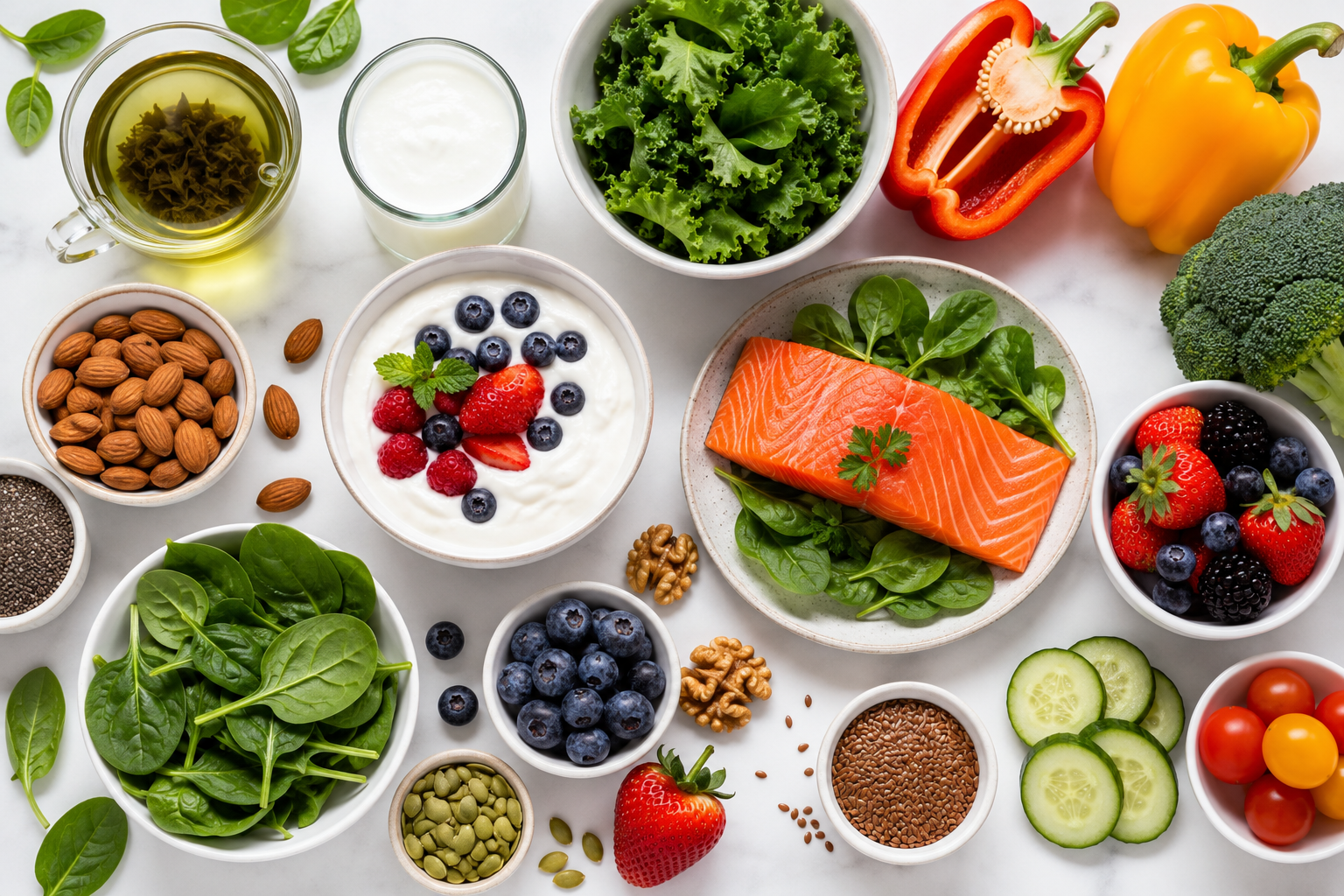
A balanced diet rich in vegetables, fruits, lean proteins, dairy products, whole grains, and healthy fats creates conditions that favor beneficial microbes. These bacteria contribute to maintaining a balanced oral ecosystem, help regulate biofilm formation, and support healthy gum tissues.
Conversely, diets high in refined carbohydrates and added sugars encourage acid-producing bacteria. These microbes metabolize sugars rapidly, lowering the pH inside the mouth and increasing the risk of enamel demineralization. Over time, repeated exposure to acidic conditions may contribute to cavities, plaque accumulation, gingivitis, and periodontal disease.
Hydration also deserves attention. Water supports saliva production, which naturally washes away food particles, buffers acids, and delivers minerals essential for protecting tooth enamel. Reduced saliva flow, commonly experienced by older adults or individuals taking certain medications, can further alter the balance of oral bacteria.
Rather than focusing on individual "superfoods," researchers increasingly recommend adopting overall dietary patterns that consistently support microbial diversity and reduce chronic inflammation.
What Is the Oral Microbiome?
The oral microbiome is the diverse collection of bacteria, fungi, viruses, and other microorganisms naturally living inside the human mouth. Scientists estimate that more than 700 bacterial species may inhabit different areas of the oral cavity, although not every individual carries all of them.
These microorganisms colonize the teeth, tongue, gums, cheeks, palate, and saliva. Most coexist peacefully and even provide important protective functions. Beneficial microbes compete with potentially harmful species for nutrients and space, helping preserve a balanced ecosystem known as microbial homeostasis.
Problems arise when this balance shifts—a condition called oral dysbiosis. During dysbiosis, harmful bacteria become more abundant than beneficial ones, increasing the likelihood of gum disease, bad breath, plaque formation, and tooth decay.
The composition of the oral microbiome is influenced by many factors, including age, smoking, medications, stress, genetics, oral hygiene, hydration, and especially diet.
How Food Affects Oral Bacteria
Food serves as fuel for oral microorganisms. Different nutrients selectively promote the growth of different bacterial communities. Fiber-rich vegetables stimulate chewing and saliva production, while dairy products provide calcium and phosphates that help maintain healthy teeth. Polyphenol-rich foods such as berries and green tea may also support a healthier microbial environment by influencing bacterial activity.
In contrast, sugary beverages, candies, sticky snacks, and refined carbohydrates provide readily available energy for acid-producing bacteria. Frequent snacking prolongs acid attacks on tooth enamel and reduces the mouth's ability to recover between meals.
Research also indicates that dietary diversity contributes to microbial diversity. Individuals consuming balanced diets rich in whole foods generally exhibit healthier oral microbial communities compared with those whose diets rely heavily on processed foods.
Ultimately, nutrition does not act alone. Daily brushing, flossing, regular professional dental care, adequate hydration, and healthy lifestyle habits work together with a balanced diet to create an oral environment where beneficial bacteria can thrive.
Build a Stronger Foundation for Better Oral Health
Want to learn how oral probiotics, nutrition, daily habits, and evidence-based strategies work together to support healthy gums, fresher breath, and a balanced oral microbiome?
Read the Ultimate Oral Health Guide →