Introduction
Your mouth is home to one of the most diverse microbial ecosystems in the human body. Scientists have identified more than 700 bacterial species, along with fungi, viruses, archaea, and other microorganisms that may naturally inhabit the oral cavity. Together, these microscopic organisms form a dynamic community known as the oral microbiome.
Contrary to a common misconception, not all oral bacteria are harmful. Many microorganisms are neutral or potentially beneficial and contribute to the stability of the oral environment. They compete with potentially harmful species for nutrients and space, interact with saliva and immune defenses, and help prevent certain microorganisms from becoming dominant.
A healthy oral microbiome depends on a delicate balance between these different microbial communities. When that balance is maintained, the microbiome may help support healthy gums, protect tooth surfaces, regulate dental biofilm, contribute to fresher breath, and strengthen the mouth’s natural defenses. Saliva also plays an important role by washing away food particles, buffering acids, delivering protective proteins, and supplying minerals that help maintain tooth enamel.
Important:
Oral health is not simply about eliminating every bacterium. The goal is to control disease-associated biofilm while preserving a stable and diverse oral environment.
Problems may begin when this ecosystem is repeatedly disrupted. Researchers use the term oral dysbiosis to describe a change in the microbial community in which disease-associated microorganisms become more active or abundant while protective balance and diversity decline. Dysbiosis is generally not caused by a single “bad” bacterium. Instead, it develops through broader changes involving bacteria, saliva, inflammation, oral hygiene, diet, and the surrounding environment.
Many everyday factors may influence this process. Inadequate brushing and flossing can allow dental biofilm to mature and accumulate. Diets high in added sugars and frequent snacking may encourage acid-producing microorganisms. Tobacco use, heavy alcohol consumption, chronic stress, dehydration, aging, certain medications, and reduced saliva production may also alter the conditions inside the mouth.
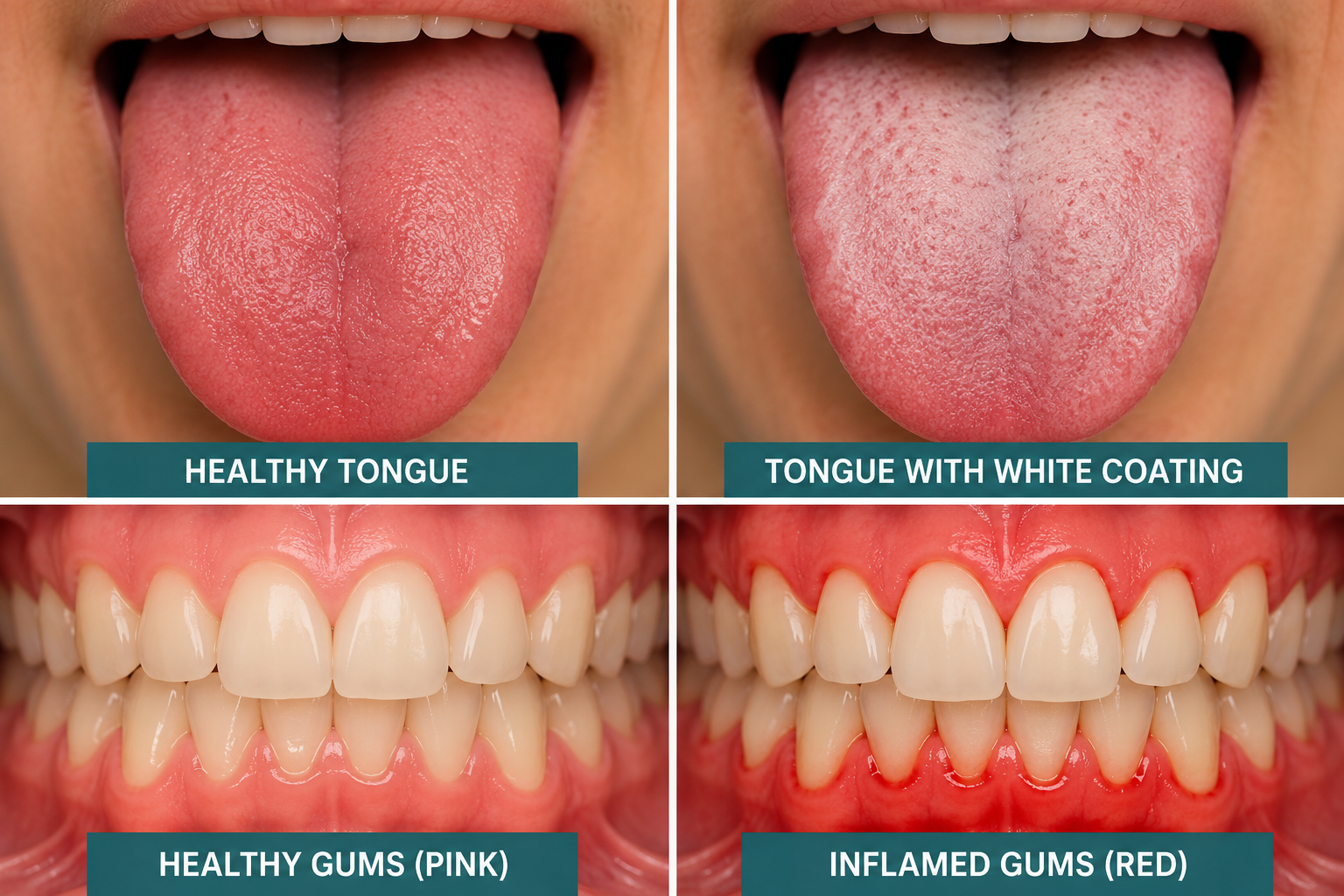
When oral dysbiosis develops, symptoms may appear gradually. Persistent bad breath, increased plaque buildup, bleeding or swollen gums, dry mouth, recurring cavities, unusual tastes, tongue coating, and greater oral sensitivity may signal that the oral environment is under stress. However, these signs are not specific to microbiome imbalance and may have several possible causes, which is why persistent symptoms should always be evaluated by a licensed dentist.
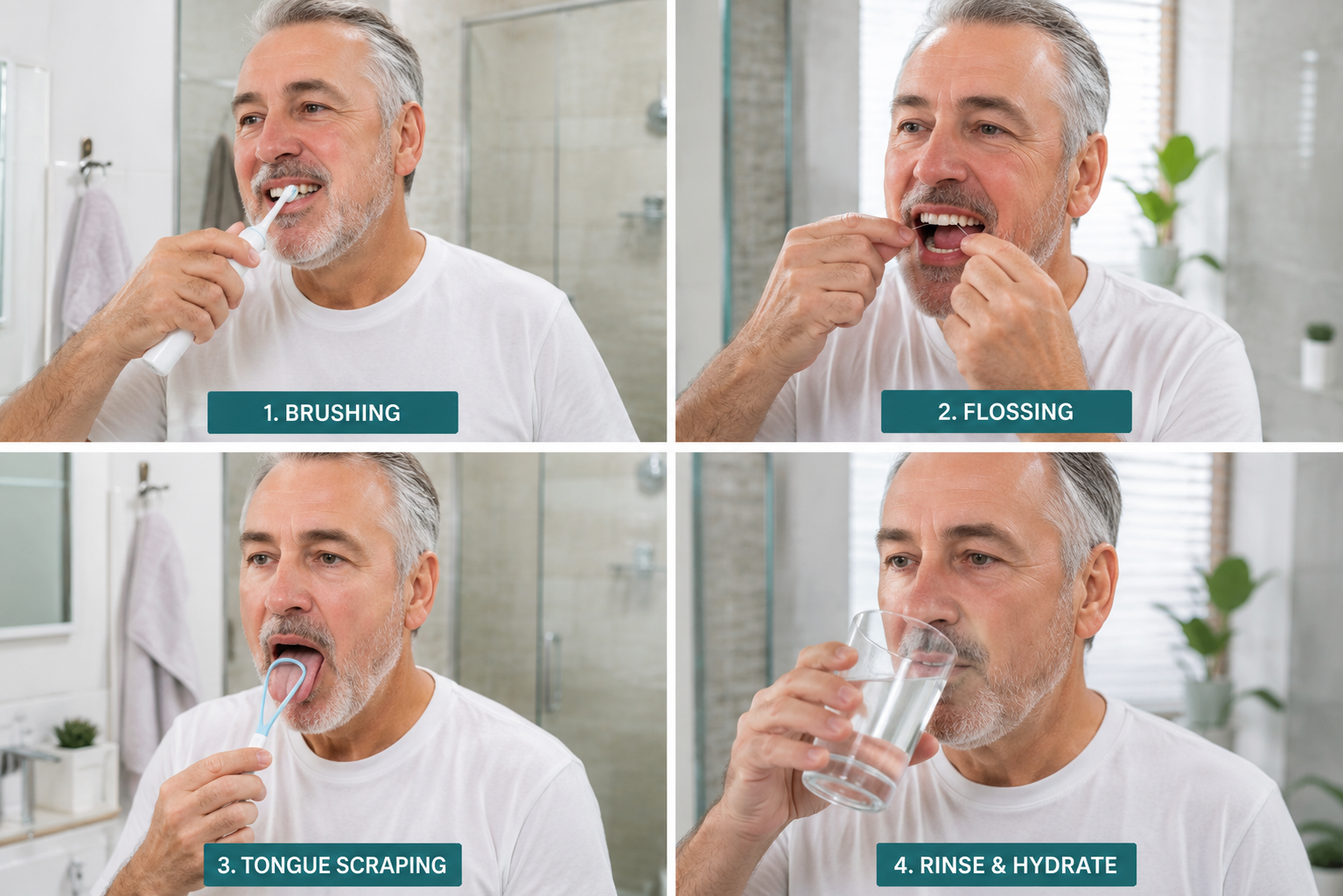
The encouraging news is that the oral microbiome is not fixed. It responds continuously to changes in oral hygiene, nutrition, hydration, saliva flow, dental treatment, and lifestyle. Brushing twice daily with fluoride toothpaste, cleaning between the teeth, gently cleaning the tongue, limiting added sugars, staying hydrated, and attending regular dental checkups may all help create conditions that support a healthier oral ecosystem.
This article explains the most common signs that your oral microbiome may be out of balance, the factors that may contribute to oral dysbiosis, and the evidence-based habits that can support healthier gums, fresher breath, and better long-term oral wellness. Its purpose is not to diagnose a condition, but to help you recognize possible warning signs, understand the science behind them, and know when professional dental care may be necessary.