Start Here
The Ultimate Oral Health Guide 2026
Explore the complete science of oral probiotics, healthy gums, fresh breath, strong teeth, nutrition, saliva, prevention, and daily oral-care habits.
Read the Complete Pillar GuideJuly 14, 2026 | by By EnergyFix40 Editorial Team

The problem may not be your toothbrush
Bad breath, sensitive teeth, plaque buildup, recurring cavities, and irritated gums may share a commonly overlooked connection: an imbalanced oral microbiome.
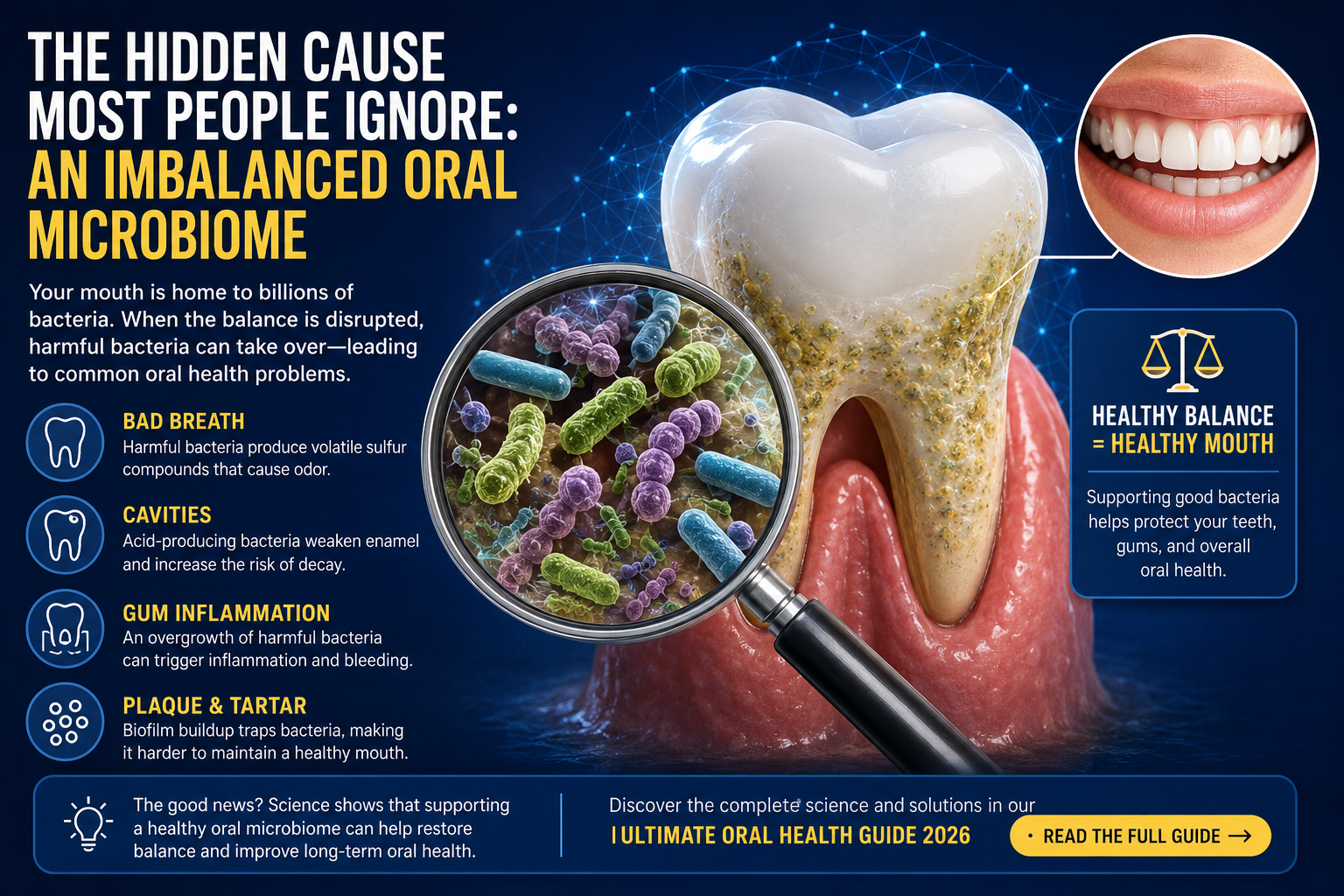
Millions of adults brush their teeth every day, floss regularly, and visit the dentist for routine cleanings—yet many still struggle with bad breath, bleeding gums, plaque buildup, tooth sensitivity, or recurring cavities. This often leads people to believe they simply need a stronger toothpaste, a more powerful mouthwash, or another dental treatment.
While these products and treatments certainly play an important role in maintaining oral health, modern research suggests that they may address only part of the picture. Scientists are increasingly studying another factor that receives far less attention: the balance of the oral microbiome.
Your mouth is home to one of the most complex microbial ecosystems in the human body. Hundreds of bacterial species naturally live on your teeth, tongue, cheeks, gums, and saliva. Contrary to what many people believe, not all bacteria are harmful. In fact, many microorganisms help protect your mouth by competing against disease-causing bacteria and contributing to a healthier oral environment.
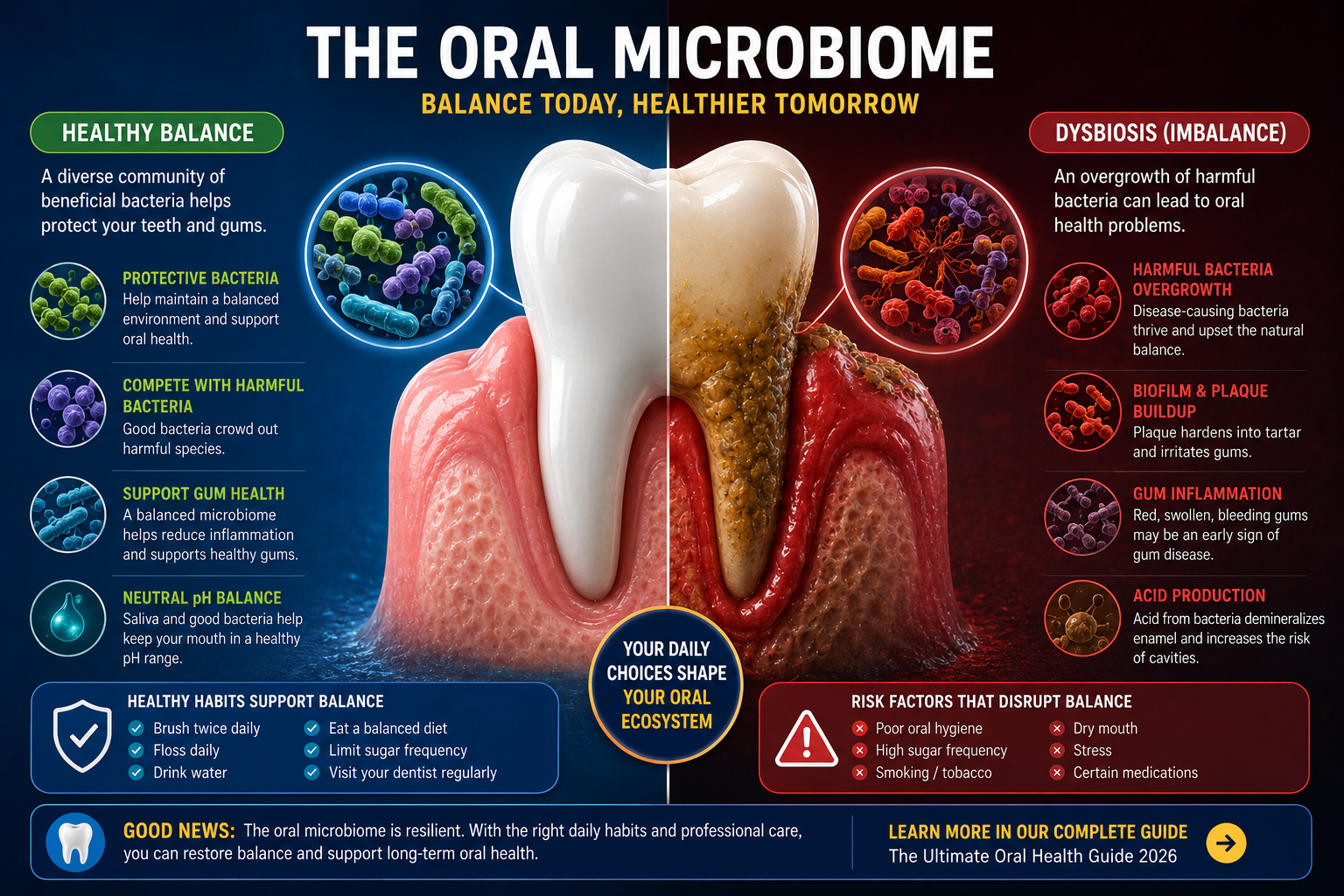
When this delicate ecosystem becomes unbalanced—a condition often referred to as oral dysbiosis—harmful bacteria may become more dominant. Researchers believe this imbalance may contribute to a wide range of oral health concerns, including persistent bad breath, gum inflammation, excessive plaque formation, enamel damage, and an increased risk of cavities.
This article explores the science behind this often-overlooked aspect of oral health, explains why so many people ignore it, and reviews the evidence supporting strategies that may help maintain a healthier oral microbiome. You'll also discover how this topic connects with the broader principles covered in our comprehensive oral health guide.
The "hidden cause" discussed throughout this article is not a single disease or a specific bacterium. Instead, it refers to the loss of balance within the oral microbiome.
The oral microbiome consists of bacteria, fungi, viruses, and other microorganisms that naturally coexist in the mouth. Under healthy conditions these organisms exist in equilibrium, with beneficial species helping limit the growth of harmful microbes.
Problems may arise when lifestyle habits, diet, smoking, dry mouth, poor oral hygiene, certain medications, or frequent antibiotic use disrupt this balance. Harmful bacteria can then become more abundant, increasing inflammation and encouraging the formation of thick bacterial biofilms on the teeth and gums.
Researchers are actively investigating how this microbial imbalance may influence not only oral health but also overall well-being. Although many questions remain under investigation, the relationship between oral bacteria and gum disease is already well established.
Most people grow up believing that oral health depends almost entirely on brushing harder, whitening teeth, or eliminating every bacterium in the mouth. While good hygiene remains essential, modern science shows that the goal is not to sterilize the mouth.
Instead, healthy mouths contain diverse communities of microorganisms living in balance. Beneficial bacteria help occupy ecological niches, compete for nutrients, and make it more difficult for harmful species to dominate.
Unfortunately, this concept receives relatively little attention compared with traditional discussions about cavities or toothpaste ingredients. As a result, many people continue focusing exclusively on visible symptoms while overlooking the biological environment that may contribute to those symptoms.
This doesn't mean that an imbalanced microbiome is the sole cause of oral disease. Genetics, diet, saliva production, tobacco use, medical conditions, medications, and daily hygiene habits all influence oral health. Rather, the microbiome represents one important piece of a much larger picture.
Scientific interest in the oral microbiome has expanded rapidly during the past decade thanks to advances in DNA sequencing technologies. Researchers can now identify microbial communities with far greater precision than ever before, revealing a remarkably complex ecosystem that changes throughout life.
Healthy oral bacteria contribute to maintaining a balanced environment by interacting with saliva, supporting stable microbial communities, and limiting opportunities for disease-associated bacteria to become dominant. When this balance shifts, the composition of dental plaque may change, potentially increasing inflammation and the risk of oral disease.
Current research also suggests that biofilm—the sticky layer of microorganisms attached to teeth—is much more sophisticated than previously believed. Rather than existing as isolated bacteria, microbes communicate, exchange nutrients, and organize into structured communities that can become increasingly difficult to remove if daily oral hygiene is neglected.
For this reason, dental professionals continue to recommend a comprehensive approach that combines twice-daily brushing with fluoride toothpaste, daily flossing, tongue cleaning, regular dental examinations, and healthy lifestyle habits. Researchers are also studying whether certain oral probiotic strains may help support a balanced oral microbiome, although evidence continues to evolve and should be interpreted cautiously.
Understanding these relationships provides a more complete picture of oral health. Instead of viewing cavities, gum disease, plaque, and bad breath as isolated problems, scientists increasingly recognize that they may share common biological pathways involving the oral microbial ecosystem.
Discover how oral bacteria, nutrition, daily habits, saliva, biofilm, gum health, and oral probiotics work together in our comprehensive pillar guide. It brings together the latest research in one practical resource designed to help you make informed decisions about your oral health.
Read the Ultimate Oral Health Guide →Evidence-informed • Beginner-friendly • Updated for 2026
Understanding the oral microbiome is just one part of maintaining healthy teeth and gums. Continue with these expert guides to learn how daily habits, beneficial bacteria, and preventive care work together to support long-term oral health.
Explore our complete pillar guide covering oral probiotics, gum health, fresh breath, plaque control, healthy habits, and the latest scientific research.
Read the Complete Guide →Discover why researchers consider the oral microbiome one of the most important factors influencing gum health, cavities, and fresh breath.
Learn More →Learn how beneficial bacteria help maintain balance and why harmful microbes can contribute to plaque buildup, inflammation, and persistent bad breath.
Read This Article →Oral health is influenced by far more than the appearance of your teeth. Your mouth contains a complex community of bacteria, fungi, viruses, and other microorganisms collectively known as the oral microbiome. These organisms live on the tongue, teeth, gums, cheeks, dental restorations, and within saliva.
In a relatively healthy mouth, many microbial species coexist without causing disease. Some participate in normal biological processes, occupy spaces that might otherwise be colonized by harmful organisms, and help maintain a more stable oral environment.
Problems can develop when environmental conditions begin favoring disease-associated bacteria. Frequent sugar intake, inadequate plaque removal, smoking, reduced saliva, certain medications, inflammation, and other factors may change the conditions inside the mouth. This ecological shift is commonly described as oral dysbiosis.
Oral disease is rarely explained by one microorganism acting alone. Modern research increasingly examines how entire microbial communities, local conditions, diet, saliva, immune responses, and personal habits interact.
Dental plaque is a type of biofilm—a structured community of microorganisms attached to a surface and surrounded by a protective matrix. It constantly forms on teeth, along the gumline, between teeth, and on dental appliances.
Within a mature biofilm, microorganisms do not behave like isolated cells. They interact, exchange nutrients, attach to neighboring organisms, and create microenvironments where certain species can survive more easily. This organized structure can make established plaque harder to disrupt than free-floating bacteria.
Biofilm itself is not automatically a sign of serious disease. However, when plaque is not removed consistently, its microbial composition and activity can change. Near the gums, persistent accumulation may contribute to inflammation. On tooth surfaces, frequent exposure to fermentable carbohydrates may encourage acid-producing communities associated with enamel demineralization.
The labels “good” and “bad” bacteria are useful for explaining the basic idea, but the real biology is more complicated. A microorganism that exists harmlessly in one environment may behave differently when the surrounding conditions change.
Health-associated bacteria generally coexist with the body without causing destructive inflammation or excessive acid production. They may compete with potentially harmful organisms for nutrients and attachment sites. Disease-associated bacteria, by contrast, may become more active or abundant when the oral environment favors inflammation, low pH, reduced saliva, or accumulated plaque.
Gum disease usually begins when plaque remains near the gumline and triggers an inflammatory response. Early-stage gingivitis may cause redness, swelling, tenderness, or bleeding during brushing and flossing. At this stage, professional guidance and improved plaque control can often help reverse the inflammation.
If the process progresses, inflammation may extend into the tissues that support the teeth. Periodontitis is more serious and can involve periodontal pockets, attachment loss, bone damage, gum recession, tooth mobility, and eventual tooth loss.
The microbiome is an important part of this process, but it is not the only factor. Smoking, diabetes, genetics, age, immune responses, oral hygiene, access to dental care, and other health conditions can influence individual risk and disease progression.
Persistent bad breath often begins inside the mouth. Bacteria located on the tongue, between teeth, around the gums, or within untreated dental problems may break down proteins and release unpleasant-smelling volatile sulfur compounds.
A coated tongue, plaque accumulation, gum disease, poorly cleaned dentures, food debris, and dry mouth may all make odor more noticeable. Saliva is especially important because it helps wash away debris and keep microbial growth under control.
Bad breath that continues despite brushing, flossing, hydration, and tongue cleaning should be evaluated by a dentist or qualified healthcare professional. It may be associated with gum disease, cavities, infection, dry mouth, tonsil problems, or another underlying condition.
Tooth decay begins when bacteria metabolize sugars and other fermentable carbohydrates, producing acids that lower the pH around the tooth surface. Repeated acid attacks remove minerals from enamel. When mineral loss repeatedly exceeds repair, a cavity may eventually develop.
This explains why cavity risk depends not only on the total amount of sugar consumed but also on how frequently teeth are exposed. Continual sipping, grazing, or snacking can repeatedly create acidic conditions before saliva has enough time to help neutralize the environment.
Fluoride toothpaste, saliva, dietary choices, professional preventive care, and effective plaque removal remain central to cavity prevention. Supporting microbial balance should complement these measures—not replace them.
Microbiome research has changed the traditional view that common oral diseases result from one specific pathogen. Current ecological models describe cavities and periodontal disease as complex, multifactorial conditions involving microbial communities, local environmental changes, host susceptibility, behavior, and diet.
Reviews of oral biofilms describe them as highly organized microbial communities protected within a matrix. Research on dental caries also shows that repeated dietary sugar exposure can select for acid-producing and acid-tolerant organisms, creating conditions that favor enamel damage.
Studies investigating oral probiotics, prebiotics, postbiotics, and microbiome-targeted therapies are promising, but the evidence is still developing. Results may depend on the strain, dose, delivery method, duration of use, health condition being studied, and the participant’s existing oral-care routine.
For that reason, no supplement should be presented as a replacement for brushing with fluoride toothpaste, interdental cleaning, tongue care, professional cleanings, or treatment recommended by a dentist.
The following table summarizes common differences between a health-supporting oral environment and one that may favor disease.
| Oral Health Factor | Health-Supporting Balance | Possible Dysbiosis |
|---|---|---|
| Microbial community | Relatively stable and diverse | Disease-associated species become more dominant |
| Dental biofilm | Regularly disrupted by brushing and interdental cleaning | Thick, mature plaque remains around teeth and gums |
| Gum response | Firm gums with minimal bleeding | Redness, swelling, tenderness, or bleeding |
| Oral pH | Recovers between meals with help from saliva | Frequent acidic periods after repeated sugar exposure |
| Breath | Generally neutral after normal hygiene | Persistent odor associated with tongue coating or gum problems |
| Long-term approach | Prevention, hygiene, nutrition, and professional care | Treating symptoms without addressing contributing factors |
The oral microbiome affects many areas of dental health. Continue exploring these connected guides to understand how bacteria, biofilm, saliva, diet, hygiene, and lifestyle may influence your teeth and gums.
Explore the complete science of oral probiotics, healthy gums, fresh breath, strong teeth, nutrition, saliva, prevention, and daily oral-care habits.
Read the Complete Pillar Guide →Learn how microbial communities live throughout the mouth and why scientists are studying their role in oral health and disease.
Explore the Microbiome →Discover why not all bacteria are harmful and how microbial balance may influence plaque, inflammation, breath, and cavity risk.
Compare Oral Bacteria →Persistent bad breath, bleeding gums, dry mouth, white tongue, and recurring cavities may signal that your oral environment needs attention.
Review the Warning Signs →Learn why bleeding, swelling, tenderness, recession, and persistent inflammation deserve early professional evaluation.
Protect Your Gums →Discover why temporary masking may not address tongue coating, plaque, gum disease, dry mouth, or odor-producing bacteria.
Understand Persistent Bad Breath →Toothpaste is important, but lasting oral health also depends on flossing, tongue cleaning, saliva, nutrition, and professional care.
Build a Better Routine →Review how researchers are studying selected probiotic strains for microbial balance, gum support, plaque control, and fresher breath.
Explore the Research →Start with the main pillar guide for a complete overview of the oral microbiome, gums, teeth, breath, nutrition, oral probiotics, and evidence-based prevention.
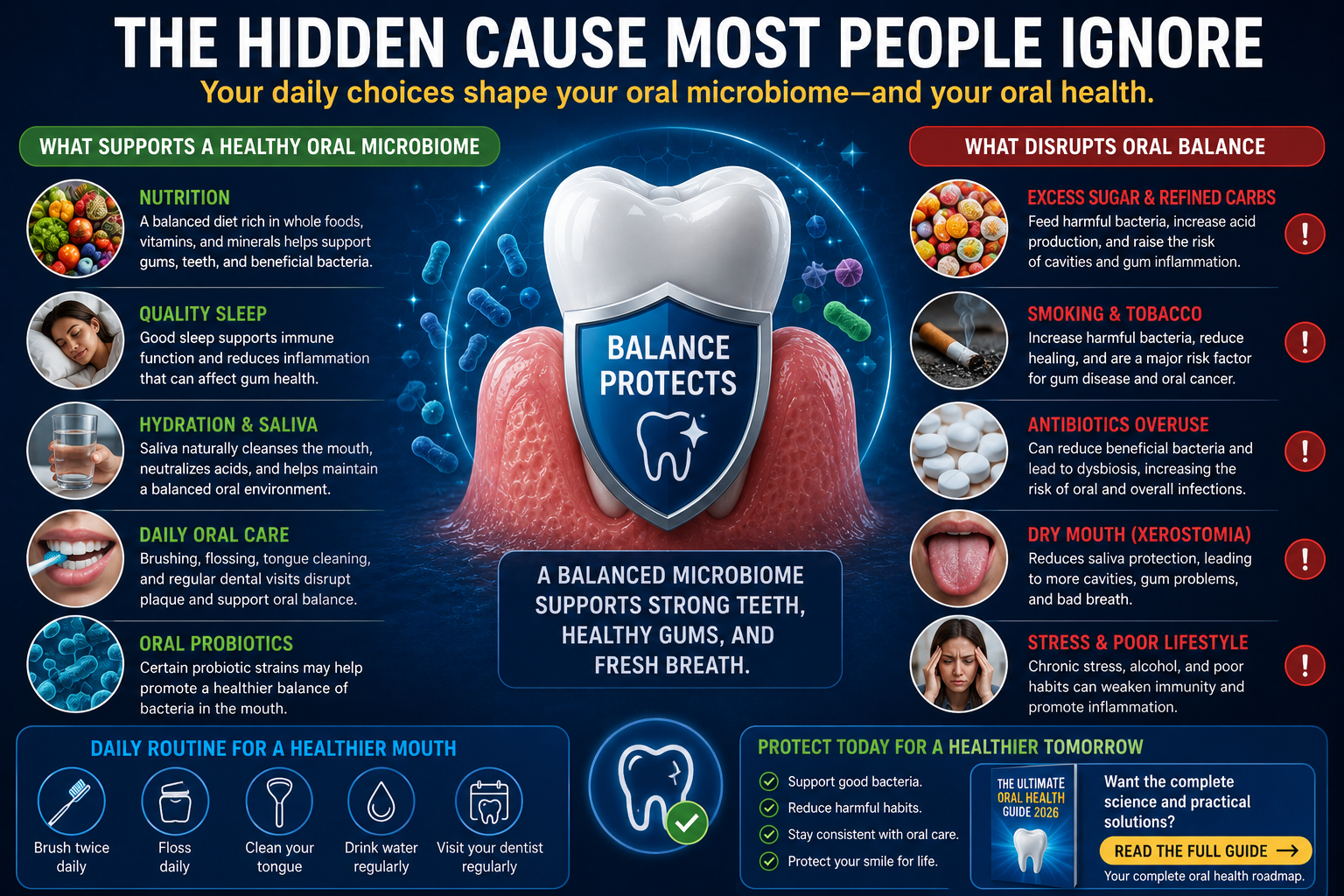
The oral microbiome is constantly changing. Every meal, drink, medication, hygiene habit, and lifestyle choice can temporarily alter conditions inside the mouth. Although no single strategy can guarantee perfect microbial balance, research suggests that consistent preventive care can create an environment that is less favorable to disease.
Clinical research increasingly describes cavities and periodontal disease as ecological conditions rather than infections caused by one isolated microorganism. Harmful changes may occur when environmental pressures, including frequent sugar exposure, inflammation, reduced saliva, smoking, or inadequate plaque removal, allow disease-associated communities to become more dominant.
Studies of dental biofilm show that oral microorganisms live in organized communities surrounded by a protective matrix. This helps explain why established plaque cannot always be controlled by rinsing alone. Physical disruption through brushing and interdental cleaning remains essential, while professional cleaning is necessary to remove hardened tartar.
Researchers are also investigating oral probiotics, prebiotics, and other microbiome-focused approaches. Some trials report potential improvements in selected measures of gum health, plaque, or breath. However, results vary by bacterial strain, dose, treatment duration, participant health, and study design.
Microbiome-targeted products may become useful additions to oral care, but current evidence does not support using them as replacements for fluoride toothpaste, flossing, professional cleanings, or necessary dental treatment.
Oral bacteria use fermentable carbohydrates as an energy source. When sugars and refined starches are consumed, certain bacteria produce acids that temporarily lower the pH near the teeth. Saliva gradually neutralizes these acids, but frequent snacking or sipping may begin another acid attack before the mouth has fully recovered.
Reducing the frequency of sugary drinks, candy, sweetened coffee, and highly refined snacks may therefore be as important as reducing total sugar intake. Drinking water with meals, choosing less processed foods, and limiting continual grazing can help give saliva time to restore a more neutral environment.
Foods that require chewing, such as many vegetables and whole fruits, may encourage saliva flow. Dairy foods without added sugar can provide calcium and protein, while nuts, eggs, leafy vegetables, and balanced meals support general nutrition. No food cleans teeth completely, so healthy eating should always accompany daily hygiene.
Stress, hydration, tobacco exposure, alcohol use, diet quality, medical conditions, and medication use may all affect oral health. These factors can influence saliva production, inflammation, immune responses, eating patterns, and a person’s ability to maintain a consistent care routine.
During stressful periods, some people snack more frequently, grind their teeth, neglect flossing, or experience a dry mouth. Others may develop mouth breathing or use substances that irritate oral tissues. Addressing these indirect factors is an important part of long-term prevention.
Saliva production naturally decreases during sleep. This is one reason morning breath is common: reduced saliva allows odor-producing compounds and bacteria to remain in the mouth for longer periods.
Sleeping with the mouth open may increase dryness. Nasal congestion, snoring, certain sleep disorders, medications, and environmental conditions may contribute. Persistent mouth breathing, severe snoring, daytime fatigue, or repeated waking with an extremely dry mouth should be discussed with an appropriate healthcare professional.
A careful evening routine is particularly valuable because it removes food debris and disrupts plaque before the low-saliva period begins. Brush with fluoride toothpaste, clean between the teeth, and clean the tongue before bed. Avoid eating again after completing the routine whenever practical.
Saliva lubricates oral tissues, washes away food particles, buffers acids, supports remineralization, and helps regulate microbial growth. When saliva production falls, the risk of cavities, soreness, fungal infections, difficulty swallowing, and persistent bad breath may increase.
Dry mouth may be associated with dehydration, aging, mouth breathing, medical treatment, health conditions, or medications. Common self-care strategies include drinking water regularly and using sugar-free gum when appropriate. Products containing xylitol may stimulate saliva, but they should be kept away from dogs because xylitol is highly toxic to them.
Do not stop a prescribed medication because it appears to cause dry mouth. A dentist, physician, or pharmacist can review possible causes and discuss safer adjustments or supportive treatments.
Smoking is one of the most important preventable risk factors for gum disease. It is associated with impaired healing, gum recession, tooth staining, persistent odor, periodontal destruction, tooth loss, and oral cancer.
Tobacco exposure may also alter immune responses and the composition of oral microbial communities. Importantly, smoking can reduce visible bleeding from the gums by restricting blood flow. This means serious gum disease may sometimes appear less noticeable—not less harmful.
Stopping tobacco use is one of the most meaningful steps a person can take for oral and overall health. Dental and medical professionals can provide evidence-based cessation support.
Antibiotics can be essential for treating certain bacterial infections, but they do not distinguish perfectly between disease-causing and health-associated microorganisms. Treatment may temporarily change the composition and diversity of microbial communities.
Antibiotics also cannot remove tartar, repair cavities, or replace dental procedures needed to control the source of an infection. Unnecessary use contributes to antibiotic resistance, making future infections harder to treat.
Take antibiotics only when prescribed, follow the instructions carefully, and complete or discontinue treatment according to the prescriber’s directions. Never use leftover antibiotics or share them with another person.
Seek dental care for persistent bleeding, swelling, pain, loose teeth, gum recession, mouth sores lasting more than two weeks, facial swelling, fever, difficulty swallowing, or ongoing bad breath that does not improve with normal hygiene.
The oral microbiome is a rapidly developing area of research. These answers explain what scientists currently understand while recognizing that oral disease is usually influenced by several factors—not one hidden cause alone.
The hidden factor discussed in this guide is an imbalance in the oral microbiome, often called oral dysbiosis. It occurs when the environment inside the mouth begins favoring disease-associated microbial communities. Dysbiosis may contribute to plaque activity, gum inflammation, unpleasant breath, and tooth decay, but it is not the only cause of these conditions.
No. A healthy mouth naturally contains many microorganisms. Some coexist without causing disease and may help maintain a stable environment by occupying attachment sites and competing with potentially harmful species. The goal of oral care is not to sterilize the mouth but to control plaque and support conditions associated with health.
Brushing twice daily with fluoride toothpaste is essential, but a complete routine should also include cleaning between the teeth, tongue care, balanced nutrition, adequate hydration, and regular dental examinations. Brushing does not always reach plaque located between teeth or beneath the gumline, and it cannot remove hardened tartar.
Biofilm is an organized community of microorganisms attached to a surface and protected by a surrounding matrix. Dental plaque is a form of biofilm. If it remains around the gums, it may promote inflammation. When exposed frequently to sugars, certain plaque communities can produce acids that remove minerals from enamel.
Oral bacteria can contribute to bad breath by producing unpleasant-smelling compounds, especially on the back of the tongue, between teeth, and around inflamed gums. Dry mouth, food debris, poorly cleaned appliances, cavities, and gum disease may also contribute. Persistent odor should be professionally evaluated.
The effects depend on the active ingredients, concentration, frequency of use, and reason for using the rinse. Therapeutic mouthwash may be valuable when recommended for a specific need, but it does not replace mechanical plaque removal. People with dry mouth or sensitive tissues should ask a dental professional which formulation is appropriate.
Selected probiotic strains are being studied for possible effects on breath, plaque, cavities, and gum-related measurements. Some research is encouraging, but results are not consistent enough to claim that every probiotic product restores microbial balance. Benefits may be strain-specific, and probiotics should be viewed as optional support rather than a substitute for standard dental care.
There is no universal timeline. Mild plaque-related inflammation may begin improving after a person adopts more effective hygiene, while established gum disease, cavities, infections, or severe dry mouth require professional treatment. Long-term improvement depends more on consistency than on a quick temporary intervention.
Priorities include brushing twice daily with fluoride toothpaste, cleaning between teeth every day, cleaning the tongue, limiting frequent sugar exposure, drinking water, avoiding tobacco, managing dry mouth, cleaning oral appliances, and attending regular dental appointments. These habits work together rather than independently.
Arrange an examination for recurring bleeding, swelling, gum recession, persistent bad breath, tooth sensitivity, visible cavities, loose teeth, ongoing dry mouth, or pain. Urgent care may be necessary for significant facial swelling, fever, trauma, uncontrolled bleeding, or difficulty breathing or swallowing.
The central lesson from current oral-health research is that the mouth should be viewed as a living ecosystem. Dental plaque, saliva, diet, microbial communities, immune responses, and daily habits continually interact. When this ecosystem becomes disrupted, conditions may begin favoring acid production, inflammation, unpleasant odor, and the growth of disease-associated microorganisms.
This does not mean that oral dysbiosis independently causes every case of bad breath, gum disease, sensitivity, or tooth decay. These are multifactorial problems. Genetics, age, smoking, diabetes, medication use, dry mouth, nutrition, access to dental care, and the quality of a person's hygiene routine may all influence risk.
The evidence supporting conventional preventive care remains much stronger than the evidence for any microbiome supplement. Brushing twice daily with fluoride toothpaste, cleaning between the teeth, disrupting tongue biofilm, limiting frequent sugar exposure, and attending professional examinations remain the foundation of oral health.
Oral probiotics and other microbiome-focused products may offer potential benefits for selected users, but current research has limitations. Studies often use different strains, doses, outcomes, and treatment periods. A result associated with one strain should not automatically be applied to every probiotic product.
The most realistic expectation is gradual support rather than an overnight transformation. No supplement can remove tartar, fill a cavity, reverse advanced bone loss, or replace treatment for infection. People experiencing persistent symptoms should seek professional care instead of relying exclusively on products intended for general wellness.
The oral microbiome contains both health-associated and disease-associated microorganisms.
Mature dental biofilm requires regular physical disruption.
Sugar frequency, dry mouth, smoking, and poor hygiene can create conditions that favor disease.
Oral probiotics remain a developing area of research and should complement—not replace—proven care.
Consistency with brushing, flossing, tongue cleaning, nutrition, and dental visits provides the strongest long-term foundation.
Persistent or worsening symptoms deserve evaluation by a dental professional.
Now that you understand how microbial balance may influence teeth, gums, breath, and plaque, continue with these connected guides for a more complete view of long-term oral health.
Discover the complete relationship between oral bacteria, healthy gums, strong teeth, fresh breath, saliva, nutrition, lifestyle, and oral probiotics.
Read the Pillar Guide →Learn how persistent bad breath, bleeding gums, dry mouth, tongue coating, sensitivity, and recurring cavities may signal an unhealthy oral environment.
Review the Signs →Explore practical ways to support gum health through plaque control, nutrition, saliva, lifestyle changes, and professional preventive care.
Support Healthier Gums →Review what clinical research currently suggests about probiotic strains, microbial balance, gum health, plaque control, and fresher breath.
Explore the Research →Begin with the complete pillar guide to connect everything you have learned about the oral microbiome with practical strategies for gums, teeth, breath, nutrition, and everyday prevention.
If you're looking for an oral probiotic supplement designed to complement a complete oral hygiene routine, many adults are choosing ProDentim as part of their daily oral wellness habits.
Oral probiotics are not intended to replace brushing, flossing, tongue cleaning, or regular dental visits. Results vary from person to person.
Official Website Check Today's ProDentim Offer →Always follow the manufacturer's directions and consult your dentist or healthcare professional if you have persistent oral health concerns.
Daily brushing and flossing are essential—but they are only part of a complete oral care routine. Many people are also looking for ways to support a balanced oral microbiome, healthier gums, and fresher breath through targeted nutritional support.
Learn more about the ingredients, current research, and available purchasing options on the official page.
* Dietary supplements are not intended to diagnose, treat, cure, or prevent any disease. Individual results may vary. Continue brushing, flossing, and visiting your dentist regularly.
This article was prepared using information from respected scientific institutions, peer-reviewed journals, and professional dental organizations. These references provide additional background on oral microbiology, dental plaque, periodontal disease, oral hygiene, and oral probiotics.
National research agency supporting biomedical and oral health research.
https://www.nih.gov/Searchable database of peer-reviewed biomedical and dental research maintained by the U.S. National Library of Medicine.
https://pubmed.ncbi.nlm.nih.gov/Official U.S. medical library providing access to scientific publications and health information.
https://www.nlm.nih.gov/Professional guidance on preventive dentistry, oral hygiene, fluoride, plaque control, and patient education.
https://www.ada.org/Evidence-based information covering oral health conditions, dry mouth, gum disease, cavities, and preventive care.
https://www.mayoclinic.org/NIH institute dedicated to research on oral, dental, and craniofacial health.
https://www.nidcr.nih.gov/Educational resources covering preventive dentistry, plaque control, gum health, and patient oral care.
https://www.agd.org/Peer-reviewed research on periodontal disease, dental biofilm, oral microbiology, and clinical treatments.
https://onlinelibrary.wiley.com/journal/1600051XOpen-access scientific journal publishing research on oral microbiology, oral probiotics, and preventive dentistry.
https://www.frontiersin.org/journals/oral-healthHigh-impact review journal covering microbiome science, bacterial ecology, biofilms, and host-microbe interactions.
https://www.nature.com/nrmicro/Independent systematic reviews evaluating evidence for healthcare interventions, including preventive dentistry.
https://www.cochranelibrary.com/Scientific knowledge evolves continuously. The references above represent authoritative educational resources used to support this article. Individual studies may reach different conclusions, and ongoing research may refine current understanding of the oral microbiome, oral probiotics, periodontal disease, and preventive dental care.
This content is intended for educational purposes only and should not be interpreted as medical or dental advice. Always consult a qualified dentist or healthcare professional regarding diagnosis, treatment, or questions about your individual oral health.
View all


July 8, 2026 | by By EnergyFix40 Editorial Team
June 10, 2026 | by By EnergyFix40 Editorial Team
June 17, 2026 | by By EnergyFix40 Editorial Team