Good vs Bad Bacteria in Your Mouth
June 16, 2026 | by By EnergyFix40 Editorial Team

Good vs Bad Bacteria in Your Mouth
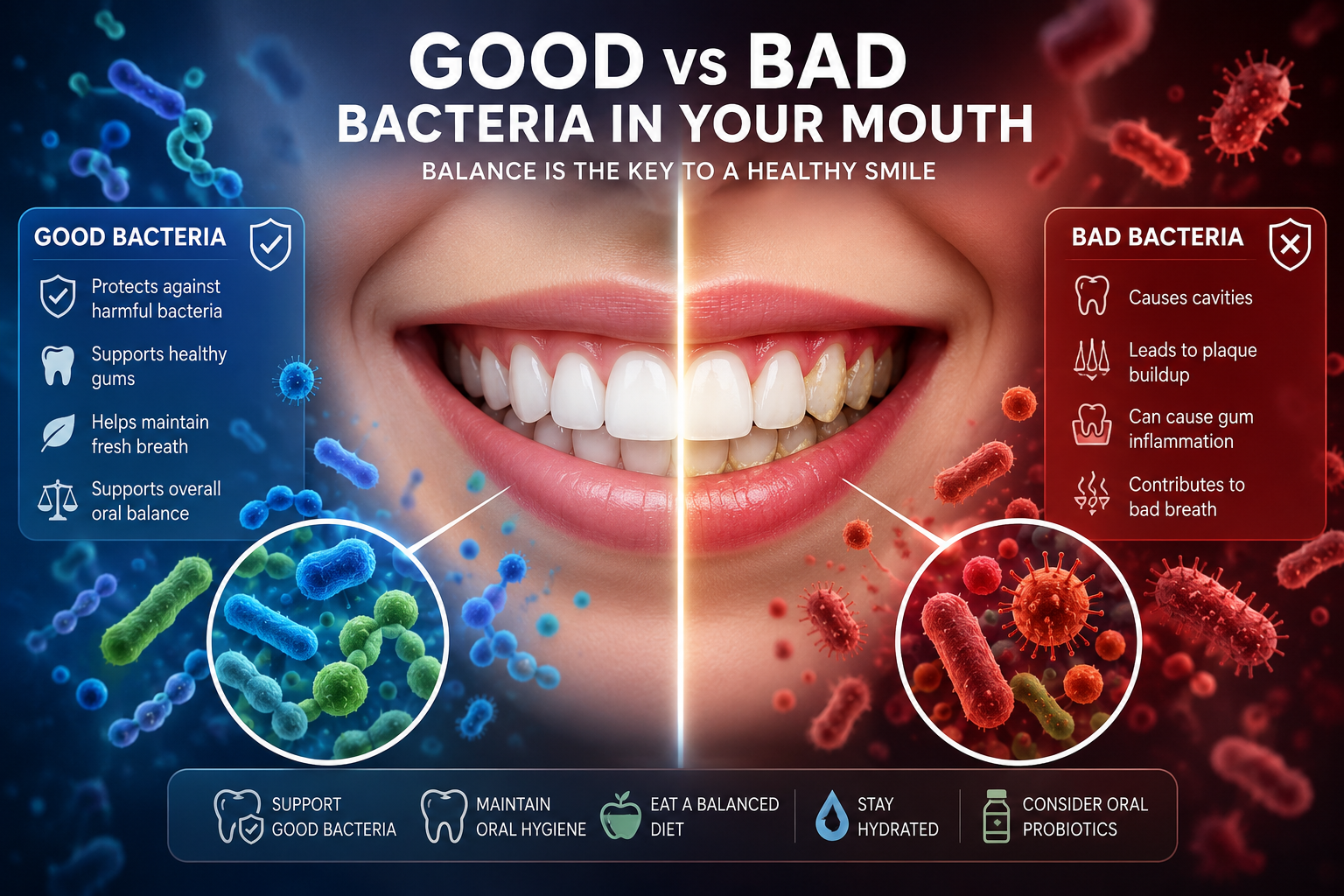
Your mouth contains billions of bacteria every single day—but not all of them are harmful. In fact, many bacteria are essential for protecting your teeth, gums, and overall oral health. Discover the fascinating difference between beneficial and harmful oral bacteria and learn simple habits that may help support a healthier oral microbiome.
A Healthy Mouth Depends on Healthy Bacteria
For decades, oral care focused almost entirely on eliminating bacteria. Today, researchers understand that maintaining the right balance between beneficial and harmful microorganisms may be far more important than simply trying to remove every bacterium from your mouth.
Want to Understand the Entire Oral Microbiome?
Explore our complete guide explaining how oral bacteria influence your gums, teeth, breath, saliva, and long-term oral health.
Read the Ultimate Oral Health Guide →Good vs Bad Bacteria in Your Mouth: Why Balance Matters
Your mouth is home to a complex community of microorganisms known as the oral microbiome. This includes bacteria, fungi, and other microscopic organisms that live on your teeth, gums, tongue, cheeks, and saliva. While the word “bacteria” often sounds negative, the truth is more balanced: not all oral bacteria are bad. Some bacteria may help support healthy gums, protect your teeth, and maintain fresher breath.
The real problem begins when harmful bacteria grow too much and overpower the beneficial microbes that normally help keep your mouth in balance. This imbalance, often called oral dysbiosis, may contribute to plaque buildup, gum irritation, cavities, bad breath, and a less healthy oral environment. That is why modern oral health research focuses not only on killing bacteria, but also on supporting a healthier bacterial balance.
Understanding the difference between good and bad bacteria in your mouth can help you make smarter daily choices. Brushing, flossing, hydration, nutrition, tongue cleaning, and oral probiotics may all play a role in supporting a cleaner, more balanced mouth.
Table of Contents
What Are Oral Bacteria?
Oral bacteria are microscopic organisms that naturally live inside your mouth. They attach to surfaces such as teeth, gums, the tongue, dental plaque, and saliva. Scientists have identified hundreds of different bacterial species in the oral cavity, and each one may behave differently depending on your diet, hygiene habits, saliva flow, immune response, and overall lifestyle.
These bacteria do not live alone. They form communities, often inside a thin sticky layer called biofilm. Dental plaque is one of the most common forms of oral biofilm. When biofilm is balanced and controlled, it is a normal part of the mouth’s ecosystem. But when harmful bacteria dominate, plaque may become more acidic, inflammatory, and harder to manage.
This is why oral health is not simply about having “bacteria” or “no bacteria.” A completely sterile mouth is neither realistic nor desirable. Instead, the goal is to maintain a healthy oral environment where beneficial bacteria can coexist while harmful bacteria remain under control.
Good Bacteria Explained
Good oral bacteria are microorganisms that may help support balance in the mouth. They can compete with harmful bacteria for space and nutrients, making it harder for damaging microbes to grow unchecked. Some beneficial bacteria may also help maintain a healthier pH level, support gum comfort, and contribute to a more stable oral microbiome.
A balanced community of beneficial bacteria may help protect against the conditions that allow cavities, gum problems, and bad breath to develop. For example, when helpful bacteria are present in healthy numbers, they may reduce the opportunity for acid-producing bacteria to dominate the surface of teeth.
Good bacteria are also one reason researchers are studying oral probiotics. Unlike traditional mouthwash, which may temporarily reduce bacteria broadly, oral probiotics are designed to introduce or support beneficial strains that may help promote a healthier microbial balance over time.
Bad Bacteria Explained
Bad oral bacteria are not always “bad” in every situation, but they become harmful when they grow too much, produce damaging acids, release irritating compounds, or trigger inflammation. Certain bacteria are associated with tooth decay because they feed on sugars and produce acids that weaken enamel.
Other harmful bacteria are linked to gum irritation because they can live near or below the gumline and contribute to inflammatory responses. Some bacteria on the tongue and in plaque may also produce volatile sulfur compounds, which are strongly associated with unpleasant breath.
When harmful bacteria dominate, the mouth may become more acidic, plaque may build up faster, gums may feel more sensitive, and breath may become less fresh. This does not usually happen overnight. It often develops gradually through repeated habits such as frequent sugar intake, poor brushing, skipping flossing, dry mouth, smoking, or ignoring plaque buildup.
Why Balance Matters More Than Elimination
Many people assume the best oral care strategy is to kill as many bacteria as possible. However, modern research suggests that oral health depends more on balance than total elimination. Your mouth needs a diverse and stable microbiome to function properly.
Overusing harsh antibacterial products may disrupt the natural oral ecosystem. While certain products can be useful when recommended by a dental professional, relying only on strong bacteria-killing solutions may not address the deeper issue: why harmful bacteria are taking over in the first place.
A smarter approach is to create daily conditions that support beneficial bacteria and discourage harmful ones. This includes brushing gently, flossing consistently, cleaning the tongue, drinking enough water, limiting frequent sugar exposure, eating nutrient-rich foods, and considering oral probiotics as part of a complete oral care routine.
Want to Learn How the Oral Microbiome Affects Teeth, Gums, and Breath?
Read the complete EnergyFix40 guide to understand how oral probiotics, healthy gums, saliva, bacteria balance, and fresh breath all connect.
Visit the Complete Oral Health Guide →Continue Learning About Oral Bacteria and Your Mouth
These related guides will help you understand how bacteria, probiotics, and the oral microbiome influence teeth, gums, and breath.
Learn how beneficial bacteria may help support a healthier oral microbiome.
Why Researchers Are Studying the Oral MicrobiomeDiscover why scientists believe mouth bacteria play a major role in oral wellness.
How Oral Bacteria Affect Your Breath Every DaySee how tongue bacteria, plaque, and dry mouth may influence daily breath freshness.
How Good and Bad Bacteria Shape Your Oral Health
The balance of bacteria in your mouth can influence how clean your teeth feel, how comfortable your gums are, and how fresh your breath stays throughout the day. Beneficial bacteria may help defend the oral environment, while harmful bacteria may contribute to plaque, enamel weakening, gum irritation, and persistent bad breath.
How Beneficial Bacteria Protect Teeth
Beneficial oral bacteria help protect teeth by competing with harmful microbes for space and nutrients. Your teeth are constantly exposed to food particles, acids, saliva, and microorganisms. When helpful bacteria are present in healthy numbers, they may make it harder for acid-producing bacteria to dominate the surface of enamel.
Some friendly bacteria may also help maintain a more balanced pH in the mouth. This matters because enamel is more vulnerable in an acidic environment. When the mouth becomes acidic too often, minerals may be lost from the enamel surface. Over time, this can increase the risk of tooth sensitivity and cavities.
A balanced oral microbiome does not replace brushing or flossing, but it may support the natural defense system already working inside the mouth. This is one reason researchers are increasingly interested in oral probiotics and microbiome-friendly habits.
How Harmful Bacteria Cause Cavities
Cavities often begin when harmful bacteria feed on sugars and refined carbohydrates left behind after eating or drinking. As these bacteria break down sugars, they produce acids. These acids can attack enamel, the hard outer layer of the teeth.
If acid exposure happens repeatedly, especially from frequent snacking, sugary drinks, sticky foods, or poor oral hygiene, enamel may gradually lose minerals. This process can create weak spots that may eventually develop into cavities.
Harmful bacteria can also become more difficult to control when plaque is not removed consistently. Plaque creates a sticky environment where bacteria can remain close to the tooth surface. The longer plaque stays in place, the easier it becomes for acids and bacterial byproducts to affect enamel.
Gum Disease and Dysbiosis
Dysbiosis means an imbalance in the microbial community. In the mouth, dysbiosis can happen when harmful bacteria begin to outnumber beneficial bacteria. This imbalance may affect both teeth and gums.
Around the gumline, harmful bacteria may contribute to irritation, tenderness, redness, or bleeding during brushing. These signs should not be ignored, because they may indicate that plaque and bacteria are affecting gum tissue.
Healthy gums depend on consistent cleaning, good saliva flow, balanced nutrition, and regular dental care. When oral dysbiosis continues for a long time, the gums may become more reactive to bacterial buildup. Supporting microbial balance is one important part of maintaining healthier gums.
Biofilm Explained
Biofilm is a thin, sticky layer where bacteria gather and organize themselves. In the mouth, dental plaque is the most familiar type of biofilm. It forms naturally on teeth, especially near the gumline and between teeth.
Biofilm is not automatically dangerous, but it becomes a problem when it is not removed regularly. Harmful bacteria can thrive inside mature plaque, making it more acidic and inflammatory. This is why brushing and flossing are essential: they physically disrupt biofilm before it becomes harder to manage.
Mouthwash alone may not fully solve biofilm-related problems because biofilm can protect bacteria from being washed away easily. A complete routine should include mechanical cleaning, hydration, tongue cleaning, smart nutrition, and professional dental checkups.
Saliva's Role in Bacterial Balance
Saliva is one of the mouth’s most important natural defenses. It helps wash away food particles, dilute acids, support enamel minerals, and keep the oral environment moist. When saliva flow is healthy, harmful bacteria have a harder time dominating the mouth.
Dry mouth can increase the risk of bacterial imbalance because food debris and acids remain in contact with teeth and gums for longer. This may lead to more plaque buildup, stronger odors, and a higher risk of enamel problems.
Drinking water, chewing sugar-free gum, breathing through the nose, and avoiding habits that dry the mouth may help support better saliva flow. If dry mouth is frequent or severe, it is important to speak with a dental or medical professional.
Good vs Bad Oral Bacteria: Comparison Table
| Factor | Beneficial Bacteria | Harmful Bacteria |
|---|---|---|
| Main Role | Support microbial balance and oral defense | Contribute to plaque, acids, and irritation |
| Effect on Teeth | May help protect enamel-supporting conditions | May weaken enamel through acid production |
| Effect on Gums | May support gum comfort and balance | May contribute to inflammation and bleeding |
| Breath Impact | May help maintain fresher breath | May produce unpleasant sulfur compounds |
| Supported By | Hydration, oral hygiene, balanced diet, probiotics | Sugar, dry mouth, plaque buildup, poor hygiene |
Want the Complete Oral Microbiome Strategy?
Learn how bacteria, saliva, probiotics, gums, teeth, and breath all work together in the complete EnergyFix40 oral health guide.
Read the Ultimate Oral Health Guide →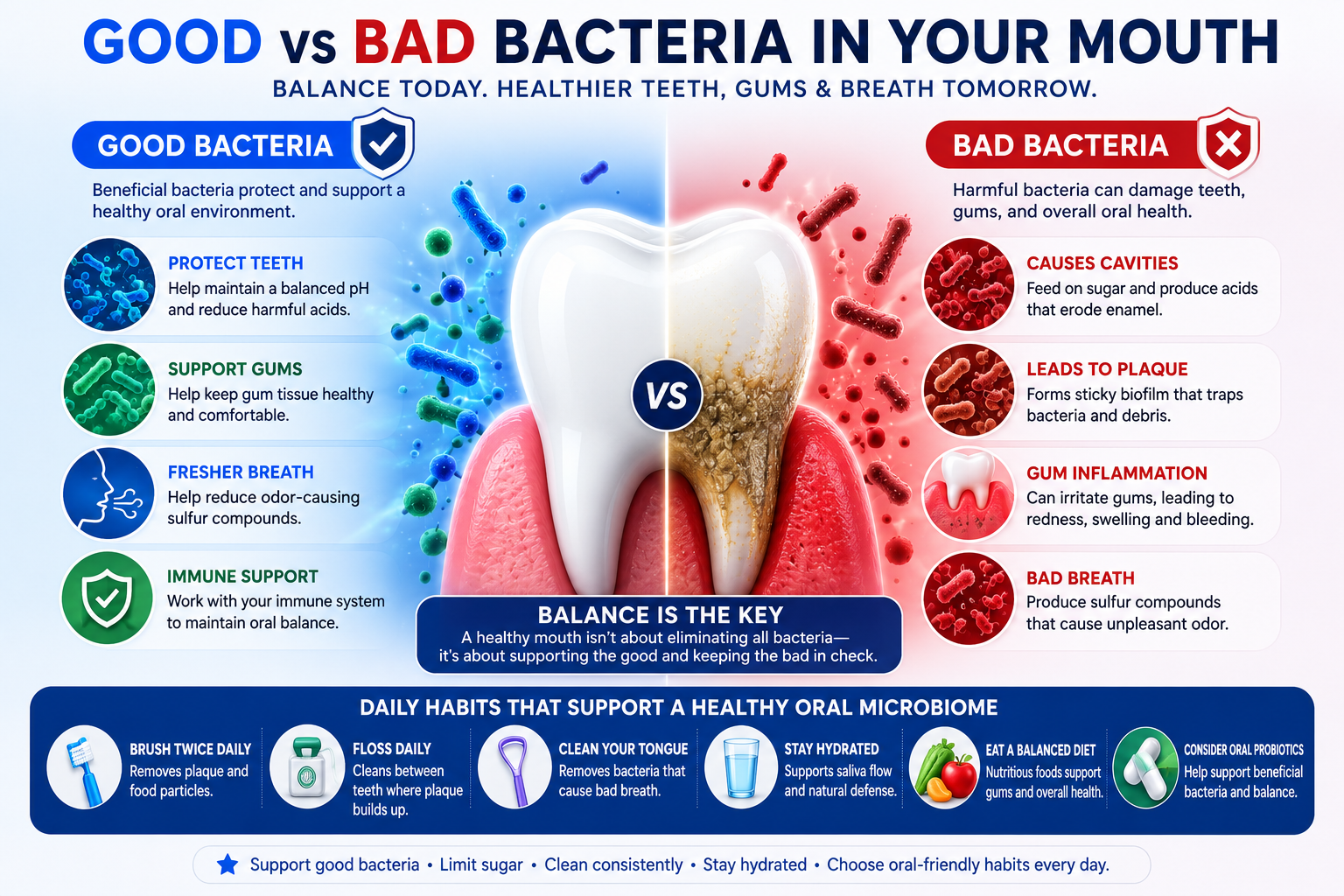
Explore More Expert Guides on Oral Bacteria & Oral Health
Want to understand your oral microbiome even better? These evidence-based guides explain how bacteria influence your teeth, gums, breath, and overall oral health while helping you build healthier daily habits.
🦷 The Science Behind Oral Probiotics
Discover how beneficial bacteria may help support a balanced oral microbiome and healthier gums.
🧬 What Is the Oral Microbiome and Why It Matters?
Learn why scientists consider your oral microbiome one of the most important factors for long-term oral health.
🔬 Why Researchers Are Studying the Oral Microbiome
See the latest discoveries connecting oral bacteria with healthy teeth, gums, and overall wellness.
🦠 How Your Oral Microbiome Protects Teeth Naturally
Understand how beneficial bacteria help defend enamel and maintain a healthier oral environment.
🪥 The Surprising Link Between Oral Bacteria and Tooth Decay
Find out how harmful bacteria contribute to cavities and what you can do to reduce your risk.
🌿 How Oral Bacteria Affect Your Breath Every Day
Learn why bacterial imbalance may contribute to persistent bad breath and what helps restore freshness.
💊 How Antibiotics Affect Oral Health
Understand how antibiotics may temporarily change the balance of bacteria inside your mouth.
⭐ The Ultimate Oral Health Guide 2026
Read our complete pillar guide covering oral probiotics, healthy gums, fresh breath, oral bacteria, plaque, saliva, and the latest scientific discoveries—all in one place.
How to Support a Healthier Balance of Oral Bacteria
The balance between good and bad bacteria in your mouth is influenced by what you eat, how you clean your teeth, how much saliva you produce, and even whether you recently used antibiotics. While harmful bacteria can contribute to cavities, plaque, gum irritation, and bad breath, beneficial bacteria may help support a cleaner and more stable oral environment.
Scientific Studies on Oral Bacteria
Scientific research shows that the mouth contains a highly organized microbial ecosystem. These microorganisms do not simply float around randomly. They form communities on the teeth, tongue, gums, and soft tissues. Researchers call this community the oral microbiome.
Studies suggest that oral health problems often develop when this ecosystem becomes imbalanced. Instead of focusing only on killing bacteria, researchers now pay closer attention to microbial balance, biofilm behavior, inflammation, saliva, diet, and probiotic support.
This is important because a healthy mouth is not a bacteria-free mouth. A healthy mouth is usually one where beneficial bacteria are supported, harmful bacteria are controlled, and daily habits reduce the conditions that allow plaque and acid-producing microbes to dominate.
Oral Probiotics and Bacterial Balance
Oral probiotics are designed to support the mouth’s natural microbial environment. Unlike general probiotics made mainly for digestion, oral probiotics are usually selected for their ability to interact with the bacteria found in the mouth, throat, tongue, gums, and saliva.
The goal is not to replace brushing, flossing, or dental visits. Instead, oral probiotics may work as an additional layer of support by encouraging beneficial bacteria and making it harder for harmful bacteria to dominate.
People interested in oral probiotics often use them as part of a larger routine that includes brushing twice daily, flossing, tongue cleaning, hydration, and a low-sugar diet. Consistency matters because the oral microbiome responds to repeated daily habits over time.
Nutrition: Feeding the Right Oral Environment
Food choices strongly influence oral bacteria. Harmful bacteria often thrive when the mouth is repeatedly exposed to sugar and refined carbohydrates. These bacteria can produce acids that weaken enamel and increase the risk of cavities.
A more oral-friendly diet includes foods that support saliva flow, minerals, and gum health. Crunchy vegetables, leafy greens, protein-rich foods, dairy products, nuts, seeds, and water may help create a better environment for the mouth.
It is not only about how much sugar someone eats, but also how often the teeth are exposed to it. Frequent snacking or sipping sweet drinks throughout the day gives harmful bacteria more opportunities to produce acids. Limiting these repeated exposures may help protect enamel.
Lifestyle Factors That Affect Oral Bacteria
Daily lifestyle habits can either support balance or encourage dysbiosis. Smoking, poor sleep, dehydration, chronic stress, mouth breathing, and irregular oral hygiene may all make the oral environment less favorable for beneficial bacteria.
Hydration is especially important because saliva helps wash away food particles, dilute acids, and support enamel protection. When the mouth becomes dry, harmful bacteria and odor-producing compounds may become more noticeable.
A healthier lifestyle does not need to be complicated. Drinking enough water, keeping a regular brushing routine, cleaning the tongue, eating balanced meals, and visiting the dentist regularly can make a meaningful difference over time.
Antibiotics and the Oral Microbiome
Antibiotics can be important and sometimes necessary when prescribed by a healthcare professional. However, because antibiotics affect bacteria, they may temporarily change the balance of microbes in the mouth as well as other parts of the body.
After antibiotic use, some people may notice changes such as dry mouth, altered taste, or shifts in oral comfort. This does not mean antibiotics should be avoided when medically needed. It simply means the oral microbiome may benefit from extra care during and after treatment.
Supporting hydration, maintaining gentle oral hygiene, eating nutrient-rich foods, and asking a healthcare professional about probiotic support may help create better conditions for microbial recovery.
Daily Habits That Support Good Bacteria
The most effective strategy is a consistent routine. Good bacteria are more likely to thrive when the mouth is clean, moist, and not constantly exposed to sugar or harsh irritants.
- Brush your teeth twice daily using gentle technique.
- Floss once daily to clean areas a toothbrush cannot reach.
- Clean your tongue to reduce odor-causing buildup.
- Drink water regularly to support saliva flow.
- Limit frequent sugar exposure and sticky snacks.
- Eat foods that support teeth, gums, and saliva.
- Consider oral probiotics as part of a complete routine.
- Schedule regular dental checkups and cleanings.
Prevention Checklist for a Balanced Oral Microbiome
- ✔ Brush consistently, especially before bed.
- ✔ Floss daily to disrupt plaque between teeth.
- ✔ Clean the tongue to reduce bacterial coating.
- ✔ Stay hydrated throughout the day.
- ✔ Reduce sugary drinks and frequent snacking.
- ✔ Eat mineral-rich and fiber-rich foods.
- ✔ Avoid smoking and habits that dry the mouth.
- ✔ Support saliva flow with water and sugar-free gum.
- ✔ Use dental products recommended by professionals.
- ✔ Visit a dentist if you notice bleeding gums, pain, swelling, or persistent bad breath.
Build a Healthier Oral Microbiome Step by Step
Learn how oral probiotics, saliva, plaque control, gum support, and fresh breath all connect inside the complete EnergyFix40 oral health guide.
Read the Complete Oral Health Guide →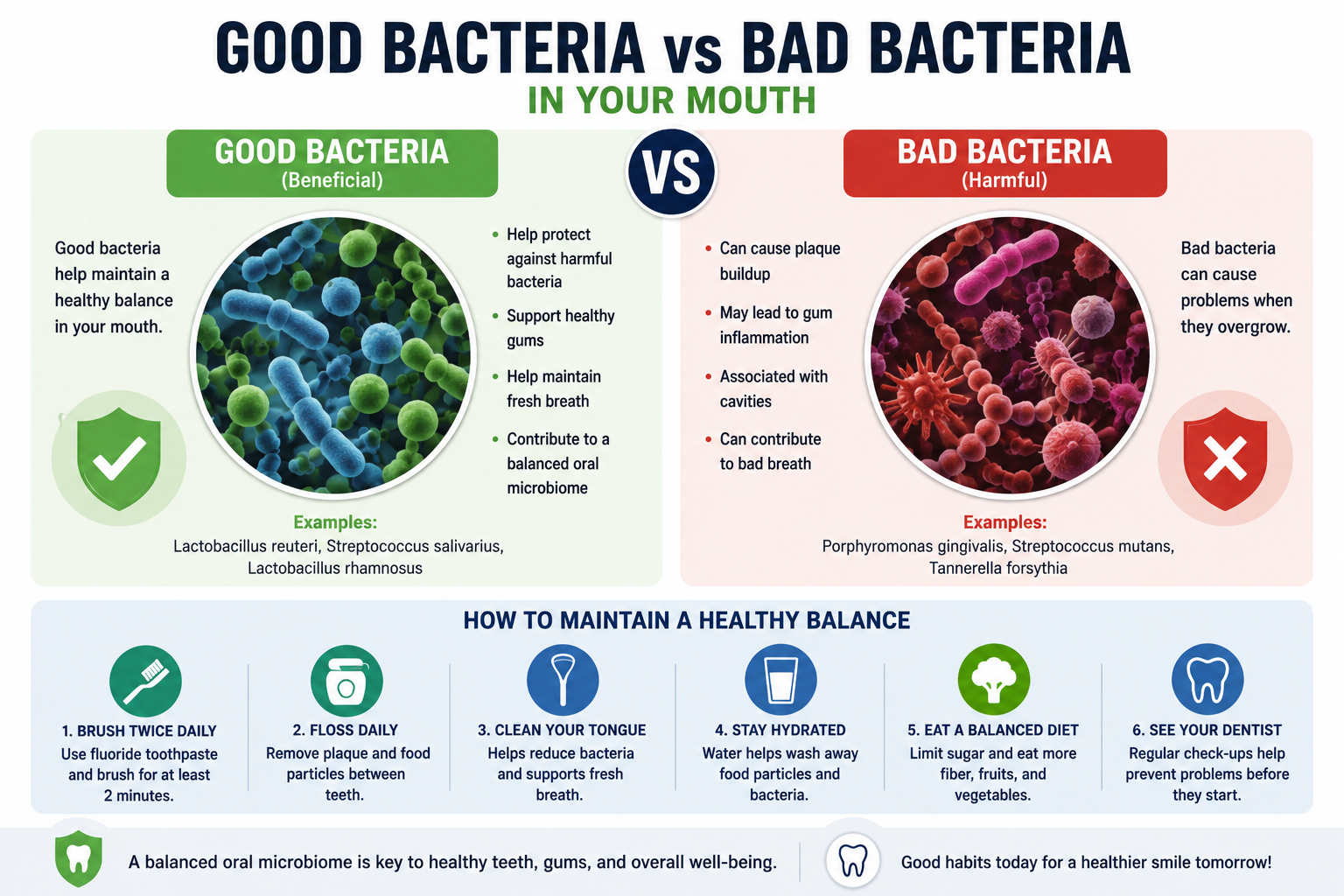
Frequently Asked Questions About Good vs Bad Bacteria in Your Mouth
1. Are all bacteria in the mouth bad?
No. Your mouth naturally contains both beneficial and harmful bacteria. Good bacteria may help support balance, while harmful bacteria can contribute to plaque, cavities, gum irritation, and bad breath when they grow too much.
2. What are good bacteria in the mouth?
Good bacteria are microorganisms that may help maintain a healthier oral environment by competing with harmful bacteria, supporting microbial balance, and helping the mouth stay more stable.
3. What are bad bacteria in the mouth?
Bad bacteria are harmful microbes that may produce acids, contribute to plaque buildup, irritate gums, and create odor-causing compounds linked to bad breath.
4. How do harmful bacteria cause cavities?
Some harmful bacteria feed on sugars and refined carbohydrates. As they break these down, they produce acids that can weaken tooth enamel and increase the risk of cavities over time.
5. Can oral bacteria affect bad breath?
Yes. Certain bacteria on the tongue, gums, and plaque can produce volatile sulfur compounds, which are commonly associated with unpleasant breath.
6. What is oral dysbiosis?
Oral dysbiosis means the bacteria in the mouth are out of balance. This may allow harmful bacteria to dominate and contribute to plaque, gum problems, cavities, or chronic bad breath.
7. Do oral probiotics help good bacteria?
Oral probiotics are designed to support beneficial bacteria in the mouth. They should be used as part of a complete oral care routine, not as a replacement for brushing, flossing, or dental visits.
8. Can mouthwash kill good bacteria too?
Some strong antibacterial mouthwashes may reduce bacteria broadly. They can be helpful in specific situations, but long-term use should follow professional guidance, especially if you are trying to support microbiome balance.
9. What daily habits support good oral bacteria?
Brushing, flossing, tongue cleaning, drinking water, limiting sugar, eating nutrient-rich foods, avoiding smoking, and considering oral probiotics may help support a healthier oral microbiome.
10. When should I see a dentist?
You should see a dentist if you notice bleeding gums, persistent bad breath, tooth pain, swelling, loose teeth, sensitivity, or plaque buildup that does not improve with daily care.
Conclusion: A Healthy Mouth Is a Balanced Mouth
The difference between good and bad bacteria in your mouth is one of the most important ideas in modern oral health. A healthy mouth is not bacteria-free. Instead, it is a balanced ecosystem where beneficial bacteria are supported and harmful bacteria are kept under control.
When this balance is disrupted, harmful bacteria may contribute to plaque, cavities, gum irritation, bad breath, and enamel problems. But with consistent daily habits, better nutrition, proper hydration, professional dental care, and microbiome-friendly support, you can create better conditions for long-term oral wellness.
Focus on balance, not elimination. Support your saliva, clean your teeth and tongue, limit repeated sugar exposure, and choose habits that help your oral microbiome work in your favor every day.
Ready to Build a Healthier Oral Microbiome?
Continue with the complete EnergyFix40 oral health guide and learn how oral probiotics, healthy gums, fresh breath, saliva, plaque control, and bacteria balance all work together.
Read the Ultimate Oral Health Guide →Continue Your Oral Health Journey
If you found this guide helpful, explore these related articles to deepen your understanding of the oral microbiome and discover practical ways to support healthier teeth, gums, and fresher breath.
🦷 How Your Oral Microbiome Protects Teeth
Learn how beneficial bacteria, saliva, and healthy biofilm work together to naturally protect your teeth.
🌿 How Oral Probiotics Support Healthy Gums
Discover how oral probiotics may help maintain bacterial balance and support healthier gums.
🪥 The Surprising Link Between Oral Bacteria and Tooth Decay
See how bacterial imbalance may contribute to cavities and what daily habits can help reduce your risk.
⭐ The Ultimate Oral Health Guide 2026
Explore our complete pillar guide covering oral probiotics, oral bacteria, healthy gums, fresh breath, plaque, saliva, and the latest scientific discoveries.
Support a Healthier Oral Microbiome Every Day
A balanced oral microbiome may play an important role in supporting healthy teeth, comfortable gums, and fresher breath. Alongside brushing, flossing, and regular dental care, many people choose ProDentim as part of their daily oral wellness routine.
✔ Supports beneficial oral bacteria
✔ Helps promote a balanced oral microbiome
✔ Easy once-daily chewable formula
✔ Manufactured in the USA
✔ Backed by a 60-Day Money-Back Guarantee*
*Availability, pricing, promotions, and guarantee terms are determined by the official ProDentim website and may change without notice. This page is intended for educational purposes and should not replace professional dental advice.
Scientific References
The information presented in this article is based on peer-reviewed scientific literature and guidance from internationally recognized health organizations. For readers interested in exploring the science behind the oral microbiome, oral bacteria, and oral health, the following references provide an excellent starting point.
PubMed – The Oral Microbiome: Diversity, Biogeography and Human Health
Baker JL, Mark Welch JL, Kauffman KM, McLean JS, He X. The Oral Microbiome: Diversity, Biogeography and Human Health. Nature Reviews Microbiology. 2024.
PubMed – A Practical Guide to the Oral Microbiome and Its Relation to Health and Disease
Krishnan K, Chen T, Paster BJ. A Practical Guide to the Oral Microbiome and Its Relation to Health and Disease. Oral Diseases.
National Institutes of Health (NIH)
The NIH supports extensive research on the human microbiome, oral bacteria, periodontal disease, and preventive oral health strategies.
National Institute of Dental and Craniofacial Research (NIDCR)
The NIDCR, part of the NIH, provides evidence-based information about oral health, gum disease, cavities, saliva, and preventive dental care.
American Dental Association (ADA)
Evidence-based recommendations on brushing, flossing, plaque control, cavities, gum disease, and maintaining long-term oral health.
Mayo Clinic – Oral Health
Educational resources covering oral hygiene, healthy gums, dental conditions, and preventive care written and reviewed by medical professionals.
Medical Disclaimer: This article is intended for educational purposes only and should not be considered medical or dental advice. Always consult a qualified dentist or healthcare professional regarding diagnosis, treatment, or concerns about your oral health.
RELATED POSTS
View all


Is ProDentim Worth It? An Honest Look at the Benefits, Ingredients, and Who May Benefit
July 18, 2026 | by By EnergyFix40 Editorial Team
Can Oral Health Affect Overall Wellness?
July 18, 2026 | by By EnergyFix40 Editorial Team
The Hidden Cause of Bad Breath Most People Ignore
May 20, 2026 | by By EnergyFix40 Editorial Team