Occasional Effort
May temporarily improve how the mouth feels, but does not provide reliable control of plaque between dental appointments.
July 17, 2026 | by By EnergyFix40 Editorial Team

DAILY ORAL CARE · HEALTHY TEETH · HEALTHY GUMS
Discover simple, science-informed habits that may help protect your teeth, support healthier gums, maintain fresher breath, and promote a more balanced oral environment every day.
Free educational guide · No registration required

Daily habits can support oral health, but they do not replace professional dental examinations, diagnosis, or treatment.
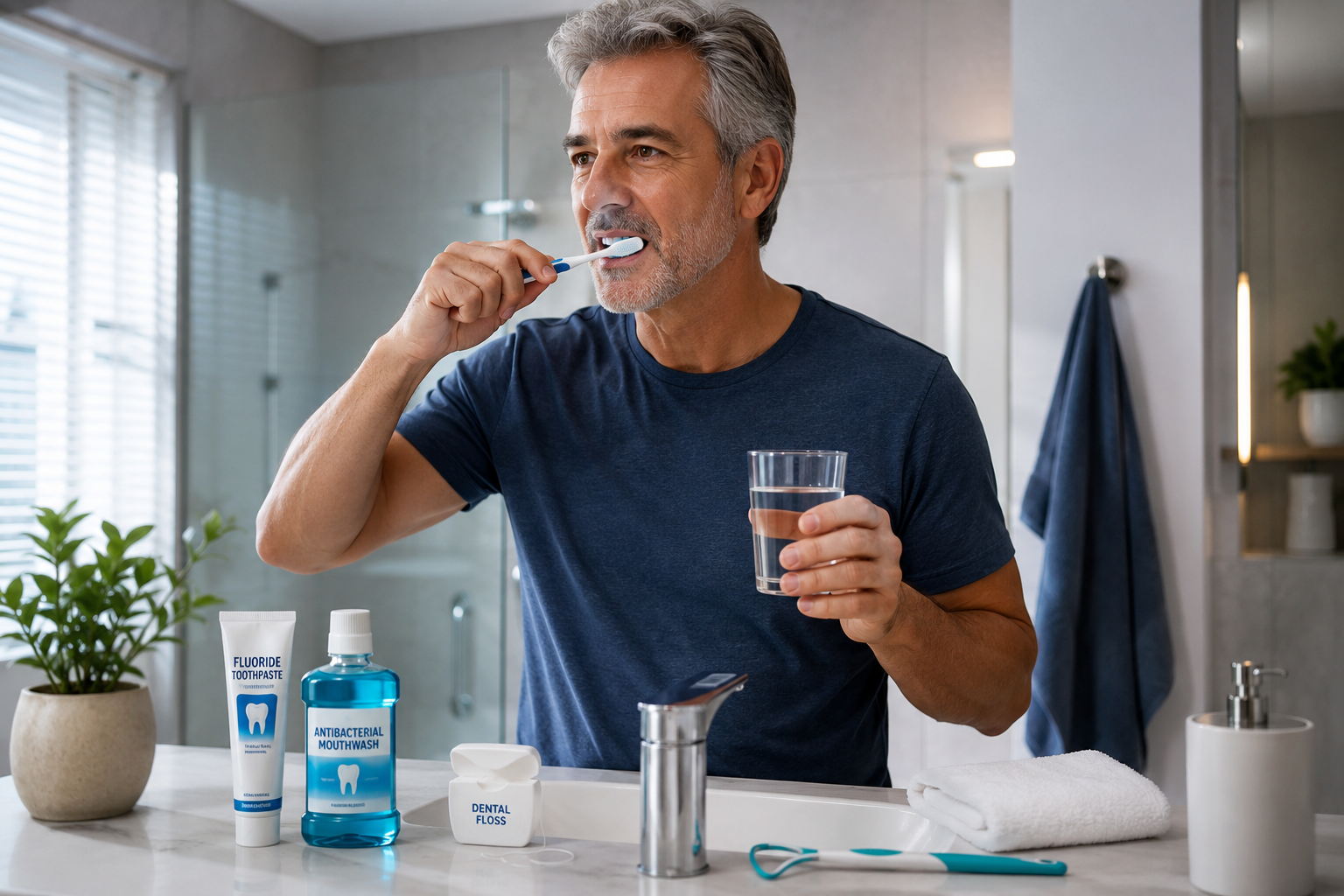
Healthy teeth and gums are not maintained by one product, one dental appointment, or one perfect week of brushing. Oral health is influenced by the small actions repeated every day: how effectively you brush, whether you clean between your teeth, what you eat and drink, how often you expose your teeth to sugar, and whether your mouth produces enough saliva to protect its tissues.
Professional dental care is essential, but the condition of your mouth between appointments is strongly influenced by the routine you follow at home.
Your mouth is a living biological environment. Teeth, gums, saliva, the tongue, food particles and hundreds of microbial species interact continuously. Some microorganisms participate in a stable and healthy oral ecosystem, while others may become more troublesome when plaque is allowed to accumulate or when conditions inside the mouth change.
This does not mean that every bacterium should be eliminated. A healthy mouth is not a sterile mouth. The more realistic objective is to control excessive plaque, support saliva production, limit repeated sugar and acid exposure, and maintain habits that help the oral environment remain relatively balanced.
Dental treatments can repair damage, remove hardened deposits and address existing disease. However, they cannot permanently prevent new plaque from forming. The process begins again after teeth are cleaned because microorganisms naturally attach to oral surfaces and interact with proteins found in saliva.
This is why consistency matters. Brushing carefully once in a while cannot compensate for many days of incomplete plaque removal. In the same way, using dental floss only before an appointment does not provide the same benefit as regularly cleaning the areas a toothbrush may not reach effectively.
The American Dental Association recommends brushing twice daily for approximately two minutes with fluoride toothpaste. Cleaning between the teeth is also important because interdental cleaners can reach surfaces that are difficult to clean with a toothbrush alone.
May temporarily improve how the mouth feels, but does not provide reliable control of plaque between dental appointments.
Repeatedly disrupts plaque, supports fluoride exposure and helps reduce the conditions associated with tooth decay and gum inflammation.
The oral environment changes throughout the day. Eating introduces nutrients that oral bacteria can use. Drinking acidic beverages can temporarily lower the pH around the teeth. Saliva helps dilute acids, wash away loose particles and provide minerals involved in the natural repair of early enamel damage.
When saliva flow is reduced, as can occur during sleep, dehydration, aging or the use of certain medications, the mouth may have less natural protection. This helps explain why dry mouth is associated with greater difficulty controlling plaque, breath odor and tooth decay risk.
Sugars, starches and acids alter the oral environment.
Some bacteria produce acids and other metabolic compounds.
Saliva helps buffer acids and clear loose food particles.
Brushing and interdental cleaning reduce accumulated biofilm.
The oral microbiome includes communities of bacteria, fungi, viruses and other microorganisms living on the teeth, tongue, gums, cheeks and other oral surfaces. Different areas of the mouth provide different habitats, so the organisms found on the tongue may differ from those living near the gumline.
Many oral microorganisms coexist without causing disease and may contribute to a stable ecosystem. Problems are more likely when the environment favors acid-producing or inflammation-associated microbial communities. Researchers often describe this unfavorable shift as dysbiosis.
Diet, tobacco use, dry mouth, hygiene practices, health conditions and certain medications may influence this balance. However, oral microbiome science is still developing. No supplement or single habit has been proven to control every aspect of this complex ecosystem.
Dental biofilm is an organized community of microorganisms attached to a surface and surrounded by a protective matrix. In everyday language, the visible or detectable accumulation on teeth is commonly called dental plaque.
Soon after a tooth surface is cleaned, proteins from saliva form a thin coating. Early microorganisms attach to this coating, multiply and create conditions that allow additional species to join the developing community. As the biofilm becomes more established, it may become harder to remove without effective mechanical cleaning.
When certain plaque bacteria repeatedly receive fermentable carbohydrates, especially added sugars, they can produce acids. Frequent acid exposure may cause minerals to leave the enamel faster than saliva and fluoride can help replace them. Over time, this imbalance may contribute to tooth decay.
Frequency matters as well as quantity. Constant sipping, grazing or snacking may create repeated periods of acid production. Drinking water, limiting frequent sugar exposure and using fluoride toothpaste can be useful parts of a broader preventive routine.
Plaque that is not adequately removed may also absorb minerals from saliva and harden into calculus, commonly called tartar. Unlike soft plaque, hardened calculus generally requires professional dental instruments for safe removal.
When plaque remains near the gumline, the immune system may respond with inflammation. The gums can become red, swollen, tender or more likely to bleed during brushing and flossing. This early stage is commonly known as gingivitis.
Plaque-induced gingivitis is often preventable and may be reversible when plaque control improves and professional care is provided when needed. However, persistent bleeding should not be ignored. Gum inflammation can have more than one cause, and only a dental professional can evaluate whether deeper periodontal disease or another condition is present.
Seek professional advice for persistent bleeding, swelling, gum recession, loose teeth, pain, pus, a lasting unpleasant taste or chronic bad breath. Do not rely on an online article or supplement to diagnose these symptoms.
Oral health does not depend only on a toothbrush. Tobacco exposure, frequent sugar consumption, inadequate nutrition, chronic dry mouth, stress and inconsistent sleep can indirectly or directly affect the mouth. Smoking, for example, is an important risk factor for periodontal disease and may also make some warning signs less obvious.
Stress may interfere with routines, influence food choices and contribute to clenching or grinding. Poor sleep may reduce motivation for consistent self-care. Some medications can reduce saliva flow, while health conditions such as diabetes may require closer coordination between medical and dental professionals.
The practical lesson is that oral health should be treated as part of whole-person health. Brushing, cleaning between the teeth, eating a balanced diet, drinking enough water, avoiding tobacco and attending regular dental appointments work together. None of these actions is a universal guarantee, but together they create a stronger foundation for long-term prevention.
Explore our comprehensive guide to the oral microbiome, healthier gums, fresher breath, stronger teeth, nutrition and evidence-informed daily care.
Read the Ultimate Oral Health Guide → Free educational resource · No registration requiredEducational notice: This content is for general informational purposes and does not replace diagnosis, treatment or personalized advice from a licensed dentist or other qualified healthcare professional.
```Healthy habits work best when combined with reliable information. Explore our evidence-based guides to better understand your oral microbiome, protect your gums, and create a long-term oral care routine.
Discover the complete science behind healthy teeth, healthier gums, fresh breath and the oral microbiome.
Read Guide →Learn how beneficial and harmful bacteria influence your teeth, gums and long-term oral health.
Explore Science →Recognize common warning signs early and learn practical ways to support healthier gums every day.
Learn More →Oral health is shaped by repeated exposure to plaque, sugars, acids, tobacco, dry mouth and other lifestyle factors. No single habit can prevent every dental problem, but combining effective cleaning, balanced nutrition, hydration and professional care can create a stronger foundation for healthier teeth and gums.
A realistic routine followed every day is usually more useful than an aggressive routine followed only occasionally. Begin with the habits most relevant to your needs and make them easier to repeat.
Brush your teeth twice a day for approximately two minutes using a soft-bristled toothbrush and fluoride toothpaste. Brushing disrupts plaque on accessible tooth surfaces, while fluoride helps strengthen enamel and supports remineralization after acid exposure.
Use gentle circular or short back-and-forth movements and clean along the gumline without scrubbing aggressively. Excessive force can irritate gum tissue and contribute to toothbrush abrasion. Replace the brush or brush head when the bristles become frayed.
Toothbrush bristles may not clean the contact areas between teeth effectively. Daily flossing or another appropriate interdental cleaning method helps remove plaque and food particles from these difficult-to-reach spaces.
Guide the floss gently between the teeth, curve it around the side of each tooth and move it beneath the gum margin without snapping it into the tissue. Interdental brushes, water flossers or specialized tools may be easier for people with braces, bridges, implants or limited hand mobility.
The tongue has grooves and surface structures that can retain microorganisms, dead cells and food debris. This coating may contribute to unpleasant breath, especially when oral hygiene is incomplete or saliva flow is reduced.
Clean the tongue gently once a day with a tongue scraper or the bristles of a toothbrush. Move from the back toward the front without using excessive pressure. Tongue cleaning may reduce coating and improve the feeling of freshness, but it does not treat every cause of chronic bad breath.
Water helps rinse away loose food particles and supports normal hydration. Adequate hydration is also important for saliva production. Saliva lubricates oral tissues, helps neutralize acids and carries minerals involved in protecting tooth enamel.
Sip plain water throughout the day, particularly after meals, coffee or acidic drinks. Water is not a substitute for brushing, but it is a better routine beverage than soda, sweetened tea or frequent sports drinks. People with persistent dry mouth should discuss possible causes with a healthcare professional.
Certain oral bacteria metabolize fermentable carbohydrates and produce acids. Frequent acid production may shift the balance toward enamel mineral loss and increase the likelihood of tooth decay.
The frequency of exposure is important. Slowly sipping a sweetened beverage or eating sugary snacks repeatedly can create multiple acid challenges throughout the day. Reserve sweets for mealtimes when possible, check labels for added sugars and choose unsweetened drinks more often.
Vegetables, fruits, beans, whole grains, nuts and seeds provide fiber and nutrients that support general health. Foods that require chewing may also stimulate saliva, which contributes to natural oral cleansing and acid buffering.
Firm fruits and vegetables can be useful parts of a balanced diet, but they do not mechanically “brush” teeth and cannot replace oral hygiene. Dried fruits may be sticky and concentrated in natural sugars, so portion size and eating frequency still matter.
Calcium is an important structural mineral in bones and teeth. Vitamin D helps the body absorb calcium and supports normal bone metabolism. A balanced diet can provide these nutrients through dairy products, fortified foods, leafy vegetables, fish and other sources.
These nutrients support the body, but taking supplements does not remove plaque or replace dental treatment. Excessive supplementation can also be harmful. People considering calcium or vitamin D supplements should discuss their diet, medications and health history with a qualified healthcare professional.
Soda, energy drinks, sports drinks, citrus beverages and some flavored waters can be acidic. Frequent contact with acid may soften the enamel surface and contribute to dental erosion, even when a beverage contains little or no sugar.
Consume acidic drinks less often, avoid holding or swishing them around the mouth and rinse with plain water afterward. Because enamel may be temporarily softened after acid exposure, avoid aggressive brushing immediately after consuming a highly acidic drink.
Tobacco use is strongly associated with periodontal disease, oral cancer, tooth loss, delayed healing and other oral health problems. Smoking may also alter the appearance of gum inflammation, making bleeding less noticeable even when periodontal damage is developing.
Avoid cigarettes, cigars, pipes and smokeless tobacco. People who currently use tobacco can seek evidence-based cessation support from a physician, dentist or recognized public-health program. Stopping tobacco use benefits both oral and overall health.
Sleep does not clean teeth directly, but it supports general health, immune regulation and the ability to maintain consistent routines. Fatigue may make people more likely to skip brushing, snack late at night or rely on sweetened beverages for energy.
During sleep, saliva flow naturally decreases. This makes the nighttime brushing routine particularly important. Brush carefully before bed and avoid going to sleep with sugar or acidic beverage residue remaining on the teeth.
Chronic stress may affect oral health indirectly by disrupting sleep, changing food choices, reducing self-care and contributing to tobacco use or other unhealthy coping behaviors. Some people also clench or grind their teeth during stressful periods.
Regular physical activity, relaxation exercises, a consistent sleep schedule and professional mental-health support can be useful parts of stress management. Jaw pain, worn teeth, morning headaches or suspected grinding should be discussed with a dentist.
The oral microbiome is a diverse community of microorganisms living on the teeth, tongue, gums and other oral surfaces. Many microbes are harmless or potentially helpful, while disease may become more likely when ecological conditions favor acid-producing or inflammation-associated communities.
Support a healthier oral environment by controlling plaque, limiting frequent sugar exposure, staying hydrated, avoiding tobacco and maintaining professional care. Oral probiotics are being studied, but evidence differs by strain, outcome and study design. They should not replace fluoride toothpaste, interdental cleaning or dental treatment.
Most oral health problems do not develop after one missed brushing session, one sugary snack, or one stressful day. They usually develop through repeated patterns that gradually influence plaque accumulation, enamel exposure, gum inflammation, saliva flow, and the oral environment.
The same principle applies to prevention. A single healthy meal or one thorough cleaning session cannot provide permanent protection. Long-term results are more likely when helpful behaviors are repeated consistently enough to interrupt harmful cycles before they become established.
Brushing twice daily, for example, regularly disrupts dental plaque before it becomes more mature and difficult to remove. Cleaning between the teeth targets surfaces that toothbrush bristles may not reach effectively. Drinking water helps support hydration and saliva production, while reducing the frequency of added sugar limits how often acid-producing bacteria receive fuel.
These habits may seem small when considered individually, but their effects can accumulate. Each action contributes to a broader system of protection. Fluoride toothpaste supports enamel remineralization, interdental cleaning helps control plaque near the gums, and balanced food choices support both oral and general health.
Consistency also makes it easier to notice changes. Someone who follows a stable routine may be more likely to recognize persistent bleeding, sensitivity, dry mouth, unusual breath odor, or discomfort. Identifying these warning signs early can lead to faster professional evaluation and may prevent a manageable problem from becoming more complicated.
Daily brushing and interdental cleaning prevent plaque from remaining undisturbed for extended periods around the teeth and gumline.
Fluoride exposure, saliva, water, and reduced acid frequency help support the balance between mineral loss and natural repair.
Controlling plaque near the gumline may reduce the conditions that contribute to redness, swelling, tenderness, and bleeding.
Simple routines are often easier to repeat than complicated plans, making long-term adherence more realistic.
A cleaner mouth, less food debris, and improved awareness of your oral-care routine may be noticed.
Consistent plaque control may support fresher breath and healthier gum appearance when no untreated disease is present.
Repeated preventive habits may help reduce cumulative exposure to plaque, sugar, acids, tobacco, and dry-mouth-related risks.
Daily care combined with professional examinations creates a more reliable strategy for protecting teeth and gums over time.
Results vary according to existing dental conditions, age, medications, saliva flow, diet, tobacco exposure, health status, technique, and consistency. Daily habits cannot reverse advanced disease without professional care.
The table below shows how common daily behaviors may influence the oral environment when repeated over time.
| Daily Area | Poor Habit | Healthier Habit | Why It Matters |
|---|---|---|---|
| Brushing | Brushing quickly, inconsistently, or with excessive pressure. | Brush twice daily for about two minutes with fluoride toothpaste and gentle technique. | Helps disrupt plaque while supporting enamel protection. |
| Interdental Care | Cleaning between the teeth only when food becomes trapped. | Use floss or another suitable interdental cleaner every day. | Reaches areas that toothbrush bristles may miss. |
| Tongue Cleaning | Ignoring visible tongue coating and relying only on mouthwash. | Clean the tongue gently with a scraper or toothbrush. | May reduce coating, debris, and some odor-producing compounds. |
| Hydration | Drinking little water and relying on sweetened beverages. | Sip plain water regularly and address persistent dry mouth. | Hydration supports saliva production and natural oral cleansing. |
| Sugar Exposure | Frequent sugary snacks or slowly sipping sweet drinks. | Limit added sugar and reduce the frequency of exposure. | Fewer sugar exposures may mean fewer periods of bacterial acid production. |
| Acidic Drinks | Frequently consuming soda, energy drinks, or acidic beverages. | Choose water more often and consume acidic drinks less frequently. | Repeated acid exposure may contribute to enamel erosion. |
| Nutrition | Eating mostly highly processed, sticky, or sugary foods. | Choose vegetables, whole fruits, protein sources, dairy or fortified alternatives, and fiber-rich foods. | Balanced nutrition supports oral tissues and general health. |
| Tobacco | Smoking or using smokeless tobacco products. | Avoid tobacco and seek evidence-based cessation support. | Tobacco is associated with periodontal disease, tooth loss, delayed healing, and oral cancer. |
| Night Routine | Going to sleep without brushing after eating or drinking. | Clean between the teeth and brush thoroughly before bed. | Saliva flow naturally decreases during sleep. |
| Dental Visits | Visiting a dentist only when pain becomes severe. | Attend examinations and professional cleanings according to individual risk. | Professional care can identify problems that home care cannot diagnose or treat. |
Learn how oral bacteria, gum health, nutrition, hydration, lifestyle, saliva, fresh breath, and professional care work together in our comprehensive oral health guide.
Educational notice: Improvements in daily habits may support oral health but cannot replace a dental diagnosis or treatment. Persistent bleeding, pain, swelling, loose teeth, mouth sores, or chronic bad breath should be evaluated by a qualified professional.
```Support healthier gums, fresher breath and a balanced oral microbiome with two of today's most popular oral health supplements.
A daily oral probiotic formulated to help support beneficial bacteria in the mouth while complementing your regular brushing and flossing routine.
An advanced oral health formula designed to complement daily dental care and support long-term oral wellness.
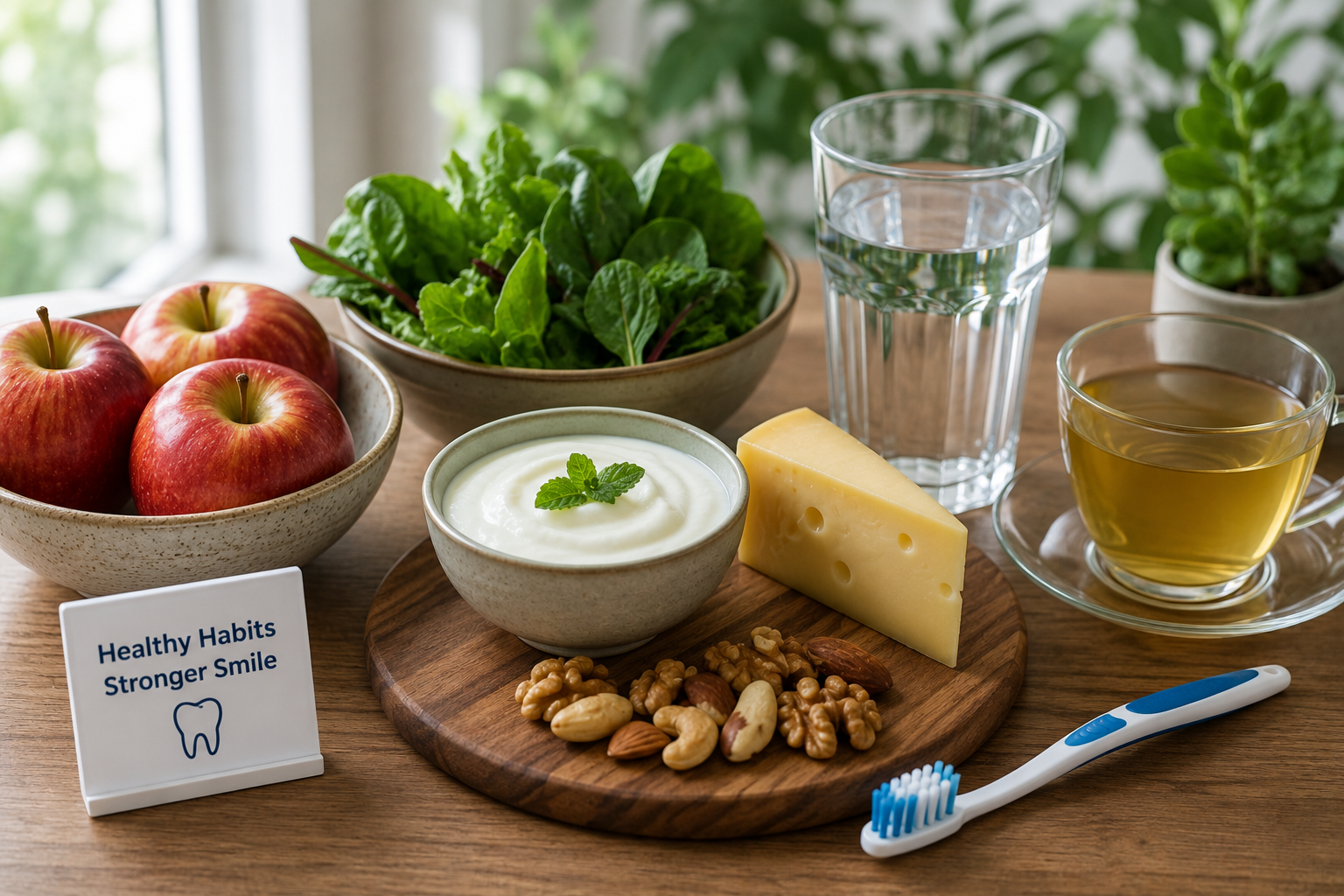
Daily habits become more effective when you understand the oral microbiome, gum health, fresh breath, dry mouth, nutrition, and the role of oral probiotics. Explore these related evidence-informed resources from EnergyFix40.
Explore the complete connection between oral bacteria, healthy gums, strong teeth, fresh breath, nutrition, lifestyle, daily care, and oral probiotics.
Read the Complete Guide →Learn how microbial communities on the teeth, tongue, and gums may influence plaque, cavities, inflammation, and breath.
Explore the Microbiome →Discover common warning signs associated with plaque buildup, tongue coating, gum irritation, dry mouth, and persistent breath problems.
View the Warning Signs →Understand why bleeding, redness, swelling, recession, and chronic bad breath may require closer attention.
Protect Your Gums →Learn why tongue coating, gum inflammation, biofilm, dry mouth, and other factors may continue causing odor.
Understand Bad Breath →Explore practical strategies involving hydration, tongue cleaning, diet, saliva, plaque control, and professional care.
Improve Daily Freshness →See why flossing, tongue cleaning, nutrition, saliva, hydration, and dental visits also matter for long-term prevention.
Build a Complete Routine →Learn why researchers and consumers are interested in bacterial strains designed to interact with the oral environment.
Explore Oral Probiotics →Review the probiotic strains and supporting ingredients commonly discussed in relation to oral microbiome support.
Review the Ingredients →Start with the Ultimate Oral Health Guide and use the related articles to explore each topic in greater detail.
Scientific evidence strongly supports regular plaque control, fluoride exposure, reduced sugar frequency, tobacco avoidance and professional dental care. Research is also examining how diet, sleep, stress, saliva and oral probiotics may influence the oral environment.
Not every association proves direct cause and effect. Study duration, participant health, oral-care technique, diet, product formulation and existing dental disease can all influence the results.
Preventive dentistry is based on repeatedly controlling the conditions that contribute to tooth decay and gum disease. Clinical studies and systematic reviews generally support brushing with fluoride toothpaste, cleaning between the teeth, limiting frequent sugar exposure and receiving professional care according to individual risk.
These interventions do not guarantee that a person will never develop a cavity or periodontal problem. Genetics, saliva flow, medications, diabetes, smoking, access to dental care and existing restorations can change individual risk. However, consistent preventive behavior remains one of the most practical ways to reduce avoidable exposure.
Fluoride toothpaste, mechanical plaque removal, reduced sugar frequency, tobacco avoidance and regular dental evaluation.
Specific oral probiotics, microbiome-directed products and some behavioral interventions require more standardized research.
Brushing removes plaque from exposed tooth surfaces and delivers fluoride through toothpaste. Fluoride supports remineralization and makes enamel more resistant to repeated acid challenges. Technique, duration and coverage matter; quickly brushing only the visible front teeth leaves other surfaces insufficiently cleaned.
Cleaning between the teeth complements brushing. Floss, interdental brushes and water flossers differ in design, and the best choice depends on tooth spacing, restorations, orthodontic appliances, dexterity and professional recommendations. Mouthwash may be helpful for some people, but it should not be treated as a replacement for mechanical cleaning.
Diet affects teeth both directly and indirectly. Oral bacteria can metabolize fermentable carbohydrates and produce acids. When sugary foods or drinks are consumed repeatedly, the teeth experience frequent periods in which mineral loss may exceed natural repair.
A balanced dietary pattern that includes vegetables, whole fruits, protein sources, calcium-containing foods and adequate water supports general and oral health. Fiber-rich foods may stimulate chewing and saliva, but no food cleans teeth well enough to replace brushing. Frequency, texture, acidity and the overall eating pattern are more informative than labeling one food as universally “good” or “bad.”
Oral probiotics contain selected microorganisms intended to interact with microbial communities in the mouth. Researchers have studied certain strains in relation to breath odor, plaque, gingival inflammation and other outcomes. Some trials report potential short-term benefits, while others show limited or inconsistent effects.
Results cannot be applied equally to every probiotic. Effects may be strain-specific and influenced by dose, delivery method, treatment duration and participant health. More large, independent and longer-term studies are needed before broad conclusions can be made.
Research has identified associations between poor sleep and periodontal health, but the relationship is complex. Sleep affects immune regulation, behavior and metabolic health, while dental pain, stress and sleep-disordered breathing may also disturb sleep.
Poor sleep can make daily care less consistent and may increase reliance on frequent snacks or sweetened drinks. Since saliva flow decreases during sleep, completing oral hygiene before bed is especially important.
Stress may influence oral health through skipped hygiene, tobacco use, dietary changes and reduced sleep. It can also contribute to jaw clenching, tooth grinding and discomfort in the chewing muscles.
Stress management cannot treat infection or repair damaged teeth, but it may improve adherence to healthy routines. Persistent jaw pain, worn teeth, headaches or suspected grinding should be discussed with a dental professional.
Saliva helps lubricate tissues, clear food particles, buffer acids and protect against tooth decay. Dry mouth may result from dehydration, medications, health conditions, cancer treatment or other causes. Simply drinking water may provide temporary comfort without resolving the underlying cause.
Use this checklist as a general starting point and adapt it to your dentist’s recommendations.
Everyone benefits from preventive care, but some groups may require additional monitoring, modified tools or more frequent professional support.
Gum recession, medications, previous dental work and cumulative disease exposure may increase the importance of personalized care.
Smoking is associated with severe gum disease, delayed healing, tooth loss and oral cancer. Cessation support is a central priority.
Reduced saliva may raise the risk of cavities, infections, tissue soreness and difficulty chewing or swallowing.
Diabetes and periodontal health can influence one another. Coordinated medical and dental management is especially important.
Limited dexterity, dry mouth, root exposure, dentures and multiple medications can make routine adaptation necessary.
Brackets, wires and aligners create additional plaque-retention areas that require careful cleaning and professional instruction.
Explore oral bacteria, healthy gums, fresh breath, nutrition, lifestyle, oral probiotics and professional prevention in one comprehensive educational resource.
Medical notice: This guide provides general educational information and does not diagnose or treat dental or medical conditions. Individual recommendations should come from a licensed dentist or other qualified healthcare professional who knows your health history.
```
Building a healthier oral-care routine does not require perfection, but it does require consistency. The answers below explain how brushing, interdental cleaning, nutrition, hydration, sleep, stress management and professional dental care work together.
These answers provide general education. Individual recommendations may differ according to age, medications, restorations, orthodontic appliances, saliva flow, medical conditions and existing dental disease.
The most important habits are brushing twice daily with fluoride toothpaste, cleaning between the teeth every day, limiting frequent sugar exposure, drinking water, avoiding tobacco and attending dental examinations according to your individual needs.
Tongue cleaning, balanced nutrition, adequate sleep and management of dry mouth may provide additional support. The greatest benefit usually comes from combining several realistic habits rather than relying on one product or treatment.
Brushing twice daily is essential, but it may not clean the contact surfaces between teeth effectively. Plaque and food debris can remain in areas where toothbrush bristles cannot reach.
A complete routine should also include daily interdental cleaning, appropriate fluoride exposure, tongue cleaning when useful, balanced food choices and regular professional care. Some people may need additional products or more frequent visits based on their cavity or periodontal risk.
Flossing helps remove plaque from the narrow spaces between teeth and near the gumline. These areas may retain plaque even when the visible surfaces feel clean after brushing.
Floss should be guided gently around the side of each tooth rather than snapped into the gums. Interdental brushes, water flossers or other devices may be more appropriate for people with wider spaces, braces, implants, bridges or limited hand mobility.
Yes. Food and drink influence the nutrients available to oral microorganisms and the acidity surrounding the teeth. Certain bacteria metabolize fermentable carbohydrates and produce acids that may contribute to enamel mineral loss.
The frequency of sugar exposure can be particularly important. Slowly sipping sweetened beverages or frequently eating sugary snacks may create repeated acid challenges. A balanced diet rich in vegetables, whole fruits, proteins and fiber supports general health and may also support a healthier oral environment.
Research has identified associations between inadequate sleep and poorer periodontal outcomes, but this does not prove that sleep loss directly causes gum disease. Immune function, metabolic health, stress, tobacco use and daily hygiene may all influence the relationship.
Poor sleep may also make people more likely to skip brushing, snack late at night or rely on sweetened drinks. Because saliva flow naturally decreases during sleep, thorough oral care before bed is especially important.
Stress may influence oral health indirectly by changing sleep, eating habits and self-care. Some people skip brushing, consume more sugar or use tobacco during stressful periods.
Stress can also contribute to jaw clenching or tooth grinding, which may cause headaches, tooth wear, sensitivity or discomfort in the chewing muscles. Stress management may support healthier routines, but it cannot treat cavities, infection or periodontal disease.
There is no single amount of water that is appropriate for every person. Hydration needs vary according to body size, climate, physical activity, diet, health conditions and medications.
Drinking plain water regularly can help rinse loose particles and support normal saliva production. However, persistent dry mouth may be caused by medications or health conditions and should not be managed only by drinking more water.
No. Oral probiotics do not mechanically remove plaque, clean food debris from between teeth or deliver the same established enamel protection as fluoride toothpaste.
Certain probiotic strains are being studied for breath odor, plaque and gum-related outcomes, but results vary by strain, formulation, dose and study design. An oral probiotic should be considered only as a possible supportive addition, not as a replacement for brushing, interdental cleaning or necessary treatment.
The timeline depends on the condition being addressed. A cleaner feeling or reduced food debris may be noticed quickly after improving technique. Mild plaque-related gum irritation may improve over time when plaque control is effective and no deeper disease is present.
Cavities, hardened tartar, advanced periodontal disease, infection and damaged restorations cannot be corrected through home habits alone. Age, tobacco use, diabetes, dry mouth, medications and consistency may also influence progress.
Yes. Daily care and professional dental care serve different purposes. Brushing and interdental cleaning help control plaque at home, while dental examinations can identify cavities, periodontal changes, damaged restorations, oral lesions and other problems that may not cause early symptoms.
The correct interval is not identical for everyone. People with active gum disease, frequent cavities, diabetes, dry mouth, orthodontic appliances, implants or tobacco exposure may require a more individualized schedule.
Strong oral health habits combine effective plaque removal, fluoride, interdental cleaning, hydration, balanced nutrition, tobacco avoidance and professional dental care. Optional products may support this foundation, but they should never replace it.
Medical notice: Seek professional care for persistent bleeding, swelling, pain, loose teeth, mouth sores, pus, difficulty swallowing or chronic bad breath. This FAQ cannot diagnose or treat dental or medical conditions.
The strongest oral-care strategy is not based on one product, one ingredient or one occasional treatment. It is built through simple preventive habits repeated consistently and combined with professional dental care.
Current evidence supports several practical behaviors that may help protect teeth and gums. Brushing twice daily with fluoride toothpaste, cleaning between the teeth, limiting frequent sugar exposure, avoiding tobacco and attending appropriate dental examinations remain central parts of preventive oral care.
Studies also suggest that hydration, balanced nutrition, tongue cleaning, adequate sleep and attention to stress may support the oral environment indirectly or improve a person’s ability to maintain a consistent routine. Some research has reported potential benefits from specific oral probiotic strains for outcomes such as breath odor, plaque or mild gum inflammation. However, these findings are not universal and should be interpreted cautiously.
Oral health research has important limitations. Many studies are small, short in duration or use different products, bacterial strains, participant groups and measurement methods. Results from one formulation cannot automatically be applied to every supplement or oral-care product. Lifestyle factors, medications, age, saliva flow, tobacco exposure, diabetes and existing dental disease may also influence outcomes.
For these reasons, no single habit can guarantee freedom from cavities, gum disease, bad breath or tooth loss. Daily care can reduce avoidable risks, but it cannot remove hardened tartar, repair cavities, diagnose periodontal disease or replace treatment from a qualified dental professional.
Brush twice a day for approximately two minutes using fluoride toothpaste and gentle technique. Clean all tooth surfaces and the gumline without applying excessive pressure.
Floss or another appropriate interdental tool can remove plaque from areas that toothbrush bristles may not reach effectively.
Gentle tongue cleaning may reduce coating, retained debris and some odor-producing compounds, but it does not treat every cause of chronic bad breath.
Vegetables, whole fruits, protein sources, fiber-rich foods and calcium-containing foods can support general health while reducing reliance on frequent sugary snacks.
Plain water helps rinse loose particles and supports hydration. Persistent dry mouth may require professional evaluation, especially when medications or health conditions are involved.
Professional examinations can identify cavities, gum changes, oral lesions and damaged restorations that may not cause obvious symptoms during their early stages.
An elaborate routine followed only occasionally is unlikely to provide reliable protection. A simpler routine that is performed correctly every morning and evening is generally more sustainable.
Make healthy behaviors easier to repeat. Keep oral-care products visible, use reminders, complete the nighttime routine before becoming tired and choose tools that match your needs and physical abilities. People with braces, implants, bridges, dentures or limited hand mobility may benefit from personalized instruction.
Use fluoride toothpaste and spend enough time cleaning the front, back and chewing surfaces of every tooth.
Choose floss, interdental brushes or another tool recommended for your tooth spacing, restorations or orthodontic appliances.
Avoid aggressive scraping and seek professional advice when coating, discomfort or unpleasant breath persists.
Reduce frequent exposure to added sugar and acidic drinks while emphasizing whole foods, protein, fiber and essential nutrients.
Use plain water as your main beverage and discuss persistent dry mouth with a dentist, physician or pharmacist.
Follow an examination and cleaning schedule based on your oral health, medical history and professional recommendations.
Explore our comprehensive guide to healthier gums, stronger teeth, fresh breath, the oral microbiome, nutrition, lifestyle and evidence-informed preventive care.
Medical notice: This article is intended for general education and does not replace diagnosis, treatment or personalized advice. Seek professional care for persistent bleeding, swelling, pain, loose teeth, mouth sores, pus, difficulty swallowing or chronic bad breath.
Strengthen your understanding of oral bacteria, healthy gums, fresh breath and oral probiotics with these related evidence-informed guides.
Explore healthy gums, stronger teeth, fresh breath, nutrition, lifestyle, the oral microbiome and complete daily prevention.
Read the Complete Guide →Understand how microbial communities on your teeth, gums and tongue may influence plaque, cavities, inflammation and breath.
Explore the Science →Learn why bleeding, redness, swelling, gum recession and persistent bad breath should not be ignored.
Protect Your Gums →Review the growing interest in probiotic strains designed to interact with the oral environment and support a complete daily routine.
Learn About Oral Probiotics →Use the pillar page as your central resource and explore the other guides for deeper explanations of each oral health topic.
Discover ProDentim, an oral probiotic formula designed to complement brushing, flossing and daily oral hygiene.
This article was prepared using information from internationally recognized medical organizations, peer-reviewed journals and evidence-based clinical resources related to preventive dentistry, oral microbiology, periodontal health and oral hygiene.
Research on oral health, microbiome, preventive medicine and systemic health.
https://www.nih.gov/Database of peer-reviewed biomedical and dental research publications.
https://pubmed.ncbi.nlm.nih.gov/Scientific literature and biomedical resources supporting evidence-based healthcare.
https://www.nlm.nih.gov/Professional guidance on oral hygiene, prevention and dental care.
https://www.ada.org/Patient education covering oral health, gum disease and preventive care.
https://www.mayoclinic.org/Research and educational resources on oral diseases and dental science.
https://www.nidcr.nih.gov/Clinical recommendations focused on preventive oral healthcare.
https://www.agd.org/Scientific guidance related to periodontal disease prevention and treatment.
https://www.perio.org/Leading peer-reviewed journal covering periodontal and implant research.
https://onlinelibrary.wiley.com/journal/1600051xOpen-access scientific research on oral microbiome, prevention and clinical dentistry.
https://www.frontiersin.org/journals/oral-healthHigh-impact reviews covering microbiome science and microbial ecology.
https://www.nature.com/nrmicro/Systematic reviews evaluating the effectiveness and quality of healthcare interventions.
https://www.cochranelibrary.com/The information presented in this article reflects current scientific knowledge available at the time of publication. Research on oral probiotics, the oral microbiome and preventive dentistry continues to evolve. Some findings are supported by randomized clinical trials and systematic reviews, while other areas remain under investigation. Individual responses may vary, and no supplement should replace daily brushing, flossing, tongue cleaning or regular dental examinations.
View all


July 21, 2026 | by By EnergyFix40 Editorial Team
June 12, 2026 | by By EnergyFix40 Editorial Team
July 3, 2026 | by By EnergyFix40 Editorial Team