
EnergyFix40 | Reclaim Your Vitality After 40

How Many Bacteria Live in Your Mouth?

July 19, 2026 | by pinheirodacostavilmar@gmail.com

🦷 SCIENCE-BASED ORAL HEALTH GUIDE

How Many Bacteria Live in Your Mouth?
The Surprising Science Behind Your Oral Microbiome

Your mouth contains an astonishing ecosystem of microorganisms. While many people think all bacteria are harmful, scientists now know that a healthy mouth depends on maintaining the right balance between beneficial and harmful microbes. Understanding this invisible community may help explain bad breath, gum health, cavities, and why oral hygiene is about more than simply killing bacteria.

📅 Updated: July 2026
⏱️ Reading Time: 16 Minutes
✔ Evidence-Based
Medical Disclaimer: This article is intended for educational purposes only and should not replace professional dental or medical advice, diagnosis, or treatment. Always consult your dentist or healthcare provider regarding oral health concerns.

Your Mouth Is Home to One of the Most Complex Microbial Ecosystems in the Human Body

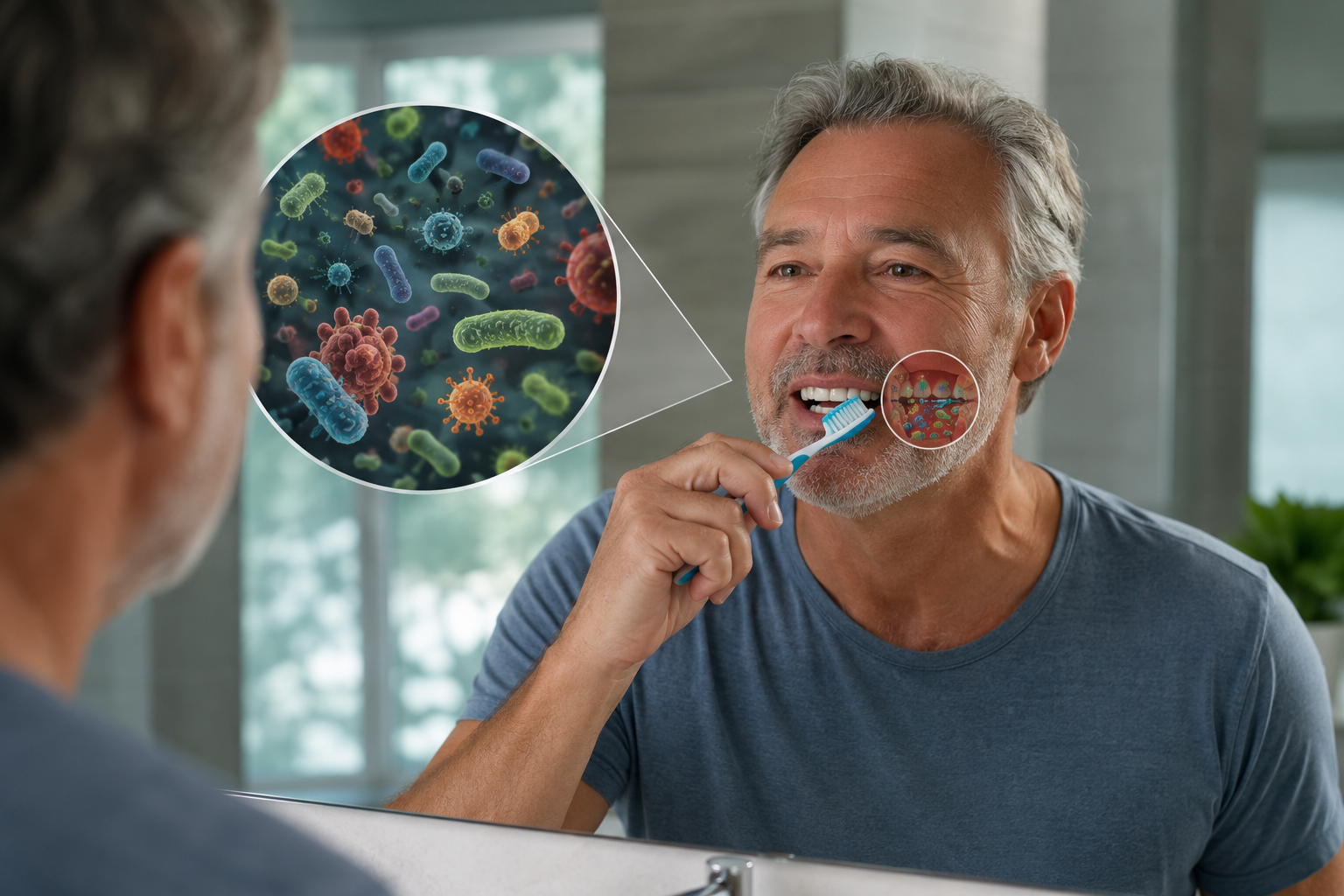
Most people brush their teeth every day without realizing they are caring for an incredibly complex microbial community. Researchers estimate that at any given moment, the human mouth contains around 20 billion bacteria, representing more than 700 different bacterial species. These microorganisms live on your teeth, tongue, gums, cheeks, palate, saliva, and even inside tiny spaces that are impossible to see with the naked eye.

Fortunately, not all bacteria are harmful. In fact, many play essential roles in maintaining a balanced oral microbiome by helping control harmful microbes, supporting healthy gums, contributing to fresh breath, and interacting with your body's natural immune defenses. Problems typically arise when this balance is disrupted by factors such as poor oral hygiene, excessive sugar intake, smoking, dry mouth, certain medications, or aging.

In this evidence-based guide, you'll discover how many bacteria actually live in your mouth, where they are found, why they matter for your overall oral health, and what current scientific research suggests about maintaining a healthier oral microbiome through daily habits and modern preventive strategies.

🔬 Article Highlights

  • ✔ Approximately 20 billion bacteria inhabit the average human mouth.
  • ✔ Scientists have identified 700+ bacterial species in the oral microbiome.
  • ✔ Most bacteria are beneficial or harmless—they help maintain ecological balance.
  • ✔ An imbalance may contribute to plaque, cavities, gum disease, and persistent bad breath.
  • ✔ Daily brushing, flossing, tongue cleaning, hydration, and regular dental visits remain the foundation of oral health.
  • ✔ Emerging research suggests oral probiotics may help support microbiome balance alongside—not instead of—good oral hygiene.
  • ✔ This article explains what current scientific evidence actually says—and where research is still evolving.

Want to Learn How to Build a Healthier Oral Microbiome?

Explore our comprehensive evidence-based guide covering oral probiotics, healthy gums, fresh breath, daily habits, nutrition, and the latest research on maintaining long-term oral health.

👉 Read the Ultimate Oral Health Guide
```

What Is the Oral Microbiome?

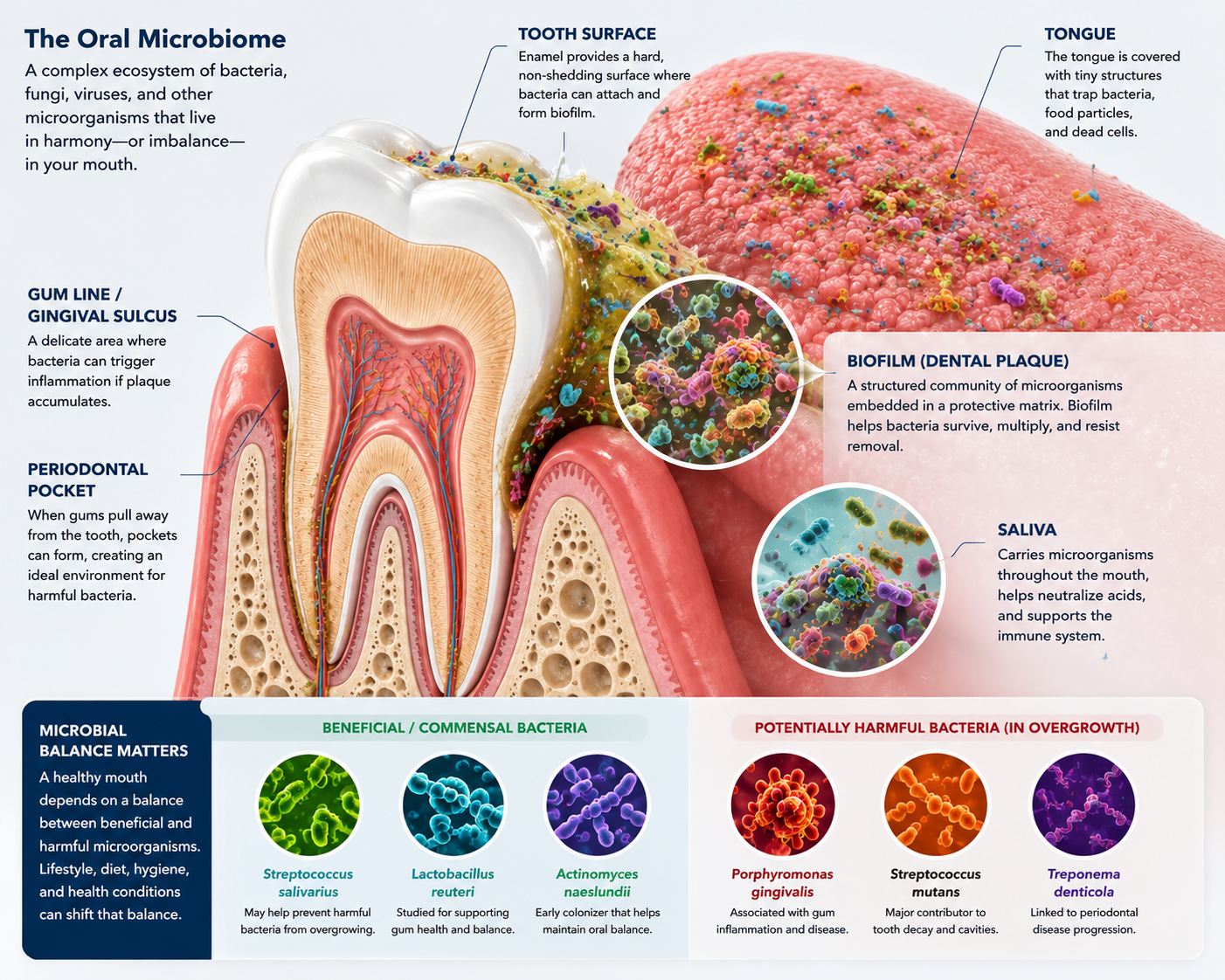
The oral microbiome is the complete community of microorganisms living inside your mouth. It includes bacteria, fungi, viruses, archaea and other microscopic organisms that occupy distinct habitats on your teeth, tongue, gums, cheeks, palate and in your saliva. Together, these organisms form one of the most diverse microbial ecosystems in the human body.

These microorganisms are not simply unwanted germs waiting to be removed. Many have coexisted with humans for generations and participate in a complex relationship with saliva, oral tissues, food, oxygen levels and the immune system. Under balanced conditions, the microbial community can remain relatively stable and compatible with healthy teeth and gums.

Oral problems are more likely to develop when environmental changes give certain organisms an advantage. Frequent sugar exposure, reduced saliva, smoking, inadequate plaque removal and other pressures can shift the community away from balance. Scientists commonly describe this unfavorable shift as oral dysbiosis.

How Many Bacteria Live in the Mouth?

There is no single number that applies to every person. Bacterial counts continually change as you eat, drink, brush, swallow and produce saliva. However, scientific reviews estimate that an average adult may harbor approximately 50–100 billion bacterial cells in the oral cavity at a given time.

That figure should be viewed as an informed estimate rather than a precise personal measurement. The total varies according to oral hygiene, dental health, saliva flow, diet, age, medications and the methods researchers use to collect and analyze samples. More important than the total number is which organisms are present, where they live and how they interact with one another.

50–100B Estimated bacterial cells in an average adult mouth
700+ Bacterial species or taxa detected across humans
~200 Predominant species that may be represented in one adult

More Than 700 Species—But Not All in One Person

Researchers have detected more than 700 bacterial species or closely related taxa across the human oral cavity. This does not mean that every individual carries all 700. Each person has a more limited microbial profile, shaped by genetics, diet, environment, health, dental condition and daily habits.

Earlier culture-based laboratory methods could identify only organisms that grew successfully under artificial conditions. Modern genetic sequencing has revealed many additional microbes, including organisms that are difficult—or currently impossible—to cultivate in a conventional laboratory. This is one reason scientific estimates have evolved over time.

Good vs Bad Oral Bacteria

Dividing oral bacteria into “good” and “bad” groups is useful for basic education, but the reality is more complex. Many microorganisms are normal residents that remain harmless under balanced conditions. Their effects can change depending on their abundance, location, neighboring organisms and the surrounding environment.

Balanced Community

A diverse and stable community can occupy available surfaces, interact with saliva and help resist excessive growth by potentially harmful organisms.

Microbial Imbalance

Persistent acidity, inflammation or reduced saliva may favor organisms associated with tooth decay, gum disease, plaque accumulation or unpleasant breath.

Oral health therefore depends less on sterilizing the mouth—which is impossible and undesirable—and more on managing the environment so that the microbial community remains compatible with health.

Where Do Oral Bacteria Live?

The mouth contains multiple microbial neighborhoods. Each location offers different levels of oxygen, moisture, nutrients, temperature and physical protection. For this reason, the community found on the tongue can differ substantially from the organisms living on a tooth or below the gumline.

Tongue

The tongue’s textured surface contains grooves and papillae that can retain microorganisms, food debris and shed cells. Its rear portion is an especially important habitat for bacteria involved in producing volatile sulfur compounds associated with bad breath.

Teeth

Teeth provide hard, non-shedding surfaces where microbes can remain attached for extended periods. Without regular disruption through brushing and interdental cleaning, organized plaque communities can accumulate and mature.

Gums and Gingival Sulcus

The narrow space between a tooth and the surrounding gum creates a protected environment. As gum inflammation and pocket depth increase, oxygen conditions can change and support different microbial communities.

Saliva

Saliva transports microorganisms between oral surfaces rather than serving as their only permanent home. It also helps wash away debris, buffer acids and provide proteins that influence microbial attachment.

Dental Plaque and Biofilm Explained

Biofilm Is More Than a Loose Collection of Bacteria

A biofilm is an organized community of microorganisms attached to a surface and surrounded by a protective matrix. Dental plaque is a familiar example. It begins when salivary proteins create a thin film on the tooth, allowing early bacterial colonizers to attach.

Additional organisms then join the community, communicate, exchange nutrients and produce a sticky matrix. As the structure matures, it can become more difficult to remove through rinsing alone. This is why mechanical disruption with effective brushing and interdental cleaning remains essential.

Plaque is not automatically identical to disease. Small microbial communities begin rebuilding after cleaning as part of normal biology. The concern arises when plaque is allowed to accumulate, mature and exist in conditions that favor acid production or gum inflammation.

Interesting Oral Microbiome Statistics

  • The mouth is widely described as one of the most microbially diverse locations in the human body.
  • Different areas of the same mouth can contain distinct microbial communities because each site provides a different environment.
  • Teeth are unique microbial habitats because they do not naturally shed their outer surfaces like the lining of the cheeks.
  • Saliva can transport millions of bacterial cells while also buffering acids and supporting the mouth’s natural defenses.
  • Many oral microorganisms cannot be classified simply as beneficial or harmful; their behavior depends on ecological conditions and community balance.

Scientific Overview of Major Oral Habitats

Oral HabitatKey CharacteristicsWhy It MattersHelpful Daily Habit
TongueTextured, moist surface with protected groovesCan retain coating and odor-producing microorganismsGentle daily tongue cleaning
TeethHard surfaces that do not naturally shedPermit stable attachment and plaque maturationBrush twice daily with fluoride toothpaste
Between TeethNarrow, protected areas that toothbrush bristles may missCan accumulate plaque and food debrisFloss or use another interdental cleaner
GumlineTransition zone between hard and soft tissuesPersistent plaque may contribute to gum inflammationClean gently along the gumline
SalivaFluid that circulates through the entire mouthTransports microbes, buffers acids and helps clear debrisStay hydrated and address persistent dry mouth
Scientific perspective: Counts and species estimates differ among studies because sampling sites, sequencing methods, health status and definitions of a bacterial species are not identical. Therefore, figures such as 50–100 billion bacteria and 700+ taxa should be interpreted as research-based estimates, not exact measurements for every individual.

Discover the Complete Science of a Healthier Mouth

Learn how oral bacteria, healthy gums, fresh breath, nutrition, oral probiotics and daily hygiene work together in our complete evidence-based oral health guide for adults over 40.

Read the Ultimate Oral Health Guide →
```
```
★ Oral Health Options

Looking for Extra Support for Your Daily Oral Care Routine?

Brushing, flossing, tongue cleaning and regular dental visits remain essential. For adults interested in exploring additional oral wellness support, the two options below provide more information about their formulas, ingredients and intended use.

ProDentim

Oral probiotic formula

ProDentim is designed for people who want to learn more about using selected probiotic strains and supporting ingredients alongside a consistent oral hygiene routine.

  • Explore the complete ingredient formula
  • Review intended oral wellness support
  • Check current packages and purchasing information
Explore ProDentim Details →

ProvaDent

Alternative oral wellness option

ProvaDent offers another option for readers who want to compare oral wellness formulas before deciding which approach best fits their preferences and daily routine.

  • Learn how the formula is presented
  • Compare its positioning with other options
  • Review current availability and product information
Discover ProvaDent Details →
Compare before choosing: Review the ingredients, directions, price, refund terms and product information carefully. Supplements should complement—not replace—brushing, flossing and professional dental care.
Affiliate Disclosure: This section contains affiliate links. EnergyFix40.com may receive a commission if a qualifying purchase is made through these links, at no additional cost to the reader. Product information is provided for educational purposes and is not a substitute for professional dental or medical advice.
```
``` Microbial Balance and Oral Health

Why Do These Bacteria Matter?

Oral bacteria help shape the environment surrounding your teeth, gums, tongue and saliva. Their influence depends less on the presence of one isolated organism and more on how the entire microbial community responds to diet, saliva, hygiene, inflammation and everyday habits.

A balanced oral microbiome can coexist with healthy tissues. When the environment changes, however, organisms that tolerate acidity, inflammation or low-oxygen conditions may become more dominant. This ecological shift can contribute to unpleasant breath, dental plaque, tooth decay and periodontal problems.

Fresh Breath

Bacteria on the tongue and around the gums can break down proteins and release volatile sulfur compounds. Tongue cleaning, hydration and treatment of gum disease may help address the source rather than simply masking odor.

Gum Health

Mature plaque near and below the gumline can stimulate an immune response. Persistent inflammation may cause redness, swelling and bleeding and, in susceptible people, contribute to periodontal tissue damage.

Tooth Decay and Oral pH

When certain bacteria repeatedly ferment sugars, they produce acids that lower plaque pH. Frequent acidic episodes can remove minerals from enamel faster than saliva can replace them, increasing cavity risk.

Plaque and Immune Response

Dental plaque is an organized biofilm rather than loose debris. The immune system continually monitors this biofilm, but prolonged microbial imbalance can create inflammation that damages surrounding tissues.

Factors That Can Shift the Oral Microbiome

The composition of oral bacteria changes throughout life. Aging itself does not automatically cause disease, but older adults are more likely to experience gum recession, exposed root surfaces, medication use, reduced dexterity and dry mouth. These factors can create new microbial habitats and make effective plaque control more difficult.

Dry mouth: Reduced saliva limits natural washing, acid buffering and enamel remineralization.
Antibiotics: These medicines can temporarily alter microbial communities and should be used only as professionally directed.
Smoking: Tobacco exposure can change oxygen levels, immune responses and the bacterial community below the gumline.
Frequent sugar: Repeated sugar intake provides fuel for acid-producing organisms and extends periods of low plaque pH.

Frequency Often Matters More Than a Single Exposure

Eating a sugary food once is different from sipping or snacking on sugar repeatedly throughout the day. Every exposure can begin another acidic cycle. Limiting frequency, drinking water and allowing saliva time to restore a more neutral environment may reduce continuous pressure on enamel.

Can Oral Probiotics Help?

Oral Probiotics Are Strain-Specific

Oral probiotics contain selected live microorganisms intended to interact with the microbial community of the mouth. Proposed mechanisms include competing for attachment sites, producing inhibitory substances and influencing local immune responses. A benefit found for one strain should not automatically be attributed to every probiotic product.

Lactobacillus paracasei

Certain strains have been investigated for their ability to interfere with selected oral microorganisms and support microbial balance. Human evidence remains less extensive than for some L. reuteri formulations.

Limosilactobacillus reuteri

Formerly classified as Lactobacillus reuteri, this species has been studied as an adjunct for gingivitis and periodontal care. Several trials report improvements in selected clinical measures, although findings are not completely consistent.

BLIS K12

Streptococcus salivarius K12 has mainly been investigated for tongue-coating-associated halitosis and upper-airway applications. Small trials suggest possible breath-related benefits, but larger independent studies are still needed.

BLIS M18

Streptococcus salivarius M18 has been studied for cavity risk indicators, salivary buffering and levels of Streptococcus mutans. Much of the clinical research has involved children rather than older adults.

Comparison of Commonly Studied Oral Probiotic Strains

Probiotic StrainMain Research AreaPotential RoleEvidence Limitations
L. paracaseiMicrobial competition and general oral balanceMay interact with selected unwanted oral organismsEffects depend on the exact strain; limited large trials
L. reuteriGingivitis and periodontal therapyMay support selected gum-health measures as an adjunctTrial methods and outcomes vary; not a treatment replacement
BLIS K12Halitosis and tongue-associated bacteriaMay help reduce some breath-related measurementsMany studies are small or short-term
BLIS M18Cavity-risk indicators and salivary bufferingMay influence S. mutans counts and selected risk markersMuch of the evidence comes from pediatric populations

What Have Scientific Studies Found?

  • A randomized trial involving sailors reported improved periodontal health measures during the use of L. reuteri-containing lozenges. View study.
  • A small randomized study evaluated S. salivarius K12 for tongue-coating-associated halitosis over 30 days. View study.
  • Randomized research on S. salivarius M18 has reported changes in cavity-risk indicators, bacterial counts or salivary buffering, primarily in children. View study.
  • A clinical study combining BLIS K12 and M18 reported reduced caries risk measurements after three months but emphasized the need for longer trials. View study.
Current evidence: Oral probiotics are a promising area of research, but the literature remains heterogeneous. Studies use different strains, doses, delivery formats, treatment periods and participant groups. They should be considered a possible adjunct—not a substitute for fluoride toothpaste, interdental cleaning, tongue cleaning, professional periodontal treatment or regular dental visits.
Complete Oral Health Resource

Learn How to Support a More Balanced Oral Environment

Explore our complete guide to the oral microbiome, healthy gums, fresh breath, daily hygiene, nutrition and the current science behind oral probiotics.

Read the Ultimate Oral Health Guide →
```
``` Lifestyle and Microbial Balance

What Affects the Number of Bacteria in Your Mouth?

The number and types of bacteria living in your mouth change throughout the day. Eating, drinking, saliva flow, medications, smoking, oral hygiene and many other factors can alter the environment in which these microorganisms live.

A higher bacterial count does not automatically mean poor oral health. The mouth naturally contains billions of microorganisms. What matters more is whether the community remains balanced or shifts toward species that tolerate acidity, inflammation, dryness or heavy plaque buildup.

Diet, Sugar and the Oral Environment

Diet strongly influences oral bacteria because food provides the nutrients microorganisms use for growth. A balanced diet rich in vegetables, fiber, protein and minimally processed foods generally creates fewer repeated sugar exposures than a pattern dominated by sweetened drinks, candy and frequent snacks.

Sugar intake is especially important because acid-producing bacteria can ferment sugars and lower plaque pH. Each exposure may begin another acidic period. For this reason, sipping sugary beverages throughout the day can create more frequent challenges for enamel than consuming the same amount during a single meal.

Smoking

Smoking may change oxygen levels, blood flow, immune responses and the bacterial community around the gums. It can also hide early warning signs by reducing visible gum bleeding.

Alcohol

Frequent alcohol use may contribute to oral dryness, especially when combined with alcohol-containing mouth rinses, limited hydration or medications that already reduce saliva.

Sleep and Stress

Poor sleep and persistent stress may indirectly affect oral health by changing immune function, diet choices, saliva flow and consistency with daily hygiene habits.

Medications and Antibiotics

Many medicines can reduce saliva, while antibiotics may temporarily alter microbial diversity. Antibiotics should be used only when prescribed and should not be taken solely to reduce normal oral bacteria.

Aging

Aging can bring gum recession, exposed roots, reduced dexterity, dental restorations and greater medication use. These changes can create new areas where plaque accumulates.

Hormonal Changes

Hormonal shifts may influence gum sensitivity and inflammatory responses. The effect varies among individuals and does not remove the need for professional evaluation when symptoms persist.

Saliva Production, Hydration and Dry Mouth

Saliva is one of the mouth’s most important protective systems. It helps wash away food particles, transport antimicrobial proteins, buffer acids and return minerals to enamel. When saliva production falls, bacterial communities may change and plaque can become more difficult to control.

Dry mouth may be associated with dehydration, medications, mouth breathing, smoking, alcohol, certain health conditions or changes that occur with age. Persistent dryness deserves attention because it may increase the risk of cavities, oral discomfort and difficulty swallowing.

Daily Habits That Help Balance the Oral Microbiome

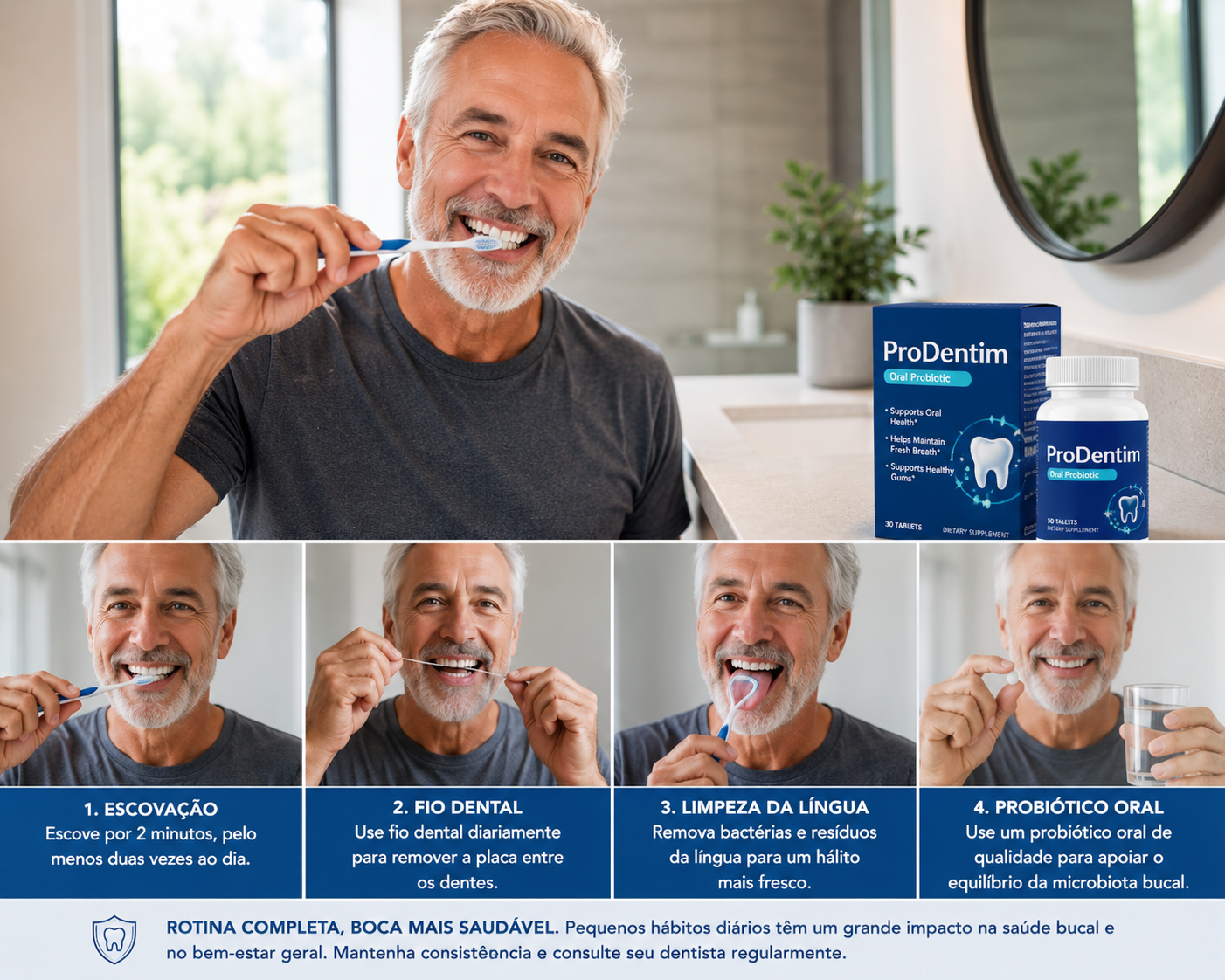
The goal of oral hygiene is not to sterilize the mouth. Instead, daily care helps repeatedly disrupt mature biofilm, control plaque accumulation and support an environment in which the microbial community can remain compatible with healthy teeth and gums.

Brush Thoroughly

Brush twice daily using fluoride toothpaste, paying attention to the gumline, back teeth and other areas where plaque commonly remains.

Clean Between Teeth

Floss or use another interdental cleaner daily to reach surfaces that toothbrush bristles may not clean effectively.

Clean the Tongue

Gentle tongue cleaning can remove coating, food debris and some microorganisms involved in unpleasant breath.

Drink Enough Water

Regular water intake supports hydration and saliva production while helping rinse away food particles after meals.

Choose a Balanced Diet

Emphasize vegetables, protein, whole foods and nutrient-rich meals while reducing heavily processed snacks.

Limit Sugar Frequency

Reduce repeated snacking and frequent sipping of sweetened beverages to limit recurring acidic conditions.

Schedule Dental Visits

Professional examinations can identify cavities, gum disease, dry mouth and other problems before they become more difficult to manage.

Evaluate Oral Probiotics Carefully

Oral probiotics may provide strain-specific support for some people, but they should complement—not replace—effective hygiene and dental treatment.

Lifestyle Factors and Their Possible Effects

Lifestyle FactorPossible Oral EffectHelpful Response
Frequent sugarRepeated acid production and lower plaque pHReduce snacking frequency and choose water more often
SmokingChanges in gum immunity and microbial conditionsSeek support to stop smoking and maintain dental monitoring
Dry mouthReduced acid buffering and natural cleansingHydrate and discuss persistent symptoms with a professional
Poor sleepMay affect immunity, stress and hygiene consistencyMaintain a regular sleep schedule and evening oral routine
MedicationsSome can reduce saliva or alter oral conditionsDo not stop medication; ask about dry-mouth management
Inconsistent hygieneAllows biofilm to mature on teeth and along gumsBrush twice daily and clean between teeth every day

Oral Microbiome Prevention Checklist

  • Brush twice daily with fluoride toothpaste
  • Clean between teeth every day
  • Clean the tongue gently
  • Drink water regularly
  • Limit frequent sugar exposure
  • Avoid smoking and tobacco products
  • Address persistent dry mouth
  • Attend regular dental examinations
  • Follow antibiotic instructions carefully
  • Use oral probiotics only as complementary support
Important perspective: Oral probiotic results depend on the exact strain, dose, delivery method and condition being studied. They cannot remove hardened tartar, repair cavities or replace periodontal treatment. People with ongoing bleeding, pain, loose teeth, swelling or persistent bad breath should seek professional dental care.

Build a Smarter Daily Oral Health Routine

Explore our complete guide to oral bacteria, healthy gums, fresh breath, nutrition, oral probiotics and evidence-based daily care for adults over 40.

Read the Ultimate Oral Health Guide →

```
``` Frequently Asked Questions

Questions About Oral Bacteria and the Oral Microbiome

The mouth contains a complex community of microorganisms that changes throughout the day. These answers explain what scientists currently know about oral bacteria, microbial balance, hygiene and oral probiotics.

1. How many bacteria live in the human mouth?

Scientific estimates suggest that an adult mouth may contain tens of billions of bacterial cells at a given time. The exact number varies according to saliva flow, oral hygiene, diet, dental health, medications and sampling methods. Researchers have identified more than 700 bacterial species or related taxa across different people, although no individual carries every known species.

2. Are all mouth bacteria harmful?

No. Many oral bacteria are normal members of the oral microbiome and can coexist with healthy teeth and gums. Problems are more likely when the environment favors excessive acid production, inflammation or mature plaque. The same organism may behave differently depending on its abundance, location and interactions with surrounding microbes.

3. Can oral bacteria affect overall health?

Oral health is connected with general health, and researchers continue to study associations between periodontal disease and conditions such as diabetes and cardiovascular disease. However, an association does not always prove that oral bacteria directly cause another disease. Maintaining healthy gums and receiving appropriate treatment remain important parts of overall care.

4. What is the oral microbiome?

The oral microbiome is the complete community of bacteria, fungi, viruses, archaea and other microorganisms living in the mouth. These organisms occupy different habitats, including the tongue, teeth, gums, cheeks and saliva. Their balance is influenced by hygiene, diet, saliva, smoking, medication use and health status.

5. Can brushing remove all bacteria from the mouth?

No. Brushing does not and should not sterilize the mouth. Its main purpose is to disrupt dental plaque, remove food debris and deliver fluoride to the teeth. Bacteria begin returning to cleaned surfaces soon afterward. Daily brushing, interdental cleaning and tongue cleaning help prevent biofilm from becoming excessively mature.

6. How do oral probiotics work?

Oral probiotics contain selected live microorganisms intended to interact with bacteria already present in the mouth. Proposed actions include competing for attachment sites, producing inhibitory substances and influencing local immune responses. Effects are strain-specific, so evidence for one organism cannot automatically be applied to every probiotic supplement.

7. What causes bacterial imbalance in the mouth?

Frequent sugar intake, poor plaque removal, smoking, dry mouth, hormonal changes, stress, inadequate sleep and certain medications may alter the oral environment. Antibiotics can also temporarily change microbial diversity. These factors do not affect everyone equally, and several may occur at the same time.

8. Does sugar increase harmful oral bacteria?

Frequent sugar exposure can favor bacteria that produce acids. These acids lower plaque pH and can contribute to enamel demineralization. The frequency of exposure is important: sipping sweet drinks or snacking repeatedly can create more acidic cycles than consuming sugar only occasionally with a meal.

9. Can older adults have fewer beneficial bacteria?

Aging can change the oral microbiome, but it does not automatically mean beneficial bacteria disappear. Medication use, reduced saliva, gum recession, tooth loss, dentures, restorations, diet and chronic health conditions may influence the microbial community. Good hygiene, hydration and professional dental care remain valuable at every age.

10. Should I visit a dentist regularly?

Yes. Regular dental examinations can identify cavities, gum disease, dry mouth, oral infections and other concerns before they become more serious. The recommended visit schedule depends on your individual risk. Seek care sooner if you experience persistent bleeding, swelling, pain, loose teeth or ongoing bad breath.

Medical note: This FAQ provides general educational information and does not diagnose or treat oral disease. Oral probiotics and supplements should complement—not replace—fluoride toothpaste, interdental cleaning, professional treatment and regular dental examinations.
```
Evidence-Based Summary

Balanced Scientific Conclusion

Modern research has transformed our understanding of the mouth. Rather than being a sterile environment, it is home to one of the body's most diverse microbial ecosystems. Current scientific evidence indicates that an adult mouth may contain tens of billions of bacteria at any given time, with more than 700 bacterial species or closely related taxa identified across different individuals. Each person develops a unique oral microbiome influenced by genetics, age, diet, lifestyle, saliva production, oral hygiene and overall health.

One of the most important discoveries in oral microbiome research is that good oral health does not depend on eliminating bacteria. Instead, it depends on maintaining a balanced microbial community. When beneficial and opportunistic microorganisms remain in equilibrium, the mouth is generally better able to support healthy teeth, gums and fresh breath. Conversely, ecological changes caused by frequent sugar exposure, smoking, persistent dry mouth, inadequate plaque removal or other factors may favor microbial imbalance and increase the risk of oral disease.

Main Takeaways
  • The human mouth naturally contains tens of billions of bacteria belonging to more than 700 identified species or taxa across the population.
  • Every individual has a unique oral microbiome, and no two bacterial communities are exactly alike.
  • Maintaining microbial balance is more important than attempting to eliminate all bacteria.
  • Daily oral hygiene and healthy lifestyle habits remain the foundation of long-term oral health.

Interest in oral probiotics has increased considerably over the past decade. Clinical studies suggest that certain probiotic strains—including Limosilactobacillus reuteri, Lactobacillus paracasei, Streptococcus salivarius BLIS K12 and BLIS M18—may support microbial balance and improve selected oral health outcomes in some individuals. However, these effects are strain-specific and should not be generalized to every probiotic formulation currently available.

Current scientific evidence also has important limitations. Existing studies differ in probiotic strains, dosages, treatment duration, participant characteristics and outcome measures. Many clinical trials are relatively small or short-term, making direct comparisons difficult. As a result, oral probiotics should be viewed as a potential complement to established oral care practices rather than a replacement for conventional dental care.

The strongest evidence continues to support simple daily habits: brushing twice a day with fluoride toothpaste, cleaning between the teeth with dental floss or another interdental device, gently cleaning the tongue, maintaining a balanced diet, limiting frequent sugar consumption, staying well hydrated and attending regular dental examinations. Together, these measures help control dental plaque, support a healthier oral environment and reduce the likelihood of microbial imbalance.

Continue Learning About Oral Health

Want to better understand how the oral microbiome, healthy gums, nutrition, fresh breath, oral probiotics and everyday habits work together? Explore our complete evidence-based guide and discover practical strategies to support your oral health every day.

Read the Ultimate Oral Health Guide →
``` Explore Oral Probiotic Support

Ready to Learn More About ProDentim?

Discover the ingredients, intended benefits, package options and current availability of this oral probiotic formula designed to complement a consistent daily oral care routine.

  • Review the complete formula
  • Explore current package options
  • Learn how it fits into oral care
Affiliate Disclosure: We may earn a commission if you purchase through this link, at no additional cost to you.
Visit the Official ProDentim Presentation →

Supplements should complement—not replace—brushing, flossing, professional treatment or regular dental examinations.

```
``` Evidence and Further Reading

Scientific References

The following institutional resources, peer-reviewed articles, systematic reviews and professional publications provide additional information on the oral microbiome, dental biofilm, periodontal health, daily oral hygiene and the possible role of oral probiotics.

Evidence perspective: Research on the oral microbiome is developing rapidly. Findings involving probiotic supplements are strain-specific and vary according to dosage, delivery method, duration, participant characteristics and the oral condition being studied.

Government and Professional Health Organizations

  1. National Institute of Dental and Craniofacial Research — Exploring the Mouth’s Microbial Wonders

    NIDCR overview of organized microbial communities in dental plaque and current research into how oral microorganisms influence health.

    View NIDCR resource →
  2. National Institute of Dental and Craniofacial Research — Oral Health in America

    Comprehensive U.S. scientific report discussing the oral microbiome, dental plaque, biofilm, oral diseases and prevention.

    View national report →
  3. National Library of Medicine and PubMed

    Primary biomedical literature database providing access to peer-reviewed studies on oral bacteria, biofilm, probiotics, periodontal health and dental caries.

    Search PubMed research →
  4. NIH National Center for Complementary and Integrative Health — Probiotics: Usefulness and Safety

    General scientific guidance about probiotics, proposed health benefits, product limitations, safety considerations and evidence quality.

    View NIH probiotic guidance →
  5. American Dental Association — Oral-Systemic Health

    Professional overview of relationships under investigation between oral conditions, periodontal health and systemic health.

    View ADA resource →
  6. Mayo Clinic — Oral Health: A Window to Your Overall Health

    Evidence-informed guidance on brushing, interdental cleaning, tongue cleaning, nutrition, sugar intake and regular dental care.

    View Mayo Clinic guidance →
  7. Academy of General Dentistry — Oral Health Facts

    Patient education resources addressing plaque control, brushing, flossing, mouth rinses, gum health, dry mouth and preventive dental visits.

    View AGD resources →
  8. American Academy of Periodontology — Microbiology

    Professional periodontal literature addressing dental plaque, periodontal microorganisms, microbial ecology and disease development.

    View AAP literature →

Oral Microbiome and Dental Biofilm Research

  1. Rajasekaran JJ, et al. Oral Microbiome: A Review of Its Impact on Oral and Systemic Health. Dentistry Journal. 2024.

    Recent review of oral microbial composition, ecological balance, influencing factors and possible connections with oral and systemic conditions.

    View on PubMed →
  2. Bowen WH, Burne RA, Wu H, Koo H. Oral Biofilms: Pathogens, Matrix, and Polymicrobial Interactions in Microenvironments. Trends in Microbiology. 2018.

    High-impact review explaining the structure of oral biofilm, its extracellular matrix and interactions involved in dental caries.

    Read the full NIH article →
  3. Sharma N, et al. Oral Microbiome and Health. AIMS Microbiology. 2018.

    Review of microorganisms living on the teeth, tongue, oral mucosa, saliva and gingival areas, including the role of microbial imbalance.

    Read the full NIH article →
  4. Siddiqui R, et al. The Increasing Importance of the Oral Microbiome in Periodontal Health and Disease. Future Science OA. 2023.

    Discussion of microbial ecology, dysbiosis, host responses and the role of the oral microbiome in periodontal health.

    Read the full NIH article →
  5. Journal of Clinical Periodontology

    Peer-reviewed clinical research on periodontal disease, inflammation, biofilm management, supportive therapy and preventive periodontal care.

    Visit the journal →
  6. Nature Reviews Microbiology

    High-authority reviews covering microbial communities, biofilm biology, host-microbe interactions and microbiome science.

    Visit Nature Reviews Microbiology →

Oral Probiotics: Reviews and Clinical Evidence

  1. Inchingolo F, et al. The Benefits of Probiotics on Oral Health: Systematic Review of the Literature. Pharmaceuticals. 2023.

    Systematic review examining possible probiotic effects on dental caries, gum conditions, halitosis, mucositis and peri-implant health.

    View on PubMed →
  2. Navidifar T, et al. Clinical Efficacy of Probiotics on Oral Health: A Systematic Review of Randomized Controlled Trials. 2023.

    Review evaluating randomized clinical trials while emphasizing differences among strains, treatment protocols and oral outcomes.

    View on PubMed →
  3. Beattie RE, et al. Probiotics for Oral Health: A Critical Evaluation of Bacterial Strains. Frontiers in Microbiology. 2024.

    Critical evaluation of probiotic strains studied for oral pathogens, dental caries, periodontal outcomes and microbial balance.

    Read the full NIH article →
  4. Doucette H, et al. The Impact of Prebiotics and Probiotics on the Oral Microbiome in Periodontal Therapy. 2024.

    Scoping review examining probiotics and prebiotics as adjunctive approaches and identifying important gaps in the available periodontal literature.

    View on PubMed →
  5. Tay JRH, et al. The Efficacy of Probiotics in the Management of Intra-Oral Halitosis: A Systematic Review. 2022.

    Review reporting insufficient convincing evidence for clinical recommendations and calling for better standardized trials.

    View on PubMed →
  6. Frontiers in Oral Health

    Peer-reviewed research covering oral microbiology, preventive dentistry, periodontal science, oral-systemic relationships and emerging therapies.

    Visit Frontiers in Oral Health →
  7. Cochrane Library — Oral Health Reviews

    Independent systematic reviews assessing preventive and therapeutic dental interventions according to established evidence-review standards.

    Search Cochrane reviews →
Editorial and medical disclaimer: References are provided for education and further reading. Inclusion of a study does not prove that every oral probiotic product produces the same results. Supplements should not replace fluoride toothpaste, interdental cleaning, professional diagnosis, periodontal treatment or regular dental visits. Readers with persistent bleeding, pain, swelling, loose teeth, dry mouth or ongoing bad breath should consult a qualified dental professional.
```
```

RELATED POSTS

View all

view all